
Gastric Bypass Abroad: Your Guide to a Healthier Future
Embarking on a journey towards significant weight loss can be life-changing, especially when severe obesity impacts your health and well-being. Gastric bypass surgery stands as one of the most effective solutions for individuals struggling to achieve sustainable weight loss through traditional methods. It’s more than just a procedure; it's a powerful tool to reclaim your health, improve chronic conditions, and enhance your quality of life.
For many, the high costs of bariatric surgery in their home countries can be a significant barrier. This is where medical tourism for Gastric Bypass becomes an attractive and viable option. Imagine combining your path to a healthier you with an opportunity to experience a new culture, all while accessing world-class medical care at a fraction of the price. Choosing to have your Gastric Bypass abroad offers a compelling blend of affordability, reduced waiting times, and access to highly skilled surgeons and state-of-the-art facilities.
This comprehensive guide will walk you through everything you need to know about Gastric Bypass surgery, from understanding the procedure itself to exploring the benefits and considerations of undergoing this transformative treatment overseas. We’ll delve into eligibility criteria, recovery expectations, potential risks, and crucial tips for selecting the right clinic and destination. Your journey to a healthier, more vibrant life is closer than you think, and medical tourism could be the key to unlocking it.
What is Gastric Bypass Surgery and How Does it Work?
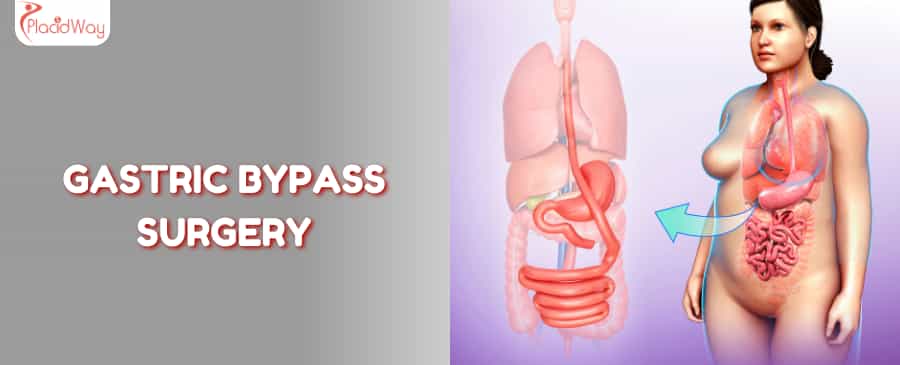
Gastric Bypass, specifically the Roux-en-Y gastric bypass (RYGB), is one of the most commonly performed and effective types of bariatric surgery. It involves two main steps. First, the surgeon creates a small pouch from the stomach, about the size of an egg, by stapling off a large section of the existing stomach. This new, smaller stomach drastically limits the amount of food you can eat at one time.
Second, the surgeon divides the small intestine and connects the newly created stomach pouch directly to a lower segment of the small intestine. This bypasses the majority of the stomach and the first part of the small intestine (duodenum and part of the jejunum). By bypassing these sections, fewer calories and nutrients are absorbed, further contributing to weight loss. The remaining bypassed section of the stomach and small intestine is reconnected further down to allow digestive juices to mix with food.
The combination of reduced food intake and decreased nutrient absorption leads to significant and lasting weight loss. Beyond the mechanical changes, gastric bypass also alters gut hormones, which can help suppress appetite, improve metabolism, and contribute to the remission of conditions like type 2 diabetes.
Am I a Candidate for Gastric Bypass? Understanding Eligibility
Deciding if Gastric Bypass is right for you involves a thorough evaluation by medical professionals. The primary criterion is your Body Mass Index (BMI). Generally, candidates meet one of the following:
- A BMI of 40 or higher (extreme obesity).
- A BMI of 35 to 39.9 (obesity) with at least one significant obesity-related health problem, such as type 2 diabetes, high blood pressure, severe sleep apnea, non-alcoholic fatty liver disease, osteoarthritis, or high cholesterol.
Beyond BMI, surgeons also assess your overall health, psychological readiness, and commitment to making lifelong changes. You must be willing to follow strict dietary guidelines, exercise regularly, and attend follow-up appointments. Pre-surgical evaluations often include psychological assessments, nutritional counseling, and tests to ensure you are medically fit for surgery and prepared for the journey ahead.
What Types of Gastric Bypass Procedures Are Available?
While several bariatric surgeries exist, when people refer to "Gastric Bypass," they almost always mean the Roux-en-Y Gastric Bypass (RYGB). This procedure, detailed earlier, is considered the gold standard due to its long-term efficacy and well-established safety profile. Its two-step process of creating a small stomach pouch and rerouting the small intestine results in both restrictive (limiting food intake) and malabsorptive (reducing calorie absorption) effects.
Another, less commonly performed procedure is the Mini Gastric Bypass (MGB), sometimes called a "single anastomosis gastric bypass." In this procedure, the surgeon creates a longer, narrower stomach pouch than in RYGB, and then connects it to the small intestine with only one connection, bypassing a larger segment of the intestine. While MGB is technically simpler and potentially quicker to perform, it carries a higher risk of bile reflux and nutritional deficiencies compared to RYGB, making RYGB the more frequently recommended and performed Gastric Bypass type globally.
What Are the Benefits of Gastric Bypass for Long-Term Health?
The benefits of Gastric Bypass extend far beyond just shedding pounds. Patients often experience dramatic improvements in obesity-related health conditions. For instance, type 2 diabetes can go into remission for a significant number of patients, often within days or weeks of surgery, even before substantial weight loss occurs. This is largely due to the hormonal changes that result from rerouting the digestive tract.
Other significant health improvements include:
- Reduced Cardiovascular Risk: Lower blood pressure and cholesterol levels, reducing the risk of heart disease and stroke.
- Resolution of Sleep Apnea: Many patients find their sleep apnea resolves or dramatically improves, leading to better sleep quality and energy.
- Joint Pain Relief: Less stress on weight-bearing joints leads to reduced pain and improved mobility, often allowing for a more active lifestyle.
- Improved Mental Health: Patients often report increased self-esteem, reduced depression, and an overall better quality of life.
These transformative changes contribute to a longer, healthier, and more fulfilling life, making Gastric Bypass a powerful intervention for those struggling with severe obesity and its associated health challenges.
What Does Gastric Bypass Recovery Entail?
The recovery process after Gastric Bypass is a crucial period that requires patience and strict adherence to medical advice. Immediately after surgery, you'll typically spend 2-4 days in the hospital. During this time, you'll start on a clear liquid diet, and nurses will help you with early mobilization, such as walking, to prevent complications like blood clots.
Upon returning home, your diet will gradually progress over several weeks, typically moving from clear liquids to full liquids, pureed foods, soft foods, and finally, solid foods. This slow progression allows your new stomach pouch and digestive system to heal. It's essential to eat very small portions, chew thoroughly, and drink fluids separately from meals to avoid discomfort or complications like dumping syndrome.
Long-term recovery involves lifelong commitment to a healthy lifestyle. This includes taking daily vitamin and mineral supplements (iron, calcium, vitamin B12, vitamin D) to prevent deficiencies, maintaining regular physical activity, and attending frequent follow-up appointments with your medical team. Most patients can return to light activities within 2-3 weeks and resume full activity in 4-6 weeks.
What are the Risks and Potential Complications of Gastric Bypass?
While Gastric Bypass is generally safe, it is a major surgical procedure with potential risks and complications, both short-term and long-term. Short-term risks, common to any surgery, include:
- Infection at the incision site
- Blood clots (deep vein thrombosis or pulmonary embolism)
- Bleeding
- Anastomotic leaks (where the stomach or intestine connections fail to heal properly)
- Adverse reactions to anesthesia
Long-term complications are more specific to bariatric surgery and can include:
- Nutritional Deficiencies: Due to reduced absorption, patients must take lifelong vitamin and mineral supplements.
- Dumping Syndrome: Occurs when food, especially sugar, moves too quickly from the stomach into the small intestine, causing nausea, vomiting, dizziness, and diarrhea.
- Gallstones: Rapid weight loss can increase the risk of developing gallstones.
- Hernias: Incisional hernias can occur at the surgery site.
- Internal Hernia or Stricture: Though rare, these can cause severe abdominal pain and may require further surgery.
It's crucial to discuss these risks thoroughly with your surgeon and medical team to ensure you understand them completely before making a decision.
Why Consider Medical Tourism for Gastric Bypass Surgery?
Medical tourism has become an increasingly popular option for individuals seeking Gastric Bypass surgery, primarily driven by three compelling factors: cost, accessibility, and quality. In countries like the USA, Canada, or Western Europe, the cost of Gastric Bypass can be prohibitively expensive, often ranging from $20,000 to $35,000 or more, even with insurance, which may not cover all aspects.
By opting for surgery abroad, patients can save anywhere from 50% to 70% on the total cost, making life-changing procedures financially attainable. Beyond the significant savings, medical tourism often provides shorter waiting times, allowing patients to get the surgery they need without long delays. Many international clinics boast state-of-the-art facilities, highly trained surgeons, and dedicated patient support, ensuring a high standard of care comparable to or even exceeding what's available at home. The added bonus of experiencing a new culture during your recovery period can also make the journey more enriching.
Which Countries Offer High-Quality Gastric Bypass Abroad?
Several countries have established themselves as premier destinations for Gastric Bypass surgery within the medical tourism landscape, known for their advanced medical infrastructure, highly skilled surgeons, and patient-focused services. These destinations attract patients from around the globe seeking affordable yet high-quality care.
- Mexico: Particularly cities like Tijuana, Guadalajara, and Monterrey, are popular due to their proximity to the US, experienced surgeons, and significantly lower costs. Many clinics are JCI (Joint Commission International) accredited.
- Turkey: Istanbul and Antalya are prominent medical hubs, offering cutting-edge hospitals, English-speaking staff, and comprehensive packages that often include accommodation and transfers.
- India: Renowned for its world-class hospitals, highly qualified doctors, and advanced technology, India provides excellent bariatric care at some of the most competitive prices globally.
- Poland: Offers high-quality European standards of care with modern clinics and experienced surgeons, often appealing to patients from Western Europe for its affordability and proximity.
When choosing a destination, it's vital to research clinic accreditation (e.g., JCI), surgeon qualifications, patient reviews, and the inclusiveness of their medical tourism packages.
How Much Does Gastric Bypass Cost Globally? A Price Comparison
The cost of Gastric Bypass surgery is a primary driver for medical tourism. The price can vary significantly depending on the country, the clinic's reputation, the surgeon's experience, and what's included in the package (e.g., pre-op tests, hospital stay, medications, follow-up care, accommodation, transfers). Here's an estimated cost comparison:
| Country | Estimated Cost (USD) | Notes |
|---|---|---|
| United States | $20,000 - $35,000+ | Higher costs, often covered by insurance for eligible patients. |
| Canada | $15,000 - $25,000+ | Can have long public healthcare waiting lists; private options are costly. |
| United Kingdom | $10,000 - $20,000+ | Private care is expensive; NHS has strict eligibility and waiting lists. |
| Mexico | $6,000 - $12,000 | Very popular for US patients; includes package deals often. |
| Turkey | $4,500 - $9,000 | Modern hospitals, comprehensive packages, strong reputation. |
| India | $2,500 - $7,000 | Highly competitive pricing with world-class medical facilities. |
| Poland | $5,000 - $8,000 | Good option for European patients seeking affordable, quality care. |
These figures are estimates and can fluctuate. Always get a personalized quote that details all inclusions.
How Do I Choose a Safe and Reputable Clinic for Gastric Bypass Abroad?
Selecting the right clinic and surgeon for your Gastric Bypass abroad is perhaps the most critical step. Your health and safety depend on it. Here’s what to look for:
- Accreditation: Look for international accreditations like Joint Commission International (JCI) or local equivalents that signify high standards of patient care and safety.
- Surgeon’s Credentials: Verify the surgeon's qualifications, board certifications, and experience specifically with Gastric Bypass procedures. How many procedures have they performed? What is their success rate?
- Facility Standards: Ensure the clinic or hospital uses modern equipment and adheres to strict hygiene protocols. Virtual tours or photos can be helpful.
- Patient Reviews and Testimonials: Seek out real patient experiences and before-and-after stories. Online forums and independent review sites can provide valuable insights.
- Inclusive Packages: Understand what the quoted price includes. Does it cover pre-operative tests, hospital stay, surgeon and anesthesia fees, medications, post-operative care, and transfers?
- Communication: Ensure there's a clear communication channel, especially if there's a language barrier. Many clinics catering to international patients offer English-speaking staff or translators.
Working with a reputable medical tourism facilitator like PlacidWay can streamline this process, as they often vet clinics and surgeons for you.
What Are the Specific Considerations and Risks of Gastric Bypass Abroad?
While the benefits of medical tourism are clear, it's important to be aware of the specific considerations and potential risks when undergoing Gastric Bypass abroad:
- Travel Risks: Long flights too soon after surgery can increase the risk of blood clots. Plan for adequate recovery time in the destination country before flying home.
- Language Barriers: Even with translators, nuances in communication can sometimes be missed. Ensure you feel fully understood and can ask all your questions clearly.
- Cultural Differences: Healthcare practices and patient expectations might differ from what you're accustomed to.
- Continuity of Care: Arranging seamless follow-up care once you return home can be a challenge. It's essential to have a plan for a local doctor to take over your post-operative management.
- Legal Recourse: Should complications arise, seeking legal recourse in a foreign country can be complex and expensive.
Mitigating these risks involves thorough research, choosing highly reputable providers, ensuring clear communication, and having a comprehensive post-operative plan in place before you travel.
What Post-Operative Care and Follow-up Can I Expect After Gastric Bypass When Traveling?
Effective post-operative care and long-term follow-up are critical for the success of Gastric Bypass. When undergoing surgery abroad, this requires careful planning. Most clinics offering medical tourism packages will include an initial recovery period in the destination country, typically 7-14 days, during which you'll have follow-up appointments with your surgeon and medical team.
Upon returning home, continuity of care is essential. Many international clinics offer remote follow-up options, such as video consultations with your surgical team. However, it's highly recommended to arrange for local support. This includes:
- Primary Care Physician: Your local doctor should be informed about your surgery and monitor your general health, blood work, and medication needs.
- Dietitian/Nutritionist: A local bariatric dietitian can help you navigate your new diet, manage food intolerances, and ensure you're meeting your nutritional needs.
- Support Groups: Joining local bariatric support groups can provide invaluable emotional and practical support from others who have gone through similar experiences.
- Specialists: You may need to see specialists for vitamin deficiencies or other complications.
Before you travel, discuss your post-operative care plan in detail with your chosen international clinic and make arrangements with your local healthcare providers to ensure a smooth and comprehensive recovery journey.
Take the Next Step with PlacidWay
Ready to achieve significant, lasting weight loss and improve your health? Your journey to a healthier, more vibrant life with Gastric Bypass is within reach. Explore top-rated international clinics, compare transparent prices, and get a free, personalized quote for your Gastric Bypass surgery with PlacidWay. Let us help you plan a seamless and transformative medical travel experience. Start your transformation today!
Affordable Obesity Surgery Abroad | Best Bariatric Surgery



.png)
.png)
.png)






-(6).png)












Share this listing