
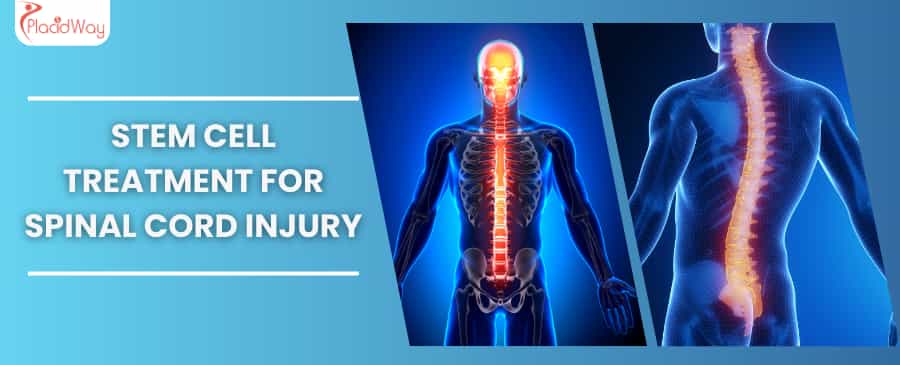
Regaining Hope: Exploring Stem Cell Treatment for Spinal Cord Injury
A spinal cord injury (SCI) can be a life-altering event, profoundly impacting mobility, sensation, and overall independence. For many, it's a journey marked by physical challenges, emotional adjustments, and a constant search for pathways to recovery. While traditional rehabilitation plays a crucial role, advancements in regenerative medicine are opening new doors, with stem cell treatment for spinal cord injury emerging as a beacon of hope.
This innovative approach leverages the unique capabilities of stem cells to repair damaged neural tissue, reduce inflammation, and promote neurological regeneration. Patients and their families often search for "new treatments for paralysis" or "how to heal spinal cord injury," and stem cell therapy addresses these core needs by aiming to restore function and improve the quality of life.
Whether you're experiencing symptoms like loss of sensation, muscle weakness, or paralysis following an accident, or dealing with the long-term effects of an SCI, understanding the potential of stem cell treatment is vital. This guide delves into what stem cell therapy entails, who might benefit, and what to consider, especially for those exploring options like medical tourism for stem cell treatment abroad.
What are the common symptoms of a spinal cord injury?
The impact of a spinal cord injury varies significantly based on its location (cervical, thoracic, lumbar, sacral) and severity (complete or incomplete). Common spinal cord injury symptoms often include:
- Loss of movement (paralysis): This can range from weakness to complete inability to move limbs below the injury level. Patients often search for "symptoms of paralysis after accident."
- Loss or altered sensation: Reduced ability to feel heat, cold, and touch. This might include numbness or tingling.
- Loss of bowel or bladder control: This is a common and often challenging symptom, impacting daily life.
- Exaggerated reflex activities or spasms (spasticity): Involuntary muscle contractions that can be painful and debilitating.
- Changes in sexual function, sensitivity, and fertility: Significant impacts are common.
- Pain or intense stinging sensation: Neuropathic pain can be severe and chronic.
- Difficulty breathing, coughing, or clearing secretions: Especially with higher cervical injuries.
Recognizing these signs of SCI is the first step toward seeking appropriate medical attention and exploring treatment options, including innovative therapies like stem cells.
What causes spinal cord injuries and who is at risk?
Spinal cord injuries typically result from sudden, traumatic impacts to the spine, but they can also develop due to non-traumatic conditions. Understanding the causes of SCI helps in prevention and identifying at-risk populations:
Traumatic Causes:
- Motor vehicle accidents: The leading cause globally, accounting for nearly half of new SCIs each year. People often search for "spinal injury from car crash."
- Falls: Especially common in older adults, accounting for about 31% of SCIs.
- Acts of violence: Gunshot wounds and stab wounds contribute significantly.
- Sports and recreation injuries: High-impact sports, especially diving into shallow water, can lead to serious spinal trauma.
Non-Traumatic Causes:
- Tumors: Cancers that grow within or compress the spinal cord.
- Infections: Abscesses or inflammatory conditions.
- Degenerative diseases: Conditions like spinal stenosis, arthritis, or disc herniation that can gradually compress the spinal cord.
- Vascular malformations: Abnormal blood vessels that can bleed into the spinal cord.
Who is at Risk?
- Males: Account for about 80% of SCIs.
- Young adults: Particularly those aged 16-30, often due to high-risk behaviors.
- Older adults: Prone to falls and degenerative conditions.
- Individuals with pre-existing spinal conditions: Such as spinal stenosis or osteoporosis.
While prevention is key, for those who have sustained an injury, exploring advanced treatments like stem cell therapy offers new avenues for recovery and managing the long-term effects of paralysis.
How does stem cell treatment for spinal cord injury work?
Stem cell therapy represents a paradigm shift in treating spinal cord injuries, moving beyond symptom management to target the underlying cellular damage. The fundamental principle revolves around the unique properties of stem cells:
- Self-renewal: They can divide and make more copies of themselves.
- Differentiation: They can develop into many different types of cells, including nerve cells (neurons), glial cells (which support neurons), and other connective tissues.
When transplanted into an injured spinal cord, these cells (often mesenchymal stem cells (MSCs) from bone marrow or fat, or neural stem cells) can contribute to healing through several mechanisms:
- Anti-inflammatory effects: Stem cells secrete powerful anti-inflammatory molecules that reduce swelling and secondary damage following the initial injury. This is crucial for creating a more hospitable environment for repair.
- Neuroprotection: They release growth factors and other signaling molecules that help protect existing nerve cells from further damage and degeneration.
- Angiogenesis: Stem cells can promote the formation of new blood vessels, improving blood supply to the injured area, which is vital for tissue repair and nutrient delivery.
- Immunomodulation: They can modulate the immune response, preventing the body from further attacking damaged tissue.
- Regeneration and remyelination: In some cases, especially with neural stem cells, they may differentiate into new neurons or oligodendrocytes (cells that produce myelin, the protective sheath around nerve fibers), helping to bridge gaps in the damaged cord and restore nerve signal transmission. This is often what patients hope for when searching "how stem cells heal SCI."
The cells are typically administered via direct injection into the spinal cord, intrathecal injection (into the fluid surrounding the spinal cord), or intravenously. The goal is to maximize their therapeutic effect at the site of injury, offering a holistic approach to spinal cord regeneration.
Who is eligible for stem cell therapy for spinal cord injury?
Determining eligibility for stem cell treatment for SCI is a complex process that requires a thorough medical evaluation by specialists. While each clinic may have slightly different criteria, common factors considered include:
- Type of Injury: Patients with incomplete spinal cord injuries (where some motor or sensory function below the injury level is preserved) are often considered better candidates than those with complete injuries.
- Time Since Injury: Some protocols prioritize patients within a certain window after injury (e.g., 6 months to 2 years), as stem cells may be more effective in the acute or subacute phases when inflammatory processes are active. However, chronic SCI patients are also treated.
- Overall Health: Candidates must be in generally good health, free from active infections, uncontrolled chronic diseases (like severe diabetes or heart conditions), and certain cancers.
- Age: While there isn't a strict age limit, younger patients may have better regenerative capacity.
- Severity of Injury: The specific neurological deficit and remaining function are crucial.
- Rehabilitation Potential: A commitment to post-treatment rehabilitation is often essential for maximizing outcomes.
- Mental and Emotional Stability: Patients need to have realistic expectations and a strong support system.
It's crucial to understand that stem cell therapy is not a universal cure, and results can vary. A detailed consultation with a qualified medical team, including reviewing medical records and imaging (MRI, CT scans), is paramount to assess if you are a suitable candidate for stem cell therapy for paralysis.
What should I expect during recovery after stem cell treatment for SCI?
Recovery after stem cell treatment for SCI is a journey, not a destination, and it's essential to have realistic expectations. While some patients report significant improvements, others may experience more subtle changes. Here's what you can generally expect:
- Immediate Post-Procedure: You may experience mild discomfort at the injection site, but serious complications are rare. A short observation period in the clinic is usually required.
- Gradual Improvements: The regenerative effects of stem cells are not instantaneous. Improvements typically manifest gradually over several weeks to months, and sometimes even longer. This is why patients searching "recovery from stem cell SCI" should anticipate a sustained effort.
- Intensive Rehabilitation: Stem cell therapy is rarely a standalone treatment. It works best when combined with rigorous physical, occupational, and sometimes speech therapy. This "rehabilitation after stem cell therapy" helps retrain the nervous system and strengthen muscles.
- Potential Areas of Improvement:
- Sensory Function: Increased sensation to touch, temperature, or pressure.
- Motor Function: Increased strength, improved muscle control, or reduced spasticity.
- Autonomic Function: Better bladder and bowel control, improved sexual function, or regulation of blood pressure.
- Pain Management: Reduction in neuropathic pain.
- Monitoring and Follow-up: Regular follow-up appointments with your medical team are crucial to monitor progress and adjust rehabilitation plans.
It's important to understand that recovery will be highly individualized. Some patients might regain significant function, while others may experience more modest, but still meaningful, improvements that enhance their daily life. Patience, persistence, and a dedicated rehabilitation program are key to maximizing potential outcomes.
What are the potential risks and side effects of stem cell therapy for SCI?
Like any medical procedure, stem cell treatment for SCI carries potential risks and side effects, though serious complications are rare, especially when performed in reputable, accredited clinics using established protocols with adult stem cells. Patients often search for "dangers of stem cell treatment SCI" or "stem cell therapy side effects" to understand these possibilities.
Potential Risks and Side Effects:
- Infection: Any invasive procedure carries a risk of infection at the injection site or, more rarely, within the spinal fluid. This risk is minimized through sterile techniques.
- Bleeding or Bruising: At the site where stem cells are harvested (e.g., bone marrow) or injected.
- Nerve Damage: In extremely rare cases, the injection itself could potentially cause temporary or permanent nerve damage.
- Immune Reaction/Rejection: If allogeneic (donor) cells are used, there's a small risk of immune rejection, though MSCs are known for their immunomodulatory properties. This risk is virtually eliminated with autologous (patient's own) cells.
- Headache/Nausea: Particularly after intrathecal injections, similar to what can occur after a lumbar puncture.
- Tumor Formation (Teratomas): This is a highly discussed but very rare risk, primarily associated with the use of embryonic stem cells or induced pluripotent stem cells (iPSCs) that are not fully differentiated. Adult mesenchymal stem cells, commonly used for SCI, have a very low, if any, demonstrated risk of tumor formation in clinical settings.
- Insufficient Efficacy: The treatment might not yield the desired improvements, which can be a significant emotional and financial risk.
It's crucial to discuss all potential risks with your medical team before undergoing treatment. Choosing an experienced and reputable clinic that adheres to strict safety protocols is the best way to mitigate these risks and ensure the highest standards of care.
How much does stem cell treatment for spinal cord injury cost worldwide?
The cost of stem cell treatment for spinal cord injury is a major consideration for many patients, especially since it is often not covered by traditional insurance in many countries. The price can vary widely based on several factors, including:
- Country and Clinic: Different healthcare economies and clinic reputations impact pricing.
- Type of Stem Cells: Autologous (patient's own) vs. Allogeneic (donor) cells, and the specific cell source (e.g., bone marrow, adipose tissue).
- Number of Injections/Cycles: A single treatment vs. a series of treatments.
- Included Services: Whether the package includes diagnostics, consultation fees, accommodation, transportation, and post-treatment rehabilitation.
- Technology Used: Advanced processing and administration techniques can influence cost.
Here’s an approximate cost comparison for stem cell therapy for SCI in popular medical tourism destinations (prices are estimates and can fluctuate):
| Country | Estimated Cost Range (USD) | Key Factors Influencing Cost |
|---|---|---|
| USA | $20,000 - $100,000+ | High healthcare costs, advanced technology, extensive clinical trials. Often not FDA-approved outside of trials. |
| Mexico | $7,000 - $25,000+ | More affordable, growing number of specialized clinics, popular for US patients seeking value. |
| Germany | $15,000 - $40,000+ | High standards, strong regulatory framework, often comprehensive packages. |
| India | $5,000 - $15,000+ | Very competitive pricing, experienced doctors, growing medical tourism infrastructure. |
| Thailand | $8,000 - $20,000+ | Affordable luxury, excellent patient care, and modern facilities. |
When considering the "cost of stem cell therapy SCI abroad," remember to factor in travel, accommodation, and post-treatment care. Consulting with a medical tourism facilitator like PlacidWay can help you get transparent quotes and compare packages effectively.
Why consider traveling abroad for spinal cord injury stem cell treatment?
For many individuals with spinal cord injuries, exploring treatment options abroad has become a viable and attractive alternative. The decision to pursue medical tourism for SCI stem cell treatment is often driven by several compelling factors:
- Cost Savings: As seen in the table above, the cost of stem cell therapy in countries like Mexico, India, or Thailand can be significantly lower than in the US or Western Europe, often by 50% or more, making advanced treatment more accessible. Patients actively search for "affordable stem cell treatment."
- Access to Innovative Therapies: Some countries have more progressive regulatory environments for stem cell research and application, meaning certain treatments or protocols may be available abroad sooner or more widely than in one's home country.
- Reduced Wait Times: In many healthcare systems, specialized treatments can involve long waiting lists. Traveling abroad often allows for quicker access to care, which can be crucial for conditions like SCI where timely intervention might be beneficial.
- Privacy and Anonymity: For some, undergoing treatment away from home provides a sense of privacy and the opportunity to focus solely on recovery without local pressures.
- Specialized Clinics and Expertise: Certain clinics abroad have developed a strong reputation and deep expertise in specific stem cell applications, including SCI, attracting patients worldwide.
- Comprehensive Packages: Many international clinics offer all-inclusive packages that cover treatment, accommodation, local transport, and even rehabilitation, simplifying the logistical burden.
The choice to travel is deeply personal, but for those seeking advanced, potentially life-changing treatment for SCI, the global landscape offers a broader array of choices and opportunities.
What should I expect when traveling for stem cell treatment abroad?
Embarking on a journey for medical treatment abroad requires careful planning and preparation. Here’s a general outline of what to expect when undertaking medical travel for stem cell therapy:
- Initial Consultation and Planning:
- Research: Identify reputable clinics and destinations.
- Medical Records Review: Share your complete medical history, imaging (MRI/CT), and physician reports with prospective clinics for eligibility assessment.
- Teleconsultation: Have virtual meetings with the medical team to discuss the treatment plan, risks, benefits, and expectations.
- Logistics: Plan travel dates, obtain necessary visas, book flights and accommodation. A medical tourism facilitator like PlacidWay can assist significantly with this.
- Arrival and Pre-Treatment:
- Airport Pickup: Many clinics or facilitators arrange airport transfers.
- On-site Consultation & Diagnostics: Further in-person consultations, physical exams, and diagnostic tests (blood work, imaging) to confirm the treatment plan.
- Language Support: Ensure there's adequate English-speaking staff or a translator if needed.
- The Treatment Period:
- Procedure: Undergo the stem cell harvesting (if autologous) and administration, which typically involves injections.
- Monitoring: Post-procedure monitoring to ensure stability.
- Initial Recovery: A period of rest and initial rehabilitation, which might be provided by the clinic itself or a partner facility.
- Post-Treatment and Departure:
- Rehabilitation: Depending on your package, you may stay longer for intensive physical therapy.
- Follow-up Instructions: Receive detailed instructions for at-home care, medication, and future follow-up.
- Return Travel: Arrange your journey home, ensuring you're fit for travel.
Using a trusted medical tourism company like PlacidWay can greatly simplify this process, providing guidance, coordinating logistics, and connecting you with accredited clinics, so you can focus on your health and recovery.
How can I ensure safety and quality when choosing a clinic abroad?
Ensuring safety and quality is paramount when considering stem cell treatment for SCI abroad. With the growing popularity of medical tourism, it's crucial to distinguish between reputable providers and those that may offer unproven or unsafe treatments. Here's how to safeguard your health:
- Accreditation and Licensing: Look for clinics accredited by international bodies (e.g., JCI - Joint Commission International) or recognized national health organizations. This signifies adherence to high standards of care and safety.
- Doctor Qualifications and Experience: Verify the credentials of the treating physicians. Are they board-certified specialists in relevant fields (neurology, regenerative medicine)? How much experience do they have with stem cell therapy for SCI specifically?
- Treatment Protocols and Cell Sourcing: Inquire about the specific type of stem cells used (e.g., autologous mesenchymal stem cells from bone marrow/fat are generally considered safer), how they are processed, and the administration methods. Avoid clinics offering "miracle cures" with vague explanations.
- Transparency and Communication: A reputable clinic will be open and honest about potential outcomes, risks, and realistic expectations. They should provide clear, detailed treatment plans and answer all your questions comprehensively.
- Patient Testimonials and Reviews: Seek out genuine patient experiences and testimonials. While individual results vary, consistent positive feedback about professionalism, care, and safety is a good indicator.
- Infrastructure and Technology: Assess the clinic's facilities. Are they modern, clean, and equipped with the necessary technology for diagnostics, cell processing, and emergency care?
- Medical Tourism Facilitators: Engaging a trusted facilitator like PlacidWay can provide an invaluable layer of vetting. We partner only with thoroughly screened, high-quality clinics and can help you navigate the complexities of international treatment safely.
Your health is your most valuable asset. Take the time to do your due diligence and choose a clinic that prioritizes patient safety and ethical medical practices.
What are patient success stories from abroad for SCI stem cell treatment?
While stem cell therapy for spinal cord injury is still an evolving field, numerous patient success stories from abroad offer compelling anecdotal evidence of its potential benefits. These stories often highlight improvements that significantly impact daily life, providing immense hope to those searching for "stem cell success stories SCI."
Common themes in patient testimonials and case studies from reputable international clinics include:
- Improved Sensory Function: Patients reporting a return of sensation in areas previously numb, or a reduction in neuropathic pain. For example, a patient from the US treated in Mexico might describe feeling touch in their feet again for the first time in years.
- Enhanced Motor Function: Regaining partial movement in fingers, toes, or limbs; improved balance; or the ability to make purposeful movements that were impossible before. A European patient treated in Asia might share how they can now transfer themselves with less assistance.
- Reduced Spasticity: A significant decrease in painful muscle spasms, leading to greater comfort and easier participation in physical therapy.
- Better Autonomic Control: Improvements in bladder and bowel control, often a major concern for SCI patients, leading to increased independence and dignity.
- Overall Quality of Life: Even subtle gains can translate into a substantial improvement in independence, psychological well-being, and participation in daily activities. Many stories emphasize renewed hope and a positive outlook.
It's important to remember that "success" is subjective and highly individual. While some patients experience dramatic changes, others find meaningful improvements in more subtle ways. These patient stories are powerful motivators and underscore the transformative potential of advanced regenerative treatments when combined with dedicated rehabilitation.
Take the Next Step with PlacidWay
Ready to explore treatment options abroad? Discover top clinics, compare prices, and get a free quote tailored to your needs with PlacidWay.
Stem Cell Therapy Abroad








.png)










Share this listing