


.png)
For international patients seeking a natural, long-lasting solution to facial aging, South Korea has emerged as the global gold standard. Unlike traditional surface-level treatments, the SMAS Facelift in South Korea targets the deeper structural layers of the face, restoring youthful contours without the "pulled" or "windblown" look often associated with older techniques. With Seoul's reputation as the beauty capital of the world, patients have access to board-certified surgeons who specialize in high-precision facial anatomy.
Choosing to undergo a facelift in Seoul or Gangnam offers more than just aesthetic excellence; it provides access to cutting-edge medical infrastructure and comprehensive aftercare packages at a fraction of Western costs. Whether you are looking to address jowls, deep nasolabial folds, or loss of volume, Korean medical centers combine artistic sensibility with surgical rigour to turn back the clock effectively and safely.
Key Takeaways: SMAS Facelift in Korea
South Korea's approach to the SMAS facelift integrates advanced surgical technology with holistic post-operative care, ensuring faster recovery and superior results.
- Cost Efficiency: Save 40% to 60% compared to the US, Australia, or UK, with packages often including airport transfers and deswelling treatments.
- Advanced Technique: Surgeons utilize the "High-SMAS" method to lift both the mid-face and lower face for a harmonious, natural outcome.
- Comprehensive Care: Packages typically include 1-2 nights of hospitalization, specialized pumpkin juice (for swelling), and LED light therapy.
- Price Range: Average costs range from $6,000 to $12,000 USD, depending on clinic reputation and procedure complexity.
- Safety Standards: Top facilities are JCI-accredited and feature CCTV in operating rooms to ensure transparency and safety.
What is a SMAS Facelift?
Targeting the structural foundation of the face for results that look natural and last over a decade.
The Superficial Musculo-Aponeurotic System (SMAS) is a layer of tissue deep within the skin and subcutaneous fat that envelops the muscles of the face and neck. As we age, this layer weakens and sags, leading to jowls, loose neck skin, and deep creases. A SMAS facelift goes beyond merely tightening the top layer of skin; it surgically lifts and tightens this underlying muscle layer.
By securing the SMAS layer in a higher, more youthful position, surgeons can trim excess skin without placing tension on the incision lines. This is the secret to the "invisible scar" and natural expression that Korean plastic surgery is famous for. The procedure addresses the lower two-thirds of the face, effectively correcting sagging cheeks, jawline definition, and neck laxity simultaneously.
South Korea performs the highest number of plastic surgeries per capita globally. This immense volume means that a top surgeon in Gangnam may perform hundreds of facelifts annually, refining their technique to a level of mastery that ensures shorter surgery times and reduced risk of complications.
Why Choose South Korea for Facial Rejuvenation?
Combining world-class medical infrastructure with an aesthetic philosophy centered on harmony and balance.
South Korea is not just a hub for K-Pop; it is a serious medical powerhouse. Clinics in Seoul are equipped with 3D CT scanners and facial nerve monitoring systems that allow for precise preoperative planning. The Korean aesthetic philosophy prioritizes distinct but natural changes—aiming to make you look like a "refreshed" version of yourself rather than a different person entirely.
Furthermore, the medical tourism infrastructure is seamless. Many JCI-accredited hospitals have dedicated international centers with English, Russian, Chinese, and Arabic coordinators who handle everything from visa assistance to post-op shopping trips. The competitive nature of the market in Korea drives innovation, leading to the adoption of less invasive techniques and better scar management protocols.
"Korean surgeons frequently employ the 'High-SMAS' technique, which releases the SMAS layer higher up near the cheekbone. This modification allows for a significant lift of the mid-face and malar (cheek) fat pads, addressing the 'flat' look of aging that traditional low-SMAS lifts often miss. This comprehensive approach is a key reason patients travel to Korea for anti-aging surgery."
Step-by-Step Treatment Journey
A typical 14-day itinerary designed to ensure your safety and optimal healing before flying home.
1. Arrival & Consultation (Days 1-2)
Upon arriving at Incheon International Airport, you are often greeted by a clinic driver. Your initial consultation involves a 3D facial scan and a detailed discussion with your surgeon. You will review the incision placement (usually hidden in the hairline and around the ear) and expected outcomes. Pre-operative blood work and ECGs are conducted to ensure you are fit for general anesthesia.
2. Surgery Day (Day 3)
The procedure typically lasts 3 to 4 hours under general anesthesia. Afterward, you will likely stay overnight in the hospital for monitoring. Your head will be wrapped in a compression bandage to minimize swelling, and drains may be placed to prevent fluid collection (these are usually removed the next day).
3. Recovery & Deswelling (Days 4-7)
This is the peak swelling period. You will visit the clinic for check-ups, drain removal, and cleaning of incision sites. Top clinics in Seoul provide complementary deswelling treatments during this phase, including hyperbaric oxygen therapy and Healite LED treatments to accelerate tissue repair.
4. Suture Removal & Departure (Days 7-14)
Stitches in front of the ear are typically removed around day 7, while staples or sutures in the hairline are removed around day 10-14. Once the final check-up clears you, you are free to fly home. Most patients spend this time exploring light cultural activities in the city, wearing a hat and sunglasses.
Detailed Cost Comparison: SMAS Facelift
Analyzing the value proposition of Korean medical tourism against global competitors.
While cost should not be the only factor, the financial advantage of choosing South Korea is undeniable. Below is a comparison of average prices for a standard SMAS facelift. Note that prices can vary based on the complexity of the case (e.g., revision surgery) and the surgeon's seniority.
| Country | Average Price (USD) | Inclusions | Typical Stay |
|---|---|---|---|
| USA | $19,000 - $35,000 | Surgery only (Facility fees extra) | Outpatient |
| United Kingdom | $13,000 - $22,000 | Surgery & Anesthesia | 1 Night |
| South Korea | $6,000 - $12,000 | Surgery, Labs, Deswelling Care, Transfers | 10-14 Days |
| Thailand | $5,000 - $9,000 | Surgery & Hospital Stay | 10-12 Days |
| Turkey | $4,000 - $7,000 | All-inclusive (Hotel + Surgery) | 7-10 Days |
Recovery & Aftercare Protocols
Accelerated healing through dedicated Korean post-operative care systems.
The recovery from a SMAS facelift is a journey. Initial tightness and numbness are normal. The most uncomfortable phase is the first 72 hours, after which swelling begins to subside. Korean clinics are unique in their aggressive approach to managing downtime. You will likely be prescribed specific medication kits and given instructions on diet (often involving pumpkin juice or porridge to reduce bloating).
Patients are advised to sleep with their head elevated at a 45-degree angle for at least two weeks. While you can walk around and engage in light activities immediately, strenuous exercise and hair dyeing must be avoided for at least one month. The "social downtime"—the point where you feel comfortable being seen in public with light makeup—is typically around 2 to 3 weeks.
International patients in South Korea are eligible for a VAT Tax Refund (approximately 7-8% of the surgical cost). This refund can be claimed at the airport kiosk upon departure, effectively covering the cost of your flight or accommodation. Ensure you get the tax refund receipt from your clinic's international desk.
Expert Insight: Finding a Safe Clinic
Navigating the crowded market of Seoul's Plastic Surgery Street.
With hundreds of clinics in the Gangnam district alone, safety must be your priority. Look for hospitals that carry JCI (Joint Commission International) accreditation or KAHF (Korean Accreditation Program for Hospitals Serving Foreign Patients). These certifications ensure rigorous standards for anesthesia safety, sterilization, and emergency protocols.
"Transparency is a major focus in modern Korean medical tourism. Many top-tier clinics now offer CCTV in the operating room to assure patients that the board-certified surgeon they consulted with is the exact person performing the procedure. This 'real-name surgery' policy protects against the rare practice of shadow doctors and ensures accountability."
Frequently Asked Questions
Answers to the most common queries regarding facelift surgery in Korea.
1. How much does a SMAS facelift cost in South Korea?
The cost of facelift in South Korea varies by clinic tier and package inclusions.
The average price is between $6,000 and $12,000 USD. Premium clinics with university-level safety standards may charge more, while smaller specialized clinics might offer lower rates. Always check if anesthesia and post-op care are included.
2. What is the difference between SMAS and Deep Plane facelifts?
It comes down to depth and ligament release.
A SMAS lift separates the skin from the muscle layer and tightens them individually. A Deep Plane lift goes deeper, releasing retaining ligaments to move muscle and fat as one unit. Deep Plane is often better for severe aging, while SMAS is excellent for moderate sagging.
3. How long do I need to stay in Korea?
Plan for suture removal and safety checks.
A stay of 10 to 14 days is recommended. This allows enough time for the surgeon to remove all stitches, monitor for any fluid buildup, and ensure incision lines are healing correctly before you board a long-haul flight.
4. Will I have visible scars?
Incisions are designed to be hidden.
Incisions are placed inside the hairline and trace the natural curves of the ear (often behind the tragus). Once healed (usually after 6-12 months), they fade significantly and are difficult to detect, even with short hair.
5. Is the procedure painful?
Discomfort is managed with medication.
The surgery itself is painless due to anesthesia. Post-op, patients report a sensation of tightness and soreness rather than acute pain. Prescribed painkillers effectively manage this for the first few days.
6. Can I combine a facelift with other surgeries?
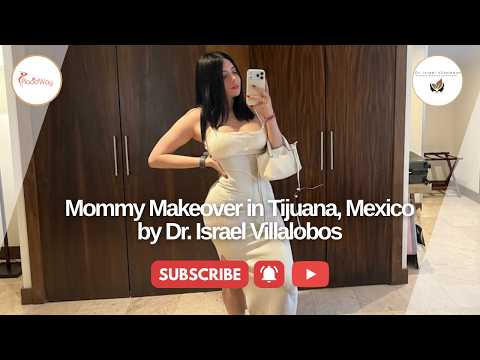
Yes, "Mommy Makeovers" or full-face packages are common.
It is very common to combine a SMAS lift with upper/lower blepharoplasty (eyelid surgery), neck liposuction, or fat grafting to the forehead. Combining procedures saves on anesthesia fees and recovery time.
7. What is the best age for a SMAS facelift?
It depends on skin laxity, not just biological age.
Most patients are between 45 and 65. However, younger patients with premature aging or weight-loss-related sagging may also benefit. If skin elasticity is very poor, results may be limited, but a surgeon will assess this during consultation.
8. Are there risks of nerve damage?
Rare, but possible with any facial surgery.
Temporary numbness is common. Permanent nerve damage is extremely rare (less than 1%) when performed by a board-certified specialist familiar with facial anatomy. Korean clinics often use nerve monitoring devices to further minimize this risk.
9. Do Korean doctors speak English?
Top international clinics have full interpretation staff.
While the surgeon may speak basic or intermediate English, reputable medical tourism hospitals provide dedicated medical interpreters who stay with you during consultations and surgery to ensure perfect communication.
Ready to Rejuvenate Your Look in Seoul?
Don't navigate the world of medical tourism alone. PlacidWay partners with South Korea's top-rated, JCI-accredited plastic surgery centers to bring you safe, affordable, and transformative SMAS facelift packages.
Get a personalized treatment plan, compare quotes from leading surgeons, and secure your medical journey with confidence.
Get a Free Quote for Facelift in Korea.png)
.jpg)

.jpg)


.jpg)








Share this listing