
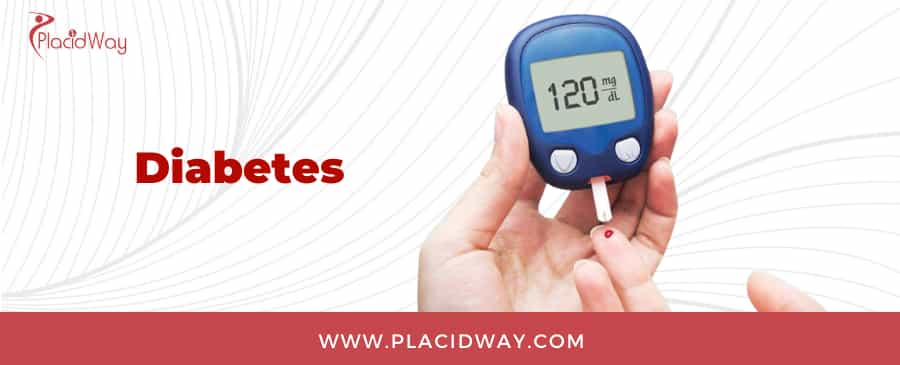
Reclaim Your Health: Understanding & Managing Diabetes with Global Care Options
Living with diabetes can feel like a constant balancing act. Whether you're newly diagnosed, seeking to better manage your condition, or exploring advanced treatment options, understanding diabetes is the first step towards a healthier future. Diabetes is a chronic metabolic disease characterized by high blood sugar levels (glucose), which over time leads to serious damage to the heart, blood vessels, eyes, kidneys, and nerves if left unmanaged.
You might be searching for "early signs of diabetes," "how to lower blood sugar," "new diabetes treatments," or even "can diabetes be cured?" These are crucial questions, and you're not alone. Globally, millions are impacted, and many are now looking beyond their borders for specialized, high-quality, and often more affordable diabetes care, management programs, and even surgical interventions like bariatric surgery which can lead to Type 2 diabetes remission.
This comprehensive guide aims to demystify diabetes, exploring its various facets from symptoms and causes to the array of treatment options available. We'll delve into why patients worldwide are considering medical tourism for diabetes management, comparing costs, highlighting top destinations, and addressing your most pressing concerns about traveling for care. Our goal is to empower you with the knowledge to make informed decisions and embark on a path to better health, wherever that journey may take you.
What are the Symptoms of Diabetes? Recognizing the Warning Signs
Diabetes symptoms can often be subtle, especially in the early stages, leading many to overlook them until the condition progresses. Recognizing these warning signs is crucial for early diagnosis and intervention. Pay attention to your body for any of the following:
- Frequent Urination (Polyuria): Your kidneys work overtime to filter and absorb excess sugar. When they can't keep up, the sugar is excreted in your urine, taking fluids from your tissues and causing increased urination.
- Increased Thirst (Polydipsia): As you urinate more, your body loses fluids, leading to dehydration and intense thirst. You might find yourself drinking more than usual.
- Extreme Hunger (Polyphagia): Despite eating, your cells aren't getting the glucose they need for energy, prompting your body to signal hunger.
- Unexplained Weight Loss: Even if you're eating more, your body may start breaking down muscle and fat for energy due to insufficient insulin or insulin resistance.
- Fatigue and Weakness: When your cells can't access glucose for energy, you may feel constantly tired and sluggish.
- Blurred Vision: High blood sugar levels can draw fluid from the lenses of your eyes, affecting your ability to focus.
- Slow-Healing Sores or Frequent Infections: High blood sugar impairs your immune system and affects blood flow, making wounds heal slowly and increasing susceptibility to infections (skin, gums, bladder).
- Tingling or Numbness in Hands or Feet: Known as neuropathy, this is often a symptom of nerve damage due to prolonged high blood sugar.
If you notice any of these "diabetes warning signs," it's vital to consult a healthcare professional for testing. Early diagnosis and management can significantly reduce the risk of serious complications.
What Causes Diabetes and Who is at Risk?
Diabetes isn't a single condition; it's a group of diseases characterized by problems with insulin, a hormone produced by the pancreas that allows sugar (glucose) to enter cells for energy. Understanding "what causes high blood sugar" helps in identifying risk factors.
- Type 1 Diabetes: This is an autoimmune disease where the body's immune system mistakenly attacks and destroys the insulin-producing cells (beta cells) in the pancreas. It's not linked to diet or lifestyle and often develops in children or young adults, though it can occur at any age. Genetic predisposition and environmental triggers are thought to play a role.
- Type 2 Diabetes: This is the most common form, accounting for 90-95% of all cases. It occurs when the body either becomes resistant to insulin (cells don't respond normally to insulin) or the pancreas doesn't produce enough insulin to maintain normal blood sugar levels. Risk factors include:
- Obesity or Overweight: A major risk factor, especially excess abdominal fat.
- Physical Inactivity: Lack of exercise contributes to insulin resistance.
- Genetics/Family History: Having a parent or sibling with Type 2 diabetes increases your risk.
- Age: Risk increases with age, especially after 45.
- Ethnicity: Certain ethnic groups have a higher prevalence.
- Gestational Diabetes History: Women who had diabetes during pregnancy are at higher risk.
- High Blood Pressure/Cholesterol: These often co-exist with Type 2 diabetes and increase risk.
- Gestational Diabetes: Occurs during pregnancy when the body can't make enough insulin. It usually resolves after childbirth but increases the mother's and child's risk of developing Type 2 diabetes later.
While Type 1 diabetes isn't preventable, Type 2 diabetes can often be prevented or delayed through healthy lifestyle choices, even if you have a genetic predisposition. Knowing "who is at risk for diabetes" empowers individuals to take proactive steps.
What are the Types of Diabetes Treatments Available?
The "best treatment for diabetes" depends heavily on the type of diabetes, its severity, and individual patient factors. Treatment aims to keep blood sugar levels within a target range to prevent complications.
- Lifestyle Management:
- Diet: A balanced diet low in processed sugars and refined carbohydrates, rich in fiber, fruits, vegetables, and lean proteins is fundamental for all types of diabetes.
- Exercise: Regular physical activity improves insulin sensitivity and helps manage weight.
- Weight Management: For Type 2 diabetes, losing even a small amount of weight can significantly improve blood sugar control and even lead to remission.
- Medications:
- Oral Medications: For Type 2 diabetes, these include drugs that stimulate insulin production, decrease glucose production by the liver, improve insulin sensitivity, or slow carbohydrate absorption. Examples: Metformin, Sulfonylureas, DPP-4 inhibitors, SGLT2 inhibitors.
- Injectable Medications (non-insulin): GLP-1 receptor agonists are a class of drugs that mimic natural hormones to lower blood sugar and can aid in weight loss.
- Insulin Therapy: Essential for Type 1 diabetes (as the body produces no insulin). Also used for Type 2 diabetes when oral medications are insufficient. Insulin can be administered via injections (pens, syringes) or insulin pumps.
- Advanced Therapies & Procedures:
- Bariatric Surgery: For severely obese individuals with Type 2 diabetes, procedures like Gastric Bypass or Sleeve Gastrectomy can lead to significant weight loss and often Type 2 diabetes remission, sometimes within days of surgery. This is a common reason for medical tourism.
- Pancreas Transplant / Islet Cell Transplantation: Primarily for Type 1 diabetes, these procedures aim to restore insulin production. They are complex and carry risks, often considered for patients with severe complications or those undergoing kidney transplants.
- Emerging Therapies: Research continues into stem cell therapy, smart insulin, and gene therapy, offering future hope for a cure. Many patients travel abroad for access to clinical trials or innovative treatments.
A personalized "diabetes management plan" is crucial, often involving a team of healthcare professionals including endocrinologists, dietitians, and diabetes educators.
Who is Eligible for Advanced Diabetes Management or Surgery Abroad?
Eligibility for specific diabetes treatments, especially those sought via medical tourism, depends on a few factors:
- Diagnosis Confirmation: You must have a confirmed diagnosis of Type 1 or Type 2 diabetes.
- Type 2 Diabetes & Bariatric Surgery:
- Generally, individuals with a Body Mass Index (BMI) of 40 or higher, or a BMI of 35-39.9 with significant obesity-related health problems (including Type 2 diabetes), are candidates.
- Some guidelines now consider bariatric surgery for those with a BMI 30-34.9 and poorly controlled Type 2 diabetes, especially if other treatments have failed.
- Patients must be committed to significant lifestyle changes and long-term follow-up.
- Type 1 Diabetes & Transplantation:
- Pancreas or islet cell transplantation is typically reserved for Type 1 diabetics with severe complications (e.g., kidney failure requiring transplant) or extreme difficulty managing blood sugar despite intensive insulin therapy.
- Patients must be able to adhere to a strict regimen of immunosuppressant drugs for life.
- Intensive Management Programs: Patients looking for comprehensive lifestyle interventions, specialized dietary coaching, or access to the latest medications might seek these abroad. Eligibility often involves a clear diagnosis and a willingness to commit to the program's intensity.
- Overall Health: Regardless of the specific treatment, patients should be in generally stable health, free of severe untreated cardiovascular disease or other conditions that would make travel or treatment risky.
- Realistic Expectations: Understanding that diabetes often requires ongoing management, even after surgery, is key. "Is there a cure for diabetes Type 2?" While remission is possible, it requires sustained effort.
A thorough medical evaluation by specialists is essential to determine the most appropriate and safe treatment path.
What is the Recovery Time and What Can I Expect from Diabetes Treatment?
Unlike an acute illness, "recovery" from diabetes is not about getting back to a pre-illness state, but rather about establishing effective long-term management and preventing complications. Expectations vary significantly based on the treatment approach:
- Lifestyle & Medication Management:
- Immediate Effects: Changes in diet and exercise can start lowering blood sugar within days or weeks. Medications also work relatively quickly to stabilize levels.
- Long-Term Expectation: This is a lifelong commitment. You'll need to monitor blood sugar regularly, adhere to dietary guidelines, exercise, and take medications as prescribed. The reward is improved energy, reduced risk of complications (like kidney disease, nerve damage, heart disease), and a better quality of life.
- Bariatric Surgery:
- Initial Recovery (Hospital Stay): Typically 2-4 days in the hospital.
- First Few Weeks Post-Op: You'll follow a liquid diet, gradually advancing to pureed and then soft foods. Fatigue is common. Most patients can return to light activities and work within 2-4 weeks.
- First 6-12 Months: Significant weight loss occurs. Blood sugar levels often normalize rapidly, sometimes before substantial weight loss. This is when Type 2 diabetes remission is most likely to be achieved. You'll work with a dietitian to learn new eating habits.
- Long-Term Expectation: Bariatric surgery is a tool, not a cure-all. It requires permanent changes to diet, exercise, and often vitamin supplementation. Regular follow-ups are crucial to monitor nutritional status and sustained weight loss. Many patients achieve long-term remission, but some may see diabetes return if lifestyle changes aren't maintained.
- Pancreas/Islet Cell Transplantation:
- Initial Recovery: Hospital stay can be several weeks. Recovery is intense due to major surgery and the need for immediate immunosuppressant therapy.
- Long-Term Expectation: The goal is insulin independence. However, this comes with lifelong immunosuppression, which carries its own risks (infections, certain cancers). Regular monitoring and adherence to medication are critical.
- Medication-Related Risks:
- Hypoglycemia (Low Blood Sugar): This is the most common risk, especially with insulin and some oral medications (e.g., sulfonylureas). Symptoms include shakiness, sweating, confusion, and can be dangerous if not treated promptly.
- Gastrointestinal Issues: Nausea, diarrhea, or stomach upset are common side effects of some oral medications like Metformin or GLP-1 agonists.
- Weight Gain: Some medications, particularly insulin and sulfonylureas, can lead to weight gain.
- Kidney/Liver Issues: Rare but possible side effects with certain diabetes drugs.
- Bariatric Surgery Risks:
- Immediate Surgical Risks: Infection, bleeding, adverse reaction to anesthesia, blood clots, leaks from the surgical site, and rarely, death.
- Long-Term Complications:
- Nutrient Deficiencies: Vitamin and mineral deficiencies (e.g., B12, iron, calcium, Vitamin D) are common and require lifelong supplementation.
- Dumping Syndrome: Especially after gastric bypass, rapid emptying of stomach contents into the small intestine, causing nausea, diarrhea, and dizziness.
- Gallstones: Rapid weight loss can increase risk.
- Hernias, Ulcers, Bowel Obstruction.
- Sagging Skin: A cosmetic concern for many after significant weight loss.
- Pancreas/Islet Cell Transplantation Risks:
- Surgical Risks: Similar to bariatric surgery, with added complexity due to organ transplantation.
- Immunosuppression: Lifelong use of anti-rejection medications to prevent the body from attacking the new organ. This significantly increases the risk of infections, kidney damage, and certain types of cancer.
- Graft Failure: The transplanted organ may not function or may stop functioning over time.
- Significant Cost Savings: As shown in the table above, the primary driver is often the substantial reduction in costs for procedures like bariatric surgery or comprehensive management programs, especially for those without adequate insurance coverage.
- Access to Advanced Treatments: Some countries offer quicker access to newer medications, clinical trials, or specialized programs not yet widely available or affordable in one's home country. This includes cutting-edge diabetes reversal programs.
- Reduced Waiting Times: In countries with universal healthcare systems, long waiting lists for specialist appointments or surgeries can delay critical care. Medical tourism can provide faster access.
- High-Quality Care and Expertise: Many international clinics and hospitals are accredited by international bodies (e.g., JCI) and boast highly skilled, English-speaking medical professionals trained in Western countries.
- Privacy and Anonymity: For some, undergoing treatment abroad offers a level of privacy not available at home.
- Comprehensive Packages: Many medical tourism providers offer all-inclusive packages covering treatment, accommodation, airport transfers, and sometimes even post-operative care, simplifying the process.
- Health & Wellness Retreat: Combining treatment with a recuperative vacation can be appealing, offering a chance to focus entirely on health in a relaxing environment.
- Mexico: Especially popular for bariatric surgery, Mexico offers world-class facilities near the U.S. border, making travel convenient for North Americans. Cities like Tijuana and Monterrey have a strong reputation for bariatric expertise.
- India: A powerhouse in medical tourism, India provides highly skilled doctors, advanced technology, and JCI-accredited hospitals at very competitive prices across a wide range of specialties, including endocrinology and bariatric surgery.
- Turkey: Known for its modern hospitals, experienced surgeons, and strategic location connecting Europe and Asia, Turkey offers excellent value for bariatric procedures and comprehensive medical check-ups including diabetes screening and management. Istanbul and Antalya are key medical tourism hubs.
- Thailand: A leader in wellness and medical tourism, Thailand combines high-quality medical care with renowned hospitality. Hospitals in Bangkok and Phuket offer state-of-the-art facilities and comprehensive diabetes care programs at attractive prices.
- Malaysia, Singapore, South Korea: While potentially slightly more expensive than the others, these countries also offer exceptionally high standards of care, cutting-edge technology, and strong reputations in medical treatment and research.
- Initial Research & Consultation: You'll start by researching potential clinics and destinations, often with the help of a medical tourism facilitator like PlacidWay. You'll submit your medical records for a remote consultation with the international medical team, who will assess your eligibility and propose a treatment plan and cost.
- Travel Arrangements: Once you decide, you'll coordinate flights, accommodation, and local transportation. Many facilitators offer packages that include these logistics. Ensure your passport is valid and check visa requirements.
- Pre-Treatment Evaluation: Upon arrival, you'll undergo thorough in-person evaluations, including blood tests, imaging, and consultations with your specialists, to confirm your treatment plan.
- Treatment/Procedure: This is the core of your trip. For bariatric surgery, you'll have the operation and typically spend a few days in the hospital. For management programs, you'll participate in educational sessions, dietary coaching, and receive medication adjustments.
- Post-Treatment Care & Recovery: After discharge (from surgery) or program completion, you'll typically stay in the country for a period of initial recovery or follow-up appointments. This allows the medical team to monitor your progress and ensure you're stable for travel.
- Return Home & Long-Term Follow-up: You'll return home with detailed instructions for ongoing care, including dietary guidelines, medication schedules, and rehabilitation exercises if applicable. You'll need to coordinate follow-up care with your local doctors.
- Choose Internationally Accredited Facilities: Look for hospitals accredited by organizations like the Joint Commission International (JCI). JCI accreditation signifies that a hospital meets rigorous international standards for patient safety and quality of care.
- Verify Doctor Credentials: Research the experience and qualifications of your treating physicians. Ensure they are board-certified, have extensive experience with diabetes management or the specific procedure you're seeking (e.g., bariatric surgery), and are fluent in English or have reliable interpreters.
- Read Patient Testimonials and Reviews: Seek out reviews from previous international patients. Websites like PlacidWay often feature patient stories and feedback.
- Utilize Reputable Medical Tourism Facilitators: Companies like PlacidWay have established networks of trusted clinics and can help vet providers, manage logistics, and advocate for you.
- Understand the Treatment Plan and Costs: Get a detailed breakdown of the entire treatment plan, including pre-op, actual procedure/program, post-op care, medications, and potential complications. Ensure all costs are transparent and what's included in any package.
- Plan for Post-Treatment Care: Discuss how follow-up care will be managed once you return home. Ensure your local doctor is willing to coordinate with your international team.
- Language and Cultural Barriers: Confirm that the medical team and support staff can communicate effectively in your language.
- Emergency Preparedness: Understand the emergency protocols of the hospital and clinic.
- Maria's Remission in Mexico: Maria, a 55-year-old from the U.S. with Type 2 diabetes and a BMI of 42, was struggling to manage her condition despite multiple medications. Faced with high costs and long waits for bariatric surgery at home, she chose a JCI-accredited clinic in Tijuana. Within months of her gastric sleeve surgery, she lost significant weight, and her blood sugar levels normalized. She is now off all diabetes medication and calls it "the best decision for my health."
- Rajesh's Intensive Program in India: Rajesh, 48, from the UK, was pre-diabetic and overwhelmed by lifestyle advice. He traveled to India for a two-week intensive diabetes management and wellness program. The program included personalized diet plans, daily exercise, stress management, and close medical supervision. He returned home with a comprehensive plan, continued positive habits, and reversed his pre-diabetes, feeling more energized and knowledgeable about his body.
- Sarah's Access to New Meds in Turkey: Sarah, 60, from Canada, had Type 2 diabetes and severe complications. Her local options were limited by cost and availability of a specific new injectable medication. She found a clinic in Turkey offering the medication as part of a comprehensive management plan at an affordable price. She saw a dramatic improvement in her blood sugar control and quality of life, extending her stay to fully integrate the new regimen.
Patients should always discuss "what to expect after diabetes diagnosis" and their specific treatment plan thoroughly with their medical team.
What are the Risks and Side Effects of Diabetes Treatments?
Every medical intervention carries potential risks and side effects. It's important to be aware of these when considering diabetes treatments, whether at home or abroad.
A thorough discussion with your medical team about "diabetes treatment side effects" is crucial to weigh the benefits against the potential risks.
Worldwide Cost Comparison for Diabetes Management and Treatment
One of the primary drivers for medical tourism is the potential for significant cost savings without compromising quality. The cost of diabetes management and specific treatments like bariatric surgery can vary dramatically across countries.
Estimated Cost Comparison Table (USD)
| Procedure/Program | USA/Western Europe | Mexico | India | Turkey | Thailand |
|---|---|---|---|---|---|
| Comprehensive Diabetes Management Program (e.g., 1-2 weeks intensive care, education, initial meds) | $5,000 - $15,000 | $2,000 - $6,000 | $1,500 - $5,000 | $2,500 - $7,000 | $2,500 - $7,000 |
| Gastric Sleeve Surgery (for Type 2 diabetes remission) | $15,000 - $30,000+ | $4,000 - $8,000 | $5,000 - $10,000 | $4,500 - $9,000 | $7,000 - $12,000 |
| Gastric Bypass Surgery (for Type 2 diabetes remission) | $20,000 - $40,000+ | $5,000 - $10,000 | $6,000 - $12,000 | $5,500 - $11,000 | $8,000 - $15,000 |
| Pancreas Transplant (if available; highly complex) | $100,000 - $200,000+ | N/A (Limited) | $30,000 - $60,000 | N/A (Limited) | N/A (Limited) |
As you can see, countries like Mexico, India, Turkey, and Thailand often offer the same high-quality procedures at a fraction of the cost, making "affordable diabetes treatment abroad" a viable option for many.
Why Consider Diabetes Treatment or Management Abroad?
Many patients are asking, "Should I travel abroad for diabetes care?" The reasons are compelling:
Which Countries Offer the Best Value for Diabetes Treatment Abroad?
When searching for "best hospitals for diabetes treatment abroad," certain destinations consistently stand out for their blend of quality, affordability, and experience with international patients:
These countries have robust medical tourism infrastructures, offering patient support services, language assistance, and transparent pricing.
What to Expect When Traveling Abroad for Diabetes Management or Surgery?
Embarking on a medical journey abroad requires careful planning. Here's a general overview of "what to expect for medical tourism":
Communication is key. Ensure you understand all aspects of your treatment plan, potential risks, and post-care instructions before, during, and after your trip.
How to Ensure Safety and Quality for Diabetes Treatment Abroad?
Patient safety and quality of care are paramount. Here's how to ensure you're making a safe choice when seeking "safe diabetes treatment abroad":
Taking these steps helps mitigate risks and ensures you receive the highest possible standard of care.
What are Patient Success Stories from Abroad for Diabetes Management?
The real impact of medical tourism for diabetes can be best understood through patient success stories. These accounts often highlight profound life changes and renewed hope:
These stories underscore the potential of medical tourism to provide not just treatment, but a pathway to significantly better health outcomes and a higher quality of life for individuals living with diabetes.
Take the Next Step with PlacidWay
Ready to explore treatment options abroad? Discover top clinics, compare prices, and get a free quote tailored to your needs with PlacidWay.
Alternative Chronic Health Therapies | Best Medical Centers Abroad




.png)
.jpg)

.png)




.png)
-(1).png)
.png)












Share this listing