
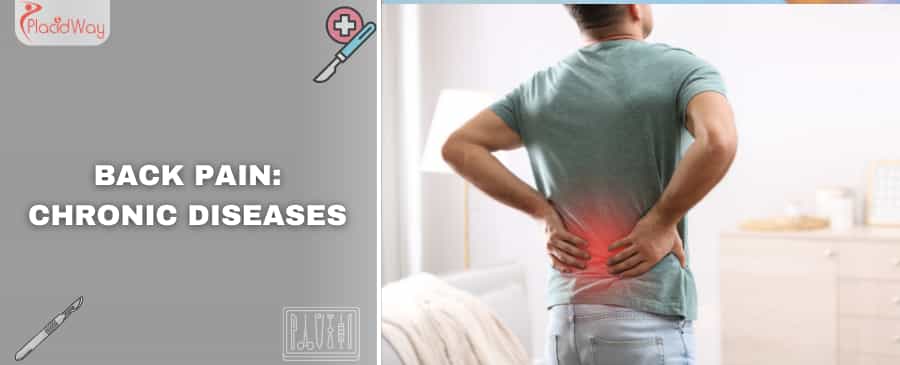
Finding Lasting Relief: Your Guide to Chronic Back Pain Treatment Abroad
Living with chronic back pain can feel like a constant battle, stealing your energy, limiting your activities, and dimming your quality of life. If you've been searching for answers to "why does my back hurt all the time?" or "how to fix chronic back pain," you're not alone. Millions globally experience persistent back discomfort, seeking effective solutions beyond temporary fixes.
Chronic back pain is defined as discomfort that lasts for three months or longer, often resistant to initial treatments. It's more than just an occasional ache; it's a condition that profoundly affects your ability to work, sleep, and enjoy everyday activities. From a dull, constant ache to sharp, shooting pains, its manifestations are varied, often accompanied by stiffness, numbness, or weakness in the legs.
The causes of this persistent pain are equally diverse, ranging from age-related degenerative changes like arthritis or disc herniation to injuries, poor posture, or underlying inflammatory conditions. Understanding the root cause is the first step towards finding effective relief. For many, traditional treatments might not offer the desired long-term results, leading them to explore innovative or more accessible options available through medical tourism.
This comprehensive guide is designed for individuals like you—those seeking profound, lasting relief from chronic back pain. We'll delve into the symptoms, causes, and various treatment approaches, including advanced therapies and surgical options. Crucially, we'll explore the thriving world of medical tourism, highlighting how seeking treatment abroad can provide access to world-class specialists, cutting-edge technologies, and often more affordable solutions, helping you move towards a pain-free future.
Symptoms of Chronic Back Pain: When Does Pain Become Persistent?
When does back pain cross the line from a temporary nuisance to a chronic condition? Typically, if your back discomfort persists for more than three months, it's considered chronic. Understanding its specific symptoms is crucial for accurate diagnosis and effective treatment. Many patients search for "what are the early signs of chronic back pain?" or "how to tell if my back pain is serious."
- Constant or Intermittent Ache: A persistent dull, throbbing, or burning sensation in your lower, middle, or upper back. This pain might fluctuate in intensity but rarely fully disappears.
- Sharp or Stabbing Pain: Often experienced with certain movements, activities, or positions, indicating potential nerve involvement or structural issues.
- Radiating Pain (Sciatica): Pain that travels down into the buttocks, legs, or feet, often associated with nerve compression in the spine. This can include tingling, numbness, or weakness.
- Stiffness and Reduced Flexibility: Difficulty moving your back, especially in the morning or after periods of inactivity. Many describe feeling "stuck."
- Numbness or Tingling: Sensations of "pins and needles" or a loss of feeling in specific areas, usually in the legs or feet, indicating nerve irritation.
- Weakness: Difficulty lifting objects, standing, or walking due to muscle weakness in the legs or feet.
- Pain Aggravated by Activity: Increased pain during activities like standing, walking, bending, or lifting, and sometimes relieved by rest.
If you experience any of these symptoms for an extended period, especially if they interfere with your daily life, it's time to seek medical evaluation. Early intervention can often prevent the condition from worsening.
Unraveling the Causes: Why Do I Have Chronic Back Pain?
Many patients frequently ask, "What is the main cause of chronic back pain?" or "why does my lower back hurt all the time?" The truth is, chronic back pain rarely has a single cause. It's often a complex interplay of structural issues, lifestyle factors, and sometimes even psychological elements. Understanding these factors is key to effective treatment.
Common Structural Causes:
- Degenerative Disc Disease: As we age, the discs between our vertebrae can dry out, shrink, and lose flexibility, leading to pain.
- Herniated or Bulging Discs: The soft inner material of a spinal disc can push out through a tear in its outer layer, compressing nearby nerves.
- Osteoarthritis: The breakdown of cartilage in the joints of the spine (facet joints) can lead to bone spurs and pain.
- Spinal Stenosis: Narrowing of the spinal canal, which can put pressure on the spinal cord and nerves.
- Spondylolisthesis: A condition where one vertebra slips forward over another.
- Sacroiliac Joint Dysfunction: Pain originating from the joint connecting the spine to the pelvis.
- Spinal Fractures: Often caused by osteoporosis or injury.
Lifestyle and Other Risk Factors:
- Obesity: Excess weight puts added stress on the spine.
- Poor Posture: Incorrect sitting, standing, or lifting habits can strain back muscles and ligaments.
- Lack of Exercise: Weak back and abdominal muscles cannot properly support the spine.
- Smoking: Reduces blood flow to the discs, accelerating degeneration and hindering healing.
- Stress and Depression: These psychological factors can exacerbate pain perception and muscle tension.
- Age: The risk of back pain generally increases with age due to natural wear and tear.
Exploring Treatment Options: What Are My Choices for Chronic Back Pain Relief?
The goal of chronic back pain treatment is to reduce pain, improve function, and enhance quality of life. Patients often search for "what is the best treatment for chronic back pain?" or "alternatives to back surgery." The approach is typically multi-faceted, starting with conservative options before considering more invasive procedures.
Conservative Treatments:
- Physical Therapy: A cornerstone of treatment, focusing on strengthening core muscles, improving flexibility, posture correction, and ergonomic training.
- Medications: Over-the-counter pain relievers (NSAIDs), muscle relaxants, nerve pain medications, and sometimes opioids for severe, short-term pain.
- Injections:
- Epidural Steroid Injections: Deliver anti-inflammatory medication directly to the area around the spinal nerves.
- Facet Joint Injections: Target the small joints between vertebrae.
- Nerve Blocks: Temporarily stop pain signals from specific nerves.
- Radiofrequency Ablation: Uses heat to disable nerves transmitting pain signals.
- Alternative Therapies: Acupuncture, chiropractic care, massage therapy, yoga, and meditation can offer relief for some individuals.
Minimally Invasive Procedures:
- Lumbar Decompression: Techniques like percutaneous discectomy or vertebroplasty/kyphoplasty for spinal compression or fractures.
- Spinal Cord Stimulation: Implants a device that sends mild electrical pulses to block pain signals.
- Intrathecal Pain Pumps: Delivers pain medication directly to the spinal fluid.
Surgical Interventions (considered when conservative treatments fail):
- Discectomy/Microdiscectomy: Removal of a herniated disc portion that is pressing on a nerve.
- Laminectomy: Removal of part of the vertebral bone (lamina) to relieve pressure on the spinal cord or nerves (often for spinal stenosis).
- Spinal Fusion: Fuses two or more vertebrae together to eliminate painful motion.
- Artificial Disc Replacement: Replaces a damaged disc with an artificial one, preserving more motion than fusion.
The best treatment plan is highly individualized and depends on the specific cause of your pain, its severity, and your overall health.
Am I a Candidate? Who Can Benefit from Chronic Back Pain Treatment?
Determining eligibility for various chronic back pain treatments is a critical step. Patients often wonder, "Who is eligible for back surgery?" or "When should I consider injections for back pain?" The decision is made by a specialist after a thorough evaluation.
General Criteria for Most Treatments:
- Persistent Pain: Pain lasting more than 3 months that significantly impacts daily activities, work, and quality of life.
- Clear Diagnosis: Imaging (MRI, X-ray, CT scan) and clinical examination confirming a specific structural cause for the pain (e.g., herniated disc, spinal stenosis, arthritis).
- Failed Conservative Treatments: Many treatments are considered after a course of non-surgical options (physical therapy, medications) has not provided adequate relief.
- Overall Health: Generally good health, without contraindications for procedures or anesthesia. Certain chronic conditions might affect eligibility.
- Realistic Expectations: Understanding that no treatment guarantees 100% pain relief, but aims for significant improvement in pain and function.
Specific Considerations:
- For Injections: Candidates typically have localized pain, nerve compression, or inflammation responsive to anti-inflammatory agents.
- For Minimally Invasive Procedures: May be suitable for those who need more than injections but aren't ready for major surgery, often with specific disc or nerve issues.
- For Surgery: Reserved for cases with severe, debilitating pain, neurological deficits (weakness, numbness), or spinal instability that hasn't responded to extensive non-surgical efforts. Conditions like severe spinal stenosis, significant disc herniation with nerve compression, or spondylolisthesis are common indicators.
A comprehensive consultation with a spine specialist or pain management doctor is essential to determine the most appropriate treatment path for your individual condition.
Recovery and Expectations: What Happens After Chronic Back Pain Treatment?
Understanding the recovery journey is vital for setting realistic expectations. Patients frequently ask, "How long is recovery after back surgery?" or "What should I expect after a spinal injection?" The timeline and requirements vary significantly depending on the type of treatment received.
Recovery from Conservative Treatments (PT, Medications, Injections):
- Injections: Immediate relief can occur, but it might take a few days for the full anti-inflammatory effect. Discomfort at the injection site is common for 1-2 days. Patients can usually resume light activities within 24 hours. The duration of relief varies, from weeks to months.
- Physical Therapy: An ongoing process, with noticeable improvements in pain and function often seen within 4-12 weeks. Consistency is key, and exercises often become part of a long-term self-management plan.
Recovery from Minimally Invasive Procedures:
- Timeline: Typically a few days to a few weeks. Patients may go home the same day or after a short hospital stay.
- Expectations: Less pain and faster return to daily activities compared to open surgery. Physical therapy is often prescribed to regain strength and flexibility. Full recovery can take 1-3 months.
Recovery from Spinal Surgery (e.g., Fusion, Laminectomy):
- Initial Phase (0-6 weeks): Hospital stay (1-5 days), significant pain management, limited mobility. Focus on rest, wound care, and gentle movement.
- Intermediate Phase (6 weeks - 6 months): Intensive physical therapy to regain strength, flexibility, and proper movement patterns. Gradual return to light activities.
- Long-Term (6-12+ months): Continued progress, with a full return to most normal activities. Some restrictions on heavy lifting or high-impact sports might be permanent.
Regardless of the treatment, adherence to post-procedure instructions, including physical therapy and activity restrictions, is crucial for optimal outcomes. Realistic expectations are key; while many find significant relief, some level of residual pain or discomfort might remain.
Understanding the Risks: Are There Side Effects to Back Pain Procedures?
Like any medical procedure, treatments for chronic back pain carry potential risks and side effects. It's important to discuss these thoroughly with your healthcare provider to make informed decisions. Many patients search for "what are the risks of spinal injections?" or "risks of back surgery."
General Risks (applicable to most invasive procedures):
- Infection: At the injection or incision site.
- Bleeding/Hematoma: Collection of blood outside blood vessels.
- Allergic Reaction: To anesthesia, contrast dye, or medications.
- Nerve Damage: Though rare, can lead to numbness, weakness, or increased pain.
- Blood Clots: Deep vein thrombosis (DVT) in the legs, which can potentially travel to the lungs.
- Anesthesia Risks: Reactions to sedatives or general anesthesia.
Specific Risks by Treatment Type:
- Epidural Steroid Injections: Temporary increase in pain, headaches, facial flushing, temporary increase in blood sugar for diabetics, dural puncture (leading to spinal fluid leak).
- Radiofrequency Ablation: Numbness, temporary increase in nerve pain, skin irritation at the probe site.
- Spinal Surgery (e.g., Laminectomy, Fusion, Discectomy):
- Failed Back Surgery Syndrome (FBSS): Persistent or new pain after surgery, often due to scar tissue, recurrent disc herniation, or incorrect diagnosis.
- Hardware Failure: For fusion, screws or rods can break or loosen.
- Pseudarthrosis: Failure of bones to fuse together after a fusion surgery.
- Spinal Cord or Nerve Root Injury: Leading to paralysis, loss of sensation, or bladder/bowel dysfunction (very rare but serious).
Your doctor will evaluate your individual risk factors and discuss them in detail, ensuring you understand the balance between potential benefits and risks.
Worldwide Cost Comparison: How Much Does Chronic Back Pain Treatment Cost Globally?
For many, the cost of chronic back pain treatment in their home country can be prohibitive, especially for complex procedures or long-term care. This is a primary driver for medical tourism, where significant savings can be found without compromising quality. Patients often search for "cost of laminectomy abroad" or "how much does disc replacement cost overseas."
Estimated Cost Comparison for Common Back Pain Treatments (USD):
| Procedure | USA/Western Europe (Estimate) | Medical Tourism Destination (Estimate) | Potential Savings |
|---|---|---|---|
| Epidural Steroid Injection (single) | $500 - $2,500 | $150 - $800 | Up to 70% |
| Radiofrequency Ablation | $3,000 - $10,000 | $1,000 - $4,000 | Up to 60-70% |
| Microdiscectomy | $15,000 - $40,000 | $5,000 - $15,000 | Up to 70% |
| Laminectomy | $20,000 - $50,000 | $7,000 - $20,000 | Up to 60-70% |
| Spinal Fusion (1 level) | $50,000 - $100,000+ | $15,000 - $40,000 | Up to 70%+ |
| Artificial Disc Replacement (1 level) | $30,000 - $70,000 | $10,000 - $25,000 | Up to 70% |
*Note: These are estimated ranges and can vary significantly based on the specific clinic, surgeon's fees, type of implant, length of hospital stay, and individual patient needs. They generally include the procedure, hospital stay, and surgeon fees but may not cover travel, accommodation, or extensive post-operative rehabilitation.
Why Consider Treatment Abroad? Unlocking Global Healthcare Advantages for Back Pain
The decision to travel abroad for medical treatment is significant, but for chronic back pain, the advantages can be compelling. Many patients are asking "is medical tourism safe for back pain?" or "why go overseas for back surgery?"
- Significant Cost Savings: As seen in the table above, the primary driver for medical tourism is often the dramatic reduction in treatment costs, sometimes saving 50-70% compared to Western countries.
- Access to Advanced Treatments and Technologies: Some countries excel in specific spine procedures or offer therapies that may not be readily available or approved in your home country.
- Shorter Wait Times: In countries with long public healthcare waiting lists, medical tourism provides quick access to necessary procedures, allowing for faster relief and recovery.
- World-Class Specialists and Facilities: Many international hospitals boast highly qualified, internationally trained surgeons and state-of-the-art medical technology, often with accreditations that match or exceed Western standards.
- Privacy and Anonymity: For some, undergoing treatment away from home offers a greater sense of privacy.
- Integrated Care Packages: Many medical tourism providers offer comprehensive packages that include treatment, accommodation, transportation, and even rehabilitation, simplifying the process.
- A Chance for a "Medical Vacation": Combining treatment with a relaxing recovery in a new cultural environment can positively impact the healing process.
Top Destinations: Which Countries Offer the Best Value for Back Pain Treatment?
When considering treatment abroad, several countries have emerged as leaders in medical tourism for spine and pain care, offering a blend of quality, affordability, and patient experience. Patients often inquire, "best countries for back surgery" or "affordable spinal fusion abroad."
- Mexico: Easily accessible for North Americans, Mexico offers highly skilled spine surgeons, JCI-accredited hospitals, and significantly lower costs for a wide range of back procedures, particularly in cities like Tijuana and Guadalajara.
- Turkey: A bridge between Europe and Asia, Turkey has invested heavily in modern healthcare infrastructure. Istanbul and Ankara feature numerous world-class hospitals with competitive pricing for advanced spine surgeries and rehabilitation.
- India: Known for its highly experienced doctors (many US/UK-trained), cutting-edge technology, and some of the lowest treatment costs globally. Major cities like Delhi, Mumbai, and Chennai are hubs for spine surgery.
- Thailand: Combining excellent medical facilities with renowned hospitality, Thailand is a popular choice, especially for those seeking rehabilitation and a recuperative environment. Bangkok is home to internationally recognized hospitals.
- Costa Rica: An emerging destination, particularly for North Americans, offering quality care in a beautiful, serene environment, often favored for less complex spine procedures and recovery.
- South Korea: A leader in medical innovation, South Korea boasts some of the most advanced diagnostic and treatment technologies in the world, with highly specialized spine centers, though typically at a higher price point than other Asian destinations.
When choosing a destination, research the specific clinics, surgeon credentials, patient reviews, and the level of post-operative care provided.
Navigating Your Journey: What to Expect When Traveling for Back Pain Treatment?
Embarking on a medical journey abroad requires careful planning. Knowing what to expect can ease the process and help you focus on your recovery. Many ask "how to plan medical travel for back pain" or "what to bring for overseas surgery."
Pre-Trip Planning:
- Initial Consultation: Most international hospitals or medical tourism facilitators offer virtual consultations. You'll share medical records, imaging (MRI, X-rays), and discuss your condition and treatment options.
- Quote and Plan: Receive a detailed treatment plan, including estimated costs, duration of stay, and an outline of the procedure.
- Travel Arrangements: Book flights and accommodation. Many clinics assist with this, offering package deals or recommendations for hotels.
- Visa and Documents: Ensure your passport is valid and check if a medical visa is required for your chosen destination.
- Medical Preparations: Follow any pre-operative instructions, such as dietary restrictions or medication adjustments.
During Your Stay:
- Arrival and Transfers: Often, airport pickup and transfers to your accommodation or the hospital are arranged.
- Pre-Operative Assessments: Comprehensive in-person evaluations, blood tests, and additional imaging to finalize the treatment plan.
- The Procedure: Undergo your chosen back pain treatment.
- Hospital Stay: Recover in the hospital, receiving medical care and pain management.
- Post-Operative Care & Rehabilitation: Depending on the procedure, you might stay in the country for a period of outpatient physical therapy or follow-up appointments.
Returning Home:
- Follow-up Plan: Receive clear instructions for post-operative care, medication, and rehabilitation upon your return.
- Coordination with Home Doctors: Your international medical team can often coordinate with your local doctors for continued care.
Packing light, having travel insurance, and ensuring all communication channels are open with your medical team are recommended.
How to Ensure Safety and Quality Abroad for Back Pain Treatment?
The concern for safety and quality is paramount when considering medical treatment abroad. Patients often ask, "Are overseas hospitals safe?" or "how to check doctor credentials abroad?" Here's how to ensure you receive top-tier care:
- Accreditation: Look for international accreditations such as Joint Commission International (JCI), ISO, or local equivalents that demonstrate adherence to global healthcare standards. JCI accreditation is a strong indicator of patient safety and quality.
- Surgeon Credentials and Experience: Verify the surgeon's qualifications, experience, board certifications, and specialization in spine surgery. Many top international surgeons have trained in Western countries. Ask about their success rates for your specific procedure.
- Facility Standards: Research the hospital's technology, cleanliness, and infrastructure. Are they equipped with modern operating rooms, intensive care units, and rehabilitation facilities?
- Patient Reviews and Testimonials: Read reviews from previous medical tourists. Websites like PlacidWay can provide aggregated patient feedback and clinic ratings.
- Transparent Communication: Ensure clear, consistent communication with the medical team, ideally in your native language, before, during, and after the procedure.
- Post-Operative Care Plan: Discuss the post-treatment care and follow-up plan, including rehabilitation and how your home doctor can receive updates.
- Medical Tourism Facilitators: Using a reputable facilitator can streamline the process, as they often vet clinics and doctors, assist with logistics, and provide patient support.
- Emergency Preparedness: Inquire about emergency protocols and what happens in the unlikely event of complications.
By taking these steps, you can significantly mitigate risks and enhance the likelihood of a successful and safe treatment journey.
Real Stories of Relief: What Are Patient Success Stories from Abroad?
Hearing about real-life experiences can be incredibly reassuring for those considering medical tourism. Countless individuals have found profound relief from chronic back pain by seeking treatment abroad. While specific personal details are confidential, the overarching themes of success stories are consistent:
- John from the USA: After years of debilitating sciatica and a long waitlist for surgery at home, John traveled to Mexico for a microdiscectomy. He reported significantly reduced pain within weeks and was able to return to his active lifestyle, saving over $20,000 in costs.
- Sarah from the UK: Frustrated with limited non-surgical options for her degenerative disc disease, Sarah opted for artificial disc replacement in Germany. She highlighted the advanced technique, personalized care, and a remarkable improvement in her mobility and quality of life, which she felt was unattainable domestically.
- Michael from Canada: Suffering from chronic lower back pain due to spinal stenosis, Michael chose Turkey for a laminectomy. He praised the modern facility, the surgeon's expertise, and the comprehensive rehabilitation program, which accelerated his recovery and allowed him to walk without pain again.
- Elena from Australia: Elena, struggling with persistent pain after a previous back injury, sought a specialized pain management program in India. She found immense relief through a combination of targeted injections, advanced physical therapy, and holistic wellness practices, all within her budget.
These stories underscore the potential for medical tourism to offer not just treatment, but a renewed chance at a pain-free, active life, often exceeding expectations due to high-quality care, innovative approaches, and attentive patient support found in leading international medical centers.
Take the Next Step with PlacidWay
Ready to explore treatment options abroad? Discover top clinics, compare prices, and get a free quote tailored to your needs with PlacidWay.
Alternative Chronic Health Therapies | Best Medical Centers Abroad


-Package-in-Riyadh,-Saudi-Arabia-at-King-Faisal-Specialist-Hospital-Thumbnail.jpg)

.png)
.png)
.png)
.png)



.png)
.png)
-(3).png)
-(2).png)












Share this listing