
Robotic Prostatectomy: Your Guide to Advanced Prostate Cancer Treatment Abroad
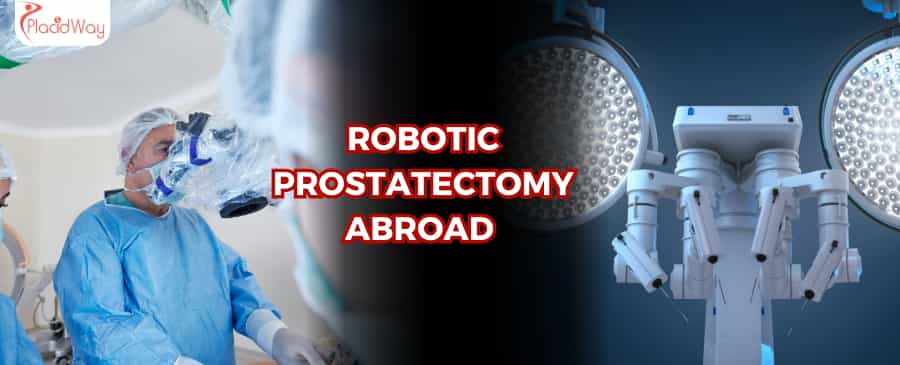
Facing a diagnosis of prostate cancer can bring many questions and concerns, especially when considering treatment options. For many, Robotic Prostatectomy, often referred to as Da Vinci prostatectomy, stands out as a highly effective and advanced surgical solution. This minimally invasive procedure uses state-of-the-art robotic technology to remove the cancerous prostate gland with exceptional precision, offering significant advantages over traditional open surgery.
Whether you're exploring the "best prostate cancer treatment," researching "minimally invasive prostate surgery options," or considering "prostate cancer treatment abroad," understanding Robotic Prostatectomy is a crucial step. This comprehensive guide will delve into what the procedure entails, its benefits, potential risks, recovery, and why a growing number of patients are looking beyond their borders to access this cutting-edge treatment.
Prostate cancer is one of the most common cancers among men worldwide. While symptoms can be subtle or non-existent in early stages, recognizing potential signs like difficulty urinating, blood in urine or semen, or persistent pain in the back, hips, or pelvis, is vital. Early detection significantly improves treatment outcomes. If you're searching for "prostate cancer symptoms" or "causes of prostate cancer," this guide will help clarify the journey from diagnosis to recovery, particularly through the lens of advanced robotic surgical options available internationally.
What are the common symptoms and early signs of prostate cancer?
Early prostate cancer often presents with no symptoms. When symptoms do appear, they can include difficulty urinating, a weak or interrupted urine stream, frequent urination (especially at night), blood in urine or semen, erectile dysfunction, and unexplained pain in the back, hips, or pelvis. These symptoms are not exclusive to prostate cancer and can be caused by other conditions like benign prostatic hyperplasia (BPH) or infections, making early screening and diagnosis crucial.
Understanding the early indicators of prostate cancer is the first step towards effective treatment. While many men ask "what are the signs of prostate problems?", it's important to differentiate general prostate issues from potential cancer. Prostate cancer symptoms often mimic other benign conditions, making regular check-ups and screenings essential for early detection.
- Difficulty starting urination or a weak urine flow
- Frequent urination, especially at night (nocturia)
- Blood in the urine (hematuria) or semen (hematospermia)
- Painful ejaculation
- Persistent pain in the lower back, hips, or pelvic area
- Unexplained weight loss or fatigue
- Erectile dysfunction
If you experience any of these, especially if you're searching for "is painful urination a sign of prostate cancer?" or "what does prostate cancer feel like?", consulting a doctor for proper diagnosis is critical. Early-stage prostate cancer is often symptomless, highlighting the importance of routine prostate-specific antigen (PSA) tests and digital rectal exams (DRE) for men at risk.
What causes prostate cancer, and who faces the highest risk?
The exact cause of prostate cancer is not fully understood, but it is linked to genetic and environmental factors. Key risk factors include increasing age (especially over 50), a family history of prostate cancer, African ancestry, and certain genetic mutations. Lifestyle factors like diet and obesity may also play a role, making it important to understand "who gets prostate cancer" and "what causes prostate problems."
When patients search for "what causes prostate cancer in men?" or "prostate cancer risk factors," they're often seeking to understand their susceptibility. While the exact trigger for prostate cancer remains elusive, several factors significantly increase a man's risk:
- Age: The risk of prostate cancer increases significantly with age, with most cases occurring in men over 65.
- Family History: Having a father or brother with prostate cancer, especially if diagnosed before age 65, doubles the risk.
- Race/Ethnicity: African-American men are more likely to develop prostate cancer and at an earlier age, with higher mortality rates.
- Genetics: Inherited gene mutations, such as BRCA1 and BRCA2, or Lynch syndrome, can increase risk.
- Diet: A diet high in red meat and high-fat dairy products, and low in fruits and vegetables, may be linked to an increased risk.
- Obesity: Some studies suggest a link between obesity and a higher risk of aggressive prostate cancer.
Understanding these risk factors is crucial for preventative discussions with your doctor and for determining when regular screenings should begin.
What are the different treatment options for prostate cancer, including Robotic Prostatectomy?
Treatment for prostate cancer varies based on its aggressiveness, stage, and the patient's overall health. Options include active surveillance (watchful waiting), radiation therapy (external beam or brachytherapy), hormone therapy, chemotherapy, and surgery. Robotic Prostatectomy is a surgical option offering a minimally invasive approach to remove the prostate gland, often preferred for localized cancer.
If you're asking "what is the best treatment for prostate cancer?" or "prostate cancer surgery options," it's important to know that treatment is highly individualized. Beyond Robotic Prostatectomy, common approaches include:
- Active Surveillance: For very low-risk cancers, monitoring without immediate treatment.
- Radiation Therapy: Using high-energy rays to kill cancer cells, either externally (External Beam Radiation Therapy - EBRT) or internally (Brachytherapy).
- Hormone Therapy: Blocks testosterone, which fuels prostate cancer growth.
- Chemotherapy: Used for advanced cancer that has spread.
- Cryotherapy/HIFU: Freezing or heating cancer cells.
- Radical Prostatectomy: Surgical removal of the prostate gland. This can be performed via:
- Open Radical Prostatectomy: Traditional surgery with a single large incision.
- Laparoscopic Prostatectomy: Minimally invasive with small incisions, but manually operated by the surgeon.
- Robotic-Assisted Radical Prostatectomy (RARP): The most advanced minimally invasive technique, utilizing a robotic system (like the Da Vinci) for enhanced precision and dexterity.
Robotic Prostatectomy is often chosen for its precision and potential for better outcomes in terms of recovery and preserving vital functions.
Who is considered a good candidate for Robotic Prostatectomy?
Ideal candidates for Robotic Prostatectomy are typically men diagnosed with localized prostate cancer (cancer confined to the prostate gland) who are otherwise in good health and have a life expectancy of at least 10 years. Patient age, cancer grade, stage, and personal preferences are all taken into account when determining eligibility for this advanced prostate cancer surgery.
Deciding on the best treatment requires careful consideration, and understanding "who can get robotic prostate surgery?" is key. Generally, candidates meet these criteria:
- Localized Prostate Cancer: The cancer has not spread beyond the prostate gland.
- Good General Health: Patients must be fit enough to undergo general anesthesia and major surgery.
- Life Expectancy: Typically, candidates have a life expectancy of 10 years or more, as the benefits of surgery are long-term.
- Patient Preference: After discussing all options, the patient chooses surgery.
- Tumor Characteristics: The grade and volume of the tumor are important factors.
Factors that might make someone less suitable include very advanced cancer, significant underlying health conditions, or previous pelvic surgeries that could complicate the robotic approach.
What does recovery from a Robotic Prostatectomy typically involve?
Recovery after Robotic Prostatectomy is generally faster and less painful than open surgery. Most patients stay in the hospital for 1-3 days. A urinary catheter is usually in place for 1-2 weeks. Full recovery, including regaining continence and sexual function, can take several months to a year, requiring patience and adherence to post-operative instructions.
For those searching "robotic prostatectomy recovery time" or "life after prostate surgery," understanding the recovery process is paramount. Thanks to its minimally invasive nature, Robotic Prostatectomy offers a smoother recovery:
- Immediate Post-Op (Hospital Stay): Patients typically spend 1-3 nights in the hospital. Pain is managed with medication, and movement is encouraged early. A urinary catheter is present to drain urine while the bladder heals.
- First Few Weeks (Home Recovery): The catheter is usually removed after 1-2 weeks. Patients are advised to avoid heavy lifting and strenuous activity. Light walking is encouraged. You might experience some urinary leakage (incontinence), which improves over time.
- Longer-Term (Months to a Year): Most men regain urinary control within 3-6 months, though some may take longer. Erectile function recovery varies widely depending on age, pre-operative function, and nerve-sparing techniques, often taking 6-18 months or more. Pelvic floor exercises are crucial for both continence and erectile function recovery.
It's important to have realistic expectations and follow your surgeon's guidance diligently for the best possible "life after robotic prostatectomy."
What are the potential risks and side effects of Robotic Prostatectomy?
While generally safe, Robotic Prostatectomy carries potential risks like any major surgery, including bleeding, infection, and reactions to anesthesia. Specific side effects can include urinary incontinence and erectile dysfunction, which usually improve over time. Less common risks involve injury to surrounding organs or nerve damage.
Patients often search for "prostatectomy complications" or "side effects of robotic prostate surgery" to be fully informed. While the robotic approach minimizes many risks associated with open surgery, some potential concerns include:
- Urinary Incontinence: Temporary leakage is common, but most men regain control. Some may experience persistent stress incontinence (leakage with coughing, sneezing, or laughing).
- Erectile Dysfunction: Nerve bundles responsible for erections run alongside the prostate. While surgeons attempt to spare these nerves, damage can occur, leading to temporary or permanent erectile dysfunction.
- Anastomotic Leak: Leakage at the site where the bladder is reconnected to the urethra (rare).
- Rectal Injury: Very rare due to the proximity of the prostate to the rectum.
- Bleeding and Infection: Standard surgical risks, minimized by the robotic approach.
- Anesthesia Risks: Reactions to anesthesia are possible.
- Lymphocele: A collection of lymph fluid that can form after lymph node removal (if performed).
Discussing these risks with your surgeon is vital to ensure you are fully prepared and to understand the specific "prostatectomy recovery expectations" for your case.
How much does a Robotic Prostatectomy cost around the world?
The cost of Robotic Prostatectomy varies significantly worldwide, influenced by factors like the country's healthcare system, hospital reputation, surgeon's fees, and length of stay. While prices can range from $10,000 to over $40,000, medical tourism destinations often offer high-quality procedures at a more affordable cost than in Western countries.
For many patients, "prostatectomy cost" and "prostate surgery overseas price" are major search queries. The price difference can be substantial, making medical tourism an attractive option:
| Country | Estimated Cost (USD) | Notes on Value |
|---|---|---|
| United States | $30,000 - $60,000+ | High cost, advanced technology, leading surgeons. |
| United Kingdom | $25,000 - $45,000+ | Generally high cost, similar to Western Europe. |
| Germany | $20,000 - $40,000 | Excellent quality, advanced medical infrastructure. |
| South Korea | $18,000 - $35,000 | High-tech hospitals, skilled surgeons, growing medical tourism hub. |
| India | $10,000 - $20,000 | Very affordable, internationally accredited hospitals, English-speaking staff. |
| Turkey | $12,000 - $25,000 | Competitive pricing, modern facilities, experienced surgeons. |
| Mexico | $15,000 - $28,000 | Proximity for North American patients, accredited facilities. |
| Thailand | $15,000 - $28,000 | Renowned for medical tourism, excellent service, modern hospitals. |
*Note: These are estimated costs and can vary based on the specific hospital, surgeon's experience, duration of stay, and included services.
Why do patients choose to travel abroad for Robotic Prostatectomy?
Patients travel abroad for Robotic Prostatectomy primarily due to significant cost savings, access to immediate treatment without long waiting lists, and the opportunity to be treated by world-renowned surgeons in advanced facilities. The chance to combine treatment with a recovery vacation can also be appealing.
The decision to seek "prostate cancer treatment abroad" or "medical tourism for prostatectomy" is driven by several compelling factors:
- Cost Savings: Often the primary motivator, with procedures costing 30-70% less than in Western countries.
- Access to Advanced Technology: Many international hospitals boast state-of-the-art robotic systems and highly skilled surgeons.
- Reduced Waiting Times: Avoid lengthy queues for procedures common in some public healthcare systems.
- Expert Surgeons: Access to surgeons who perform a high volume of robotic prostatectomies, gaining extensive experience.
- Privacy and Anonymity: Some patients prefer the discretion of receiving treatment away from home.
- Comprehensive Packages: Many medical tourism providers offer all-inclusive packages covering travel, accommodation, treatment, and recovery support.
Which countries offer the best value and quality for Robotic Prostatectomy?
Countries like India, Turkey, Thailand, Mexico, and South Korea are highly regarded for Robotic Prostatectomy, offering a combination of competitive pricing, internationally accredited hospitals, experienced surgeons, and patient-centric services. European destinations like Germany and Poland also provide excellent quality with slightly higher costs.
When searching "best countries for prostate surgery" or "top hospitals for robotic prostatectomy abroad," certain destinations consistently rise to the top:
- India: Known for highly skilled surgeons, JCI-accredited hospitals, and significantly lower costs.
- Turkey: Modern medical infrastructure, well-trained specialists, and a strategic location accessible from Europe, Asia, and Africa.
- Thailand: A pioneer in medical tourism, offering luxurious facilities and world-class care, particularly in Bangkok.
- South Korea: Renowned for its technological advancements, excellent surgical outcomes, and high patient satisfaction.
- Mexico: A popular choice for North American patients seeking affordable, quality care close to home.
- Germany: While pricier, Germany offers some of the highest standards of medical care and innovation in Europe.
These countries often have a high volume of medical tourists, indicating their capability to cater to international patients' needs.
What should patients know about ensuring a safe and successful Robotic Prostatectomy experience abroad?
To ensure a safe and successful Robotic Prostatectomy abroad, thoroughly research clinics and surgeons, verify international accreditations (like JCI), and communicate clearly about your medical history. Choose a reputable medical tourism facilitator like PlacidWay, understand your insurance coverage, and plan for post-operative care and follow-up, including remote consultation options.
Navigating "safe prostate surgery overseas" and ensuring a positive outcome requires careful planning. Here's what to consider:
- Accreditation and Certification: Look for hospitals with international accreditations like Joint Commission International (JCI), which signifies adherence to global standards of quality and patient safety.
- Surgeon Experience: Inquire about the surgeon's experience, specialization in robotic prostatectomy, and the number of procedures they perform annually. High-volume surgeons often have better outcomes.
- Medical Tourism Facilitators: Engage with reputable companies like PlacidWay. They can help you research clinics, surgeons, arrange logistics, and provide transparent cost breakdowns, simplifying the process.
- Pre-Operative Communication: Ensure thorough communication with the overseas medical team regarding your medical history, diagnosis, and expectations. Share all relevant medical records.
- Post-Operative Care and Follow-up: Understand the plan for your immediate recovery abroad and for follow-up care once you return home. Discuss options for remote consultations or local referrals.
- Insurance and Financial Planning: Confirm if your health insurance covers international procedures or if you need travel insurance specifically designed for medical tourism.
- Logistics: Plan for sufficient recovery time in the destination country before traveling back. Consider who will accompany you.
Many patients who have chosen "prostatectomy abroad" report positive outcomes, citing excellent care, advanced technology, and significant cost savings. While individual results vary, success stories often highlight regaining continence, resuming normal activities, and achieving good long-term cancer control, thanks to the precision of robotic surgery and dedicated medical teams.
Take the Next Step with PlacidWay
Ready to explore treatment options abroad? Discover top clinics, compare prices, and get a free quote tailored to your needs with PlacidWay.



















Share this listing