
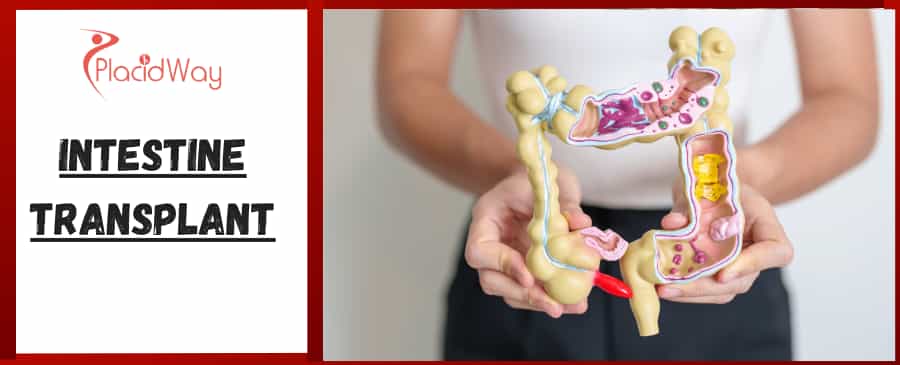
Regain Your Life: Exploring Intestine Transplant Options
Facing a diagnosis of irreversible intestinal failure can be incredibly challenging, bringing with it a cascade of life-altering symptoms and a dependence on intravenous nutrition (TPN). For those whose intestines can no longer absorb nutrients effectively, the daily reality can involve severe discomfort, frequent infections, and a constant struggle to maintain health. When all other treatments fail, an intestine transplant emerges as a profound, life-saving option, offering a chance to regain independence from TPN and restore a semblance of normal life.
This complex procedure, often referred to as a "bowel transplant" or "small bowel transplant," involves replacing a diseased or non-functional intestine with a healthy one from a deceased donor. It's a journey filled with both hope and significant considerations, particularly for patients worldwide who might be exploring "intestinal failure treatment abroad" or seeking "affordable organ transplant options." Understanding the symptoms that necessitate such a drastic step, the underlying causes of intestinal failure, and the intricacies of the transplant process, including recovery and risks, is crucial for anyone contemplating this path. We'll also delve into why medical tourism is becoming a viable avenue for patients seeking specialized care, shorter wait times, and cost-effective solutions for this vital procedure.
What are the Symptoms Indicating a Need for Intestine Transplant?
Patients who ultimately require an intestine transplant typically suffer from chronic intestinal failure, a severe condition where the body cannot absorb enough fluids, electrolytes, and nutrients from the digestive tract. The symptoms are often debilitating and progressively worsen, leading to a complete dependence on parenteral nutrition (TPN) – intravenous feeding. If you're searching for "signs of intestinal failure" or "when is bowel transplant needed," you might recognize these:
- Severe and Persistent Malnutrition: Despite TPN, patients often struggle with maintaining adequate weight and nutrient levels due to the body's inability to process food or complications from TPN.
- Chronic Dehydration and Electrolyte Imbalances: The intestine cannot absorb enough water and essential minerals, leading to constant imbalances.
- Recurrent Catheter-Related Bloodstream Infections (CRBSI): Dependence on central venous catheters for TPN makes patients highly susceptible to serious infections, which can be life-threatening and lead to sepsis.
- TPN-Associated Liver Disease: Long-term TPN can cause significant damage to the liver, sometimes leading to irreversible liver failure, necessitating a combined liver-intestine transplant.
- Loss of Venous Access: Over time, repeated catheter insertions can exhaust suitable veins, making TPN delivery impossible.
- Severe Abdominal Pain and Chronic Diarrhea: Although TPN manages nutrition, underlying intestinal conditions can still cause significant gastrointestinal distress.
- Systemic Complications: Fatigue, muscle wasting, bone density loss, and overall diminished quality of life.
These symptoms represent a critical stage where the risks and limitations of TPN outweigh the risks of transplant surgery.
What Causes Irreversible Intestinal Failure?
Understanding the "causes of short bowel syndrome" or "why do people need intestine transplants" helps contextualize the need for this drastic measure. Intestinal failure results from various conditions that damage or reduce the functional length of the small intestine:
- Short Bowel Syndrome (SBS): This is the most common reason. It occurs when a large portion of the small intestine is surgically removed due to conditions like:
- Massive intestinal resection following trauma (e.g., car accidents).
- Vascular events such as mesenteric ischemia (blocked blood flow to the intestine).
- Inflammatory bowel diseases like severe Crohn's disease.
- Birth defects (e.g., gastroschisis, intestinal atresia).
- Intestinal Motility Disorders: Conditions where the intestine's muscles or nerves don't work correctly, impairing its ability to move food. Examples include Chronic Intestinal Pseudo-Obstruction (CIPO) and Hirschsprung's disease in adults.
- Diffuse Crohn's Disease: While sometimes leading to SBS, extensive Crohn's can also severely impair nutrient absorption even with significant length of bowel remaining.
- Desmoid Tumors: These non-cancerous but aggressive tumors can invade the mesentery (tissue supporting the intestine), leading to loss of blood supply or severe motility issues.
- Radiation Enteritis: Damage to the intestines from radiation therapy, often for cancer, can lead to chronic absorption problems.
In essence, anything that permanently compromises the intestine's ability to digest and absorb nutrients, making it impossible for the individual to sustain life without external support, can lead to irreversible intestinal failure.
What Types of Intestine Transplants Are Available?
The type of transplant performed depends on which organs are affected by the underlying disease and TPN complications. Patients researching "types of bowel transplant" or "combined organ transplant" will find these primary categories:
- Isolated Small Bowel Transplant: This is the most common type. Only the small intestine is replaced with a healthy donor organ. It's suitable for patients whose intestinal failure is isolated to the small bowel and whose liver function is still good.
- Combined Liver-Intestine Transplant: Performed when TPN has caused irreversible liver damage, necessitating the replacement of both the liver and the small intestine. This is a more complex procedure due to the involvement of two major organs.
- Multivisceral Transplant: The most extensive type of abdominal organ transplant. It involves replacing the stomach, duodenum, pancreas, small intestine, and sometimes the liver. This is typically reserved for patients with widespread disease affecting multiple abdominal organs, such as extensive tumor involvement or severe motility disorders affecting the upper GI tract.
Donor organs typically come from deceased donors. The matching process is complex, considering blood type, tissue type, and size to minimize the risk of rejection. Living donor intestine transplants are rare due to the significant risks for the donor and limited functional benefits compared to deceased donor transplants.
Who is an Eligible Candidate for an Intestine Transplant?
The decision to undergo an intestine transplant is a serious one, with a rigorous evaluation process to determine if a patient is an appropriate candidate. If you're looking for "intestinal transplant criteria" or "who can get a bowel transplant," here's what medical teams assess:
- Irreversible Intestinal Failure: The patient must have complete or near-complete intestinal failure, meaning they cannot maintain adequate nutrition without TPN.
- Failure of Alternative Therapies: All other medical and surgical options, including aggressive intestinal rehabilitation programs, must have been exhausted or deemed ineffective.
- Life-Threatening TPN Complications: This is a crucial indicator. Patients must be experiencing severe, recurrent, or untreatable complications directly related to TPN, such as:
- Recurrent central venous catheter infections (sepsis).
- Irreversible liver damage (TPN-associated liver disease).
- Loss of central venous access sites, making future TPN impossible.
- Progressive systemic deterioration despite optimal TPN.
- Overall Health and Mental Stability: Candidates must be healthy enough to withstand the extensive surgery and the demanding post-transplant recovery. They should also have a strong support system and the psychological resilience to adhere to lifelong medication regimens and frequent medical follow-ups. Active cancer, severe heart or lung disease, and ongoing substance abuse typically rule out eligibility.
- No Active Infection: Patients must be free of active, uncontrolled infections at the time of transplant.
The evaluation process is comprehensive, involving a multidisciplinary team of surgeons, gastroenterologists, nutritionists, social workers, and psychiatrists.
What is the Recovery Time and What Can I Expect Post-Surgery?
Patients often search for "intestine transplant recovery" or "life after bowel transplant" to understand the journey ahead. An intestine transplant is a major surgery, and the recovery process is prolonged and demanding:
- Initial ICU Stay (Weeks): Immediately after surgery, patients spend several weeks in the intensive care unit (ICU) for close monitoring. They will likely be on a ventilator, have multiple drains and lines, and receive TPN. The medical team will focus on pain management, preventing infections, and monitoring for early signs of rejection.
- Hospital Stay (Months): Once stable enough to leave the ICU, patients transition to a regular hospital floor. Here, the focus shifts to gradually weaning off TPN as the new intestine begins to function. This involves slowly introducing oral liquids, then soft foods, and eventually a more regular diet. Physical therapy is crucial to regain strength. Patients also receive extensive education on their new medication regimen, particularly immunosuppressants.
- Post-Discharge (Lifelong): Full recovery can take anywhere from six months to a year, or even longer. Patients will require lifelong immunosuppressive medications to prevent organ rejection, along with regular follow-up appointments, blood tests, and potentially biopsies. Adherence to diet, medication, and lifestyle adjustments is paramount.
It's a journey that requires immense patience, dedication, and a robust support system. While challenging, successful recovery can lead to liberation from TPN and a significantly improved quality of life.
What are the Risks and Side Effects of an Intestine Transplant?
Like any major organ transplant, an intestine transplant carries significant risks and potential side effects. Patients asking about "intestine transplant complications" or "side effects of organ transplant meds" need to be fully informed:
- Organ Rejection: This is the most common and serious complication. The body's immune system may recognize the transplanted intestine as foreign and try to attack it. Rejection can be acute (occurring shortly after transplant) or chronic (developing over time). Lifelong immunosuppressants are vital to prevent this, but they come with their own set of challenges.
- Infection: Immunosuppressive medications weaken the immune system, making patients highly vulnerable to bacterial, viral (e.g., CMV, EBV), and fungal infections. These can range from mild to life-threatening.
- Surgical Complications: Risks associated with any major surgery, including bleeding, blood clots, anastomotic leaks (where the new intestine is joined to the patient's existing bowel), wound infection, and strictures.
- Graft-Versus-Host Disease (GVHD): A rare but severe complication unique to small bowel transplantation, where immune cells from the donor organ attack the recipient's tissues.
- Post-Transplant Lymphoproliferative Disorder (PTLD): A type of lymphoma (cancer) that can develop due to immunosuppression, particularly linked to Epstein-Barr virus (EBV) infection.
- Side Effects of Immunosuppressants: These powerful drugs can cause a wide array of side effects, including kidney dysfunction, high blood pressure, diabetes, osteoporosis, tremors, headaches, and increased risk of other cancers.
- Gastrointestinal Complications: These include malabsorption (despite a new intestine), diarrhea, and issues with bile flow.
A rigorous follow-up schedule and careful management by a specialized medical team are essential to monitor for and address these potential complications.
Worldwide Cost Comparison for Intestine Transplant
The cost of an intestine transplant is substantial, reflecting the complexity of the surgery, the extensive pre-operative workup, the prolonged hospital stay, and the intensive post-operative care, including lifelong medications. For many, searching for "cost of intestine transplant" or "bowel transplant price abroad" is a crucial step in exploring treatment options.
Here's an estimated cost comparison for the procedure itself, excluding travel, accommodation, and long-term post-transplant medication, which can add hundreds of thousands more over a lifetime:
| Country/Region | Estimated Cost Range (USD) | Notes |
|---|---|---|
| USA | $800,000 - $1,500,000+ | Highly variable, depends on hospital, complications, and insurance. |
| Western Europe (e.g., UK, Germany) | $600,000 - $1,200,000 | Costs vary by country and public vs. private healthcare systems. |
| India | $250,000 - $450,000 | Significantly lower cost, recognized for complex surgeries. |
| Turkey | $300,000 - $550,000 | Emerging medical tourism hub with modern facilities. |
| Singapore | $400,000 - $700,000 | High quality, transparent pricing, but generally higher than other Asian options. |
| Thailand | $300,000 - $500,000 | Established medical tourism destination with competitive pricing. |
*Note: These are estimated ranges and actual costs can vary significantly based on the specific hospital, surgeon, patient's condition, type of transplant (isolated, combined, multivisceral), and length of stay. Post-transplant care, including medication, will incur additional, often substantial, ongoing costs.
Why Consider an Intestine Transplant Abroad?
For a procedure as critical and costly as an intestine transplant, medical tourism offers compelling advantages, prompting many patients to search for "intestine transplant medical tourism."
- Significant Cost Savings: As seen in the table above, the difference in cost between Western countries and popular medical tourism destinations can be hundreds of thousands of dollars. These savings can make a life-saving procedure accessible to those without adequate insurance coverage or facing prohibitive out-of-pocket expenses.
- Reduced Wait Times: In many countries, the demand for organ transplants far exceeds the supply of deceased donors, leading to long and agonizing waiting lists. Some countries with well-developed medical tourism infrastructure may offer shorter wait times, allowing patients to receive timely treatment.
- Access to Specialized Expertise: Certain international centers have become renowned for their expertise in complex transplant surgeries, attracting highly skilled surgeons and multidisciplinary teams. Patients might seek out specific specialists or cutting-edge techniques not readily available in their home country.
- Comprehensive Care Packages: Many international hospitals catering to medical tourists offer all-inclusive packages that cover the surgery, hospital stay, initial recovery, and even accommodation for accompanying family members, simplifying the logistical burden for patients and their caregivers.
- Privacy and Confidentiality: For some individuals, seeking treatment abroad offers a level of privacy that may be appealing.
Which Countries Offer the Best Value for Intestine Transplants?
When considering "affordable intestine transplant abroad" or "top countries for organ transplant," several nations stand out for their blend of quality care and cost-effectiveness:
- India: Known for its highly skilled medical professionals, state-of-the-art hospitals, and significant cost advantages. Many hospitals are internationally accredited and have extensive experience with complex transplant surgeries, often with English-speaking staff.
- Turkey: This country has rapidly developed its medical tourism sector, offering modern hospitals equipped with advanced technology. Its strategic location makes it accessible from Europe, Asia, and the Middle East, and it provides competitive pricing for high-quality care.
- Thailand: A well-established medical tourism destination, Thailand boasts numerous internationally accredited hospitals, experienced surgeons, and a strong focus on patient hospitality. While generally more affordable than Western nations, costs can be slightly higher than in India or Turkey for highly specialized procedures.
- Singapore: While generally on the higher end of the cost spectrum among Asian countries, Singapore offers world-class medical facilities, stringent regulatory standards, and a reputation for excellent outcomes. It's often chosen by those prioritizing quality and robust patient safety protocols above maximum cost savings.
When evaluating options, it's crucial to look beyond just the price tag and thoroughly research the specific transplant center, the surgical team's expertise, success rates, and the support services available.
What Should I Expect When Traveling Abroad for Intestine Transplant?
Traveling for a procedure of this magnitude requires meticulous planning. If you're researching "traveling for organ transplant" or "medical tourism logistics," here's a general overview of what to anticipate:
- Extensive Pre-Travel Preparation: This includes gathering and translating all medical records, undergoing initial virtual consultations with the foreign medical team, obtaining necessary visas, and arranging travel logistics for both the patient and accompanying caregivers. Financial planning for the procedure, accommodation, and potential unforeseen expenses is critical.
- Initial Evaluation and Waiting Period: Upon arrival in the host country, patients undergo a thorough in-person evaluation, including diagnostic tests and consultations, to confirm eligibility and prepare for surgery. If a deceased donor is required, there will be a waiting period, which can range from weeks to months, depending on organ availability and match.
- Prolonged Stay in Host Country: Unlike many medical tourism procedures, an intestine transplant requires a significantly extended stay. Patients will be hospitalized for weeks to months post-surgery. After discharge, they will need to remain in the vicinity of the transplant center for several more months for intensive follow-up care, medication adjustments, and rehabilitation before being cleared to return home.
- Logistical Support: Many international hospitals or medical tourism facilitators offer services like airport transfers, accommodation arrangements for family, translation services, and local guidance to help navigate the foreign environment.
- Cultural and Language Considerations: While many top medical tourism facilities have English-speaking staff, understanding local customs and dealing with potential language barriers outside the hospital environment are practical considerations.
How Can I Ensure Safety and Quality for an Intestine Transplant Abroad?
Ensuring "safe organ transplant abroad" and high quality of care is paramount. Due diligence is key:
- International Accreditation: Look for hospitals accredited by recognized international bodies like Joint Commission International (JCI). This signifies adherence to rigorous patient safety and quality standards that are comparable to leading hospitals globally.
- Surgeon and Team Expertise: Research the specific transplant surgeon's credentials, experience, and the number of intestine transplants they and their team have performed. Inquire about their success rates, particularly for the type of transplant you require.
- Facility and Technology: Ensure the hospital is equipped with state-of-the-art operating rooms, advanced diagnostic tools, a dedicated transplant ICU, and specialized post-operative care facilities.
- Comprehensive Post-Operative Care Plan: This is arguably the most critical aspect for intestine transplant. Understand how long you'll need to stay, what follow-up care is provided, how medication will be managed, and what protocols are in place for managing complications upon your return home. Clear communication channels with your home medical team are also important.
- Patient Testimonials and Reviews: While not a sole determinant, reviews and testimonials from other international patients who have undergone complex procedures at the facility can offer valuable insights.
- Utilize Reputable Medical Tourism Facilitators: Services like PlacidWay specialize in vetting clinics, organizing logistics, and providing guidance, which can significantly reduce risks and streamline the process. They act as an advocate, helping ensure transparent communication and quality care.
What Are Patient Success Stories from Intestine Transplants Abroad?
While patient privacy prevents sharing specific individual stories without consent, the narrative of "intestine transplant testimonials" or "life after bowel transplant success" for those who travel abroad often centers on profound life transformation:
- Liberation from TPN: The most significant and immediate success is the ability to discontinue intravenous nutrition. This means no more daily infusions, no more central line care, and a dramatically reduced risk of life-threatening line infections and TPN-related liver damage.
- Return to Oral Eating: Many patients, who for years could only tolerate minimal or no oral intake, rejoice in the ability to eat and digest food normally again. This restores a fundamental human pleasure and greatly improves quality of life.
- Improved Energy and Vitality: With proper nutrient absorption and the resolution of chronic illness symptoms, patients experience renewed energy, allowing them to engage in activities they previously couldn't.
- Reclaiming Life's Milestones: Success stories often highlight patients returning to school, resuming careers, traveling, or simply enjoying everyday moments with family and friends that were impossible while battling intestinal failure.
- Access to Timely Care: For many, the ability to undergo a transplant abroad meant avoiding years on a waiting list, receiving life-saving treatment when it was most critically needed, and preventing further deterioration of their health.
These successes underscore the immense value that medical tourism can offer, providing hope and a second chance at a healthy life for individuals facing complex and life-threatening conditions.
Take the Next Step with PlacidWay
Ready to explore treatment options abroad? Discover top clinics, compare prices, and get a free quote tailored to your needs with PlacidWay.
Best Organ Transplant Center | Cheap Organ Transplant Packages
-Package-in-Riyadh,-Saudi-Arabia-at-King-Faisal-Specialist-Hospital-Thumbnail.jpg)



.png)
.jpg)

.png)




.png)


.png)












Share this listing