
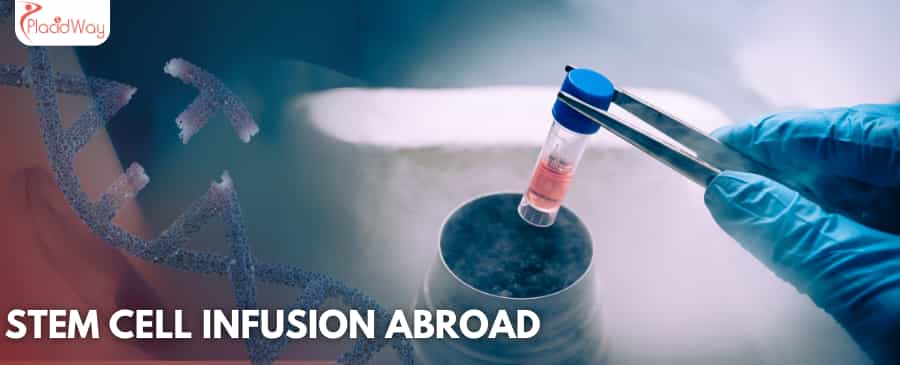
Unlock Your Potential: Exploring Stem Cell Infusion for Regenerative Health
Are you living with persistent pain, limited mobility, or a chronic condition that traditional treatments haven't fully addressed? Many individuals worldwide are seeking innovative solutions, and stem cell infusion is emerging as a beacon of hope for regenerative healing. This advanced medical procedure harnesses the body's own incredible capacity for repair, offering a natural and often profound path toward improved health and quality of life.
Stem cell infusion involves introducing healthy, undifferentiated cells into the body. These "master cells" have the unique ability to develop into various specialized cell types, helping to repair damaged tissues, reduce inflammation, and promote healing. From addressing orthopedic injuries and autoimmune conditions to potentially aiding in neurological recovery, the applications of stem cell therapy are vast and continually expanding.
For many, the journey to finding this innovative treatment leads them beyond their home country. "Medical tourism" for stem cell infusion has gained significant traction, allowing patients to access cutting-edge therapies, often at more affordable prices, and sometimes with less waiting time. If you're exploring options for chronic pain relief, recovery from injury, or managing a degenerative condition, understanding stem cell infusion is your first step towards a potentially transformative experience.
You might be searching for answers to questions like "what is stem cell therapy used for?" or "how much does stem cell treatment cost abroad?" This comprehensive guide will delve deep into the world of stem cell infusion, providing clarity on its benefits, procedures, recovery, and what to expect if you consider this treatment globally. We'll explore the common symptoms that lead people to consider this therapy, the underlying causes of those conditions, and how to navigate your options effectively.
What symptoms suggest you might benefit from stem cell infusion?
Many people who explore stem cell infusion do so after experiencing a range of persistent and often debilitating symptoms. These symptoms typically point to tissue damage, inflammation, or degenerative processes that the body struggles to heal on its own. Common indicators include:
- Chronic Joint Pain: Persistent pain in knees, hips, shoulders, or other joints, often due to osteoarthritis, rheumatoid arthritis, or sports injuries. Patients frequently search for "stem cell therapy for knee pain" or "stem cell treatment for hip arthritis."
- Back and Neck Pain: Long-standing discomfort, stiffness, or radiating pain caused by degenerative disc disease, disc herniation, or spinal stenosis.
- Reduced Mobility and Flexibility: Difficulty moving joints through their full range of motion, impacting daily activities and quality of life.
- Neurological Symptoms: Weakness, numbness, tingling, balance issues, or cognitive decline associated with conditions like multiple sclerosis, Parkinson's disease, or stroke recovery. Many ask "can stem cells help neuropathy?"
- Autoimmune Disease Symptoms: Chronic inflammation, fatigue, and tissue damage seen in conditions such as lupus, Crohn's disease, or certain autoimmune neuropathies.
- Slow or Non-Healing Wounds: Difficult-to-treat ulcers or injuries that fail to mend properly over time.
- Organ Dysfunction: In some cases, symptoms related to heart failure, kidney disease, or lung conditions, though these applications are often more experimental.
If you're experiencing these kinds of ongoing issues and traditional treatments like medication, physical therapy, or surgery have offered only temporary relief, or if you're looking for less invasive options, exploring stem cell infusion might be a relevant consideration.
What causes conditions treatable by stem cell infusion?
The conditions that stem cell therapy aims to address typically arise from a combination of factors that lead to cellular damage and impaired healing. Understanding these causes helps to clarify why regenerative medicine is sought:
- Aging: As we age, our body's natural stem cell reserves diminish, and their regenerative capacity decreases. This contributes to degenerative conditions like osteoarthritis, sarcopenia (muscle loss), and general wear and tear.
- Injury and Trauma: Acute injuries, whether from sports, accidents, or repetitive stress, can damage tissues (cartilage, ligaments, tendons, muscle) beyond their ability to fully repair, leading to chronic pain and dysfunction.
- Chronic Inflammation: Persistent inflammation, often seen in autoimmune diseases (e.g., rheumatoid arthritis, multiple sclerosis) or metabolic disorders, can continuously damage healthy tissue, preventing effective healing.
- Autoimmune Dysfunction: In autoimmune conditions, the immune system mistakenly attacks healthy cells and tissues, leading to widespread damage that stem cells may help to modulate and repair.
- Degenerative Diseases: Progressive conditions such as Parkinson's disease, Alzheimer's disease, and certain cardiovascular diseases involve the gradual loss or dysfunction of specific cell types, which stem cells might help replace or support.
- Genetic Predisposition: Some individuals may be genetically predisposed to certain conditions, making them more susceptible to tissue degradation or impaired healing.
- Lifestyle Factors: Poor diet, lack of exercise, smoking, and obesity can exacerbate inflammation and hinder the body's natural regenerative processes.
When these underlying causes lead to significant tissue damage or functional loss, and the body's intrinsic repair mechanisms are overwhelmed, stem cell infusion offers a way to boost and direct the healing process.
What types of stem cell infusion procedures are available?
The field of stem cell therapy is diverse, with several types of procedures utilizing different sources and methods of administration. Patients often search for "autologous vs allogeneic stem cells" to understand their options:
1. Stem Cell Sources:
- Autologous Stem Cells: These are cells harvested from your own body, typically from:
- Bone Marrow Aspirate Concentrate (BMAC): Bone marrow contains a rich supply of mesenchymal stem cells (MSCs) and hematopoietic stem cells. The process involves a bone marrow aspiration (usually from the hip bone), concentration, and then infusion.
- Adipose-Derived Stem Cells (ADSCs): Fat tissue (adipose tissue) is another abundant source of MSCs. These are harvested via a mini-liposuction procedure, processed, and then infused. Patients often look for "stem cell therapy from fat."
- Allogeneic Stem Cells: These are cells derived from a donor. The most common sources include:
- Umbilical Cord Blood/Tissue (UCB/UCT): These are "young", potent stem cells collected from donated umbilical cords after a healthy birth. They are often immune-privileged, meaning they are less likely to cause an immune reaction. Patients may search for "umbilical cord stem cell therapy."
- Placental Stem Cells: Similar to umbilical cord cells, these are harvested from donated placentas.
2. Administration Methods:
- Intravenous (IV) Infusion: Stem cells are delivered directly into the bloodstream, allowing them to circulate throughout the body and home in on areas of inflammation or damage. This is common for systemic conditions or overall regenerative effects.
- Direct Injection: Cells are precisely injected into a specific site, such as an arthritic joint, a damaged tendon, muscle, or around a nerve, to target localized issues.
- Intrathecal Injection: Cells are injected into the spinal canal, often used for neurological conditions affecting the central nervous system.
The choice of stem cell source and delivery method depends on the condition being treated, the patient's overall health, and the clinic's expertise.
Who is eligible for stem cell infusion therapy?
Not everyone is a candidate for stem cell infusion. A thorough medical evaluation by a qualified physician is crucial to determine if this therapy is appropriate and safe for you. General eligibility criteria often include:
- Diagnosis of a Treatable Condition: The patient must have a condition that is known to potentially benefit from stem cell therapy, such as osteoarthritis, certain autoimmune diseases, neuropathies, or specific injuries.
- Good General Health: Patients should ideally be in reasonably good overall health. Major underlying health issues, especially uncontrolled chronic diseases, can impact outcomes.
- Absence of Active Cancer: Stem cell therapy is generally contraindicated in patients with active cancer or a recent history of certain cancers due to theoretical concerns about cell proliferation.
- No Active Infections: Any active infection must be resolved before treatment to minimize risks.
- No Blood Thinning Medications (for some procedures): For procedures involving harvesting (like bone marrow or adipose tissue), patients may need to temporarily discontinue blood thinners.
- Realistic Expectations: Patients should have a clear understanding of what stem cell therapy can and cannot achieve, recognizing that results can vary.
Age is not always a limiting factor, though the quality and quantity of autologous stem cells may decrease with age. For allogeneic sources, age is less relevant to the patient's cells, but still pertains to overall health.
What is the typical recovery time after a stem cell infusion?
One of the appealing aspects of stem cell infusion is the relatively short and often comfortable recovery period compared to invasive surgeries. However, it's important to distinguish between immediate recovery from the procedure and the time it takes to see the full regenerative effects.
- Immediate Recovery (Days 1-7):
- Local Discomfort: If cells were harvested (e.g., bone marrow, fat), you might experience mild soreness or bruising at the harvest site for a few days. Similarly, direct injection sites might be tender.
- Mild Fatigue: Some patients report mild fatigue or flu-like symptoms for 24-48 hours, especially after intravenous infusions, as the body processes the new cells.
- Activity Restrictions: You might be advised to avoid strenuous activity, heavy lifting, or high-impact exercise for a few days to a week to allow the cells to settle and begin their work.
- Longer-Term Healing (Weeks to Months):
- Gradual Improvement: Unlike immediate pain relief from medication, stem cell therapy initiates a biological process of repair and regeneration. This takes time. Most patients begin to notice improvements in pain reduction, mobility, and function over several weeks to a few months. "How long does stem cell treatment take to work?" is a common question, and the answer is usually progressive improvement.
- Continued Care: Many clinics recommend a tailored rehabilitation program, including physical therapy, nutrition, and lifestyle adjustments, to support the stem cells' regenerative efforts and optimize outcomes.
- Follow-Up: Regular follow-up appointments are crucial to monitor progress and adjust any supporting therapies.
Overall, patients can typically resume most light daily activities within a few days, but the full benefits of the treatment unfold gradually over an extended period as the cells perform their regenerative functions.
What are the potential risks and side effects of stem cell infusion?
Like any medical procedure, stem cell infusion carries potential risks and side effects, though they are generally considered low, especially when performed in accredited facilities with strict safety protocols. It's important to discuss these thoroughly with your medical provider.
Common and Mild Side Effects:
- Pain or Soreness: Mild to moderate pain, bruising, or swelling at the injection or harvesting sites (e.g., bone marrow, fat donation).
- Temporary Flu-like Symptoms: Some patients experience transient fever, chills, or fatigue, especially after IV infusions, which usually resolve within 24-48 hours.
- Headache: Possible, particularly with intrathecal injections, but usually manageable.
Less Common but More Serious Risks:
- Infection: Any procedure involving injections carries a small risk of infection. This is mitigated by sterile techniques in reputable clinics.
- Allergic Reaction: While rare with autologous cells (your own), there's a minimal risk with allogeneic (donor) cells, though these are typically rigorously screened and processed to minimize such reactions.
- Bleeding: At the harvesting or injection sites.
- Nerve Damage: Extremely rare with precise injection techniques.
- Uncontrolled Cell Growth (Tumors): This is a theoretical concern and remains a subject of ongoing research. To date, clinical data for MSCs (mesenchymal stem cells, commonly used) in reputable studies and practices do not show a significant risk of tumor formation. However, using unproven or unpurified stem cell products outside of regulated clinical trials can pose higher risks.
- Immune Rejection: Primarily a concern with allogeneic cells, though umbilical cord-derived MSCs are often considered immune-privileged.
Choosing an experienced physician and a reputable clinic that adheres to ethical guidelines and uses FDA-compliant (or equivalent national regulatory body) processing methods is crucial for minimizing risks. Always ask "is stem cell therapy safe?" and ensure you receive detailed information about the specific procedure and the cells being used.
How much does stem cell infusion cost worldwide?
The cost of stem cell infusion is a primary driver for many patients considering medical tourism. Prices can vary dramatically based on several factors, including the type of cells used (autologous vs. allogeneic), the condition being treated, the number of infusions required, the clinic's reputation, and its geographical location.
Worldwide Cost Comparison for Stem Cell Infusion (Estimated Ranges)
| Country | Estimated Cost Range (USD per treatment)* | Notes |
|---|---|---|
| United States | $10,000 - $50,000+ | Highest costs, but often advanced research/FDA-approved trials. Insurance coverage is rare for off-label use. |
| Mexico | $6,000 - $15,000+ | Very popular for medical tourism due to proximity and competitive pricing. |
| Costa Rica | $7,000 - $18,000+ | Known for quality care and a growing medical tourism sector. |
| Germany | $15,000 - $35,000+ | High-quality, regulated care; still potentially more affordable than US. |
| Panama | $8,000 - $20,000+ | Emerging destination with advanced clinics and favorable regulations. |
| Caribbean (e.g., Bahamas, Cayman Islands) | $10,000 - $25,000+ | Often combines treatment with a vacation experience. |
*These are estimated ranges and can vary significantly. Always request a personalized quote. Costs typically include the procedure itself but may or may not include travel, accommodation, or pre/post-treatment consultations.
It's crucial to obtain a detailed quote that outlines everything included in the price, so there are no surprises. "Affordable stem cell treatment" often means looking beyond your local borders.
Why should you consider getting stem cell infusion treatment abroad?
The decision to travel abroad for medical treatment, particularly for a specialized procedure like stem cell infusion, is often driven by compelling reasons:
- Cost Savings: As seen in the cost comparison, the most significant factor is often the price. Many countries offer the same or similar high-quality treatments at a fraction of the cost found in the US, Canada, or Western Europe. This makes potentially life-changing therapy accessible to more people.
- Access to Advanced Treatments: Some innovative stem cell therapies may not yet be approved or widely available in a patient's home country due to different regulatory landscapes. Traveling abroad can provide access to these cutting-edge options.
- Reduced Waiting Times: In countries with universal healthcare systems, long waiting lists for specialized procedures can be common. Medical tourism often allows for more immediate treatment.
- Privacy and Anonymity: For some, undergoing a medical procedure away from home offers a sense of privacy and the ability to focus on recovery without local scrutiny.
- Combining Treatment with Travel: Many patients find the opportunity to recover in a beautiful, relaxing environment appealing, turning a medical trip into a restorative "wellness vacation." Countries like Costa Rica and Mexico offer excellent facilities alongside attractive tourist destinations.
- Expertise and Specialization: Certain clinics or medical centers abroad have become world-renowned specialists in particular stem cell applications, attracting international patients seeking their specific expertise.
When considering "best countries for stem cell treatment," factors like medical infrastructure, legal frameworks, and patient testimonials all play a role.
What should you expect when planning medical travel for stem cell therapy?
Embarking on a medical journey abroad requires careful planning and preparation to ensure a smooth and successful experience. Here's a general overview of what to expect:
- Initial Research and Consultation:
- Identify Potential Clinics: Begin by researching reputable clinics and doctors specializing in stem cell infusion in your chosen destination (e.g., "stem cell clinic Mexico reviews").
- Contact a Facilitator: Services like PlacidWay can streamline this process, connecting you with vetted clinics, gathering information, and providing quotes.
- Share Medical Records: You'll need to send your relevant medical history, diagnostic reports (MRIs, X-rays, blood tests), and a summary of your condition to the clinic for a preliminary assessment.
- Remote Consultation: Expect a virtual consultation with the foreign physician to discuss your eligibility, treatment plan, expected outcomes, and address any questions.
- Planning Your Trip:
- Treatment Plan and Quote: Once approved, you'll receive a detailed treatment plan, including the number of sessions, type of cells, and a comprehensive cost estimate.
- Travel Logistics: Book flights, accommodation, and arrange for local transportation. Many clinics or facilitators offer assistance with these arrangements.
- Visa and Passport: Ensure your passport is valid and check if a visa is required for your destination country.
- Pre-Treatment Instructions: The clinic will provide specific instructions regarding diet, medications, and activities leading up to your arrival.
- During Your Stay:
- Arrival and Initial Appointments: You'll typically have an in-person consultation, physical examination, and possibly additional diagnostic tests upon arrival.
- The Procedure: The stem cell infusion procedure itself.
- Post-Procedure Monitoring: Clinics will monitor your immediate recovery and provide aftercare instructions.
- Recovery Time: Allocate enough time for immediate recovery and follow-up appointments before traveling back home.
- Return Home and Ongoing Care:
- Post-Treatment Instructions: You'll receive guidelines for continued recovery, activity restrictions, and any necessary rehabilitation.
- Follow-up: Remote follow-ups with the treating physician might be arranged. It's also vital to coordinate with your local primary care doctor.
Navigating these steps with a trusted medical tourism facilitator can significantly ease the process, ensuring "how to ensure safety and quality abroad" is addressed at every turn.
How to ensure safety and quality when getting stem cells abroad?
Ensuring safety and quality is paramount when considering any medical procedure, especially abroad. The burgeoning field of stem cell therapy attracts both reputable providers and less scrupulous ones, making due diligence essential. Here's how to safeguard your health:
- Verify Clinic Accreditation and Licensing: Look for clinics accredited by international bodies (e.g., JCI - Joint Commission International) or recognized national health ministries. This indicates adherence to high standards of care and patient safety.
- Research Physician Credentials: Ensure the doctors performing the procedure are board-certified, have extensive experience in regenerative medicine, and are members of relevant professional organizations. Don't hesitate to ask about their training and track record.
- Understand the Stem Cell Source and Type: Inquire precisely what type of stem cells will be used (e.g., umbilical cord MSCs, adipose-derived, bone marrow-derived) and how they are processed and stored. Reputable clinics will be transparent about their lab practices. Avoid clinics offering "unspecified" or "secret" stem cell products.
- Review Patient Testimonials and Outcomes: Look for unbiased patient reviews, success stories, and, if possible, connect with former patients. While individual results vary, a pattern of positive experiences is reassuring.
- Inquire About Regulatory Compliance: Understand the local regulations concerning stem cell therapy in the country you are considering. Ensure the clinic operates within these legal and ethical frameworks. Some countries have more robust regulations than others.
- Ask About Safety Protocols: Inquire about infection control, emergency procedures, and how potential complications are handled.
- Use a Reputable Medical Tourism Facilitator: Companies like PlacidWay specialize in vetting clinics and doctors, providing an extra layer of assurance. They can help with communication, logistics, and ensuring transparency.
- Avoid Unrealistic Promises: Be wary of clinics that promise "cures" for all conditions or guarantee specific outcomes. Reputable providers offer realistic expectations based on current scientific evidence.
By asking thorough questions and performing diligent research, you can significantly enhance your safety and the quality of your stem cell treatment experience abroad.
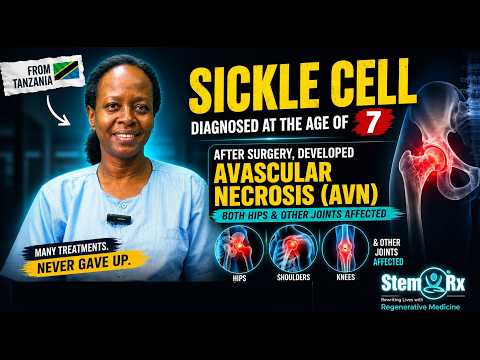
Are there real patient success stories for stem cell treatment abroad?
While individual results for stem cell therapy can vary widely, there are numerous inspiring patient success stories shared by individuals who have traveled abroad for treatment. These narratives often highlight significant improvements in conditions that previously seemed intractable, offering hope to others facing similar challenges. Patients commonly report:
- Reduced Chronic Pain: Many individuals with severe osteoarthritis, degenerative disc disease, or neuropathic pain have experienced substantial pain reduction, sometimes allowing them to decrease or eliminate reliance on strong painkillers. For example, a patient with chronic knee pain might report being able to walk longer distances or climb stairs without discomfort after treatment in Mexico.
- Improved Mobility and Function: Patients suffering from conditions that limit movement, such as joint injuries or certain autoimmune disorders, often share stories of regaining greater range of motion, increased strength, and improved ability to participate in daily activities and even sports. An individual recovering from a stroke might report better hand coordination or walking stability after receiving therapy in Panama.
- Enhanced Quality of Life: Beyond specific physical improvements, a common theme in success stories is a general enhancement of quality of life – more energy, better sleep, reduced anxiety, and a renewed sense of hope and independence. This is particularly true for patients with autoimmune diseases who experience reduced inflammation and systemic symptoms after treatment in, say, Germany or Costa Rica.
- Neurological Gains: For conditions like Multiple Sclerosis or after a traumatic brain injury, some patients report stabilization of symptoms, reduced spasticity, or even modest gains in cognitive function or motor control.
These stories, often found on patient forums, medical tourism websites (like PlacidWay's testimonials section), and independent reviews, underscore the potential of stem cell infusion when administered by skilled professionals in well-regarded international clinics. They serve as powerful motivators for those considering "stem cell therapy abroad reviews" and exploring their options beyond local healthcare systems.
Take the Next Step with PlacidWay
Ready to explore treatment options abroad? Discover top clinics, compare prices, and get a free quote tailored to your needs with PlacidWay.
Stem Cell Therapy Abroad




.png)
.png)
.png)















Share this listing