
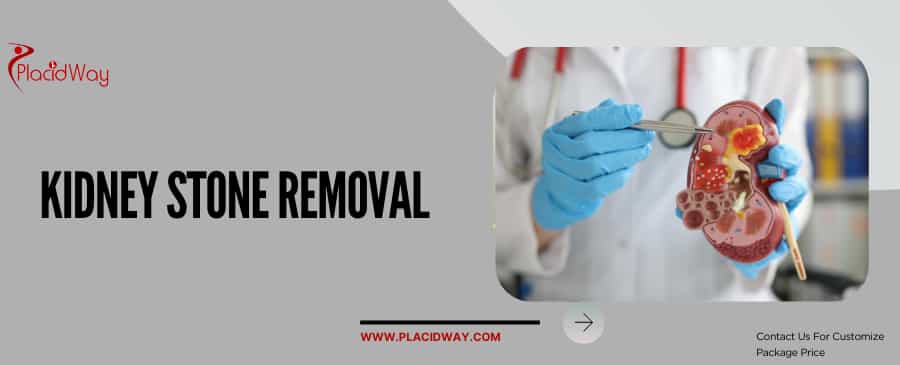
Finding Relief: Comprehensive Guide to Kidney Stone Removal & Treatment Options
The sudden, excruciating pain of a kidney stone can be debilitating, often described as one of the worst pains imaginable. These small, hard deposits, formed from minerals and salts in the urine, can block the flow of urine, leading to severe discomfort and potential complications. If you've ever experienced a kidney stone, you know the urgent need for effective relief and long-term solutions.
Thankfully, modern medicine offers several highly effective ways to remove kidney stones and alleviate symptoms. From non-invasive shockwave therapy to advanced minimally invasive surgical techniques, the goal is always to clear the blockage, relieve pain, and get you back to your life. For many, seeking these specialized treatments might even involve looking beyond their home country, exploring medical tourism destinations that offer high-quality care at a more accessible cost.
Whether you're struggling with severe flank pain, notice blood in your urine, or suspect you might have a kidney stone, understanding the available treatment options is the first step toward recovery. This guide will walk you through everything from recognizing the signs and understanding the causes to exploring the various removal procedures, recovery expectations, and why a growing number of patients are choosing to travel internationally for their kidney stone treatment.
What are the common signs you might have kidney stones?
Recognizing the symptoms of kidney stones early can help you seek timely medical attention. The hallmark symptom is often referred to as "renal colic"—an intense, wave-like pain that typically starts in your back or side, just below the ribs, and can radiate to your lower abdomen and groin. This pain can be excruciating, coming and going in waves as the stone attempts to pass.
Other common symptoms include:
- Severe Pain: The pain can shift as the stone moves through your urinary tract. It might be felt in your side, back, lower abdomen, or even radiate to your groin area.
- Painful Urination: You might experience a burning sensation or discomfort when you urinate.
- Blood in Urine (Hematuria): Your urine might appear pink, red, or brown due to the presence of blood, which can be visible or microscopic.
- Cloudy or Foul-Smelling Urine: This can indicate an infection, which can sometimes accompany kidney stones.
- Nausea and Vomiting: Often a result of the intense pain and the body's response to the blockage.
- Frequent Urination: Feeling a persistent need to uruse the bathroom, even if you just went.
- Fever and Chills: These symptoms, especially when combined with pain, suggest a serious infection that requires immediate medical care.
If you experience any of these symptoms, particularly severe pain or signs of infection, it's crucial to consult a doctor promptly for accurate diagnosis and treatment. Delaying treatment can lead to complications like kidney damage or severe infections.
What causes kidney stones to form and who is at risk?
Kidney stones form when your urine contains more crystal-forming substances—such as calcium, oxalate, and uric acid—than the fluid in your urine can dilute. At the same time, your urine may lack substances that prevent crystals from sticking together, creating an ideal environment for stones to form. Understanding the causes can help in prevention and recurrence.
Key causes and risk factors include:
- Dehydration: Not drinking enough water is a major cause, as it leads to concentrated urine, making it easier for minerals to crystallize.
- Diet:
- High sodium intake can increase calcium in your urine.
- Diets high in animal protein (red meat, poultry, eggs) can increase uric acid and reduce citrate, a stone inhibitor.
- Foods high in oxalates (spinach, chocolate, nuts, tea) can contribute to calcium oxalate stones.
- Obesity: Higher body mass index (BMI) is linked to increased risk.
- Digestive Diseases and Surgery: Conditions like Crohn's disease or ulcerative colitis, and gastric bypass surgery, can affect calcium and water absorption, increasing stone risk.
- Medical Conditions:
- Urinary Tract Infections (UTIs): Can lead to struvite stones.
- Renal Tubular Acidosis: A kidney disorder that causes acidic urine.
- Cystinuria: A genetic disorder causing cystine stones.
- Hyperparathyroidism: Leads to high calcium levels.
- Certain Medications: Diuretics, calcium-based antacids, certain anti-seizure drugs, and some HIV medications can increase risk.
- Genetics and Family History: If someone in your family has kidney stones, you're more likely to develop them.
Identifying the type of kidney stone (calcium oxalate, uric acid, struvite, or cystine) through analysis is crucial for tailored prevention strategies, often involving dietary changes and medication.
What is the best way to remove a kidney stone: Exploring treatment options?
Once a kidney stone is diagnosed, your doctor will recommend a treatment plan based on the stone's size, location, symptoms, and your overall health. Treatment options vary significantly:
- Conservative Management (Watchful Waiting):
- For Small Stones (2cm). A small incision is made in the back, and a hollow tube is passed directly into the kidney. A nephroscope is then used to break up and remove the stone fragments.
- Best for: Large kidney stones, staghorn calculi, or stones that failed other treatments.
- Advantages: Very effective for large stones, high clearance rate.
- Disadvantages: More invasive than ESWL or URS, requires general anesthesia and a hospital stay.
- Open Surgery (Rare):
- How it works: Rarely performed today, typically reserved for extremely large or complex stones that cannot be treated by less invasive methods. Involves a larger incision to remove the stone directly.
Your urologist will discuss the pros and cons of each option based on your specific situation.
Who is a good candidate for kidney stone removal procedures?
Deciding who is a good candidate for kidney stone removal procedures involves a careful assessment by a urologist, considering several factors:
- Stone Size and Location:
- Small stones (
Urology Abroad | Best Urology Center
- Small stones (
Kidney Stone Removal Abroad
About Sub Treatment
- Treatment: Urology
- Modified Date: 2024-12-09
- Overview: Explore advanced kidney stone removal options globally. Find affordable, high-quality treatments like lithotripsy & ureteroscopy with expert care. Get a free quote now.







Share this listing