
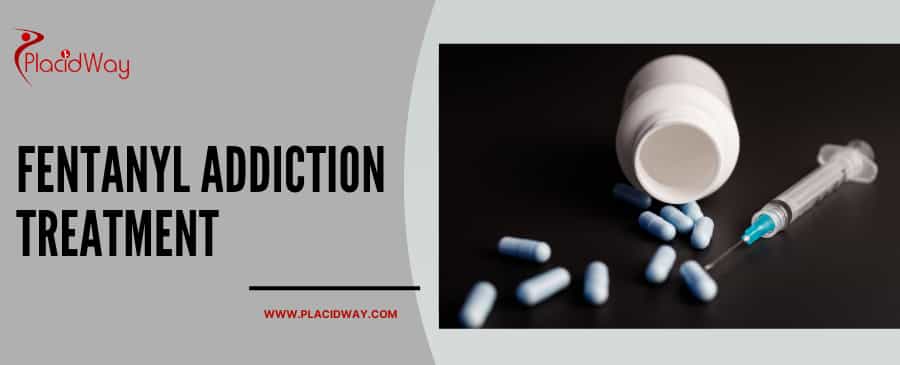
Reclaim Your Life: Comprehensive Fentanyl Addiction Treatment Options
Fentanyl addiction is a rapidly escalating crisis, impacting countless lives and families worldwide. This synthetic opioid is incredibly potent, making addiction swift and withdrawal symptoms severe. For those struggling, finding effective and accessible treatment is not just a hope—it's a critical necessity. If you or a loved one is searching for "fentanyl detox programs," "opioid addiction recovery," or "rehab for fentanyl," you're seeking a path to reclaiming life.
Understanding fentanyl addiction treatment involves recognizing its complexity. It's not a one-size-fits-all solution but a tailored journey that often combines medical intervention with robust psychological support. This guide will explore the various facets of fentanyl addiction treatment, from understanding its symptoms and causes to navigating treatment options, recovery expectations, and even the unique benefits of seeking care abroad. Our goal is to empower you with the knowledge needed to make informed decisions about your recovery journey, wherever it may lead.
What are the alarming symptoms of fentanyl addiction?
Recognizing the signs of fentanyl addiction is the crucial first step toward seeking help. Fentanyl's potency means these symptoms can develop very quickly, often before an individual fully understands the grip it has on them. Much like a rapidly tightening net, the signs become more apparent and restrictive over time.
- Physical Symptoms:
- Pinpoint pupils: A classic sign of opioid use.
- Drowsiness or sedation: Falling asleep at unusual times or nodding off.
- Slowed breathing: This is particularly dangerous and can lead to respiratory depression.
- Nausea, vomiting, and constipation: Common side effects of opioid use.
- Itching or flushed skin: Can be a reaction to opioids.
- Behavioral Symptoms:
- Intense cravings: An overwhelming urge to use fentanyl.
- Drug-seeking behavior: Spending excessive time and effort to obtain the drug.
- Neglecting responsibilities: Failing at work, school, or home duties.
- Withdrawal symptoms upon cessation: Severe flu-like symptoms, muscle aches, insomnia, anxiety, and diarrhea when not using.
- Continued use despite harm: Despite negative health, social, or legal consequences.
- Changes in social circles: Associating with new friends who use drugs.
- Financial problems: Due to purchasing the drug.
- Psychological Symptoms:
- Mood swings: Irritability, depression, anxiety.
- Apathy or lack of motivation: Losing interest in hobbies or activities once enjoyed.
- Secrecy and dishonesty: Hiding drug use from loved ones.
If you observe these signs in yourself or someone you care about, it’s imperative to seek immediate professional help. The risk of overdose with fentanyl is incredibly high, making early intervention life-saving.
What causes fentanyl addiction and who is at risk?
Fentanyl's addictive power lies in its extreme potency—it's up to 50 times stronger than heroin and 100 times stronger than morphine. This means it can quickly overwhelm the brain's reward system, leading to rapid physical and psychological dependence. Think of it like a shortcut to intense pleasure; the brain quickly adapts and then demands more to feel "normal."
Several factors increase an individual's risk of developing fentanyl addiction:
- Prescription Opioid Use: Individuals who were prescribed fentanyl for pain management (e.g., cancer pain) can develop physical dependence, which can escalate into addiction if not carefully managed.
- Illicit Drug Use: The rise of illicitly manufactured fentanyl (IMF) being mixed into other drugs (like heroin, cocaine, or counterfeit pills) without the user's knowledge is a significant cause of accidental addiction and overdose. Even a single exposure can be dangerous.
- Previous Opioid Addiction: A history of addiction to other opioids, whether prescription or illicit, significantly increases the risk, as the brain pathways for dependence are already established.
- Genetic Predisposition: Family history of addiction can play a role, suggesting a genetic vulnerability.
- Mental Health Disorders: Co-occurring conditions like depression, anxiety, PTSD, or bipolar disorder can increase the likelihood of self-medicating with drugs, leading to addiction. This is often referred to as "dual diagnosis."
- Trauma and Stress: Experiences of trauma, chronic stress, or adverse childhood experiences can make individuals more susceptible to substance abuse as a coping mechanism.
- Social Environment: Peer pressure, easy access to drugs, or living in an environment where drug use is normalized can increase risk.
It's crucial to remember that addiction is a complex disease, not a moral failing. Understanding the multifaceted causes helps in developing more effective and compassionate treatment strategies.
What types of fentanyl addiction treatments are available?
Effective fentanyl addiction treatment typically involves a combination of medical and therapeutic interventions, often tailored to the individual's specific needs and severity of addiction. It's like building a bridge; you need strong foundations (detox), sturdy supports (MAT), and a clear path (therapy) to reach the other side.
- 1. Medically Supervised Detoxification:
- This is the critical first step, especially for fentanyl, given the severity of withdrawal symptoms. Detox involves safely managing the acute physical symptoms that occur when drug use stops.
- Medications like buprenorphine, clonidine, or naloxone may be used to ease withdrawal discomfort and prevent complications.
- Due to the high risk of overdose and intense discomfort, medically supervised detox is essential and should never be attempted alone.
- 2. Medication-Assisted Treatment (MAT):
- MAT combines medications with counseling and behavioral therapies. It's considered the gold standard for opioid use disorder.
- Buprenorphine (Suboxone, Subutex): Reduces cravings and withdrawal symptoms by partially activating opioid receptors.
- Naltrexone (Vivitrol): Blocks the effects of opioids and reduces cravings; it can be administered orally or as a monthly injectable.
- These medications help stabilize brain chemistry, reduce cravings, and prevent relapse, allowing individuals to engage more fully in therapy.
- 3. Behavioral Therapies:
- Cognitive Behavioral Therapy (CBT): Helps individuals identify and change problematic thought patterns and behaviors that lead to drug use.
- Dialectical Behavior Therapy (DBT): Focuses on emotional regulation, distress tolerance, and interpersonal effectiveness.
- Contingency Management: Uses positive reinforcement (e.g., vouchers, prizes) for desired behaviors like clean drug tests.
- Family Therapy: Involves family members in the recovery process, addressing family dynamics and improving communication.
- Group Therapy: Provides a supportive environment where individuals can share experiences and learn coping strategies from peers.
- 4. Levels of Care:
- Inpatient Rehabilitation (Residential Treatment): Provides 24/7 care in a structured environment, ideal for severe addictions or those with co-occurring mental health disorders.
- Partial Hospitalization Programs (PHP): Offers intensive treatment during the day, allowing patients to return home in the evenings.
- Intensive Outpatient Programs (IOP): Less intensive than PHP, with several hours of therapy a few days a week.
- Standard Outpatient Programs: Offers regular therapy sessions while allowing individuals to live at home and maintain daily responsibilities.
A comprehensive treatment plan often transitions an individual through these levels of care, starting with detox and moving towards long-term outpatient support, aftercare planning, and support groups like Narcotics Anonymous (NA).
Who is eligible for fentanyl addiction treatment?
Essentially, anyone struggling with fentanyl use disorder is eligible for treatment. The primary criteria for admission to a fentanyl addiction treatment program are a demonstrated dependence on or addiction to fentanyl and a willingness to commit to the recovery process. However, the *type* of treatment program best suited for an individual will depend on a thorough assessment of several factors:
- Severity of Addiction: Individuals with severe, long-standing addictions, particularly those with a history of relapse or overdose, often benefit most from inpatient or residential treatment. Those with milder dependence might start with outpatient care.
- Physical Health: A full medical evaluation is crucial. Existing health conditions, especially cardiovascular or respiratory issues, will influence the detox protocol and overall treatment plan.
- Mental Health Co-occurring Disorders (Dual Diagnosis): Many individuals with substance use disorders also have underlying mental health conditions (e.g., depression, anxiety, PTSD). Treatment programs equipped to handle dual diagnosis provide integrated care for both conditions simultaneously.
- Social Support System: The presence or absence of a supportive home environment can influence whether inpatient or outpatient care is more appropriate. For those with unstable living situations, residential treatment offers a safe, structured environment.
- Previous Treatment History: Past attempts at recovery, what worked, and what didn't, are all considered when designing a new treatment plan.
- Motivation and Readiness to Change: While a full commitment isn't always present at the start, a genuine desire to stop using fentanyl is a significant factor. Treatment centers work with individuals at various stages of readiness.
A comprehensive assessment by addiction specialists, doctors, and therapists will determine the most appropriate level of care and personalized treatment plan. Don't let perceived ineligibility prevent you from seeking help; there is a program designed for almost every situation.
What can I expect during fentanyl addiction recovery?
Fentanyl addiction recovery is a challenging yet profoundly rewarding journey. It's not a sprint, but a marathon with many phases, each bringing its own set of challenges and triumphs. Like rebuilding a house after a storm, it takes time, careful planning, and consistent effort.
Phase 1: Detoxification (First few days to weeks)
- Intense Withdrawal: This is the most difficult initial phase. Fentanyl withdrawal symptoms can be severe, including extreme muscle and bone pain, vomiting, diarrhea, intense cravings, chills, and profound anxiety or depression.
- Medical Management: In a supervised detox setting, medications help alleviate symptoms and manage discomfort, making withdrawal safer and more tolerable.
- Emotional Rollercoaster: Prepare for significant mood swings, irritability, and difficulty sleeping.
Phase 2: Active Treatment & Therapy (Weeks to months)
- Medication-Assisted Treatment (MAT): If prescribed, medications like buprenorphine or naltrexone will be introduced to help manage cravings and stabilize the brain.
- Intensive Therapy: This is where the real work begins. You'll participate in individual and group counseling, learning coping mechanisms, addressing underlying issues, and developing relapse prevention strategies.
- Skill Building: You'll learn new ways to manage stress, communicate effectively, and engage in healthy activities.
- Emotional Processing: Expect to confront difficult emotions, past traumas, and the impact of addiction on your life and relationships.
Phase 3: Aftercare & Long-Term Recovery (Months to years, lifelong)
- Ongoing Support: Recovery is an ongoing process. This phase involves continued outpatient therapy, participation in support groups (e.g., NA), sober living arrangements, and developing a strong support network.
- Relapse Prevention: Learning to identify triggers and developing strategies to manage them is crucial. Relapse is not a failure, but a setback that requires immediate re-engagement with treatment.
- Rebuilding Life: This stage focuses on rebuilding relationships, finding meaningful employment or activities, and developing a fulfilling life without drugs.
Throughout the process, patience, self-compassion, and a strong support system are vital. Recovery is a journey of transformation, and while it has its ups and downs, each step forward is a victory.
What are the risks and side effects of fentanyl addiction treatment?
While fentanyl addiction treatment is essential for recovery, it's important to be aware of potential risks and side effects, primarily associated with the detoxification phase and the medications used. These are generally well-managed in a professional setting, and the benefits of treatment overwhelmingly outweigh the risks of untreated addiction.
Risks and Side Effects During Detoxification:
- Severe Withdrawal Symptoms: As mentioned, these can be intensely uncomfortable and include extreme pain, vomiting, diarrhea, chills, intense anxiety, depression, and severe cravings. Without medical supervision, these can lead to dehydration, cardiac complications, or relapse to alleviate discomfort.
- Relapse and Overdose: The most significant risk during detox is relapse, especially if attempted unsupervised. After a period of abstinence, tolerance decreases, making a return to previous fentanyl doses extremely dangerous and potentially fatal due to overdose.
- Psychological Distress: Intense anxiety, panic attacks, depression, and suicidal ideation can occur during withdrawal.
Side Effects of Medication-Assisted Treatment (MAT):
- Buprenorphine (Suboxone, Subutex): Common side effects can include nausea, vomiting, constipation, headache, dizziness, drowsiness, sweating, and insomnia. There's also a risk of misuse if not taken as prescribed.
- Naltrexone (Vivitrol): Oral naltrexone can cause nausea, headache, dizziness, anxiety, and fatigue. Injectable Vivitrol can cause pain, tenderness, or lumps at the injection site, as well as liver problems in rare cases (requiring liver function monitoring). Naltrexone can also precipitate severe withdrawal if opioids are not fully cleared from the system before administration.
Side Effects and Challenges of Behavioral Therapies:
- Emotional Discomfort: Therapy often involves confronting difficult emotions, past traumas, and challenging personal beliefs, which can be emotionally taxing.
- Fatigue: The intensive nature of therapy can lead to mental and emotional fatigue.
- Resistance: Some individuals may initially resist therapeutic interventions or opening up, which is a normal part of the process.
It's crucial to have open communication with your treatment team about any side effects or concerns. They can adjust medications, provide additional support, and help navigate the challenges of recovery. The most significant risk is *not* seeking treatment, which leaves individuals vulnerable to overdose, severe health complications, and continued suffering.
How much does fentanyl addiction treatment cost globally?
The cost of fentanyl addiction treatment can be a significant barrier for many, making it a key factor in exploring options, including medical tourism. Prices fluctuate dramatically based on the country, the type of facility (luxury vs. standard), the duration of treatment, and the specific services included (e.g., detox, MAT, specialized therapies, amenities).
Here’s a general cost comparison for a typical 30-day inpatient program, which often includes detox, therapy, and residential care. These are approximate ranges and can vary widely:
| Country/Region | Estimated 30-Day Inpatient Cost (USD) | Notes on Cost Factors |
|---|---|---|
| United States | $15,000 - $60,000+ | High cost of medical care; insurance coverage varies; luxury facilities can be much higher. |
| Canada | $10,000 - $35,000+ | Similar to US, but often slightly lower; public options limited wait times. |
| Western Europe (UK, Germany) | $8,000 - $25,000+ | Varies by country and public/private options; private care can be expensive. |
| Mexico | $5,000 - $15,000 | Attractive for US patients due to proximity and lower costs; reputable facilities available. |
| Thailand | $4,000 - $12,000 | Known for holistic approaches and serene environments; good value for money. |
| India | $2,000 - $8,000 | Very cost-effective; offers both Western and traditional healing approaches. |
| Eastern Europe (e.g., Ukraine, Poland) | $3,000 - $10,000 | Emerging medical tourism destinations with competitive pricing. |
These figures often do not include travel expenses, which should also be factored into the total cost for international treatment. When considering costs, remember that a cheaper option isn't always better; quality of care and staff expertise are paramount for effective addiction treatment.
Why should I consider fentanyl addiction treatment abroad?
For many, seeking fentanyl addiction treatment abroad offers compelling advantages that can significantly enhance the recovery journey. It's not just about a change of scenery; it's about a holistic change in environment and approach.
- Cost-Effectiveness: As seen in the cost comparison, treatment in countries like Mexico, Thailand, or India can be significantly more affordable than in Western nations, often without compromising on quality. This makes longer, more comprehensive programs accessible.
- Privacy and Anonymity: Traveling abroad offers a degree of privacy that can be invaluable. Being away from familiar surroundings, social pressures, and local gossip allows individuals to focus solely on their healing without fear of judgment or stigma.
- Escape from Triggers: A new environment removes individuals from the places, people, and situations that triggered their drug use. This fresh start can be incredibly empowering and reduces the immediate temptation to relapse.
- Access to Specialized or Holistic Therapies: Many international centers integrate traditional Western medical approaches with alternative or holistic therapies (e.g., mindfulness, yoga, acupuncture, spiritual guidance) that may not be readily available or covered by insurance at home.
- Reduced Wait Times: In some countries, access to high-quality addiction treatment centers can involve long waiting lists. Abroad, immediate admission to a suitable program is often more feasible.
- Focus on Self-Care and Wellness: Many overseas facilities are situated in serene, picturesque locations, fostering an environment conducive to relaxation, self-reflection, and overall well-being, which aids the healing process.
Choosing treatment abroad is a deeply personal decision, but for those seeking a fresh perspective, enhanced privacy, and potentially more affordable options, it presents a viable and often beneficial pathway to recovery.
Which countries offer the best value for fentanyl addiction treatment?
When considering value for fentanyl addiction treatment abroad, it's about striking a balance between cost, quality of care, and the overall therapeutic environment. Several countries have emerged as leading destinations for medical tourism in addiction recovery:
- Mexico:
- Proximity: Particularly for patients from the United States and Canada, Mexico offers easy access.
- Quality: Many centers are JCI-accredited or follow international standards, with English-speaking staff.
- Approach: A blend of traditional and innovative therapies, often in serene settings.
- Cost: Significantly more affordable than in the US, providing excellent value.
- Thailand:
- Holistic Focus: Renowned for integrating meditation, mindfulness, yoga, and other holistic practices alongside conventional medical and psychological treatments.
- Serene Environment: Lush tropical settings contribute to a peaceful and healing atmosphere.
- Discretion: Offers a high level of privacy and anonymity.
- Cost-Effectiveness: High-quality care at a fraction of Western prices, making longer stays more feasible.
- India:
- Affordability: Generally one of the most budget-friendly options for comprehensive addiction treatment.
- Expertise: A growing number of accredited facilities with highly trained medical professionals, many with international experience.
- Cultural Integration: Some centers offer programs that integrate traditional Indian healing practices with Western medicine.
- Range of Options: From basic to luxury, catering to diverse preferences and budgets.
- Portugal:
- Progressive Drug Policy: Portugal decriminalized all drugs, leading to a focus on public health and treatment rather than incarceration.
- Quality of Care: Offers reputable clinics with a strong emphasis on rehabilitation and reintegration.
- European Standards: Benefits from European medical standards while potentially offering better value than some Western European neighbors.
When researching these destinations, look for facilities with international accreditations, transparent treatment plans, and positive patient testimonials to ensure both quality and value.
What to expect when traveling for this procedure abroad?
Traveling abroad for fentanyl addiction treatment involves several unique considerations compared to seeking local care. Think of it like embarking on an important overseas project – preparation is key to success.
- Pre-Travel Planning & Assessment:
- Initial Consultation: Most reputable international centers will conduct thorough virtual or phone assessments to determine your suitability for their program and gather medical history.
- Logistics: You'll receive assistance with travel arrangements, including visas (if required), flights, and airport transfers to the facility.
- Financials: Clarify all costs, payment schedules, and what is included/excluded in the package.
- Arrival and Admission:
- Warm Welcome: Many centers prioritize a welcoming and supportive environment from the moment you arrive.
- Medical Evaluation: A comprehensive medical check-up will be performed upon arrival to ensure a safe detox and tailor the treatment plan.
- Orientation: You'll be introduced to the facility, staff, and daily schedule.
- During Treatment:
- Structured Program: Expect a highly structured daily routine including individual therapy, group sessions, recreational activities, and possibly holistic treatments.
- Cultural Immersion (Optional): Depending on the location, you might have opportunities for cultural excursions, which can be part of the therapeutic process.
- Language: Most reputable facilities catering to international patients will have English-speaking staff, but be prepared for some language barriers outside the facility.
- Communication with Home: Policies on phone calls and internet access vary, often becoming more permissive as treatment progresses.
- Post-Treatment & Aftercare:
- Relapse Prevention: A strong emphasis will be placed on developing a robust aftercare plan before your departure. This includes follow-up therapy, support groups, and a network of professionals.
- Transition: Re-entry into your home environment requires careful planning and support to maintain sobriety.
It's important to approach this with an open mind and a readiness for a transformative experience. Being away from home can add an extra layer of challenge, but also a unique opportunity for deep, focused healing.
How can I ensure safety and quality when seeking treatment abroad?
Ensuring safety and quality is paramount when choosing any medical procedure, especially for something as critical as addiction treatment. Here's how to conduct your due diligence:
- 1. Verify Accreditations and Certifications:
- Look for international accreditations such as Joint Commission International (JCI). This signifies adherence to global standards for patient safety and quality of care.
- Check local government licensing and regulations for the facility.
- 2. Research Staff Qualifications and Experience:
- Ensure that the medical doctors, psychiatrists, therapists, and counselors are fully licensed and have specific experience in addiction medicine, particularly opioid use disorder.
- Inquire about the staff-to-patient ratio. A lower ratio often means more personalized attention.
- 3. Understand the Treatment Philosophy and Plan:
- Ask for a detailed breakdown of the treatment program, including the types of therapy offered, medication protocols (especially for MAT), detox procedures, and aftercare planning.
- Ensure the approach aligns with evidence-based practices for fentanyl addiction.
- 4. Read Patient Testimonials and Reviews:
- Look for reviews on independent platforms and patient forums. While individual experiences vary, a pattern of positive feedback is a good sign.
- Be wary of facilities with no reviews or overly generic ones.
- 5. Inquire About Emergency Protocols and Medical Support:
- Understand how medical emergencies are handled, especially during detox.
- Ensure there is 24/7 medical supervision and access to emergency services.
- 6. Use a Reputable Medical Tourism Facilitator:
- Services like PlacidWay specialize in vetting clinics and connecting patients with trusted, high-quality international providers. They can provide unbiased information and logistical support.
- 7. Virtual Tour/Direct Communication:
- If possible, request a virtual tour of the facility. Directly communicate with the clinical director or head therapist to address all your concerns.
Thorough research and asking the right questions are your best tools for ensuring a safe and effective treatment experience abroad.
What are common patient success stories from fentanyl addiction treatment abroad?
The decision to seek fentanyl addiction treatment abroad often comes from a place of desperation, but it frequently leads to stories of profound transformation and hope. These success stories often share common threads:
- A Fresh Start Away from Triggers: Many patients report that being physically removed from their familiar environment, where addiction had taken root, was a crucial factor in their success. "David, from New York, struggled for years with fentanyl. After a 60-day program in Thailand, he credits the serene environment and distance from his old neighborhood as key to breaking the cycle."
- Deep Healing Through Intensive Therapy: The immersive nature of inpatient treatment abroad allows for deep, uninterrupted therapeutic work. "Sarah, from the UK, found herself dependent on fentanyl after an injury. Her treatment in Mexico, combining MAT with daily CBT and family therapy sessions, helped her uncover and heal underlying trauma, something she couldn't achieve at home."
- Discovery of Holistic Wellness: Many centers abroad integrate holistic practices that resonate deeply with patients, contributing to overall well-being. "Mark, from Canada, experienced a spiritual awakening during his stay in an Indian rehab. The emphasis on meditation and yoga alongside his traditional therapy helped him find inner peace and a new way to cope with cravings."
- Rebuilding Relationships and Life Skills: Beyond sobriety, success stories often include regaining trust from loved ones and developing practical life skills. "After his treatment in Portugal, John reconnected with his children and found a new passion for cooking, which he used as a therapeutic outlet. He returned home with not just sobriety, but a renewed sense of purpose."
- Sustained Recovery Through Robust Aftercare: While the initial treatment is abroad, successful patients emphasize the importance of the aftercare plan implemented upon their return. "Maria, from Australia, completed her treatment in Southeast Asia. Her clinic helped arrange local outpatient therapy and support group connections, ensuring her successful transition back home and maintaining sobriety for over three years."
These stories highlight that effective fentanyl addiction treatment abroad offers more than just detoxification; it provides a comprehensive pathway to a healthier, more fulfilling life, away from the shadow of addiction.
Take the Next Step with PlacidWay
Ready to explore treatment options abroad? Discover top clinics, compare prices, and get a free quote tailored to your needs with PlacidWay.




.jpg)

.png)





.png)













Share this listing