
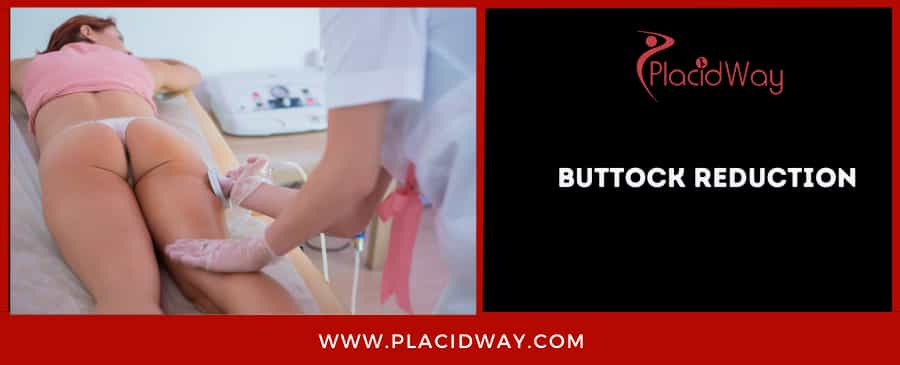
Considering Buttock Reduction Surgery? Your Guide to a More Balanced Figure
For many, a well-proportioned body contour is a key aspect of self-confidence and physical comfort. However, some individuals find themselves with naturally large or disproportionate buttocks, which can lead to a range of concerns from ill-fitting clothing and physical discomfort to feelings of self-consciousness. If you've been searching for ways to "reduce big butt" or achieve a "flatter buttocks" appearance, you're not alone.
Buttock reduction surgery, also known as gluteal reduction or buttock reshaping, is a highly effective cosmetic procedure designed to reduce the overall size of the buttocks, remove excess fat and skin, and create a more streamlined and balanced lower body silhouette. This procedure is tailored for individuals seeking to alleviate physical discomfort or improve their aesthetic balance due to overly large gluteal areas. It's not just about aesthetics; for many, it's about finding comfort in their own skin and clothing.
While diet and exercise can significantly impact body shape, genetically or hormonally influenced large buttocks often remain resistant to non-surgical approaches. This is where buttock reduction surgery offers a definitive solution. By precisely targeting and removing excess tissue, surgeons can create a contour that aligns better with your body's overall proportions, addressing common concerns like "excess fat removal buttocks" or "gluteal hypertrophy."
In recent years, an increasing number of patients are exploring medical tourism for procedures like buttock reduction. This trend is driven by the opportunity to access high-quality care at more affordable prices, often combined with the allure of a recovery period in a beautiful, private setting. This guide will walk you through everything you need to know about buttock reduction, from understanding the causes and types of procedures to navigating the world of international treatment options, helping you make an informed decision about your journey towards a more comfortable and confident you.
What are the Signs You Might Benefit from Buttock Reduction?
Identifying whether buttock reduction is right for you often begins with recognizing specific physical and emotional indicators. These aren't just about appearance; they can significantly impact your daily life and well-being. Here are common signs and symptoms that suggest you might be a candidate:
- Persistent Discomfort: You might experience discomfort or pain, especially when sitting for extended periods, or during physical activities like running or cycling, due to the sheer volume of tissue.
- Ill-Fitting Clothing: A common complaint is the challenge of finding clothes that fit properly. Pants or skirts might be too tight in the gluteal area but loose at the waist, leading to frustration and wardrobe limitations. This relates directly to searches like "disproportionate buttocks" and finding solutions for "clothing fit issues."
- Skin Irritation or Chafing: Excess skin and fat in the buttock area can lead to skin folds where moisture can accumulate, causing chafing, rashes, and hygiene difficulties.
- Limited Mobility or Exercise: The bulk of large buttocks can sometimes impede certain movements or make some exercises uncomfortable or ineffective.
- Self-Consciousness and Body Image Issues: Perhaps the most impactful sign is emotional distress. Feeling constantly self-conscious about your lower body, avoiding certain social situations, or feeling that your buttocks disproportionately define your figure can severely affect your confidence and mental health.
- Resistance to Diet and Exercise: Despite a healthy lifestyle, if your buttocks remain disproportionately large, it’s a strong indicator that genetics or other factors are at play, and surgical intervention might be the most effective solution for "reducing big butt" where non-surgical methods fail.
Why Do Some People Have Naturally Large Buttocks?
Understanding the root causes behind disproportionately large buttocks can help in deciding on the right course of action. It’s rarely just one factor but often a combination:
- Genetics: This is arguably the most significant factor. Just as people inherit eye color or hair type, they also inherit body shapes and where their body tends to store fat. If your family members have prominent gluteal areas, you are more likely to as well. This genetic predisposition means that even with a healthy weight, your body might naturally accumulate more fat in the buttocks.
- Hormonal Influences: Hormones, particularly estrogen, play a crucial role in fat distribution in women. During puberty, pregnancy, and menopause, hormonal shifts can encourage fat storage in the hips, thighs, and buttocks.
- Weight Gain and Obesity: While genetics dictate where fat is stored, overall weight gain can certainly exacerbate the size of the buttocks. When the body accumulates excess fat, it will deposit it in genetically predetermined areas, making already prominent buttocks even larger.
- Sedentary Lifestyle: A lack of physical activity can contribute to fat accumulation and muscle atrophy, which might make the gluteal area appear less toned and larger. However, this is less about specific size and more about overall firmness.
- Muscle Hypertrophy (Rare): In some rare cases, professional athletes or individuals engaging in intense glute-focused training might develop significantly large gluteal muscles. While this is less common for "buttock reduction surgery" candidates, it can be a contributing factor to overall size.
For most individuals seeking to "reduce large buttocks," the primary drivers are genetic and hormonal, making surgical intervention often the most effective and sometimes only way to achieve significant, lasting change.
What Are the Different Buttock Reduction Techniques?
Buttock reduction is not a one-size-fits-all procedure. Depending on the patient's specific anatomy, the amount of fat and skin to be removed, and their aesthetic goals, surgeons employ different techniques. The primary methods for "buttock fat removal surgery" include:
- Liposuction: This is the most common technique for buttock reduction, especially when the primary concern is excess fatty tissue with good skin elasticity.
- How it works: Small incisions are made, and a thin tube (cannula) is inserted to loosen and suction out excess fat deposits.
- Best for: Patients with firm, elastic skin and localized fat pockets in the buttocks, hips, and outer thighs who want a reduction in volume and improved contour. This addresses concerns like "buttock liposuction results" for those seeking a smoother, smaller profile.
- Advantages: Minimally invasive, smaller scars, relatively quicker recovery than surgical excision.
- Direct Surgical Excision (Lift and Reduction): This method is used when there is significant excess skin in addition to fat, often seen after massive weight loss or due to natural skin laxity.
- How it works: The surgeon makes incisions, typically along the lower back or gluteal crease, to remove larger sections of skin and underlying fat. The remaining skin is then lifted and tightened, creating a smoother, smaller, and more lifted appearance.
- Best for: Patients with substantial sagging skin and excess volume, often those dealing with "buttock skin removal" after weight loss or severe "gluteal hypertrophy."
- Advantages: Can achieve more dramatic reduction and lift, addressing skin laxity that liposuction alone cannot.
- Considerations: Involves longer incisions and more visible scarring compared to liposuction.
- Combination Approaches: In many cases, a plastic surgeon might combine liposuction with surgical excision to achieve the best possible contour. Liposuction can sculpt surrounding areas (like the flanks or thighs), while excision addresses the primary buttock volume and skin laxity.
Your surgeon will assess your body type, skin quality, and desired outcomes to recommend the most appropriate technique for your "buttock reshaping surgery."
Am I a Good Candidate for Buttock Reduction Surgery?
Determining if "is buttock reduction possible" for you involves a comprehensive evaluation by a qualified plastic surgeon. Generally, good candidates for buttock reduction surgery share several key characteristics:
- Good General Health: You should be in overall good physical health, without any active medical conditions that could impair healing or increase surgical risks. This includes conditions like uncontrolled diabetes, heart disease, or blood clotting disorders.
- Stable Weight: It's crucial to be at or near your ideal, stable weight. Significant weight fluctuations after surgery can negatively impact your results. Patients who have undergone massive weight loss should have maintained a stable weight for at least 6-12 months.
- Realistic Expectations: Understanding what the surgery can and cannot achieve is vital. The goal is improvement and contouring, not perfection. A realistic outlook on "buttock reduction before and after" results contributes to patient satisfaction.
- Non-Smoker: Smoking significantly impairs healing and increases the risk of complications. Surgeons usually require patients to quit smoking several weeks before surgery.
- Specific Concerns: You should have genuine concerns about the size or disproportion of your buttocks, whether it's for aesthetic reasons, physical discomfort, or difficulty with clothing.
- Understanding of Risks: A willingness to understand and accept the potential risks and recovery process associated with the procedure.
A personal consultation with a board-certified plastic surgeon is the best way to determine your eligibility and discuss your individual goals for "buttock reduction."
What Does Recovery from Buttock Reduction Involve?
Understanding the "buttock reduction recovery time" and what to expect during this period is essential for planning and a smooth healing process. Recovery varies depending on the extent of the surgery (liposuction vs. excision) but generally follows a similar timeline:
- Immediately After Surgery:
- You will experience pain, soreness, swelling, and bruising in the treated areas. Pain medication will be prescribed to manage discomfort.
- A compression garment will be applied to help reduce swelling, support the new contours, and aid in skin retraction. This garment is typically worn constantly for several weeks.
- Drains may be temporarily placed to collect excess fluid, especially with surgical excision.
- First 1-2 Weeks:
- Activity will be restricted. You will need to avoid sitting directly on your buttocks for at least 1-2 weeks (and often longer, up to 3-4 weeks for excisional surgery), sitting on your thighs or using a specialized pillow instead.
- Light walking is encouraged to promote circulation and prevent blood clots, but strenuous activity is forbidden.
- Bruising and swelling will be most noticeable during this period.
- Weeks 2-6:
- Most sutures (if non-dissolving) are removed around the 1-2 week mark.
- Swelling will gradually decrease, but some residual swelling may persist for months.
- You can typically resume light, non-strenuous work or daily activities.
- Strenuous exercise, heavy lifting, and activities that put direct pressure on the buttocks should still be avoided.
- Months 2-6 and Beyond:
- You can gradually return to your full exercise routine and normal activities, usually by 4-6 weeks, with surgeon approval.
- The final results of your "buttock reshaping" will become more apparent as swelling resolves completely. Scars will mature and fade over 6-12 months.
Following your surgeon's specific post-operative instructions diligently is paramount for optimal healing and achieving the best "buttock reduction results."
What are the Potential Risks and Side Effects of Buttock Reduction?
While buttock reduction is generally safe when performed by a qualified and experienced surgeon, it's important to be aware of the potential risks and side effects, similar to any surgical procedure:
- General Surgical Risks:
- Anesthesia Risks: Reactions to anesthesia, though rare, can occur.
- Infection: Any surgical incision carries a risk of infection, which can be minimized with proper post-operative care and antibiotics.
- Bleeding: Excessive bleeding during or after surgery, potentially requiring drainage or further intervention.
- Blood Clots: Deep vein thrombosis (DVT) is a serious but rare risk, which can lead to pulmonary embolism. Early ambulation after surgery helps prevent this.
- Specific Buttock Reduction Risks:
- Seroma: Accumulation of fluid under the skin, which may require drainage.
- Hematoma: Collection of blood under the skin.
- Poor Wound Healing: Incisions may heal slowly or poorly, especially in smokers or patients with certain medical conditions.
- Scarring: While surgeons strive for discreet incisions, scars are inevitable with excisional surgery. They may be noticeable, especially if they widen or become raised (hypertrophic or keloid scars).
- Asymmetry: Despite the surgeon's best efforts, some degree of asymmetry between the two sides can occur.
- Contour Irregularities: Unevenness, dimpling, or lumpiness of the skin after liposuction or excision.
- Changes in Sensation: Temporary or, rarely, permanent numbness or altered sensation in the treated areas.
- Skin Laxity: In some cases, if skin elasticity is poor, the skin may not retract fully, leading to some residual laxity.
A thorough discussion with your surgeon about these "buttock reduction risks" and how they are managed is crucial before proceeding with the surgery.
How Much Does Buttock Reduction Cost Globally?
The "buttock reduction surgery cost" is a significant factor for many patients. Prices vary widely based on geographic location, the surgeon's experience, the complexity of the procedure (liposuction vs. excision), facility fees, anesthesia, and post-operative care. Medical tourism has become popular due to these cost differences, offering access to quality care at more accessible prices.
Here's a general comparison of buttock reduction costs in various countries (prices are estimates and can fluctuate):
| Country | Estimated Cost Range (USD) | Notes |
|---|---|---|
| USA | $8,000 - $20,000+ | High surgeon fees, facility costs. May include comprehensive aftercare. |
| United Kingdom | £6,000 - £15,000 ($7,500 - $19,000+) | Similar to USA in price, may be slightly lower for certain clinics. |
| Mexico | $4,000 - $8,000 | Popular medical tourism destination. Quality clinics available, lower operational costs. |
| Turkey | $4,500 - $9,000 | Growing reputation for cosmetic surgery, competitive pricing, all-inclusive packages. |
| Thailand | $5,000 - $10,000 | Known for high-quality medical facilities and experienced surgeons, often combined with a holiday. |
| Colombia | $4,000 - $7,500 | Emerging destination for cosmetic procedures, especially in cities like Medellin. |
It's crucial to remember that these are average estimates. A personalized quote will depend on your specific needs and the chosen clinic/surgeon. Always inquire about what's included in the price (e.g., anesthesia, facility fees, post-operative garments, follow-up appointments).
Why Consider Buttock Reduction Abroad?
The decision to seek "buttock reduction surgery abroad" is gaining traction for several compelling reasons:
- Significant Cost Savings: As seen in the cost comparison, the price for the same quality of procedure can be drastically lower in medical tourism hotspots compared to Western countries. This makes life-changing surgery accessible to a wider range of patients.
- Access to Specialized Expertise: Many countries boast world-renowned plastic surgeons who specialize in body contouring procedures like buttock reduction, offering a high level of skill and experience.
- Reduced Waiting Times: In some countries, long waiting lists for cosmetic surgery can be a deterrent. Traveling abroad often allows for quicker scheduling and planning.
- Privacy and Anonymity: Recovering from surgery in a foreign country can offer a greater sense of privacy and anonymity, away from local scrutiny or obligations.
- Combine Treatment with Travel: Many patients appreciate the opportunity to combine their surgery with a short vacation, allowing for relaxation and recovery in a new, often beautiful, environment. It transforms a medical procedure into a more holistic experience.
- All-Inclusive Packages: Many international clinics and medical tourism facilitators offer comprehensive packages that include accommodation, airport transfers, and sometimes even a nurse's care, simplifying the logistical burden for patients.
Choosing to undergo buttock reduction abroad can be a financially savvy and personally enriching decision, provided thorough research and planning are undertaken.
Which Countries Offer the Best Value for Buttock Reduction?
When searching for "buttock reduction surgery abroad," certain countries consistently emerge as top choices for offering excellent value, blending affordability with high standards of care:
- Mexico: Particularly cities like Tijuana, Cancun, and Guadalajara, are popular due to their proximity to the US, competitive pricing, and numerous experienced, board-certified plastic surgeons. Many clinics cater specifically to international patients.
- Turkey: Istanbul has become a global hub for cosmetic surgery, including buttock reduction. Turkey offers state-of-the-art facilities, highly skilled surgeons, and attractive all-inclusive packages that significantly reduce overall costs, often including accommodation and transport.
- Thailand: Bangkok and Phuket are renowned for their world-class hospitals and aesthetic clinics. Patients receive excellent care from internationally trained surgeons, often in luxurious settings, at a fraction of Western prices. It's an ideal choice for combining recovery with a relaxing tropical vacation.
- Colombia: Cities like Medellin and Cali are gaining recognition for their skilled plastic surgeons and modern clinics. Colombia offers a blend of quality, affordability, and a vibrant cultural experience.
- South Korea: While often associated with facial procedures, South Korea also excels in body contouring. It offers highly advanced techniques and technology, albeit at a slightly higher price point than some other Asian destinations, but still often more affordable than the West.
When selecting a country, consider not just the cost, but also factors like surgeon's qualifications, clinic accreditation, patient reviews, and ease of travel.
What to Expect When Traveling for Buttock Reduction Abroad?
Embarking on a medical journey for "buttock reduction abroad" requires careful planning. Here's a general outline of what to expect:
- Initial Research & Consultation:
- Start by researching reputable clinics and surgeons in your chosen destination.
- Most clinics offer virtual consultations, allowing you to discuss your goals, medical history, and receive a preliminary assessment and quote without traveling.
- Planning Your Trip:
- Once you choose a clinic and surgeon, coordinate your surgery date.
- Book flights and accommodation. Many clinics offer all-inclusive packages that cover this.
- Factor in sufficient time for recovery. For buttock reduction, plan to stay in the destination country for at least 1-3 weeks post-surgery for initial healing and follow-up appointments.
- Arrival and Pre-operative Appointments:
- Upon arrival, you'll have an in-person consultation with your surgeon. This is vital to finalize your surgical plan and address any last-minute questions.
- You'll undergo pre-operative tests (blood work, EKG, etc.) to ensure you're fit for surgery.
- The Procedure and Immediate Recovery:
- The surgery will be performed in an accredited facility.
- Post-surgery, you'll spend time in recovery, often one night in the hospital, followed by recuperation at your accommodation.
- Post-operative Care and Follow-ups:
- Regular follow-up appointments with your surgeon will monitor your healing, manage pain, and remove sutures/drains.
- You'll receive detailed instructions for wound care, compression garment use, and activity restrictions.
- It's crucial to adhere to these instructions to ensure safe healing.
- Return Home:
- Once cleared by your surgeon, you can travel home. Continue to follow post-operative instructions for ongoing recovery.
- Maintain communication with your surgeon for any concerns after returning.
How to Ensure Safety and Quality for Buttock Reduction Abroad?
Ensuring safety and quality is paramount when considering "buttock reduction surgery abroad." Here are key steps to mitigate risks and ensure a positive outcome:
- Research Surgeon Credentials:
- Verify that your surgeon is board-certified in plastic surgery in their country and ideally has international affiliations or training.
- Look for extensive experience specifically in buttock reduction and body contouring. Review their "buttock reduction before and after" gallery to assess their aesthetic style and results.
- Check for positive patient reviews and testimonials.
- Clinic Accreditation:
- Choose clinics or hospitals that hold international accreditations, such as Joint Commission International (JCI). This signifies adherence to global standards for patient safety and quality of care.
- Ensure the facility is well-equipped, clean, and modern.
- Transparent Communication:
- Communicate openly and clearly with your medical team. Ensure there are no language barriers; many clinics offer translators.
- Ask detailed questions about the procedure, recovery, risks, and what's included in the cost.
- Comprehensive Pre- and Post-operative Care:
- Confirm that the clinic provides thorough pre-operative assessments to ensure you are a suitable candidate.
- Inquire about the post-operative care plan, including follow-up appointments, pain management, and emergency protocols.
- Understand what support is available once you return home.
- All-Inclusive Packages vs. Itemized Costs:
- If opting for a package, ensure you understand exactly what's included (e.g., surgeon's fee, anesthesia, facility costs, medication, compression garment, accommodation, transfers).
- Beware of unusually low prices, as they might indicate hidden costs or compromised quality.
- Travel Insurance:
- Consider purchasing travel insurance that covers medical emergencies, including those related to elective procedures abroad.
By taking these steps, you can confidently pursue safe and high-quality "buttock reduction" care internationally.
What Are Patient Success Stories from Buttock Reduction Abroad?
Hearing about others' experiences can be incredibly reassuring when considering a significant procedure like buttock reduction abroad. While individual results vary, many patients report overwhelmingly positive outcomes, reflecting the "buttock reduction results" they hoped for:
- "Clara's Confidence Boost in Turkey": Clara, a 38-year-old from the UK, had always struggled with disproportionately large buttocks, making clothes shopping a nightmare. After extensive research, she chose a clinic in Istanbul. "The entire experience was seamless," she recounts. "From the virtual consultation to the in-person care, everything was top-notch. I saved thousands compared to getting it done at home, and now my clothes fit beautifully. My confidence has soared, and I finally feel balanced."
- "Mark's Comfort and Contour in Mexico": Mark, a 45-year-old from the US, experienced physical discomfort and chafing due to his large gluteal area. He opted for buttock reduction and liposuction in Tijuana. "I was a bit nervous about traveling for surgery, but the clinic was incredibly professional and modern," Mark shares. "My recovery was well-managed, and the results are fantastic. Not only do I look better, but I'm also so much more comfortable sitting and exercising. It's been a life-changer for me."
- "Sophia's New Silhouette in Thailand": Sophia, 32, from Australia, felt her gluteal hypertrophy made her self-conscious. She chose Thailand for her surgery and enjoyed the added benefit of a private recovery. "The surgeon was so skilled, and the hospital facilities were like a five-star hotel," she explains. "My buttock reduction was perfectly tailored, and I now have a much more feminine and proportionate figure. The cost savings meant I could also have a relaxing post-op vacation, which was wonderful for my mental recovery."
These stories underscore the potential for transformative results, both physical and emotional, accessible through carefully planned medical tourism. They often highlight the combination of high-quality surgical outcomes with the added benefits of affordability, privacy, and an enriching travel experience.
Take the Next Step with PlacidWay
Ready to explore treatment options abroad? Discover top clinics, compare prices, and get a free quote tailored to your needs with PlacidWay.
Cosmetic Surgery Abroad, Plastic Surgery Abroad


.png)

.png)




.png)

.png)










Share this listing