
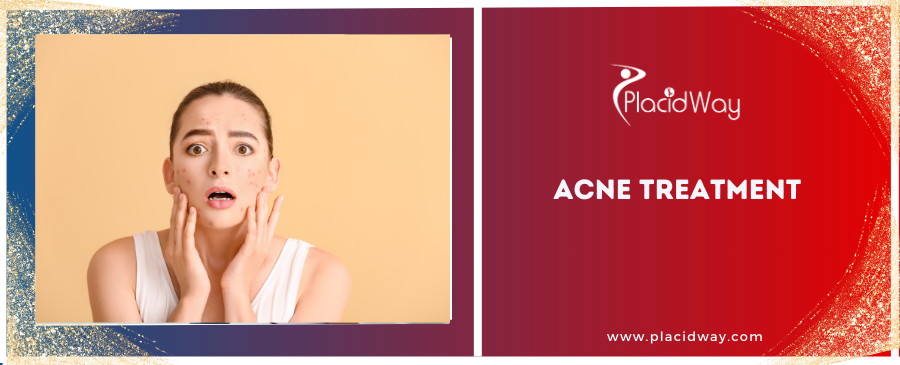
Reclaim Your Confidence: Effective Acne Treatment Solutions Worldwide
Dealing with persistent acne can be frustrating, impacting not just your skin but your self-esteem. Whether you're struggling with occasional breakouts, painful cystic acne, or the lasting marks of acne scarring, finding an effective solution is key to achieving clearer, healthier skin and renewed confidence. Many people search for "best acne treatment for adults," "how to get rid of acne fast," or "effective acne solutions" because they want to understand their options beyond over-the-counter remedies. This comprehensive guide explores the world of acne treatment, from understanding its root causes and common symptoms like blackheads, whiteheads, and inflamed pimples, to discovering advanced medical procedures available globally. For those considering medical tourism, the prospect of accessing high-quality, affordable acne care abroad offers a compelling pathway to a blemish-free future.
What are the common symptoms of acne?
Acne is more than just a "pimple" – it's a chronic inflammatory skin condition with a range of visible signs. Understanding what these "types of pimples" look like can help in identifying the severity and guiding treatment. Common symptoms include:
- Blackheads (Open Comedones): Small, dark bumps that appear when hair follicles are clogged with oil and dead skin cells, and the pore remains open.
- Whiteheads (Closed Comedones): Small, flesh-colored or whitish bumps formed when clogged hair follicles are covered by a thin layer of skin.
- Papules: Small, red, tender bumps that don't have a pus-filled head. These indicate inflammation.
- Pustules: Red, tender bumps with a white or yellow center of pus. These are what most people think of as a "zit."
- Nodules: Large, solid, painful lumps that lie beneath the surface of the skin. They are caused by deep inflammation and can persist for weeks or months.
- Cysts: Large, painful, pus-filled lesions deep within the skin. Cysts resemble boils and are the most severe form of acne, often leading to significant scarring.
Beyond these individual lesions, acne can also present as generally oily skin (seborrhea), and in severe cases, leave behind acne scars (ice pick, boxcar, rolling scars) and hyperpigmentation (dark spots).
What causes acne and who is most at risk?
Acne isn't caused by a single factor, but rather a combination of elements. Patients often ask, "Why do I get acne?" or "Is my diet causing acne?". The primary causes include:
- Excess Sebum Production: Your skin's oil glands (sebaceous glands) produce too much oil (sebum), making the skin greasy.
- Dead Skin Cell Accumulation: Dead skin cells don't shed properly and can clog hair follicles.
- Bacterial Growth: The bacterium Propionibacterium acnes (P. acnes), which lives on the skin, multiplies rapidly in clogged, oily follicles, leading to inflammation.
- Inflammation: The body's immune response to bacteria and clogged follicles results in redness, swelling, and pain.
Risk factors that can exacerbate these causes include:
- Hormonal Changes: Puberty, menstruation, pregnancy, and polycystic ovary syndrome (PCOS) can trigger increased androgen levels, leading to more oil production.
- Genetics: If your parents had acne, you're more likely to develop it.
- Diet: While controversial, some studies suggest a link between high-glycemic foods (sugars, refined carbohydrates) and dairy products with acne severity in some individuals.
- Stress: Stress doesn't directly cause acne but can worsen existing breakouts by influencing hormone production.
- Medications: Certain drugs like corticosteroids, testosterone, lithium, and some anti-epileptic drugs can cause or worsen acne.
- Cosmetics: Oil-based or pore-clogging makeup and skincare products can contribute to breakouts.
- Friction: Pressure or friction on the skin from helmets, tight collars, or backpacks can trigger "acne mechanica."
What are the different types of effective acne treatments available?
Finding the "best treatment for cystic acne" or "how to clear acne scars" often involves a combination approach, tailored to your specific condition. Treatments fall into several categories:
Topical Treatments:
- Retinoids (e.g., Tretinoin, Adapalene): Derived from Vitamin A, these creams promote cell turnover, preventing follicles from clogging and reducing inflammation.
- Benzoyl Peroxide: Kills acne-causing bacteria and helps shed dead skin cells.
- Salicylic Acid: A beta-hydroxy acid that exfoliates the skin, unclogging pores.
- Topical Antibiotics (e.g., Clindamycin, Erythromycin): Reduce bacteria and inflammation.
- Azelaic Acid: Reduces bacteria, inflammation, and helps prevent clogged pores.
Oral Medications:
- Oral Antibiotics (e.g., Doxycycline, Minocycline): Reduce bacteria and inflammation for moderate to severe acne.
- Hormonal Therapies: Oral contraceptives or anti-androgen drugs can regulate hormones in women, reducing oil production.
- Isotretinoin (Accutane): A powerful retinoid for severe, resistant cystic acne. It significantly reduces oil production and cell turnover.
In-Office Procedures:
- Chemical Peels: A solution (e.g., glycolic, salicylic, lactic acid) is applied to the skin to exfoliate and unblock pores, reducing breakouts and improving skin texture.
- Microdermabrasion: Uses a device to gently exfoliate the outermost layer of skin, improving texture and reducing superficial scarring.
- Laser and Light Therapies:
- Photodynamic Therapy (PDT): Uses light to target and destroy P. acnes bacteria and reduce oil gland activity.
- Pulsed Dye Laser (PDL): Reduces redness and inflammation from active acne and can improve red acne marks.
- Fractional Lasers (e.g., Fraxel): Resurface the skin, stimulating collagen production to improve acne scars.
- IPL (Intense Pulsed Light): Targets acne bacteria and reduces redness.
- Acne Extraction: A dermatologist manually removes blackheads and whiteheads.
- Steroid Injections: Corticosteroids can be injected directly into painful cystic lesions to reduce inflammation and speed healing.
Who is a good candidate for advanced acne treatment?
If you're asking, "When should I see a dermatologist for acne?" or "Is laser treatment good for acne scars?", you might be a candidate for more advanced treatments. You could be a good candidate if:
- Your acne is moderate to severe: This includes numerous papules, pustules, painful nodules, or cysts.
- Over-the-counter and basic prescription treatments haven't worked: You've tried topical creams and oral antibiotics for several months without significant improvement.
- You're experiencing significant scarring: "How to clear acne scars" is a common patient concern. If you have ice pick, boxcar, or rolling scars, advanced treatments like fractional lasers or microneedling can help.
- Acne is impacting your quality of life: The emotional and psychological toll of acne can be significant, leading to anxiety, depression, or social withdrawal.
- You have specific types of acne: Conditions like acne conglobata or acne fulminans require aggressive, specialized treatment.
- You're looking for faster, more dramatic results: Procedures often offer quicker and more substantial improvements compared to topical or oral medications alone.
A thorough consultation with a dermatologist is crucial to determine the most suitable treatment plan for your specific skin type and condition.
What is the typical recovery time after acne procedures?
Recovery periods differ greatly depending on the intensity of the treatment. Understanding "acne laser treatment downtime" or "recovery after chemical peel for acne" is essential for planning.
- Topical & Oral Medications: Generally no downtime, though you might experience initial dryness, redness, or peeling as your skin adjusts (e.g., with retinoids or benzoyl peroxide).
- Mild Chemical Peels (e.g., Salicylic, Glycolic): Expect mild redness and some flaking, similar to a sunburn, for 1-3 days. You can usually return to normal activities immediately.
- Medium Chemical Peels: Recovery involves more noticeable redness, swelling, and peeling that can last 3-7 days. Social downtime might be recommended.
- Deep Chemical Peels (Rare for active acne, more for severe scarring): Can require 7-14 days of significant downtime with intense redness, swelling, and crusting.
- Microdermabrasion: Minimal downtime, with slight redness for a few hours.
- Laser & Light Therapies (e.g., IPL, Pulsed Dye Laser): Downtime is typically minimal, with some redness or mild swelling for a few hours to 1-2 days.
- Fractional Lasers (for scarring): Recovery can involve 3-7 days of redness, swelling, and a 'sandpaper' texture as the skin heals and peels.
- Acne Extractions & Steroid Injections: Localized redness and possibly minor bruising for 1-2 days.
Always follow your doctor's post-treatment care instructions, including sun protection, to ensure optimal healing and results.
What are the potential risks and side effects of acne treatments?
While effective, "are acne treatments safe?" is a valid concern, as most treatments carry potential side effects. These can range from mild and temporary to more serious complications:
Common Side Effects:
- Dryness, Redness, Itching, Peeling: Especially common with topical retinoids, benzoyl peroxide, salicylic acid, and oral isotretinoin.
- Sun Sensitivity: Many acne medications, both topical and oral, make your skin more vulnerable to sunburn.
- Gastric Upset: Oral antibiotics can cause nausea or stomach pain.
- Headaches/Muscle Aches: Reported with isotretinoin.
More Severe Risks (especially with procedures):
- Post-Inflammatory Hyperpigmentation (PIH): Dark spots that can occur after acne lesions or procedures, especially in individuals with darker skin tones.
- Hypopigmentation: Lighter spots, less common but possible with aggressive laser treatments or chemical peels.
- Blistering or Crusting: Can occur with deeper peels or lasers if not properly managed.
- Infection: A risk with any procedure that breaks the skin barrier, though rare with proper sterile techniques.
- Scarring: Paradoxically, aggressive or improperly performed treatments (like deep peels or some lasers) can lead to scarring.
- Allergic Reactions: Rare, but possible with topical or oral medications.
- Birth Defects: Isotretinoin is highly teratogenic (causes severe birth defects) and requires strict contraception for women of childbearing age.
- Liver Issues: Rare with isotretinoin, requiring regular blood tests.
Always discuss potential "side effects of isotretinoin" or any other treatment with your dermatologist to understand the risks and ensure proper monitoring.
How much does acne treatment cost worldwide?
The cost of acne treatment can be a major factor for many patients, leading to searches for "acne treatment cost UK vs Turkey" or "affordable acne solutions abroad." Prices fluctuate dramatically between countries and depend on the specific treatment, the number of sessions required, and the clinic's reputation. Here’s a general comparison:
| Treatment Type | USA / Canada | UK / Western Europe | Turkey / Mexico | Thailand / India / South Korea |
|---|---|---|---|---|
| Dermatologist Consultation | $150 - $400 | €100 - €300 / £80 - £250 | $50 - $150 | $40 - $120 |
| Chemical Peel (single session) | $150 - $400 | €100 - €350 / £80 - £300 | $70 - $250 | $60 - $200 |
| Laser Acne Treatment (per session) | $300 - $800 | €250 - €700 / £200 - £600 | $150 - $450 | $120 - $400 |
| Microdermabrasion (per session) | $100 - $250 | €70 - €200 / £60 - £180 | $40 - $100 | $30 - $90 |
| Isotretinoin Course (per month, medication only) | $100 - $500 | €50 - €200 / £40 - £180 | $30 - $100 | $20 - $80 |
Disclaimer: These are approximate costs and can vary significantly based on clinic, doctor's expertise, brand of medication/device, and individual patient needs. Many advanced treatments require multiple sessions for optimal results.
Why should I consider getting acne treatment abroad?
For those struggling with persistent acne and seeking effective solutions, medical tourism for acne can offer compelling advantages:
- Significant Cost Savings: This is often the primary driver. Procedures and medications can be 50-70% cheaper abroad than in countries like the USA, Canada, or the UK, even factoring in travel expenses.
- Access to Advanced Technology & Expertise: Many international clinics, particularly in countries known for medical tourism, invest heavily in the latest laser technologies, advanced peels, and dermatological expertise that may not be readily available or affordable at home.
- Shorter Wait Times: Long waiting lists for dermatological consultations or specific procedures are common in some public healthcare systems. Abroad, appointments can often be secured much more quickly.
- Privacy and Discretion: Combining treatment with a vacation can offer a sense of privacy, allowing patients to recover away from their usual environment.
- Comprehensive Care Packages: Many clinics offer all-inclusive packages that cover consultations, procedures, and sometimes even accommodation, simplifying the process for international patients.
Which countries offer the best value for acne treatment?
When considering "best countries for medical tourism acne," several destinations stand out for their blend of quality, affordability, and patient-focused care:
- Turkey: Known for its modern medical infrastructure, highly skilled dermatologists, and competitive pricing for laser treatments, chemical peels, and comprehensive acne management plans.
- Mexico: A popular choice for North American patients due to proximity. Offers excellent quality clinics, often with US-trained doctors, at significantly lower costs.
- Thailand: Combines world-class medical facilities with renowned hospitality. Patients can receive advanced acne treatments while enjoying a recovery vacation.
- India: Boasts a large pool of experienced dermatologists and state-of-the-art clinics, offering highly cost-effective solutions for various acne conditions and scarring.
- South Korea: A global leader in dermatology and aesthetic treatments, particularly for complex skin conditions and advanced anti-aging or scar-reduction therapies. "Acne treatment Korea" is often synonymous with cutting-edge technology and exceptional results, though potentially at a higher price point than other Asian destinations.
What should I expect when traveling abroad for acne treatment?
Embarking on "medical travel for skin" requires some planning, but the process is often streamlined by medical tourism facilitators like PlacidWay. Here's what you can generally expect:
- Initial Research & Inquiry: You'll start by researching clinics and treatments. A medical tourism provider can help connect you with suitable options.
- Virtual Consultation: Many clinics offer remote consultations with a dermatologist to assess your condition, discuss treatment options, and provide a preliminary quote.
- Treatment Planning & Logistics: Once you choose a clinic, they (or your facilitator) will help with travel arrangements, including flights, accommodation, and airport transfers.
- Arrival & In-Person Consultation: Upon arrival, you'll have a detailed in-person consultation, possibly with additional diagnostic tests, to finalize your personalized treatment plan.
- Treatment Day(s): Your scheduled procedures will be performed by experienced dermatologists and technicians.
- Recovery & Follow-up: Depending on the treatment, you'll have a recovery period, followed by post-procedure check-ups before you travel home. Many clinics offer virtual follow-ups.
- Language Support: Reputable clinics often have multilingual staff or translators to ensure clear communication.
Always ensure you have clear communication with your chosen clinic regarding pre-treatment instructions, what to bring, and post-treatment care.
How can I ensure safety and quality when getting acne treatment abroad?
Ensuring a "safe acne treatment abroad" experience is paramount. Here's how to safeguard your journey:
- Look for International Accreditation: Choose clinics accredited by recognized international bodies like Joint Commission International (JCI). This signifies adherence to rigorous quality and patient safety standards.
- Verify Doctor Credentials: Research the dermatologist's qualifications, experience, and specialization. Check for board certifications, professional memberships, and how long they have been performing the specific procedures you are interested in.
- Read Patient Reviews and Testimonials: Look for honest feedback on independent platforms. While not the sole factor, consistent positive reviews offer reassurance.
- Review Clinic Facilities: Ensure the clinic maintains high hygiene standards, uses modern equipment, and follows international best practices. Virtual tours or photos can be helpful.
- Understand the Treatment Plan: Ask detailed questions about the procedure, expected outcomes, potential risks, and aftercare. Ensure all your concerns are addressed.
- Use a Reputable Medical Tourism Facilitator: Companies like PlacidWay vet clinics and doctors, provide transparent information, and offer support throughout your journey, minimizing risks and simplifying logistics.
- Ensure Clear Communication: Confirm that you will have access to English-speaking staff or a reliable translator.
- Insurance: Understand if your travel or medical insurance covers complications from international elective procedures.
Are there success stories of patients getting acne treatment abroad?
Indeed, countless individuals have found life-changing success through acne treatment abroad. Many patients share stories of finally achieving clear, healthy skin after years of struggle with conventional treatments at home. These success stories often highlight several key benefits:
- Breakthrough Results: Patients who traveled for advanced laser therapies or specific combination treatments often report significant reduction in active breakouts and a marked improvement in acne scarring that they couldn't achieve domestically.
- Renewed Confidence: Beyond the physical improvements, patients frequently express how their clearer skin has boosted their self-esteem, improving their social interactions and overall quality of life.
- Affordability Without Compromise: A common theme is the ability to access high-quality, effective treatments at a fraction of the cost, making advanced care financially accessible.
- Personalized and Comprehensive Care: Many find that international clinics offer a holistic approach, with dermatologists dedicating ample time to create tailored treatment plans and provide thorough follow-up.
These positive experiences underscore that medical tourism for acne is a viable and often superior option for those seeking effective, affordable, and high-quality dermatological care globally.
Take the Next Step with PlacidWay
Ready to explore treatment options abroad? Discover top clinics, compare prices, and get a free quote tailored to your needs with PlacidWay.
Skin Care, Skin Rejuvenation


.png)


Share this listing