
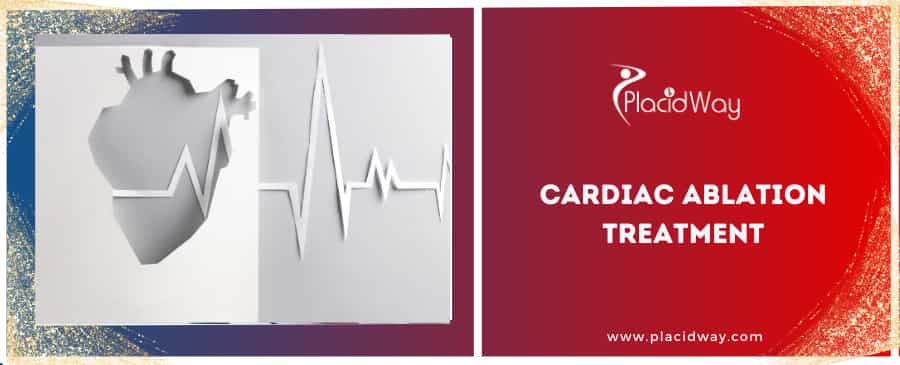
Your Guide to Cardiac Ablation Treatment: Restoring a Steady Heart Rhythm
Living with an irregular heartbeat, or arrhythmia, can be unsettling, impacting your energy, comfort, and overall quality of life. The sensation of a racing, fluttering, or skipping heart can cause anxiety and even lead to more serious health concerns. If you've been told you have an arrhythmia that medication isn't fully controlling, or if you're seeking a more definitive solution, you might be exploring options like cardiac ablation treatment. This advanced, minimally invasive procedure has emerged as a highly effective way to restore your heart's natural rhythm and reclaim your vitality.
Cardiac ablation is a sophisticated treatment designed to correct faulty electrical signals in your heart that cause irregular heartbeats. Think of your heart as a beautifully orchestrated electrical system; when a wire goes astray, the rhythm can become chaotic. Ablation works by precisely targeting and neutralizing these "stray wires" – small areas of heart tissue responsible for the abnormal signals – without affecting the healthy tissue. This allows your heart to return to a steady, efficient beat.
For many, the question of "what is cardiac ablation?" opens up a world of hope for a life free from the constraints of a disruptive heart condition. It's often recommended for conditions such as atrial fibrillation (AFib), atrial flutter, supraventricular tachycardia (SVT), and ventricular tachycardia. While the idea of a heart procedure might sound daunting, advancements in medical technology have made cardiac ablation a routine and generally safe option with high success rates. If you're struggling with symptoms like persistent palpitations, dizziness, shortness of breath, or fatigue due to an arrhythmia, understanding this procedure could be your first step towards a healthier, more predictable heart rhythm.
What Symptoms Indicate You Might Need Cardiac Ablation?
Recognizing the signs that your heart might be sending distress signals is crucial. Many people live with arrhythmias for a while before seeking diagnosis, often attributing symptoms to stress or anxiety. However, persistent or worsening symptoms should always prompt a visit to a cardiologist. Here are common symptoms that might suggest you could benefit from cardiac ablation:
- Palpitations: A feeling that your heart is racing, pounding, fluttering, or skipping beats. This is one of the most common complaints.
- Dizziness or Lightheadedness: Caused by reduced blood flow to the brain during irregular heartbeats.
- Shortness of Breath: Your heart may not be pumping blood efficiently, leading to difficulty breathing, especially during exertion.
- Chest Discomfort: You might experience pressure, tightness, or pain in the chest, which can sometimes be confused with other heart conditions.
- Fatigue: A constant feeling of tiredness or lack of energy, even after rest, as your heart struggles to keep up with the body's demands.
- Weakness: General muscle weakness or a feeling of being unwell.
- Anxiety or Panic: The unpredictable nature of arrhythmias can lead to significant emotional distress.
If you're experiencing any of these symptoms regularly, particularly if they interfere with your daily activities or worsen over time, it's essential to consult a healthcare professional. They can conduct tests like an ECG, Holter monitor, or echocardiogram to accurately diagnose your arrhythmia and determine if "cardiac ablation for AFib" or another type of ablation is the right course of action for you.
What Causes Heart Arrhythmias and Who is at Risk?
Understanding the root causes of arrhythmias can help in prevention and effective treatment. Your heart's rhythm is controlled by electrical impulses that originate in a specialized area called the sinus node. When these impulses misfire, or when other parts of the heart start generating their own impulses, an arrhythmia occurs.
Common causes and risk factors include:
- Underlying Heart Conditions: Previous heart attack, coronary artery disease, heart failure, and structural heart defects can damage heart tissue, leading to abnormal electrical pathways.
- High Blood Pressure (Hypertension): Over time, high blood pressure can thicken and stiffen the heart muscle, making it more prone to arrhythmias.
- Diabetes: Poorly controlled diabetes can contribute to heart disease, increasing arrhythmia risk.
- Thyroid Disorders: Both an overactive (hyperthyroidism) and underactive (hypothyroidism) thyroid can affect heart rate and rhythm.
- Electrolyte Imbalances: Abnormal levels of potassium, sodium, calcium, and magnesium in the blood can disrupt heart electrical signals.
- Sleep Apnea: This condition, where breathing repeatedly stops and starts during sleep, can put stress on the heart.
- Excessive Alcohol or Caffeine Intake: Stimulants can trigger palpitations in sensitive individuals.
- Stress and Anxiety: While not direct causes, extreme stress can exacerbate existing arrhythmias or trigger episodes.
- Certain Medications: Some over-the-counter and prescription drugs can have side effects that affect heart rhythm.
- Genetics: A family history of arrhythmias can increase your personal risk.
- Age: The risk of developing arrhythmias like atrial fibrillation increases with age.
Identifying and managing these risk factors is an important part of addressing your arrhythmia. Your doctor will assess your medical history and lifestyle to determine the most likely cause and the most appropriate treatment, including whether you are a suitable candidate for cardiac ablation.
What Are the Different Types of Cardiac Ablation Procedures?
When considering "cardiac ablation treatment," it's helpful to understand that there isn't just one method. The choice of ablation technique depends on the type of arrhythmia, its location, and the patient's overall health. The goal, however, remains the same: to create small, precise scars that block the irregular electrical pathways.
The two most common types are:
- Radiofrequency (RF) Ablation:
- How it works: This is the most widely used method. A thin, flexible catheter is inserted into a blood vessel (usually in the groin) and guided to the heart. The tip of the catheter delivers radiofrequency energy, which creates a localized heat injury, essentially burning a tiny spot of heart tissue.
- Analogy: Think of it like using a tiny soldering iron to "disconnect" the faulty electrical circuit in your heart.
- Cryoablation (Balloon Ablation):
- How it works: Similar to RF ablation in catheter insertion, but instead of heat, the catheter tip delivers extremely cold temperatures (freezing) to the target tissue. This creates a tiny ice ball that inactivates the electrical pathway.
- Analogy: Imagine "frosting over" the faulty circuit with a targeted cold blast to silence it. Cryoablation is particularly effective for isolating pulmonary veins, a common source of AFib.
Less common or specialized types include:
- Laser Ablation: Uses laser energy delivered via a catheter to create lesions.
- Surgical Ablation (Maze Procedure): For very complex cases or when open-heart surgery is already being performed for another condition (e.g., valve repair). The surgeon directly creates a series of incisions or burns in a "maze" pattern on the heart's surface to block abnormal signals.
Your electrophysiologist will discuss the most appropriate ablation technique for your specific condition after thorough diagnostic testing. The choice will influence aspects like the "recovery after cardiac ablation" and the expected success rate.
Who is an Ideal Candidate for Cardiac Ablation Treatment?
Deciding "who needs cardiac ablation?" involves a careful evaluation by a heart specialist (electrophysiologist). It's not suitable for everyone, but for many, it offers a life-changing opportunity to regain a normal heart rhythm. You might be considered an ideal candidate if:
- Medications are Ineffective: Your arrhythmia persists despite trying one or more antiarrhythmic medications.
- Medication Side Effects: You experience intolerable side effects from antiarrhythmic drugs.
- Specific Arrhythmia Types: You have certain types of arrhythmias like paroxysmal atrial fibrillation (AFib that comes and goes), atrial flutter, or certain types of supraventricular tachycardia (SVT) or ventricular tachycardia (VT) that are known to respond well to ablation.
- High-Risk for Complications: Your arrhythmia puts you at high risk for complications like stroke (especially with AFib) and you are seeking a more permanent solution than medication alone.
- Good Overall Health: You are generally in good health, without severe underlying heart disease or other conditions that would make the procedure too risky.
- Desire for Improved Quality of Life: Your arrhythmia significantly impacts your daily activities, energy levels, and overall well-being.
Before qualifying for the procedure, your doctor will perform a comprehensive assessment, including detailed imaging of your heart, to ensure ablation is the safest and most effective option for your unique situation. This assessment helps determine the "cardiac ablation success rate" specific to your condition.
What Does Recovery From Cardiac Ablation Involve?
Understanding "recovery after cardiac ablation" is vital for setting realistic expectations. While it's a minimally invasive procedure, your body needs time to heal and adjust. Here’s a general overview:
- Immediately After the Procedure: You'll spend several hours in a recovery room, often lying flat to prevent bleeding from the catheter insertion site (usually in your groin). You'll be monitored closely for any complications.
- Hospital Stay: Most patients stay in the hospital for 1-2 days.
- First Few Days at Home:
- Activity Restrictions: You'll likely need to avoid heavy lifting, strenuous exercise, and intense physical activity for about a week.
- Pain and Discomfort: It's common to feel tired, experience mild chest discomfort, and have some bruising or soreness at the catheter insertion site. Over-the-counter pain relievers usually manage this.
- Arrhythmias: You might still experience some irregular heartbeats or palpitations in the weeks following the procedure. This is normal as your heart heals and electrical signals stabilize. It can take some time for the full effect of the ablation to be apparent.
- Long-Term Recovery: Full recovery and the complete stabilization of your heart rhythm can take anywhere from a few weeks to up to three months. During this period, your doctor will likely prescribe blood thinners and other medications. Regular follow-up appointments, including ECGs and Holter monitors, will be scheduled to track your progress.
Patience is key during recovery. Listen to your body and follow your doctor's instructions meticulously to ensure the best possible outcome and maximize the "cardiac ablation success rate."
What Are the Potential Risks and Side Effects of Cardiac Ablation?
Like any medical procedure, cardiac ablation carries some potential risks and side effects, though serious complications are rare. Your medical team will discuss these thoroughly with you, explaining "is cardiac ablation safe" in your specific context. Understanding them helps in making an informed decision:
- Minor Complications (Most Common):
- Bleeding or Bruising: At the catheter insertion site in the groin or arm.
- Soreness: Mild chest discomfort or soreness in the throat (if a breathing tube was used).
- Fatigue: Common for several days post-procedure.
- Serious Complications (Rare):
- Heart Perforation: Extremely rare, but the catheter could accidentally puncture the heart wall, potentially leading to fluid accumulation around the heart (cardiac tamponade). This usually requires emergency intervention.
- Stroke: A small risk exists from blood clots forming on the catheters and traveling to the brain. Blood thinners are used to minimize this risk.
- Damage to Blood Vessels: The catheter insertion can occasionally damage the artery or vein.
- Esophageal Injury: For AFib ablation, the esophagus runs close to the heart's left atrium. Heat or cold energy can rarely cause injury (atrioesophageal fistula).
- Pulmonary Vein Stenosis: Narrowing of the pulmonary veins, particularly with AFib ablation, which can lead to shortness of breath.
- Nerve Damage: Rarely, damage to the phrenic nerve (controlling the diaphragm) can occur, leading to temporary or permanent breathing difficulties.
- Arrhythmia Recurrence: The treated arrhythmia may return, requiring repeat ablation or other treatments. This is not a complication but a possibility if the initial treatment wasn't fully effective.
- Need for Pacemaker: In very rare cases, if the ablation accidentally damages the heart's natural pacemaker (AV node), a permanent pacemaker might be required.
Your electrophysiologist will take every precaution to minimize these risks. The benefits of restoring a normal heart rhythm and improving quality of life often outweigh the potential complications for suitable candidates.
How Much Does Cardiac Ablation Cost Worldwide? (Price Comparison)
One of the primary drivers for medical tourism is the significant disparity in healthcare costs across different countries. The "cost of cardiac ablation" can be a major financial burden in Western countries, prompting many to look for high-quality, more affordable options abroad. Here's a general comparison:
| Country | Estimated Cost (USD) | Notes on Inclusions |
|---|---|---|
| USA | $20,000 - $60,000+ | Highly variable based on state, hospital, and insurance. Often includes hospital stay, surgeon fees, anesthesia, but may not cover all diagnostics or follow-ups. |
| Canada | $18,000 - $45,000 (for non-residents) | Publicly funded for residents. Non-residents face similar costs to the US without insurance. |
| UK | £15,000 - £30,000 ($19,000 - $38,000) | Private care costs. NHS covers for residents. |
| India | $8,000 - $15,000 | Highly competitive prices, often package deals including hospital stay, surgeon, tests, and sometimes initial recovery accommodation. |
| Turkey | $9,000 - $18,000 | Known for modern facilities and experienced doctors. Often includes comprehensive packages. |
| Mexico | $10,000 - $20,000 | Popular for US patients seeking proximity and affordability. |
| Thailand | $10,000 - $17,000 | Combines high-quality care with a vacation-like experience. |
| Malaysia | $9,000 - $16,000 | Emerging medical tourism destination with modern hospitals. |
*Prices are estimates and can vary significantly based on the type of ablation (e.g., AFib ablation vs. SVT ablation), hospital reputation, surgeon's experience, length of stay, pre-operative tests, and post-operative care. Always get a detailed, all-inclusive quote.
Why Consider Cardiac Ablation Treatment Abroad?
The decision to travel abroad for medical treatment, especially a cardiac procedure, is significant. However, for many, the benefits of seeking "cardiac ablation abroad" far outweigh the complexities. Here are compelling reasons why patients choose medical tourism for this procedure:
- Significant Cost Savings: As seen in the table above, the primary motivator is often the dramatically lower cost compared to Western countries, without compromising on quality. These savings can make a life-saving procedure accessible.
- Access to Immediate Treatment: In many countries with universal healthcare systems, wait times for specialist procedures can be long. Traveling abroad often allows for quicker scheduling and treatment.
- World-Class Facilities and Technology: Many international hospitals catering to medical tourists boast state-of-the-art equipment, often newer than what's available in some domestic hospitals, and adhere to international standards.
- Highly Experienced Specialists: Leading medical tourism destinations often attract and retain highly skilled cardiologists and electrophysiologists, many of whom are internationally trained and board-certified.
- Personalized Care and Attention: Patients often report a higher level of personalized care and attention from medical staff in international hospitals, designed to cater to their specific needs.
- Privacy and Anonymity: For some, undergoing treatment away from home offers a greater sense of privacy.
- Opportunity for Recovery in a Relaxing Environment: Combining treatment with a stay in an appealing location can reduce stress and enhance the recovery experience.
By choosing to explore options for "cardiac ablation treatment abroad," you open the door to a broader spectrum of high-quality, affordable healthcare solutions.
Which Countries Offer the Best Value and Quality for Cardiac Ablation?
When searching for "cardiac ablation abroad reviews" or recommendations, several countries consistently stand out for offering an excellent balance of quality, affordability, and patient experience. These destinations have invested heavily in medical infrastructure and have established reputations in medical tourism:
- India: A powerhouse in medical tourism, India offers highly advanced cardiac care at a fraction of Western costs. Hospitals like Apollo, Fortis, and Max Healthcare are internationally accredited and boast highly experienced electrophysiologists.
- Turkey: Known for its modern hospitals, cutting-edge technology, and strategic location connecting Europe and Asia. Turkish medical facilities offer comprehensive packages with high success rates for cardiac ablation.
- Mexico: Particularly popular with North American patients due to its proximity. Mexican hospitals in cities like Cancun, Tijuana, and Guadalajara provide high-quality care with US-trained doctors and significantly lower prices.
- Thailand: Combining world-class medical facilities with renowned hospitality, Thailand offers a luxurious and comforting experience for medical tourists. Hospitals like Bumrungrad International Hospital are globally recognized.
- Malaysia: An emerging leader in medical tourism, Malaysia offers modern hospitals, English-speaking staff, and competitive pricing, often lauded for its patient-centric approach.
When selecting a country and hospital, always look for international accreditations (like JCI), patient testimonials, and the specific experience of their cardiologists in cardiac ablation procedures. A reputable medical tourism facilitator like PlacidWay can help you navigate these choices.
What Should You Expect When Traveling for Cardiac Ablation?
Preparing for "travelling for heart surgery overseas" requires careful planning and organization. Here's a general idea of what to expect:
- Initial Consultation & Planning: You'll likely start with virtual consultations with international specialists. You'll share your medical records, test results, and discuss your condition and treatment plan.
- Logistics Arrangement:
- Travel & Accommodation: Your medical tourism facilitator or hospital will often assist with flight bookings, airport transfers, and recommending accommodation that suits your budget and recovery needs.
- Visa & Entry: Research visa requirements for your chosen destination well in advance. Some countries offer special medical visas.
- Language & Translation: Many international hospitals have multilingual staff. If not, translation services are usually available.
- Pre-Procedure Stay: Plan to arrive a few days before your procedure for in-person consultations, additional diagnostic tests, and to settle in.
- The Procedure & Hospital Stay: Experience the procedure as outlined, followed by a typical 1-2 day hospital stay for monitoring.
- Recovery Period Abroad: You'll need to stay in the country for a period after discharge for initial recovery and follow-up appointments. This could be anywhere from 7-14 days, depending on your individual recovery and the doctor's recommendation. Ensure your accommodation is comfortable and accessible during this time.
- Follow-Up Care: Your international medical team will provide instructions for post-operative care and may coordinate with your local doctor for ongoing follow-up once you return home.
A good medical tourism agency can streamline this entire process, making the experience as smooth and stress-free as possible.
How Can You Ensure Safety and Quality for Cardiac Ablation Abroad?
Ensuring the safety and quality of your "cardiac ablation treatment" abroad is paramount. While many international facilities offer excellent care, due diligence is key. Here's how to safeguard your experience:
- Choose Internationally Accredited Hospitals: Look for hospitals accredited by organizations like the Joint Commission International (JCI) or other globally recognized bodies. This indicates adherence to stringent quality and safety standards.
- Research Your Electrophysiologist: Verify their credentials, experience, and specialization in cardiac ablation. Look for doctors who are board-certified, have affiliations with international medical societies, and perform a high volume of ablation procedures.
- Seek Transparent Information: Ensure the clinic provides clear, comprehensive information about the procedure, potential risks, expected outcomes, and an all-inclusive cost breakdown.
- Read Patient Reviews and Testimonials: Look for "cardiac ablation patient reviews" and success stories, particularly from international patients. Websites like PlacidWay often feature verified patient feedback.
- Utilize Reputable Medical Tourism Facilitators: Agencies like PlacidWay vet clinics and doctors, assist with logistics, and provide an added layer of support and advocacy.
- Confirm Technology and Equipment: Ensure the facility uses modern diagnostic and ablation technologies, similar to what you'd find in leading domestic hospitals.
- Understand Post-Operative Care: Clarify the post-operative care plan, including follow-up appointments, medication management, and how to communicate with the medical team after returning home.
- Trust Your Gut: If something feels off or too good to be true, it likely is. Don't hesitate to ask questions and seek second opinions.
By taking these steps, you can confidently choose a high-quality, safe option for your cardiac ablation abroad.
What Are Patient Success Stories and Outcomes for Cardiac Ablation Abroad?
The true measure of a medical procedure's success lies in the stories of those who have undergone it. Patient success stories and positive outcomes are a common theme for individuals who've sought cardiac ablation abroad:
- Restored Quality of Life: Many patients describe feeling like they've "gotten their life back." Symptoms like debilitating palpitations, dizziness, and fatigue often disappear or significantly reduce, allowing them to resume activities they once enjoyed.
- Financial Relief: Beyond the medical success, patients frequently highlight the immense relief from the financial burden they would have faced in their home country. The "affordable cardiac ablation options" abroad make treatment accessible.
- Exceptional Care Experience: Testimonials often praise the warmth, professionalism, and thoroughness of the medical staff in international hospitals. Patients appreciate the personalized attention and the comprehensive nature of the care packages.
- Positive "Cardiac Ablation Abroad Reviews": Many online forums and medical tourism platforms feature positive reviews from patients who experienced excellent outcomes, state-of-the-art facilities, and highly skilled surgeons. They often mention the seamless process facilitated by medical tourism agencies.
- Long-Term Stability: For many, the ablation procedure provides a lasting solution, significantly reducing or eliminating the need for ongoing antiarrhythmic medications and their associated side effects. While success rates vary by arrhythmia type and individual patient factors (typically 70-90% for AFib in a single procedure), the outcomes are generally very favorable.
These stories serve as powerful testaments to the efficacy and value of seeking cardiac ablation treatment in leading medical tourism destinations. They underscore the possibility of regaining a steady heart rhythm and a full, active life, regardless of geographical boundaries.
Take the Next Step with PlacidWay
Ready to explore treatment options abroad? Discover top clinics, compare prices, and get a free quote tailored to your needs with PlacidWay.
Heart Surgery Abroad, Cardiac Care Abroad



.png)

.png)
.png)






.png)










Share this listing