
Regain Your Stride: Comprehensive Guide to Achilles Tendon Repair Abroad
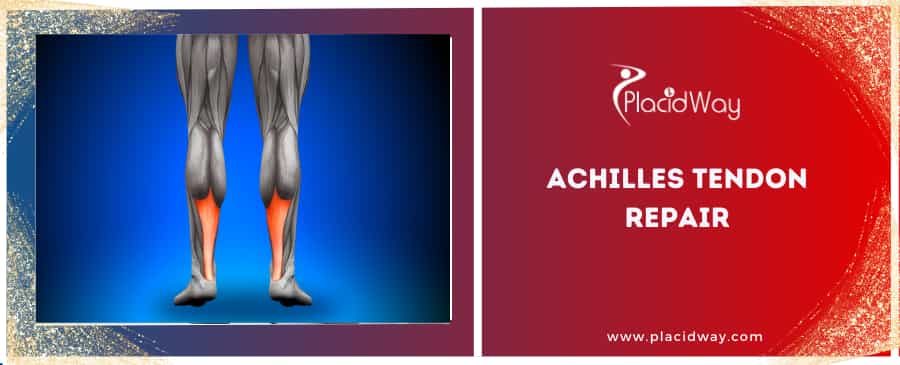
Imagine the sudden, sharp pain, feeling like you've been kicked in the back of the heel, followed by an inability to push off your foot. For many, this is the tell-tale sign of an Achilles tendon rupture – a debilitating injury that can sideline even the most active individuals. The Achilles tendon, the largest and strongest tendon in your body, connects your calf muscles to your heel bone, playing a vital role in walking, running, jumping, and virtually every foot movement. When it tears, your world can feel like it's been turned upside down.
Achilles tendon repair is a critical intervention designed to mend this crucial connection, allowing you to regain full function and return to the activities you love. Whether you're an athlete longing to get back on the field, a casual walker needing stability, or simply seeking relief from persistent pain and weakness, understanding this procedure is the first step towards recovery. While traditionally performed close to home, more and more patients are now exploring the benefits of medical tourism for Achilles tendon repair, seeking high-quality care, advanced techniques, and often, more affordable options in renowned medical destinations worldwide.
What are the symptoms of an Achilles tendon rupture or tear?
Recognizing the symptoms of an Achilles tendon rupture early is key to timely treatment. Many people initially wonder, "Did I just sprain my ankle?" or "Can you walk on a torn Achilles?" The truth is, while some might manage to limp, the function is severely compromised. Common indicators include:
- Sudden, severe pain: Often described as a sharp stab or a feeling of being hit or kicked in the calf/heel area.
- A "pop" or "snap" sound: Many patients distinctly hear or feel a tearing sensation at the moment of injury.
- Difficulty walking: You might struggle to push off the injured foot or bear weight.
- Inability to stand on your toes: A classic sign, as the Achilles tendon is essential for this movement.
- Swelling and bruising: Around the heel and ankle.
- A gap in the tendon: You might feel an indentation or gap in the back of your lower leg, just above the heel bone.
If you experience any of these symptoms, especially after a sudden exertion or misstep, it's crucial to seek medical attention immediately. Delaying diagnosis can complicate treatment and recovery.
What causes an Achilles tendon tear and who is at risk?
Understanding the causes helps in prevention, but some factors are beyond our control. Most Achilles ruptures are not due to a direct blow but rather sudden, forceful movements that overload the tendon. This is why "why did my Achilles tendon rupture?" is a common question. Key causes and risk factors include:
- Sudden increase in intensity of activity: Especially in sports involving running, jumping, and quick changes in direction (e.g., basketball, tennis, soccer).
- "Weekend warrior" syndrome: People who play sports infrequently are more prone to injury than seasoned athletes whose tendons are conditioned.
- Age: The peak incidence is between ages 30 and 50, as blood supply to the tendon diminishes and it becomes less flexible.
- Corticosteroid injections: Injections into the ankle joint or tendon can weaken the tendon, increasing rupture risk.
- Certain antibiotics: Fluoroquinolones (e.g., ciprofloxacin, levofloxacin) have been linked to an increased risk of Achilles tendon rupture.
- Obesity: Excess weight puts additional strain on the tendon.
- Tight calf muscles: Can increase tension on the Achilles tendon.
- Bone spurs: On the heel bone can rub against the tendon, causing irritation and weakening over time.
While some factors like age are unavoidable, awareness of these risks can help individuals take precautions, such as proper warm-ups and conditioning, to minimize their chances of injury.
What are the types of Achilles tendon repair procedures available?
Once an Achilles tendon rupture is diagnosed, your doctor will discuss the best course of action. The decision often depends on the severity of the tear, your activity level, age, and overall health. Treatment can be broadly categorized into non-surgical and surgical options:
Non-Surgical (Conservative) Treatment:
- Involves immobilizing the foot in a cast or walking boot, often with the foot initially pointed downwards, gradually moving to a neutral position over several weeks.
- Physical therapy is essential during recovery.
- Often preferred for older, less active individuals, or those with underlying health conditions.
- Higher risk of re-rupture compared to surgery.
Surgical Treatment: Generally preferred for younger, active individuals to minimize re-rupture risk and optimize functional recovery. The main surgical approaches include:
- Open Repair: The most common method. A single, larger incision is made at the back of the lower leg to expose the torn tendon. The surgeon then stitches the torn ends of the tendon together. In cases of significant damage or chronic tears, a tendon graft from another part of the body (or a donor) may be used.
- Minimally Invasive Repair: Involves several small incisions. Special instruments are used to guide sutures through the skin and around the tendon to repair the tear. This approach can lead to smaller scars and potentially faster initial recovery, but carries a slightly higher risk of nerve damage and requires highly specialized surgical skills.
- Percutaneous Repair: Similar to minimally invasive but often uses even smaller punctures and specialized devices to stitch the tendon together.
Your surgeon will determine the most appropriate technique based on your specific injury and their expertise.
Who is eligible for Achilles tendon repair surgery?
While surgery offers a strong repair and lower re-rupture rate, it's not suitable for everyone. "Is Achilles tendon repair right for me?" is a common question. Eligibility generally depends on several factors:
- Age and Activity Level: Younger, active individuals and athletes who want to return to high-impact sports are ideal candidates.
- Type of Tear: Complete ruptures are typically candidates for surgery. Partial tears might be managed non-surgically, depending on severity.
- Overall Health: Good general health is important to withstand surgery and the recovery process. Patients with severe uncontrolled diabetes, poor circulation, or active infections may be advised against surgery due to higher risks of complications and impaired healing.
- Timing of Injury: Acute ruptures (within days or a few weeks of injury) are often more straightforward to repair surgically. Chronic ruptures (several weeks or months old) can be more complex, sometimes requiring tendon grafts.
- Commitment to Rehabilitation: Successful recovery heavily relies on adherence to a strict physical therapy regimen. Patients must be committed to this long-term process.
A thorough evaluation by an orthopedic surgeon, including imaging tests like an MRI, is essential to determine eligibility and recommend the most suitable treatment plan.
What is the recovery time and what should I expect after Achilles tendon repair?
"Achilles tendon surgery recovery timeline" is a top concern for most patients. Recovery is a journey, not a sprint, and requires patience and diligent adherence to medical advice. While individual timelines vary, here's a general overview:
- Weeks 0-2 (Immobilization): Your foot will likely be immobilized in a cast or splint, often in a pointed position, with no weight-bearing. Pain management is a priority.
- Weeks 2-6 (Gradual Weight-Bearing & Mobility): The cast may be replaced with a walking boot, and your foot position will gradually be adjusted to a neutral angle. Progressive weight-bearing might begin, along with gentle range-of-motion exercises.
- Weeks 6-12 (Strengthening & Physiotherapy): The boot is typically removed, and intensive physical therapy begins, focusing on restoring strength, flexibility, and balance. This is where you really start to answer "how long does Achilles tendon repair take" to see progress.
- Months 3-6 (Return to Activities): Gradual return to low-impact activities like swimming or cycling. Running and jumping are introduced cautiously, only when sufficient strength and stability are achieved.
- Months 6-12+ (Full Return to Sport): Full return to competitive sports can take 9-12 months or even longer, depending on the sport and individual progress.
Expect some swelling, stiffness, and discomfort during the initial phases. Consistent physical therapy is non-negotiable for optimal outcomes. Think of your body as rebuilding a bridge; it needs careful construction and continuous maintenance to handle future traffic.
What are the risks and side effects associated with Achilles tendon repair?
While Achilles tendon repair is generally safe and effective, it's important to be aware of potential complications. "Is Achilles tendon surgery painful?" is often a question tied to these concerns. While pain is managed, potential risks include:
- Infection: A risk with any surgery, requiring antibiotics or, in rare cases, further surgical intervention.
- Nerve Damage: The sural nerve runs close to the Achilles tendon and can be irritated or damaged, leading to numbness, tingling, or weakness in part of the foot. This risk is slightly higher with minimally invasive techniques.
- Blood Clots: Deep vein thrombosis (DVT) in the leg, which can potentially travel to the lungs (pulmonary embolism). Prophylactic measures are usually taken.
- Wound Healing Problems: Especially in patients with diabetes, poor circulation, or those who smoke.
- Re-rupture: Though less common with surgery than conservative treatment, it can still occur, particularly if rehabilitation protocols are not followed.
- Adhesions/Scar Tissue: Can lead to stiffness or discomfort.
- Anesthesia Risks: Standard risks associated with general or regional anesthesia.
Your surgeon will discuss these risks in detail and take all necessary precautions to minimize them. Post-operative pain is typically managed effectively with medication.
Achilles Tendon Repair Cost Comparison: Local vs. Abroad
One of the most compelling reasons to consider medical tourism for Achilles tendon repair is the potential for significant cost savings. The price of surgery can be a major barrier, especially for those without adequate insurance coverage. "How much does Achilles tendon surgery cost?" is a critical question for many. Here's a general comparison:
| Region/Country | Estimated Cost Range (USD) | Notes |
|---|---|---|
| USA | $15,000 - $30,000+ | Highly variable based on state, facility, and insurance. Can include surgeon's fee, anesthesia, facility fee, and post-op care. |
| Western Europe (e.g., UK, Germany) | $10,000 - $20,000+ | Can be slightly lower than the US, but still substantial for private care. |
| Mexico | $5,000 - $8,000 | Popular for US patients seeking proximity and lower costs. High-quality facilities available. |
| Turkey | $4,500 - $7,500 | Known for modern hospitals, experienced surgeons, and comprehensive packages. |
| India | $3,500 - $6,000 | Very competitive pricing, with JCI-accredited hospitals and English-speaking staff. |
| Thailand | $4,000 - $7,000 | Excellent medical infrastructure, combines treatment with a vacation opportunity. |
*Note: These are estimated costs and can vary based on the specific clinic, surgeon's fees, type of surgery, duration of hospital stay, and included services (e.g., pre-op tests, post-op physiotherapy, accommodation). Always get a personalized quote.*
Why consider Achilles tendon repair abroad?
The decision to travel for medical care, especially for something as critical as Achilles tendon repair, is a significant one. However, the advantages can be compelling:
- Cost Savings: As seen in the table above, the primary driver for many is the drastically lower cost compared to Western countries, often saving 50-70% on the total procedure.
- Access to Expertise: Many international hospitals boast highly skilled, internationally trained surgeons who specialize in sports injuries and orthopedic procedures, often using the latest techniques.
- Reduced Waiting Times: In countries with universal healthcare or high demand, local waiting lists can be long. Abroad, you can often schedule your surgery much sooner.
- Advanced Facilities: Numerous medical tourism destinations have invested heavily in state-of-the-art hospitals and equipment, offering care comparable to or exceeding that found in many developed nations.
- Enhanced Patient Experience: Many clinics cater specifically to international patients, offering personalized care, language support, concierge services, and comfortable recovery environments.
- Privacy and Anonymity: For some, traveling abroad offers a level of privacy they wouldn't get at home.
Which countries offer the best value for Achilles Tendon Repair?
When searching for "best country for Achilles tendon surgery," several nations consistently rise to the top due to their combination of affordability, quality, and patient-centric services:
- Turkey: Istanbul and Ankara host numerous JCI-accredited hospitals with state-of-the-art orthopedic departments. They offer comprehensive packages that often include accommodation and transfers.
- India: Renowned for its highly skilled doctors and world-class facilities, particularly in cities like Delhi, Mumbai, and Chennai. Costs are exceptionally competitive, and English is widely spoken in medical settings.
- Thailand: Bangkok and Phuket are popular destinations, known for their modern hospitals, excellent patient care, and the opportunity to combine recovery with a relaxing vacation.
- Mexico: Especially attractive for North American patients due to proximity. Cities like Tijuana, Cancun, and Guadalajara offer high-quality, affordable orthopedic care.
- South Korea: While potentially slightly higher in cost than Southeast Asia, South Korea is a leader in medical technology and innovative surgical techniques, attracting patients seeking cutting-edge treatments.
These countries have well-established medical tourism infrastructures, making the process smoother for international patients.
What to expect when traveling for Achilles tendon repair abroad?
Preparing for medical travel requires careful planning. Here's a general roadmap:
- Research and Selection: Identify potential clinics and surgeons, review their credentials, patient testimonials, and inquire about their experience with Achilles tendon repair.
- Initial Consultation: Most facilities offer virtual consultations to discuss your case, review medical records, and provide an initial treatment plan and cost estimate.
- Travel Arrangements: Book flights and accommodation. Many medical tourism agencies can assist with these logistics, including airport transfers. Remember you might need assistance navigating airports post-surgery.
- Pre-operative Appointments: Upon arrival, you'll undergo in-person consultations, physical exams, and necessary diagnostic tests (X-rays, MRI) to confirm the treatment plan.
- The Procedure: The surgery itself usually takes 1-2 hours, followed by a hospital stay (often 1-2 nights, but can vary).
- Post-operative Recovery Abroad: You'll need to stay in the destination country for a period of initial recovery, typically 1-2 weeks, for follow-up appointments, wound care, and early physical therapy. This ensures your initial healing is monitored and any immediate complications can be addressed. You'll likely be in a cast or boot and non-weight bearing for some time.
- Return Home: Plan your return journey carefully, considering comfort and ease of travel with your recovery status. Ensure you have detailed post-op instructions and necessary medication.
It's crucial to factor in the recovery period abroad into your travel plans. Don't plan to fly home immediately after surgery.
How to ensure safety and quality when seeking Achilles tendon repair abroad?
Concerns about "safety of Achilles tendon surgery abroad" are valid. Here’s how to mitigate risks and ensure you receive high-quality care:
- Accreditation: Look for hospitals accredited by international bodies like the Joint Commission International (JCI). JCI accreditation signifies adherence to rigorous international standards for patient safety and quality of care.
- Surgeon Credentials: Verify the surgeon's qualifications, board certifications, experience with Achilles tendon repair, and specialization in orthopedic or sports medicine. Ask about their success rates.
- Facility Standards: Research the hospital's reputation, technology, and patient safety protocols. Many reputable hospitals will provide virtual tours or detailed information.
- Patient Reviews and Testimonials: Seek out reviews from other international patients who have undergone similar procedures at the clinic.
- Transparent Communication: Ensure clear and consistent communication with the medical team, ideally with English-speaking staff or a reliable interpreter.
- Comprehensive Packages: Choose providers that offer transparent pricing and comprehensive packages that include all aspects of care, from pre-op tests to post-op follow-ups.
- Post-operative Care Plan: Understand the details of your follow-up care, both while abroad and once you return home.
- Medical Tourism Facilitators: Consider working with a reputable medical tourism agency like PlacidWay. They often have established relationships with vetted clinics and can help navigate the entire process, from finding the right doctor to logistics.
What are patient success stories from Achilles tendon repair abroad?
Countless individuals have found renewed mobility and activity through Achilles tendon repair performed abroad. These "Achilles tendon repair patient testimonials" often paint a picture of hope and satisfaction:
- Mark, a 45-year-old from Canada: "My insurance didn't cover the full cost of surgery here, and the waitlist was long. I chose a clinic in Turkey. Not only did I save over 60%, but the surgeon was incredibly skilled, and the hospital felt like a luxury hotel. I'm now back on the golf course, feeling stronger than ever."
- Sarah, a 30-year-old amateur runner from the UK: "After my Achilles snapped during a marathon, I was devastated. I found a highly recommended surgeon in Thailand through a medical tourism platform. The comprehensive package meant everything was taken care of. I appreciated the focused rehabilitation and am now slowly easing back into running, grateful for the excellent care I received."
- David, a 55-year-old from the USA: "The quote for my Achilles repair in the US was astronomical. A friend recommended a clinic in Mexico. I was hesitant at first, but the facility was modern, the staff spoke perfect English, and the doctor was phenomenal. The entire experience was smooth, and my foot feels fantastic. It was one of the best decisions I've made."
These stories underscore the value proposition of medical tourism: accessing high-quality, specialized care without the prohibitive costs or extensive waiting periods often found in home countries. The ability to regain full function and return to a desired quality of life is a powerful testament to the success of Achilles tendon repair abroad.
Take the Next Step with PlacidWay
Ready to explore treatment options abroad? Discover top clinics, compare prices, and get a free quote tailored to your needs with PlacidWay.
Orthopedic Surgery Abroad, Knee Sugery Abroad





.png)
.png)



.png)
-(9).png)
-(10).png)













Share this listing