
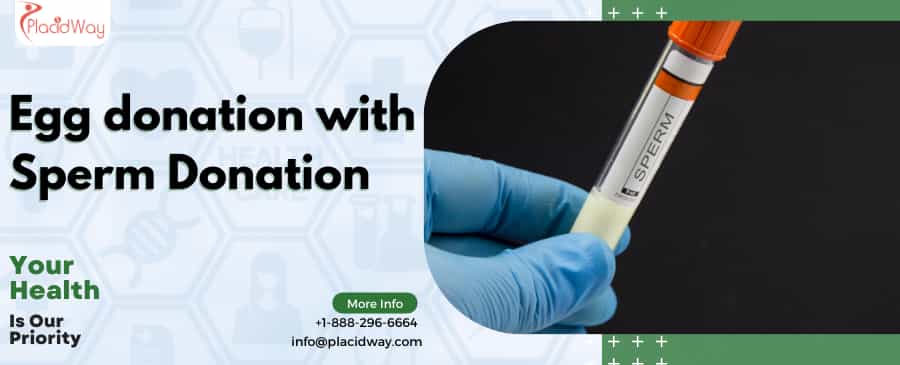
Navigating Your Path to Parenthood: Understanding Egg Donation with Sperm Donation
For many individuals and couples dreaming of building a family, the journey can present unique challenges. When both partners face severe fertility issues, or for single men and male same-sex couples, the concept of "double donor IVF" or "egg donation with sperm donation" emerges as a beacon of hope. This advanced fertility treatment involves using both donor eggs and donor sperm to create embryos, which are then transferred either to an intended mother or a gestational carrier (surrogate).
This comprehensive guide delves into every aspect of egg donation with sperm donation, offering a compassionate and detailed look at the procedure, who it helps, what to expect, and why more people are considering it as a medical tourism option. We understand the emotional, physical, and financial investment involved, and our aim is to provide you with clear, patient-focused information to help you make informed decisions on your path to parenthood.
What is Egg Donation with Sperm Donation and How Does it Work?
Egg donation with sperm donation, often referred to as "double donor IVF" or "embryo donation (created for specific parents)", is a cutting-edge fertility treatment designed for individuals or couples who cannot conceive using their own eggs and sperm. The process typically involves several key steps:
- Donor Selection: Intended parents select an egg donor and a sperm donor. Donors undergo rigorous medical, genetic, and psychological screening to ensure suitability.
- Egg Retrieval & Sperm Collection: The chosen egg donor undergoes ovarian stimulation and egg retrieval. Simultaneously, the sperm donor provides a sample.
- In Vitro Fertilization (IVF): In a laboratory, the donor eggs are fertilized with the donor sperm to create embryos.
- Embryo Development & Selection: The created embryos are cultured for several days, allowing embryologists to select the healthiest embryos for transfer. Genetic testing (PGT) may also be performed at this stage.
- Embryo Transfer: One or more selected embryos are transferred into the uterus of either the intended mother (if medically suitable to carry the pregnancy) or a gestational carrier (surrogate).
- Pregnancy & Birth: If the embryo implants successfully, the pregnancy proceeds, leading to the birth of the child.
This process offers a viable solution for family building, especially for those who have exhausted other fertility options.
Who Needs Egg Donation with Sperm Donation? Understanding the Indications
The decision to pursue egg donation with sperm donation is a deeply personal one, often arising after a long and challenging fertility journey. This treatment option is primarily indicated for:
- Severe Female Factor Infertility: Women who cannot produce viable eggs due to conditions like premature ovarian insufficiency (POI), early menopause, genetic disorders (e.g., Turner Syndrome), previous cancer treatments (chemotherapy/radiation), or advanced maternal age where egg quality/quantity is severely compromised.
- Severe Male Factor Infertility: Men who cannot produce viable sperm, such as those with azoospermia (absence of sperm), severe oligoasthenoteratozoospermia (low count, poor motility, abnormal morphology), genetic conditions (e.g., Klinefelter syndrome), or who have undergone vasectomies that cannot be reversed.
- Combined Infertility: Heterosexual couples where both partners have significant fertility issues that prevent conception using their own gametes.
- Single Men by Choice: Men wishing to become single fathers, requiring both donor eggs and a gestational carrier.
- Male Same-Sex Couples: Couples who wish to have biological children, needing both donor eggs and a gestational carrier.
- Risk of Transmitting Genetic Diseases: When both partners carry genetic conditions that pose a high risk of being passed to offspring.
- Failed Previous IVF Cycles: Couples who have undergone multiple unsuccessful IVF attempts using their own gametes.
Understanding these indications is the first step in determining if "double donor IVF" is the right path for your family.
Understanding the Causes of Needing Both Donor Eggs and Sperm
The causes leading to the necessity of both donor eggs and donor sperm are diverse, encompassing a range of medical, genetic, and personal circumstances. Identifying these causes helps clarify the medical rationale behind this specific fertility treatment.
- Female Factors Leading to Egg Donation:
- Premature Ovarian Insufficiency (POI): Ovaries stop functioning before age 40.
- Advanced Maternal Age: Significant decline in egg quality and quantity, especially after age 40-42.
- Genetic Conditions: Such as Turner Syndrome, which affects ovarian development.
- Previous Cancer Treatment: Chemotherapy or radiation therapy can damage ovarian function.
- Oophorectomy: Surgical removal of ovaries.
- Poor Egg Quality: Recurrent IVF failures despite good ovarian reserve.
- Male Factors Leading to Sperm Donation:
- Azoospermia: Complete absence of sperm in semen, which can be obstructive (blockage) or non-obstructive (production issues).
- Severe Oligoasthenoteratozoospermia: Extremely low sperm count, poor motility, and abnormal morphology.
- Genetic Conditions: Such as Klinefelter syndrome or Y chromosome deletions, affecting sperm production.
- Previous Cancer Treatment: Chemotherapy or radiation can impair spermatogenesis.
- Vasectomy: Although reversible, some men opt for donor sperm rather than reversal surgery or TESE.
- Risk of Genetic Disease Transmission: When the male partner carries a severe hereditary disease.
- Social and Personal Reasons:
- Single Men by Choice: To build a family, they require both donor eggs and a gestational carrier.
- Male Same-Sex Couples: To have biological children, requiring both donor eggs and a gestational carrier.
- Combined Infertility in Heterosexual Couples: When both partners have irremediable gamete issues.
These underlying reasons make "egg and sperm donor IVF" a necessary and often highly successful pathway to parenthood.
Exploring the Different Paths: Types of Egg and Sperm Donation Programs
The journey with donor gametes offers various approaches, allowing intended parents to choose the path that best suits their needs, preferences, and legal/ethical comfort. When considering "fertility options with donor eggs and sperm," you'll encounter:
- Anonymous vs. Known Donors:
- Anonymous Donation: The most common type, where donor identities are not disclosed to the intended parents or the child. Donors are typically compensated through agencies or clinics.
- Known Donation: Involves a donor (friend or family member) whose identity is known. This requires careful legal and psychological counseling for all parties.
- Fresh vs. Frozen Donor Eggs:
- Fresh Donor Egg Cycle: Requires synchronizing the menstrual cycles of the egg donor and the recipient (or gestational carrier). This often yields more eggs for fertilization but requires more coordination.
- Frozen Donor Egg Cycle: Uses eggs that have been previously retrieved and cryopreserved. This offers greater flexibility in timing and often reduces travel for the donor. Success rates for frozen eggs are now comparable to fresh in many clinics.
- Fresh vs. Frozen Donor Sperm:
- Donor sperm is almost always used in its frozen form, as it allows for extensive screening and quarantine periods to ensure safety and quality.
- Gestational Carrier (Surrogacy) vs. Intended Mother Carrying:
- Gestational Carrier: When the intended mother cannot carry a pregnancy (due to medical reasons, or for single men/male same-sex couples), a gestational carrier (surrogate) carries the pregnancy. The embryos are created from donor eggs and donor sperm.
- Intended Mother Carrying: If the intended mother is medically able to carry a pregnancy but cannot produce viable eggs, donor eggs and donor sperm are used, and the resulting embryos are transferred to her uterus.
- Clinic-Recruited vs. Agency-Based Donors:
- Some clinics manage their own donor programs, while others work with independent egg and sperm donor agencies, which can offer a wider selection.
- Medical Suitability of Intended Parent(s):
- Overall Health: Intended parents (and the gestational carrier, if applicable) must be in good general health to ensure they can manage the emotional and physical demands of the process and subsequent parenting.
- Uterine Health (if intended mother is carrying): The intended mother's uterus must be capable of carrying a pregnancy to term.
- Screening: Comprehensive blood tests, infectious disease screening, and other relevant medical evaluations are performed.
- Psychological Evaluation:
- All intended parents typically undergo psychological counseling to discuss the emotional aspects of using donor gametes and to ensure they are prepared for the unique family dynamics that may arise. This is crucial for long-term well-being and attachment.
- Legal Considerations:
- Robust legal contracts are essential, especially when using known donors or a gestational carrier, to clarify parental rights, responsibilities, and financial agreements. Laws vary significantly by country and even by state.
- Age Limits:
- While there are no strict upper age limits for intended parents, most clinics have guidelines, particularly for intended mothers carrying the pregnancy, to minimize health risks. Donor age is strictly regulated.
- Financial Preparedness:
- The procedure is a significant financial investment, often requiring substantial savings or financing. Clinics will discuss payment structures upfront.
- Gestational Carrier Eligibility (if applicable):
- If a gestational carrier is involved, she must meet stringent medical, psychological, and lifestyle criteria to ensure a healthy pregnancy.
- For the Intended Mother (if carrying):
- Post-Embryo Transfer: The procedure is minimally invasive, similar to a pap smear. Most women experience mild cramping or spotting. Rest is usually recommended for a day or two, but full recovery is quick.
- Medication: Hormone support (progesterone, estrogen) will continue for several weeks into the pregnancy to support the uterine lining.
- Monitoring: Blood tests to confirm pregnancy typically occur 10-14 days after transfer, followed by early ultrasound scans.
- For the Gestational Carrier (if applicable):
- Embryo Transfer: Similar minimal recovery as the intended mother.
- Pregnancy and Childbirth: The recovery process for the gestational carrier follows that of any typical pregnancy and childbirth, requiring appropriate medical care and postpartum support.
- Emotional and Psychological Recovery:
- Regardless of who carries the pregnancy, the emotional journey for intended parents can be profound. There's immense hope, anxiety, and anticipation. Having a strong support system, professional counseling, and open communication with your partner are vital.
- Acknowledging the unique aspects of conceiving with donor gametes is part of the process, preparing parents for potential discussions with their child in the future.
- Beyond the Procedure:
- Once pregnancy is confirmed, the focus shifts to prenatal care, preparing for the baby's arrival, and navigating the legal steps required to establish parental rights, especially in international surrogacy arrangements.
- Medical Risks for the Intended Mother (if carrying):
- Medication Side Effects: Hormonal medications for uterine preparation can cause mild symptoms like bloating, mood swings, or headaches.
- Embryo Transfer Complications: Very rare, but can include infection or bleeding.
- Pregnancy Risks: Any pregnancy carries inherent risks like miscarriage, ectopic pregnancy, or complications like gestational diabetes or preeclampsia. Multiple pregnancies (if more than one embryo is transferred) carry higher risks.
- Medical Risks for the Gestational Carrier (if applicable):
- Gestational carriers face the same medical risks as any pregnant woman, including those associated with IVF (e.g., ovarian hyperstimulation syndrome from egg retrieval if they are the donor, though rare in gestational carriers who only undergo embryo transfer), pregnancy complications, and childbirth risks (e.g., C-section, postpartum hemorrhage).
- Emotional and Psychological Challenges:
- For Intended Parents: Feelings of grief over genetic connection loss, anxiety during the process, and the emotional toll if a cycle fails. Managing expectations and seeking support are crucial.
- For Donors: While screened, donors may have complex emotions, especially regarding the anonymity of their donation.
- For Gestational Carriers: Emotional bonding with the pregnancy, and the unique psychological aspects of carrying a baby for others.
- Legal and Ethical Complexities:
- Parental Rights: Establishing clear legal parental rights, especially in cross-border surrogacy, can be intricate.
- Donor Anonymity vs. Openness: Debates surrounding a child's right to know their genetic origins. Laws vary by country.
- Donor Compensation: Varies significantly by country and individual donor.
- Agency Fees: For recruiting and screening donors.
- Clinic Fees: IVF cycle, lab work, embryo transfer.
- Gestational Carrier Fees: Compensation, medical expenses, legal fees for surrogacy.
- Legal Fees: Contracts for donors, gestational carriers, and establishing parental rights.
- Medication Costs: Hormones for the recipient/gestational carrier.
- Travel and Accommodation: Especially for international patients.
- Additional Services: PGT testing, embryo freezing, psychological counseling.
- Significant Cost Savings: As seen in the cost comparison, the price difference between Western countries (like the US) and popular medical tourism destinations can be substantial, making family building more accessible.
- Access to Diverse Donor Pools: International clinics often have larger and more ethnically diverse donor databases, providing more options for intended parents seeking specific characteristics or who are from minority ethnic groups.
- Shorter Waiting Lists: In many countries, waiting times for donor eggs and sperm can be considerably shorter compared to some Western nations, allowing intended parents to start their journey sooner.
- Favorable Legal Frameworks: Certain countries have more progressive or clearer legal structures regarding donor conception and surrogacy, which can simplify the process for international intended parents (e.g., for "gay couple fertility treatment" or single men).
- High-Quality Medical Care: Many international clinics boast state-of-the-art facilities, highly experienced fertility specialists, and impressive success rates, often on par with leading clinics in more expensive regions.
- Donor Anonymity Options: Some countries (e.g., Spain, Greece) maintain strict donor anonymity, which some intended parents prefer, while others offer options for identity-release donors.
- Comprehensive Packages: Many clinics abroad offer all-inclusive packages that cover medical procedures, donor fees, and sometimes even aspects of travel and accommodation, streamlining the process.
- Mexico:
- Value: Offers significantly lower costs compared to the US, with high-quality, internationally accredited clinics.
- Legal Framework: Favorable for various family structures, including single parents and same-sex couples, especially in certain states that permit compensated surrogacy.
- Access: Convenient for North American patients.
- Greece:
- Value: Highly competitive pricing for egg and sperm donation IVF.
- Legal Framework: Very progressive laws, including allowing single women and same-sex female couples to use donor eggs. Surrogacy is also legal and well-regulated (altruistic, but expenses covered).
- Quality: Excellent medical facilities and experienced fertility specialists.
- Spain:
- Value: Known for high success rates and advanced fertility treatments at reasonable prices.
- Legal Framework: Strict donor anonymity, highly regulated, and ethical practices. Surrogacy is not permitted for commercial purposes.
- Donor Pool: Extensive and diverse donor pool.
- Cyprus (North and South):
- Value: Among the most affordable options in Europe, with good clinics.
- Legal Framework: Varies between North and South Cyprus, but generally supportive of donor treatments.
- Access: Popular destination for many European and Middle Eastern patients.
- Ukraine and Georgia:
- Value: Primarily known for their highly competitive commercial surrogacy programs, which often include egg and sperm donation, especially for international heterosexual couples and single men (in Georgia).
- Legal Framework: Robust laws protecting intended parents' rights in surrogacy.
- Initial Research & Consultation:
- Start by researching clinics and countries that align with your needs.
- Most reputable international clinics offer initial virtual consultations via video call. This allows you to discuss your case, understand options, and receive a preliminary treatment plan and cost estimate without traveling.
- Pre-Travel Preparations:
- Medical Screening: You'll undergo various tests in your home country (blood work, semen analysis, uterine evaluations) which are then sent to the abroad clinic for review.
- Donor Selection: You'll select your egg and sperm donors from the clinic's or agency's database.
- Legal Advice: Engage legal counsel specializing in international fertility law, especially if a gestational carrier is involved, to understand parental rights and responsibilities.
- Travel Logistics: Book flights, accommodation, and potentially arrange for a local coordinator or interpreter.
- On-Site Treatment Phase:
- First Visit (often): For comprehensive medical evaluations, final consultation, and signing agreements. If using fresh eggs, this may coincide with the donor's cycle.
- Sperm Collection: The intended father provides a sperm sample (if not already frozen and shipped).
- Embryo Creation: Donor eggs are fertilized with donor sperm in the lab.
- Embryo Transfer: The most critical visit involves the embryo transfer to the intended mother or gestational carrier. This typically requires a stay of 5-10 days.
- Post-Transfer: Rest and follow-up are typically done locally before returning home.
- Post-Treatment & Follow-up:
- Pregnancy tests are usually performed 10-14 days after transfer, often back in your home country with results reported to the clinic abroad.
- The clinic abroad will provide guidance for prenatal care.
- If successful, the journey shifts to navigating pregnancy and, ultimately, bringing your baby home, which may involve further legal steps.
- Accreditation and Certifications:
- Look for international accreditations (e.g., JCI - Joint Commission International) or local health ministry certifications that demonstrate adherence to global healthcare standards.
- Check for compliance with national and international fertility regulatory bodies (e.g., ESHRE for Europe).
- Success Rates:
- Inquire about the clinic's specific "donor egg and sperm success rates" for patients similar to your profile. Reputable clinics will be transparent and able to provide verified data. Be wary of clinics that promise unusually high or guaranteed success.
- Doctor's Qualifications and Experience:
- Research the qualifications, experience, and specialization of the fertility specialists. Ensure they are board-certified and have extensive experience in donor conception and IVF.
- Laboratory Standards:
- The IVF lab is critical. Ask about their embryology lab's technology, quality control measures, and the experience of their embryologists.
- Patient Testimonials and Reviews:
- Seek out genuine patient reviews and success stories. Online forums, patient groups, and platforms like PlacidWay can provide valuable insights into other patients' experiences.
- Legal Counsel:
- Engage an independent legal professional specialized in international reproductive law. They can ensure all contracts (with donors, gestational carriers, and the clinic) are sound and that your parental rights are legally protected in both the destination country and your home country.
- Transparency in Pricing:
- Demand a detailed, all-inclusive cost breakdown with no hidden fees. Understand what is and isn't covered in the quoted price.
- Communication and Support:
- Assess the clinic's communication responsiveness and the availability of English-speaking staff or interpreters. A good support system is crucial when far from home.
Each type has its own set of advantages and considerations, making it important to discuss these options thoroughly with your fertility specialist.
Who is a Good Candidate? Eligibility Criteria for Double Donation IVF
Determining eligibility for "double donor IVF" involves a multi-faceted assessment to ensure the best possible outcomes for all parties involved, particularly the future child. Clinics will typically evaluate:
A thorough consultation with a fertility specialist is crucial to assess individual eligibility and discuss specific requirements for "IVF with donor egg and donor sperm."
What to Expect During Recovery and Beyond?
The "recovery time for double donor IVF" largely depends on who is carrying the pregnancy and what role the intended parents play physically.
This path is a transformative experience, leading to the ultimate reward of building your family.
Understanding the Risks and Side Effects of Egg & Sperm Donation IVF
While "double donor IVF" offers incredible opportunities, it's essential to be aware of the potential "risks of donor egg and sperm IVF" and side effects. These can be broadly categorized:
It's vital to have open discussions with your clinic, legal counsel, and mental health professionals to navigate these potential challenges proactively.
Worldwide Cost Comparison: Egg Donation with Sperm Donation Costs
Understanding "how much does egg and sperm donation cost" is a critical factor for many intended parents. The overall expense can vary dramatically based on location, clinic, donor choice, and whether a gestational carrier is involved. Here's a general comparison:
Average Cost Range for Egg Donation with Sperm Donation (and often Gestational Carrier)
| Country | Average Cost Range (USD) | Key Cost Factors / Notes |
|---|---|---|
| USA | $70,000 - $150,000+ | High donor compensation, legal fees, agency fees, gestational carrier fees. Comprehensive services. |
| Canada | $60,000 - $100,000+ | Similar to USA, but donor compensation is strictly altruistic (expenses only). Surrogacy also altruistic. |
| Mexico | $30,000 - $60,000 | Lower medical costs, donor compensation, and legal fees. Good quality clinics. |
| Greece | $25,000 - $50,000 | Well-regulated, competitive prices, known for high success rates. Anonymous donation is common. |
| Spain | $35,000 - $65,000 | Excellent regulation, high-quality care, donor anonymity. Surrogacy not permitted. |
| Cyprus | $20,000 - $45,000 | Very competitive pricing, good clinics, popular destination for fertility tourism. |
| Ukraine/Georgia | $50,000 - $90,000+ (often includes surrogacy) | Highly competitive for commercial surrogacy combined with donor gametes, strict legal frameworks for intended parents. |
Factors Affecting Cost:
These figures are estimates and can fluctuate. Always request a detailed cost breakdown from any clinic you consider.
Why Consider Egg and Sperm Donation Abroad for Family Building?
The rise of "medical tourism for fertility treatment" is driven by compelling advantages, especially for complex procedures like egg donation with sperm donation:
These benefits collectively make exploring "countries for double donor IVF" a worthwhile consideration for many.
Which Countries Offer the Best Value for Double Donor IVF?
When searching for "best countries for egg and sperm donation," several destinations consistently emerge as top choices due to their balance of affordability, quality of care, and supportive legal environments:
Each country has its unique advantages, so thorough research and consultation are paramount to finding the best fit for your family building goals.
What to Expect When Traveling Abroad for Egg and Sperm Donation?
Embarking on a fertility journey abroad requires careful planning and an understanding of the process. Here’s a typical overview of "traveling for fertility treatment":
Preparation and clear communication with your chosen clinic are key to a smooth "double donor IVF abroad" experience.
How to Ensure Safety and Quality When Choosing a Clinic Abroad?
Ensuring "safety and quality in international fertility clinics" is paramount when considering "IVF with donor egg and donor sperm" abroad. Here’s a checklist to guide your decision-making:
Choosing a clinic thoughtfully is the cornerstone of a safe and successful "egg and sperm donation abroad" journey.
Take the Next Step with PlacidWay
Ready to explore treatment options abroad? Discover top clinics, compare prices, and get a free quote tailored to your needs with PlacidWay.
Fertility Treatment Abroad, Best Fertility Clinics





.png)

.png)



.png)
.png)
.jpg)
.png)









Share this listing