


.png)
For patients in Russia suffering from chronic wrist pain, complex ligament injuries, or osteoarthritis, the path to relief often points west. Wrist joint stem cell therapy in Germany represents the pinnacle of orthopaedic precision, offering a regenerative alternative to total wrist fusion or joint replacement.
German clinics are renowned for their strict adherence to GMP (Good Manufacturing Practice) standards for cell processing, ensuring that patients receive the highest viable count of stem cells possible. This guide is specifically crafted for Russian patients, addressing unique travel logistics via Istanbul or Belgrade, visa complexities, and the distinct medical advantages of treating conditions like TFCC tears and Kienböck’s disease in Munich or Berlin.
Key Takeaways: Medical Travel from Russia
Why choose Germany for specialized hand and wrist care? Here is the essential snapshot:
- ? Precision Engineering: German clinics use advanced ultrasound-guided injection techniques to place stem cells into spaces as small as the scapholunate interval.
- ? Visa Support: While visas are required, top clinics provide official Medizinische Einladung (Medical Invitation) letters to expedite the Schengen application process for Russian citizens.
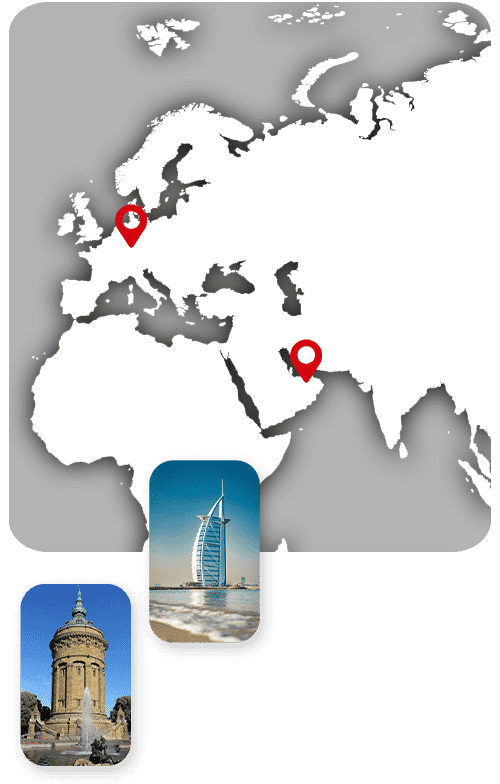
- ? Transit Routes: Reliable connections exist via Istanbul (Turkish Airlines), Belgrade (Air Serbia), and Dubai (Emirates), bypassing direct flight bans.
- ? Russian-Speaking Staff: Major centers like Helios and ATOS employ dedicated Russian-speaking coordinators to ensure no language barrier exists during your consultation.
Why Germany for Hand and Wrist Regeneration?
Germany's history of hand surgery excellence combines with modern biotechnology to save joints.
The wrist is a complex anatomical structure comprising 8 small carpal bones and a web of ligaments. Standard treatments often involve fusing these bones, which destroys mobility. German specialists prioritize joint preservation. By using concentrated Mesenchymal Stem Cells (MSCs) harvested from your own fat or bone marrow, they aim to regenerate the cartilage surface and repair soft tissue defects (like TFCC tears) without surgically locking the joint. The country's strict "Arzneimittelgesetz" (Medicines Act) ensures that any stem cell product you receive is free from contamination and processed to the highest safety standards globally.
Germany was one of the first countries to establish "Hand Surgery" as a specialized sub-discipline separate from general orthopaedics. This legacy of hyper-specialization means your doctor treats only hands and wrists, unlike generalists in other systems who may focus primarily on hips and knees.
Step-by-Step Treatment Journey
A structured pathway designed for international patients to maximize outcomes and minimize travel stress.
1. Remote Diagnostics
Before flying, you will upload your MRI scans (DICOM format) and medical history in Russian or English. German professors review these images to confirm if your condition (e.g., Kienböck’s disease Stage 2/3 or radiocarpal arthritis) is responsive to stem cell therapy. A treatment plan and cost estimate are then issued for visa purposes.
2. Cell Harvesting & Preparation
Upon arrival, the procedure begins. Under local anesthesia, doctors harvest a small amount of adipose tissue (fat) from the abdomen or bone marrow from the iliac crest. This sample is processed in a closed-system centrifuge to isolate millions of regenerative cells and growth factors.
3. Precision Injection
This is the critical step. Using high-resolution fluoroscopy or ultrasound guidance, the specialist injects the concentrate directly into the damaged wrist compartment. For TFCC tears, the injection is placed precisely into the fibrocartilage complex. This accuracy is vital for efficacy.
"The success of wrist stem cell therapy relies heavily on post-procedure rehabilitation. German clinics prescribe a specific protocol: strict immobilization for 2 weeks to allow cell adherence, followed by 'passive motion' therapy. Russian patients often stay for this initial 2-week window to work with specialized hand therapists before returning home."
Cost Comparison: Germany vs. Russia
Investing in German quality ensures higher safety standards and potentially better long-term joint preservation.
| Destination | Estimated Cost (Euro) | Standard of Care | Key Inclusion |
|---|---|---|---|
| Germany (Munich/Berlin) | €18,000 – €22,000 | GMP Certified, High Precision | Visa support, Translator, Rehab Plan |
| Russia (Moscow) | €5,000 – €8,000 | Variable Regulation | Procedure Only |
| Switzerland | €25,000 – €35,000 | Luxury Care | Full Hospital Stay |
Logistics for Russian Citizens (2025)
Navigating travel and entry requirements efficiently.
Visa Requirements
Russian citizens must apply for a Schengen Visa (Type C) for short stays. Crucially, due to tightened restrictions, you must present a confirmed medical invitation letter from the German clinic and proof of substantial prepayment. It is advisable to apply at least 4-6 weeks in advance.
Best Transit Routes
Since direct flights are unavailable, the most efficient routes involve a single layover:
- Via Istanbul (IST): Turkish Airlines connects Moscow (VKO) to Frankfurt (FRA) or Munich (MUC) multiple times daily.
- Via Belgrade (BEG): Air Serbia offers a convenient European transit point that does not require a separate transit visa for Russians.
- Via Dubai (DXB): Emirates offers a comfortable but longer route, often preferred by patients seeking premium travel classes.
Many German "Medical Hotels" located near major clinics (like the Charité or ATOS) are specifically designed for post-op patients. They offer nursing on call, accessible bathrooms, and even menus catered to international tastes, allowing you to recover in comfort outside a hospital ward.
Expert Insight: Success Rates
Real-world outcomes for wrist preservation.
"Clinical studies on wrist osteoarthritis treated with autologous microfat and PRP show promising results. Patients report a >50% reduction in pain (VAS score) and measurable improvements in grip strength at the 12-month mark. For many Russian patients, this therapy has successfully delayed the need for wrist fusion surgery by years, maintaining their quality of life."
Frequently Asked Questions (FAQ)
Addressing common concerns for Russian patients planning their medical trip.
Do Russian citizens need a visa for medical treatment in Germany?
Yes, Russian citizens require a valid Schengen (Type C) visa for stays up to 90 days. For longer medical treatments, a National Medical Visa (Type D) is necessary. Due to current scrutiny, applications should include a confirmed hospital admission letter and proof of prepayments.
How much does stem cell therapy for wrist arthritis cost in Germany?
Comprehensive orthopaedic stem cell packages for the wrist in Germany typically range from €18,000 to €22,000. This is approximately 3 times more expensive than in Russia but includes advanced cell processing (GMP standards) and highly specialized rehabilitation.
How can I travel from Russia to Germany in 2025?
As there are no direct flights, the most reliable transit routes are via Istanbul (Turkey), Belgrade (Serbia), or Dubai (UAE). Turkish Airlines and Air Serbia are frequently used by medical tourists for seamless connections to Frankfurt or Munich.
What specific wrist conditions can be treated?
German clinics specialize in treating Wrist Osteoarthritis (radiocarpal/midcarpal), TFCC (Triangular Fibrocartilage Complex) tears, Scapholunate Ligament injuries, and Kienböck’s disease using autologous stem cells to regenerate cartilage and soft tissue.
Is stem cell therapy for the wrist effective?
Yes, especially for early to mid-stage degeneration. Clinical data indicates that autologous adipose-derived stem cell injections can reduce pain by over 50% and significantly improve grip strength within 12 months, potentially delaying or preventing fusion surgery.
Do German clinics have Russian-speaking staff?
Yes, major centers like Helios Hospital Berlin-Buch and ATOS Clinics have dedicated International Patient Departments with Russian-speaking coordinators who assist with medical translation, visa support, and logistics.
What is the source of stem cells used in Germany?
The gold standard in Germany is Autologous Adipose-Derived Stem Cells (ADSCs) or Bone Marrow Aspirate Concentrate (BMAC). These are harvested from your own body (fat or hip bone) to eliminate rejection risks and ensure high compatibility.
How long is the recovery period?
The procedure is often outpatient or requires a 1-night stay. Patients typically wear a splint for 2-4 weeks while starting gentle mobility exercises. Full return to heavy impact activities usually takes 3-6 months as the tissue regenerates.
Can I bring a family member with me?
Yes, medical visas can often include an accompanying person. Hospitals offer accommodation options for family members, and many 'Medical Hotels' are located near clinics to facilitate comfortable stays for companions.
Regain Strength and Flexibility
Do not let wrist pain limit your life. PlacidWay Medical Tourism connects Russian patients with Germany's elite hand surgery centers, ensuring you receive world-class regenerative care. From visa assistance to arranging your medical invitation letter, we guide you every step of the way.
Get a free, no-obligation quote and speak with our Russian-speaking support team today to plan your journey to recovery.
Get a Free Quote for Treatment in Germany.png)

.png)



.png)
.png)
.png)


.jpg)
.jpg)
.png)








Share this listing