

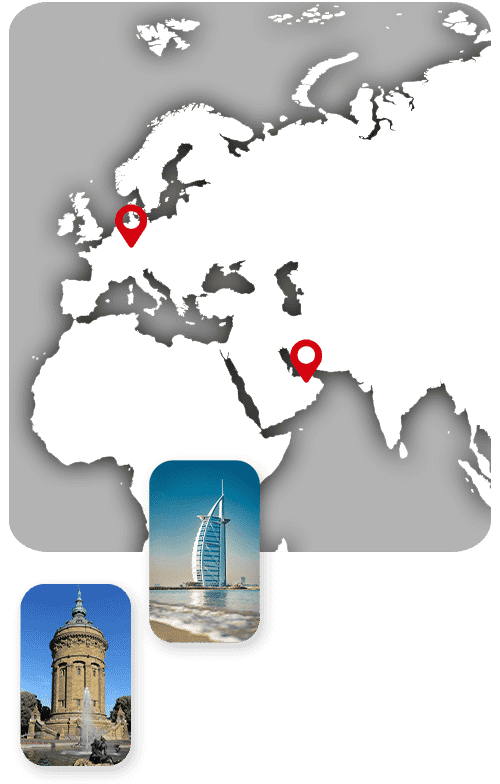
While managing diabetes often feels like an endless cycle of monitoring and medication, advanced regenerative medicine is opening new doors for patients seeking long-term metabolic control. The stem cell therapy package for diabetes in Lenggries, Germany, starting at an estimated $14,000, offers an innovative approach designed to potentially modulate the immune system and support pancreatic tissue regeneration. Nestled in the serene Bavarian Alps, this specialized treatment provides a holistic healing environment combined with world-renowned German clinical standards. Please note that individual candidacy, specific cellular protocols, and exact pricing depend entirely on a thorough medical evaluation by the clinical team.
Fast Facts About Diabetic Stem Cell Treatment in Germany
- Estimated Starting Cost: $14,000 USD, providing a highly competitive and strictly regulated alternative to North American clinics.
- Clinical Environment: Located in Lenggries, Germany, offering a stress-free alpine setting that adheres to rigorous European medical and safety protocols.
- Patient Qualifications: Aimed at individuals with Type 1 or Type 2 diabetes who struggle with glycemic control or wish to mitigate long-term complications.
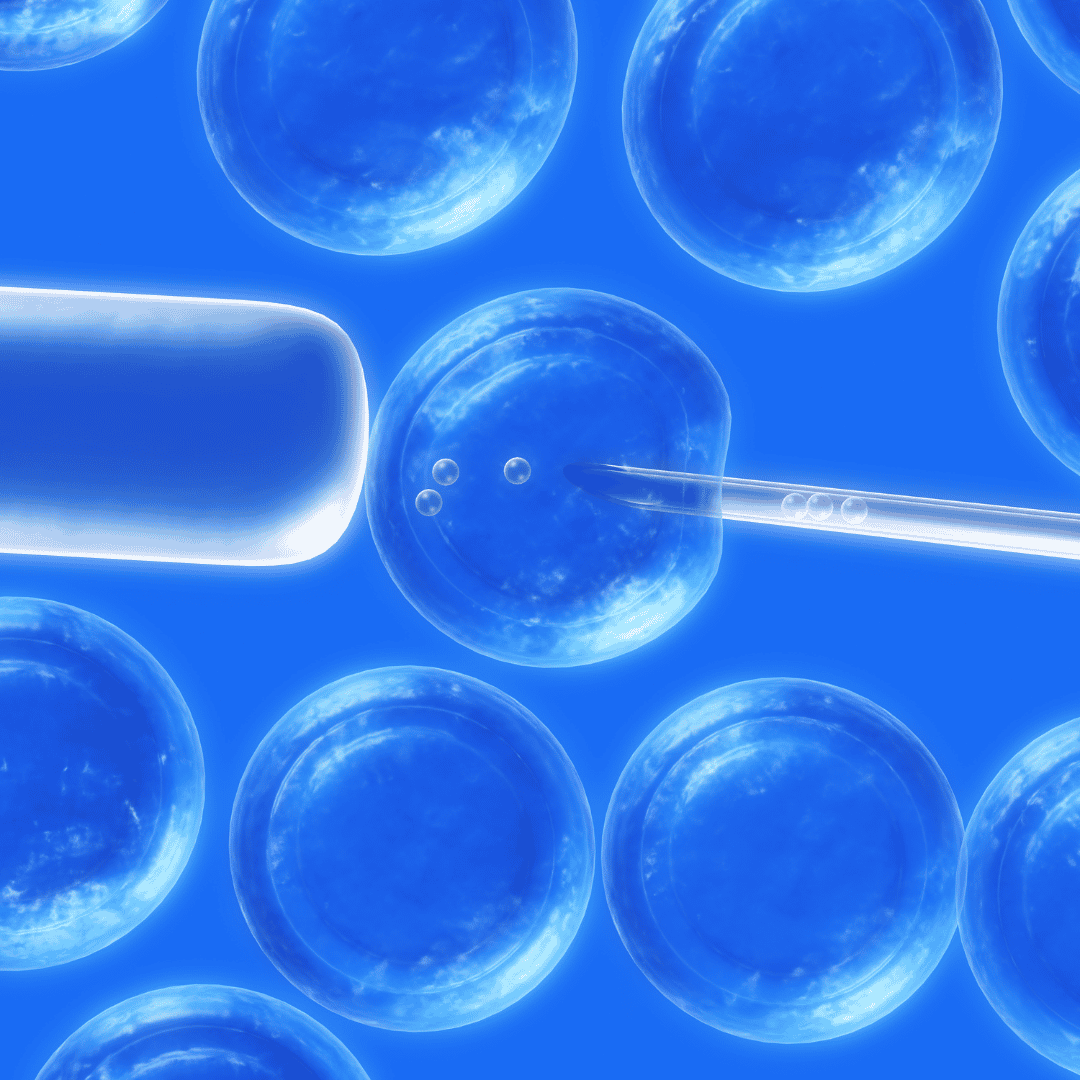
- What to Expect: A minimally invasive procedure typically utilizing Mesenchymal Stem Cells (MSCs) administered systemically via intravenous (IV) infusion.
- Pre-Travel Requirements: Candidates must provide recent HbA1c results, a C-peptide test, fasting glucose levels, and a comprehensive metabolic panel for initial clearance.
Estimated Pricing and Global Cost Comparison for Diabetes Stem Cell Therapy
Traveling to Germany for regenerative medicine allows patients to access cutting-edge, highly regulated therapies at a more accessible price point compared to many other developed nations. Below is a comparison of expected costs for similar treatments globally.
| Country | Estimated Cost (USD) |
|---|---|
| Germany (Lenggries) | $14,000 (Starting Price) |
| United States | $35,000 - $60,000 |
| Switzerland | $30,000 - $45,000 |
| United Kingdom | $25,000 - $35,000 |
*Note: The cost breakdown below is an estimated projection pending your official medical assessment. Variations in cell type (autologous vs. ethically sourced), required cell volume, and specific treatment protocols will alter the final price.
| Procedure Item | Estimated Cost | Description |
|---|---|---|
| Initial Consultation & Diagnostics | Included | In-person doctor assessment and baseline blood tests upon arrival. |
| Stem Cell Prep & Processing | Included | GMP-certified laboratory isolation and concentration of stem cells. |
| Stem Cell Administration | Included | Intravenous (IV) infusion of the cellular therapy. |
| Supportive IV Therapies | Included | Vitamins or ozone therapy to prepare the body for cellular uptake. |
| Total Estimated Price | $14,000 USD | Starting price; subject to clinical evaluation and protocol selection. |
What is Included in Your Lenggries Diabetes Package?
- Comprehensive pre-treatment evaluation with a regenerative medicine specialist.
- All in-clinic diagnostic blood work required on the day of treatment.
- State-of-the-art laboratory processing and purification of stem cells in compliance with German regulations.
- The complete stem cell administration procedure (typically via IV infusion).
- Supportive biological therapies (such as nutrient IVs) to prime the body for maximum cellular efficacy.
- Standard clinical facility fees, nursing care, and specialized medical supplies.
- Post-procedure observation and medical monitoring while in the clinic.
- Scheduled remote follow-up consultations at 1, 3, and 6 months post-treatment.
Services and Expenses Not Covered in This Package
- International airfare and domestic transportation to and from Lenggries.
- Hotel accommodations, daily meals, and personal travel expenses in Germany.
- Pre-travel blood tests and metabolic panels required for initial remote clearance.
- Prescription medications or insulin supplies needed for daily diabetes management.
- Treatments for unforeseen medical complications or unrelated health issues.
- Medical travel insurance and visa processing fees.
Who is an Ideal Candidate for Diabetes Stem Cell Therapy?
Regenerative medicine is not a substitute for a healthy lifestyle, but rather a powerful tool for those whose conditions are difficult to manage. You may be a suitable candidate if you fit into one of the following categories:
- Type 1 Diabetics: Individuals seeking to modulate their autoimmune response and potentially preserve or stimulate remaining pancreatic beta-cell function.
- Type 2 Diabetics: Patients struggling with severe insulin resistance, looking to improve cellular sensitivity and lower their dependency on high-dose medications.
- Patients with Early Complications: Those experiencing early signs of neuropathy, nephropathy, or poor circulation who wish to leverage stem cells for tissue repair and reduced inflammation.
- Motivated Individuals: Patients who are committed to maintaining a strict, healthy diet and exercise regimen post-treatment to support the regenerative process.
- Good General Health: Candidates must be free from active infections, active cancer, and severe cardiovascular instability.
Medical Tests and Records Required Before Your Journey
To ensure your safety and determine if this biological approach is appropriate for your specific condition, the medical team will require the following documentation prior to your arrival:
- Comprehensive Diabetes Panel: Recent tests detailing HbA1c, Fasting Blood Glucose, and C-Peptide levels (to measure natural insulin production).
- Metabolic and Organ Function Tests: A complete metabolic panel (CMP) assessing kidney and liver function, alongside a lipid profile.
- Complete Blood Count (CBC): To evaluate overall health, immune status, and rule out underlying infections.
- Infectious Disease Screening: Standard recent tests for HIV, Hepatitis B, Hepatitis C, and Syphilis.
- Detailed Medical History: A full list of current medications, exact daily insulin dosages, and notes from your primary endocrinologist regarding any diabetes-related complications.
Step-by-Step Guide: How Diabetes Stem Cell Therapy Works
The treatment approach in Lenggries is rooted in regeneration and immunomodulation. By introducing potent stem cells into the body, the goal is to halt autoimmune attacks or repair tissue damage. The procedure is performed in a clinical setting and is generally straightforward.
1. Patient Priming and Preparation
Before the stem cells are introduced, the clinic often administers specialized IV therapies (such as targeted vitamins or ozone therapy). This prepares your body’s microenvironment, reducing systemic inflammation and ensuring your system is highly receptive to the incoming cellular material.
2. Cell Harvesting (If Autologous) or Thawing
Depending on your specific protocol, the doctor will either use ethically sourced, lab-expanded mesenchymal stem cells, or they will harvest your own cells. If autologous cells are used, a small amount of adipose (fat) tissue is extracted via a minor, local-anesthesia mini-liposuction from your abdomen.
3. Laboratory Processing
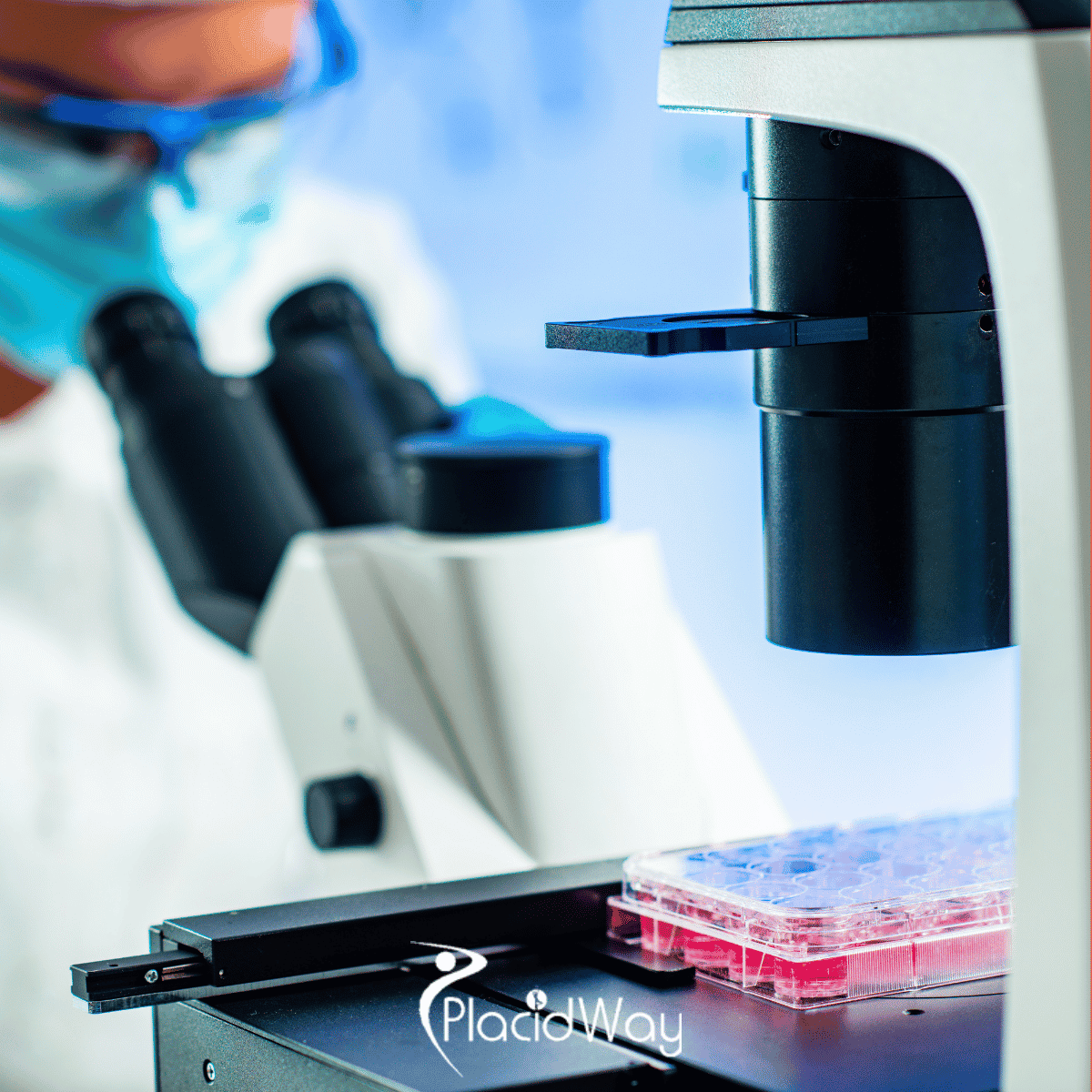
The cells are then processed in a GMP-certified laboratory. Using advanced centrifuge and filtration techniques, technicians isolate the mesenchymal stem cells and growth factors, concentrating them into a potent regenerative serum while ensuring maximum cell viability.
4. Intravenous (IV) Administration
The concentrated stem cells are slowly administered back into your body via a standard IV drip. Because the cells are introduced systemically, they can travel throughout the bloodstream to target areas of high inflammation and tissue damage, including the pancreas. This step is entirely painless and takes a few hours while you relax.
Your Medical Tourism Timeline: From Consultation to Follow-up
Planning your trip to the Bavarian Alps requires a clear itinerary. Below is a standard timeline to help you coordinate your stay in Lenggries.
- Weeks Before Travel: Submit all required medical records remotely. Have a video consultation with the German medical team to confirm your eligibility and tailor the protocol.
- Day 1 (Arrival in Germany): Fly into Munich, transfer to the alpine town of Lenggries, and settle into your accommodation to rest.
- Day 2 (Clinic Visit & Priming): Meet the medical team in person. Undergo final physical exams, baseline bloodwork, and receive preparatory IV therapies. (If autologous cells are used, harvesting takes place today).
- Day 3 (Treatment Day): Return to the clinic for the main stem cell IV infusion. The process takes a few hours. You will be monitored closely before being discharged back to your hotel.
- Day 4 & 5 (Rest and Observation): Relax in the serene environment of Lenggries. You may feel mild fatigue, which is a normal immune response. The clinic remains on standby for any questions.
- Day 6 (Final Check-up & Departure): Attend a final consultation. Once cleared by the doctor, you may travel back home safely.
- 1 to 6 Months Post-Procedure: Remote check-ins with the clinic to monitor your HbA1c, adjust medication protocols with your local doctor, and track your progress.
Recommended Length of Stay in Lenggries for Recovery
While stem cell therapy via IV is an outpatient procedure, international patients must allow sufficient time for their bodies to adjust before undertaking a long flight home.
- Minimum Recommended Stay: 5 to 7 days in Lenggries.
- Pre-Procedure Buffer: Arriving 24-48 hours before treatment helps mitigate jet lag, which can affect blood sugar levels and immune response.
- Post-Procedure Rest: A minimum of 48 hours of low-stress rest is advised after the IV infusion to allow the cells to begin their work without the physical stress of travel.
- Flight Clearance: Official medical clearance from the treating physician is required before you board an international flight.
Healing and Aftercare: What to Expect Post-Procedure
The physical recovery from the procedure itself is immediate, but the biological changes take time. Patience and strict adherence to a healthy lifestyle are vital.
- Immediate Recovery (0-48 Hours): You may experience mild fatigue, a low-grade fever, or slight flu-like symptoms. This is normal and indicates your immune system is responding to the cellular therapy. Drink plenty of water and rest.
- Short-Term Healing (1-2 Weeks): If autologous fat was harvested, you might have mild bruising or tenderness at the extraction site on your abdomen. Most patients resume all normal activities within days.
- Ongoing Management: You must continue taking all your prescribed diabetes medications and insulin exactly as directed. Never alter your dosage without consulting your local endocrinologist.
- Biological Response (3 to 6 Months): The regenerative effects happen gradually. Improvements in energy, sleep quality, and stabilized blood sugar readings typically manifest over several months.
Understanding the Potential Risks and Complications
Stem cell therapy is generally safe, especially when performed under strict German medical protocols. However, it is an emerging field, and patients must be fully aware of potential risks. Your physician will discuss these during your consultation.
- Mild Side Effects: Temporary low-grade fever, fatigue, headaches, or mild nausea in the days following the IV infusion.
- Extraction Site Risks: If autologous fat is used, there is a minor risk of infection, bruising, or localized pain at the mini-liposuction site.
- Allergic Reactions: Extremely rare, but there is a slight risk of reaction to the supportive IV fluids or local anesthetics used during the procedure.
- Blood Sugar Fluctuations: The stress of travel and the procedure itself can cause temporary spikes or drops in blood glucose levels, requiring careful monitoring.
- Lack of Clinical Response: The most significant risk is that the treatment may not yield the desired improvements in HbA1c or insulin dependency. Results are highly individualized, and a cure is never guaranteed.
Realistic Expectations: What Stem Cell Therapy May Achieve
Stem cell therapy for diabetes is not a "magic cure" that allows you to abandon your diet or stop taking insulin overnight. It is an advanced management tool. Using cautious and realistic expectations is essential.
- Improved Glycemic Control: Many patients often experience more stabilized blood sugar levels, resulting in a gradual reduction of their HbA1c over a 3-to-6-month period.
- Reduced Medication Dependency: If pancreatic function or insulin sensitivity improves, patients may typically work with their local doctors to safely reduce their daily insulin or oral medication dosages.
- Symptom Relief: The anti-inflammatory properties of stem cells may help alleviate early symptoms of diabetic neuropathy (nerve pain) and improve overall energy levels.
- No Guarantees: Success varies vastly depending on the severity of the disease, the patient's age, and their commitment to post-treatment lifestyle changes. Some patients may only experience mild improvements, while others see significant metabolic shifts.
Frequently Asked Questions About Diabetes Stem Cell Therapy
1. Is stem cell therapy a permanent cure for diabetes?
No. While it can significantly improve metabolic function and reduce insulin dependency in some patients, it is not currently considered a permanent cure for Type 1 or Type 2 diabetes.
2. Is the procedure painful?
The IV infusion itself is painless, similar to receiving a standard vitamin drip. If your own fat cells are harvested, you will receive local anesthesia, so you will only feel minor pressure, with mild soreness for a few days afterward.
3. Are embryonic stem cells used in Germany?
Absolutely not. German clinics adhere strictly to ethical guidelines and use either autologous (your own) adult stem cells from fat/bone marrow, or ethically sourced mesenchymal stem cells (like umbilical cord tissue).
4. How soon will I see improvements in my blood sugar?
Cellular regeneration takes time. Most patients do not notice significant changes until 3 to 6 months post-treatment, though some report better energy levels within a few weeks.
5. Will I be able to stop taking insulin?
You should never stop taking insulin without direct supervision from your endocrinologist. While some patients successfully reduce their dosages over time, complete insulin independence is rare and should not be expected as the primary outcome.
6. Is this treatment safe and legal in Germany?
Yes. Germany has some of the strictest medical regulations in the world. Regenerative treatments provided in certified clinics comply with high ethical and safety standards under German and European law.
7. What happens if my body rejects the stem cells?
If autologous (your own) cells are used, the risk of rejection is zero. If allogeneic (donor) mesenchymal stem cells are used, they are "immune-privileged," meaning they have an incredibly low risk of triggering an immune rejection.
8. Can this therapy reverse diabetic neuropathy?
Because stem cells release growth factors that promote new blood vessel formation and reduce nerve inflammation, many patients report a reduction in the pain and tingling associated with neuropathy, though complete reversal is not guaranteed.
9. Do I need to follow a special diet after treatment?
Yes. The treatment’s success relies heavily on your lifestyle. A low-glycemic, high-protein diet, regular hydration, and routine exercise are essential to support the regenerative process and maintain metabolic health.
10. Why should I travel to Lenggries for this?
Lenggries offers a unique combination of advanced German medical technology and a tranquil, stress-free alpine environment, which is highly conducive to healing, recovery, and overall well-being.
Take Control of Your Metabolic Health
Living with diabetes is a daily challenge, but advanced regenerative options are available. If you are ready to explore how stem cell therapy in Germany could support your body's natural healing processes, the next step is a comprehensive clinical review. Reach out today to connect with a patient coordinator and start your journey.
Request Free QuoteMedical Disclaimer: The information provided on this page is for general informational and educational purposes only and should not be construed as medical advice. Always consult with a qualified endocrinologist or healthcare provider regarding any medical conditions, diagnoses, or treatment decisions. Stem cell therapies for diabetes are considered an emerging and experimental management tool, and individual outcomes will vary.
References
- National Center for Biotechnology Information (NCBI) - Mesenchymal Stem Cells for the Treatment of Diabetes
- Stem Cell-Derived Islet Therapies Shown to Reduce the Need for Injectable Insulin
- ClinicalTrials.gov - Ongoing Clinical Studies of Stem Cell Therapies for Diabetes Mellitus
- World Health Organization (WHO) - Global Diabetes Fact Sheet and Guidelines
- Centers for Disease Control and Prevention (CDC) - Patient Safety Guidelines for Medical Tourism






















Share this listing