

Receiving an autism spectrum diagnosis for a child can leave families feeling overwhelmed as they try to navigate complex needs, behavioral challenges, and shifting emotional landscapes. While standard therapies provide essential support for daily life, many parents find themselves searching for medical interventions that address the biological foundations of neurodevelopmental conditions. If you are exploring how regenerative medicine might support your family’s journey, a specialized stem cell therapy protocol in a calm, alpine setting may offer a new path forward.
This outpatient package at CBC Health in Lenggries, Germany, focuses on utilizing targeted stem cell therapies aimed at reducing neurological inflammation and supporting brain connectivity in patients with Autism Spectrum Disorder (ASD). Suitable for children and young adults whose medical histories have been carefully reviewed, the treatment is conducted by a multidisciplinary medical team in the serene environment of the Bavarian Alps. The program encompasses comprehensive pre-treatment assessments, the stem cell infusion procedure, and dedicated post-care monitoring.
The estimated starting cost for this specialized regenerative package is roughly $12,700, which covers the medical procedures and necessary clinical evaluations during the typical few days required for the outpatient visits. Please note that all patients must undergo a thorough medical assessment to determine their eligibility, and final pricing will be established based on the individual's specific medical requirements and treatment plan.
Estimated Package Price and Cost Breakdown
Understanding the financial commitment involved in international regenerative medicine is crucial for family planning. The following table provides an estimated outline of the costs associated with the stem cell therapy program in Lenggries.
Important Note: The figures below represent estimated starting costs. The final package price will only be confirmed after the medical team completes a comprehensive evaluation of the patient's medical records and determines the precise protocol required.
| Service Category | Estimated Cost / Details |
|---|---|
| Stem Cell Therapy Package (Base) | $12,700 (Starting Estimate) |
| Initial Medical Consultation & Assessment | Included in Base Package |
| Laboratory Tests (Pre-procedure) | Included in Base Package |
| Stem Cell Processing and Infusion | Included in Base Package |
| Post-Procedure Clinical Observation | Included in Base Package |
| Travel, Flights & Visas | Not Included (Patient Responsibility) |
| Accommodation & Meals | Not Included (Patient Responsibility) |
Package Inclusions
To ensure transparency, here are the services generally included in the estimated package cost:
- ✓ Initial Consultation: Meeting with the primary treating physician and neurological team.
- ✓ Laboratory Analyses: Pre-treatment diagnostic blood work and essential tests.
- ✓ Cellular Processing: The preparation, processing, and administration of the stem cells (specific source and method determined by the doctor).
- ✓ Medical Facility Fees: Covered for the duration of the outpatient procedure.
- ✓ Nursing Care: Medical monitoring during the infusion and immediate recovery period.
- ✓ Follow-Up Check: A medical consultation before departure to discuss aftercare.
Package Exclusions
Families should plan for the following expenses, which are not covered in the medical package price:
- ✗ International Travel: Airfare to and from Germany.
- ✗ Accommodation: Hotel or lodging in Lenggries or surrounding areas (as this is an outpatient procedure).
- ✗ Daily Logistics: Meals, local transportation, and personal expenses.
- ✗ Specialized Diagnostics: Advanced imaging (like MRI or functional brain scans) if requested by the doctor prior to arrival.
- ✗ Insurance: Travel insurance and medical complication insurance.
- ✗ Ongoing Care: Any ongoing medications, supplements, or standard behavioral therapies required back home.
Who is a Candidate for This Treatment?
Stem cell therapy is not a universal solution and requires careful patient selection. Potential candidates typically include:
- Children or young adults with a confirmed, formal diagnosis of Autism Spectrum Disorder (ASD).
- Patients whose families are looking for complementary medical interventions alongside traditional behavioral and speech therapies.
- Individuals who do not have acute infections, severe immune deficiencies, or certain underlying genetic syndromes that might contraindicate cellular therapy.
- Patients who are medically stable enough to travel internationally and tolerate a minimally invasive clinical procedure.
Every prospective patient is evaluated on a case-by-case basis by the medical team in Germany to ensure the treatment is both safe and potentially beneficial for their specific circumstances.
Required Medical Records for Preliminary Assessment
Before traveling to Germany, the medical team will need to review specific documents to determine eligibility. You will generally be asked to provide:
- Medical History: A comprehensive background, including the initial ASD diagnostic reports.
- Physician Notes: Recent pediatric or general physician notes detailing current symptoms and behaviors.
- Blood Tests: Recent comprehensive lab results (a specific list will be provided by the clinic).
- Medication List: All current medications and supplements the patient is taking.
- Therapy Reports: Updates from current behavioral, occupational, or speech therapists, if available.
Understanding the Stem Cell Procedure
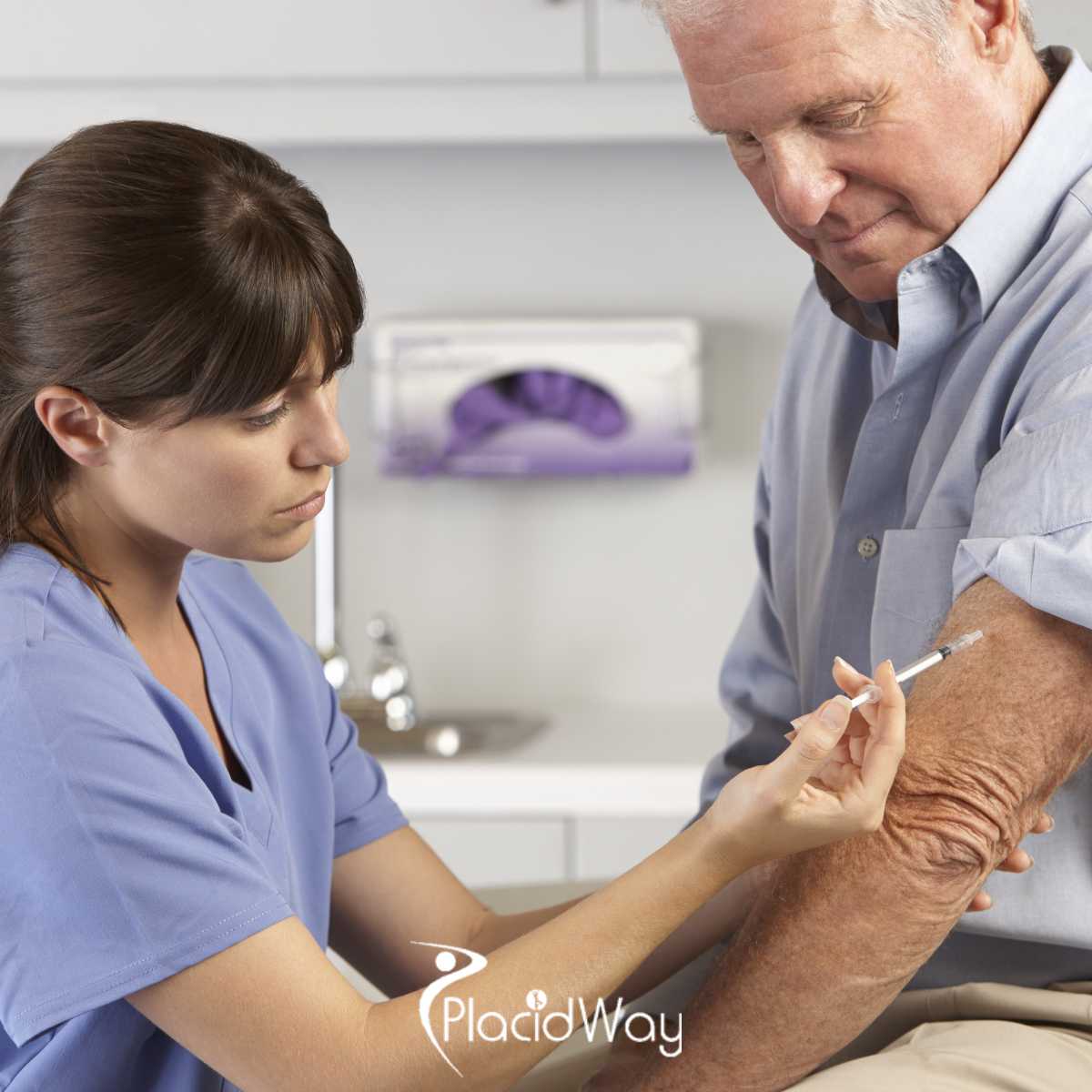
The goal of stem cell therapy for autism is to utilize the body's natural regenerative and anti-inflammatory properties. Current medical theories suggest that autism may involve underlying inflammation in the brain and nervous system. The therapy often involves using mesenchymal stem cells (MSCs), which are introduced into the body typically via intravenous (IV) infusion. Once administered, these cells are believed to travel to areas of inflammation, potentially releasing growth factors and modulating the immune response to encourage healthier neural connectivity and reduce neuroinflammation.
Timeline of Treatment and Travel
Planning a medical trip requires a clear understanding of the schedule. Here is a typical timeline for the process:
Step 1: Initial Inquiry (Weeks Before Travel)
Submission of medical records and virtual consultation to determine eligibility and receive a final quote.
Step 2: Arrival in Germany (Day 1)
Arrive and settle into your local accommodation in or near Lenggries. Allow the patient to rest and adjust to the new time zone.
Step 3: Clinical Consultation (Day 2)
In-person meeting with the medical team, final blood draws, and a comprehensive physical examination.
Step 4: The Procedure (Day 3 or 4)
The outpatient stem cell infusion takes place. The patient is carefully monitored in the clinic for a few hours afterward before returning to their accommodation.
Step 5: Follow-up and Clearance (Day 5 or 6)
A final check-up with the doctor. Once medically cleared, you may begin your journey home.
Expected Length of Stay
While the actual medical interventions take only a few days, families should plan to stay in the Lenggries area for approximately 5 to 7 days. This allows adequate time for pre-treatment testing, the procedure itself, and necessary rest. Final clearance to travel home is always at the discretion of the treating physician based on the patient's immediate recovery and well-being following the infusion.
Recovery and Post-Treatment Aftercare
Because the procedure is minimally invasive, physical recovery is usually swift. In the immediate 24 to 48 hours following the infusion, some patients may experience mild fatigue, a low-grade fever, or slight discomfort at the IV site. The clinic will provide guidance on managing these minor effects.
Long-term aftercare involves continuing the patient's standard behavioral and educational therapies at home. The medical team in Germany will typically schedule periodic virtual follow-ups at 3, 6, and 12 months to monitor developmental progress and discuss any behavioral changes with the parents.
Understanding the Risks and Complications
Any medical procedure carries inherent risks, and it is vital for families to be fully informed. While stem cell infusions are generally well-tolerated, potential risks include:
- Infection at the injection or IV site.
- Immune reactions or mild allergic responses to the cellular materials or the carrying solution.
- Transient fever or chills shortly after the administration.
- The possibility that the treatment yields no noticeable changes in the patient's condition.
This list is not exhaustive. The treating physician will conduct a thorough informed consent discussion outlining all individual risks based on the patient's specific health profile prior to beginning any treatment.
What Results Can Families Reasonably Expect?
The primary goal of stem cell therapy for ASD is to improve the patient's quality of life by addressing potential biological factors like neuroinflammation. While outcomes vary significantly from person to person, parents and researchers have noted that patients may experience improvements in areas such as:
- Enhanced ability to focus and maintain eye contact.
- Reductions in aggressive or severely repetitive behaviors.
- Improvements in expressive language or non-verbal communication skills.
- Better emotional regulation and decreased sensory overload.
It is critical to understand that stem cell therapy is not a cure for autism. Improvements, if they occur, often happen gradually over weeks or months and are typically most effective when used in conjunction with ongoing behavioral therapies.
Medical Center Profile: Exploring Care in Lenggries
Germany is globally recognized for its stringent healthcare regulations and advanced medical infrastructure. Clinics in regions like Lenggries operate under strict European Union and German national standards regarding clinical safety, hygiene, and the ethical handling of cellular materials. Beyond the medical technology, Lenggries offers a calm, restorative alpine environment. For patients with autism who may struggle with sensory processing, the quiet, nature-focused surroundings of the Bavarian Alps can provide a much less stressful experience compared to busy urban medical centers.
Frequently Asked Questions About Regenerative Care for ASD
1. Is stem cell therapy an approved cure for autism?
No, there is currently no known cure for autism. Stem cell therapy is considered an innovative, investigational treatment aimed at managing symptoms and improving the quality of life by potentially reducing neuroinflammation, rather than curing the underlying condition.
2. Why do families choose Germany for this treatment?
Germany offers highly regulated medical environments, advanced cellular processing laboratories, and experienced specialists. Furthermore, locations like Lenggries provide a low-stress setting which is beneficial for neurodivergent patients traveling for medical care.
3. Will my child need to stop their current behavioral therapies?
Absolutely not. Stem cell therapy is viewed as a complementary approach. Doctors strongly advise continuing all current behavioral, speech, and occupational therapies, as cellular treatment may actually help the child become more receptive to these standard interventions.
4. How long does the actual infusion take?
The infusion itself is usually quite short, often taking between 1 to 2 hours. However, the patient will need to remain at the clinic for several hours of monitoring before and after the procedure.
5. Does the treatment hurt?
The procedure is minimally invasive, usually involving an intravenous (IV) line. The most discomfort a patient typically feels is the initial pinch of the needle insertion. The clinic staff is experienced in working with children to minimize anxiety and discomfort.
6. When might we see changes in behavior?
Responses vary widely. If improvements occur, families typically begin to notice subtle changes in focus, communication, or emotional regulation anywhere from a few weeks to several months following the therapy.
7. Is this treatment covered by health insurance?
Generally, health insurance providers in the US and UK do not cover stem cell therapies for autism, as it is largely considered experimental or investigational. Families should plan to fund the treatment out-of-pocket.
8. Do we need special travel vaccinations for Germany?
While no special vaccines are uniquely required for Germany, it is always recommended that travelers be up-to-date on routine vaccinations. Consulting your local travel health clinic before departure is advised.
9. What happens if my child gets sick right before we travel?
If the patient develops an acute illness, such as a severe cold or flu, prior to travel, it is crucial to contact the clinic immediately. The treatment may need to be postponed until the child is fully recovered to ensure safety and the potential efficacy of the therapy.
Ready to Explore the Possibilities for Your Family?
If you are considering regenerative therapies and want to find out if this protocol in Germany is a suitable option, the next step is a professional medical evaluation to discuss your child's unique needs.
Request Free Quote and Medical AssessmentMedical Disclaimer: The information provided on this page is for general educational and informational purposes only and does not constitute medical advice. It is not intended to be a substitute for professional medical diagnosis, treatment, or guidance from a qualified healthcare provider regarding autism spectrum disorder or any other condition.
References
- Stem Cell Therapy in Autism Spectrum Disorders – ClinicalTrials.gov (National Library of Medicine)
- Stem Cell Therapies for Cerebral Palsy and Autism Spectrum Disorder—A Systematic Review – National Center for Biotechnology Information (NCBI)
- What are the treatments for autism? – National Institute of Child Health and Human Development (NICHD)
- FDA Warning Letter Regarding Unapproved Cellular Products – U.S. Food and Drug Administration (FDA)
- Travel Health Information for Germany – Centers for Disease Control and Prevention (CDC)

















Share this listing