

Contents
Families navigating a cerebral palsy diagnosis in the US or UK often hit a wall of limited options, where standard physical therapy feels like managing the condition rather than actively improving it. You are told to accept the plateau, yet you spend late nights researching alternative therapies only to find staggering clinical trial waitlists or red tape at home. The emotional exhaustion of fighting for specialized care pushes many parents to look beyond their own borders for regulated, progressive alternatives.
That frustration is exactly why many families travel to Germany, where advanced regenerative medicine is strictly regulated and actively practiced. You can expect the procedure cost to be around $15,500, which typically covers comprehensive protocols monitored by local regulatory bodies like the Paul-Ehrlich-Institut and the German Medical Association. These strict national standards ensure patient safety remains the highest priority. Please take time to compare the clinical options, transparent costs, and specialized packages listed below to determine the best path forward for your child.
Key Insights
Booking a medical trip for a child with complex mobility needs involves much more than simply scheduling the clinical procedure. Specialized treatment packages in Germany usually bundle the stem cell therapy with accessible airport transfers, integrated pediatric physiotherapy, and dedicated medical interpreters. This comprehensive approach minimizes travel stress for the entire family.
Consolidating these logistical services ensures you are not left navigating a foreign healthcare system alone while trying to focus on your child's well-being. Please review the detailed treatment packages below to see which clinic provides the most supportive environment for your specific situation.
`Budgeting for specialized regenerative medicine requires clear, upfront numbers without hidden facility fees or surprise consultations. In Germany, stem cell treatment for cerebral palsy typically costs around $15,500 for a standard clinical protocol. This baseline price generally covers the cell harvesting, laboratory processing, administration, and immediate medical monitoring.
When looking at options back home, similar experimental treatments often run tens of thousands higher, if they are accessible to patients at all. Compare the specific pricing structures and detailed cost breakdowns listed below to understand exactly what each medical facility includes.
Stem Cell Treatment for Cerebral Palsy Centers Cost Comparison in Germany
| Provider | Procedure | Price |
|---|---|---|
| Center for Advanced Medicine in Frankfurt, Germany | Stem Cell Treatment for Cerebral Palsy, Stem Cell Therapy | $18700 |
Stem Cell Treatment for Cerebral Palsy Cost Comparison in Germany
| Country | Procedure | Price |
|---|---|---|
| United States | Stem Cell Treatment for Cerebral Palsy, Stem Cell Therapy | $35000 |
Choosing a facility for pediatric regenerative medicine means looking far past polished reception areas and glossy marketing brochures. You need to verify that a clinic operates under the strict oversight of the Paul-Ehrlich-Institut, Germany's federal institute for vaccines and biomedicines. Authentic centers will openly share their laboratory certifications and Good Manufacturing Practice (GMP) compliance records.
It is crucial to avoid any facility that refuses to provide detailed documentation of their local licenses or specialized board accreditations. Take the time to evaluate the specific clinic profiles listed below to ensure they meet these stringent European regulatory standards before moving forward.
Center for Advanced Medicine in Frankfurt, Germany
Frankfurt,Germany

Asklepios Kliniken Hamburg - Multispecialty Hospital in Germany
Hamburg,Germany
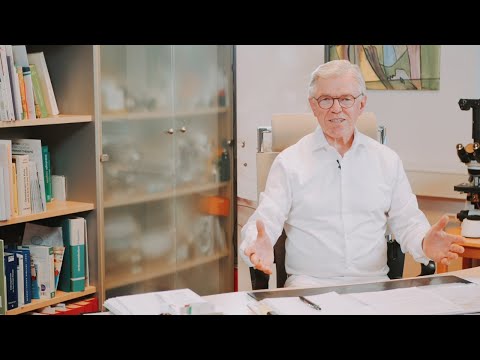
Reading about medical protocols can only provide so much clarity when you are trying to picture your child's actual experience in a foreign hospital. Watching facility walkthroughs and physician interviews can help demystify the sterile laboratory processes and clinical environments. It allows you to gauge the bedside manner of the staff before you travel.
These visual insights offer a practical, grounded look at how the therapy is administered on a daily basis without the medical jargon. Watch the informational videos below to gain a more accurate understanding of what to expect upon arrival in Germany.
No one understands the emotional and physical toll of seeking overseas cerebral palsy treatments better than other parents who have already made the journey. Reading firsthand accounts provides invaluable insight into the actual supportiveness of the medical staff and the realities of the post-treatment recovery period. Fellow parents rarely sugarcoat the logistical challenges.
Patient feedback often highlights small but crucial details about traveling with a disabled child that official clinic brochures overlook. Read through the patient reviews below to learn directly from the genuine experiences of other traveling families.

Navigating the complexities of traveling abroad for specialized pediatric care naturally brings up numerous questions regarding safety, regulations, and daily logistics. Below are some of the most common questions families ask when considering regenerative therapies in German clinics.
What makes Germany a recognized destination for this treatment?
Germany has a highly regulated healthcare system overseen by the Paul-Ehrlich-Institut, which enforces strict guidelines on biomedicines and advanced therapies. This ensures that regenerative treatments are conducted safely and ethically in certified laboratories.
How are the cells sourced for pediatric treatments in Germany?
Depending on the specific medical protocol, specialists typically use autologous cells derived from the patient's own bone marrow or strictly screened umbilical cord tissue. All sourcing complies with stringent European Union directives on tissue safety.
What does a typical procedure timeline look like?
The timeline usually involves preliminary neurological evaluations, followed by the harvesting and laboratory preparation of the cells. The administration occurs a few days later, followed by a period of observation and integrated physical therapy.
How long do families typically need to stay in the country?
Most clinics recommend a stay of 7 to 14 days. This allows ample time for initial assessments, the procedure itself, required observation periods, and initial rehabilitation sessions before flying home.
Is the administration painful for the child?
The procedure involves mild discomfort, similar to a standard injection or lumbar puncture. To minimize distress for pediatric patients, German clinics typically perform the procedure under light, carefully monitored sedation.
Will my child receive physical therapy during the trip?
Yes, reputable facilities integrate neuro-rehabilitation directly into their care plans. Early mobilization and targeted physical therapy are considered critical components of the overall regenerative protocol.
How soon might improvements in motor function appear?
Outcomes vary significantly based on the severity of the condition and the child's individual biology. If improvements occur, they generally manifest gradually over several weeks to months post-treatment.
How do clinics manage the language barrier for international parents?
Leading medical centers catering to international patients employ fluent English-speaking staff. They also provide dedicated medical interpreters to ensure you fully understand every step of your child's treatment plan.
Are these treatments fully approved by the German Medical Association?
While research is ongoing, these treatments are legally administered under strict compassionate use regulations or specific clinical licenses monitored by state health authorities and the national medical board.
What kind of aftercare is required once we return home?
Continuous physical and occupational therapy is essential upon returning home. German clinics usually provide a detailed post-treatment care plan and arrange virtual follow-up consultations to monitor the child's progress.
The safety and potential efficacy of regenerative therapy depend heavily on the specialized pediatric neurologists and hematologists administering the care. In Germany, these specialists must hold recognized board certifications verified by the German Medical Association (Bundesärztekammer). Standard medical practitioners are not authorized to perform these advanced cellular protocols.
You need to look for doctors who have a documented, specific history of treating pediatric cerebral palsy, not just general wellness practitioners. Browse the medical professional profiles below to review their distinct clinical backgrounds, hospital affiliations, and specialized pediatric training.
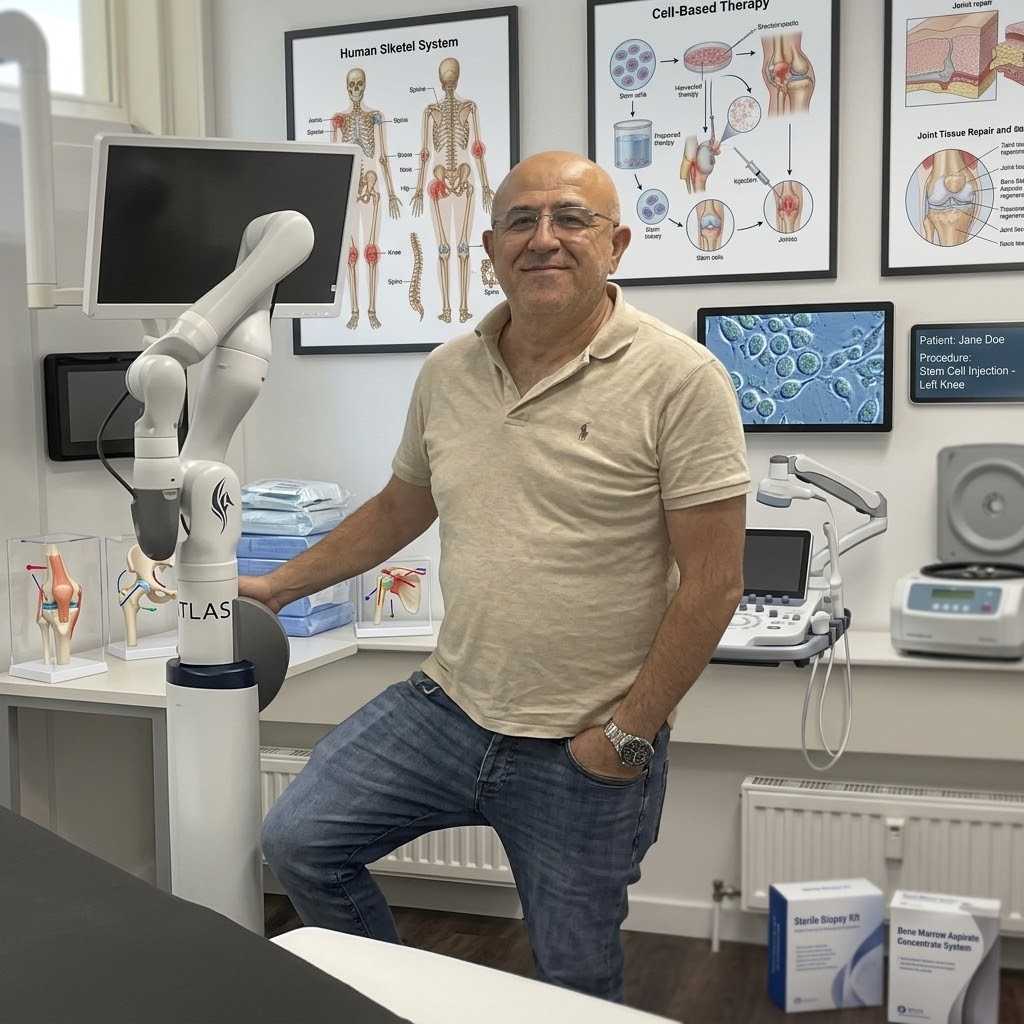
Dr. Musa Citak
Asklepios Kliniken Hamburg - Multispecialty Hospital in Germany
- Stem Cell Therapy
Hamburg,Germany
Traveling to Germany for medical care is a streamlined process for most international families, largely due to the country's robust infrastructure and focus on accessibility. Major treatment hubs are typically located near international airports like Frankfurt Airport (FRA) and Munich Airport (MUC), which both offer excellent assistance programs for travelers with severe mobility impairments. Families from the US, UK, and the Middle East frequently travel here because of the direct flight routes and the high standard of European medical tourism logistics.
German cities are highly accessible, with mandatory wheelchair-friendly public transportation, wide sidewalks, and accommodating hotels. Many clinics arrange specialized medical transfers directly from your arrival gate, ensuring that transporting a child with cerebral palsy is safe and comfortable. Before booking flights, it is helpful to understand the basic travel requirements for a medical stay.
| Flight from US (East Coast) | Approximately 8 to 9 hours (direct) |
| Flight from UK (London) | Approximately 1.5 to 2 hours (direct) |
| Visa Requirements | Schengen Visa required for some; US/UK citizens enjoy visa-free short stays |
| Local Currency | Euro (EUR) |
| Accessibility Standard | High (EU regulations mandate strict accessibility in public spaces) |
Navigating a foreign country with a medically fragile child requires meticulous planning. Be sure to coordinate with your chosen clinic regarding accessible lodging recommendations and targeted medical transport to ensure your time in Germany is focused entirely on treatment and recovery.
Managing a cerebral palsy diagnosis is an ongoing journey, and exploring overseas treatment options requires careful consideration and verified information. PlacidWay can help connect you with accredited German medical centers, facilitating clear communication with pediatric specialists so you can make an informed decision for your child's care.
If you are ready to gather more specific details about clinic availability, tailored treatment plans, and exact pricing structures, you can request a customized evaluation. Click below to begin gathering the concrete information your family needs.
References
- Advanced Therapy Medicinal Products Regulation – Paul-Ehrlich-Institut
- Medical Board Certifications and Patient Safety – German Medical Association
- Guidelines on Advanced Therapies – European Medicines Agency
- Medical Tourism Travel Information – Centers for Disease Control and Prevention
- Stem Cell Information and Clinical Research – National Institutes of Health



















Share this listing