
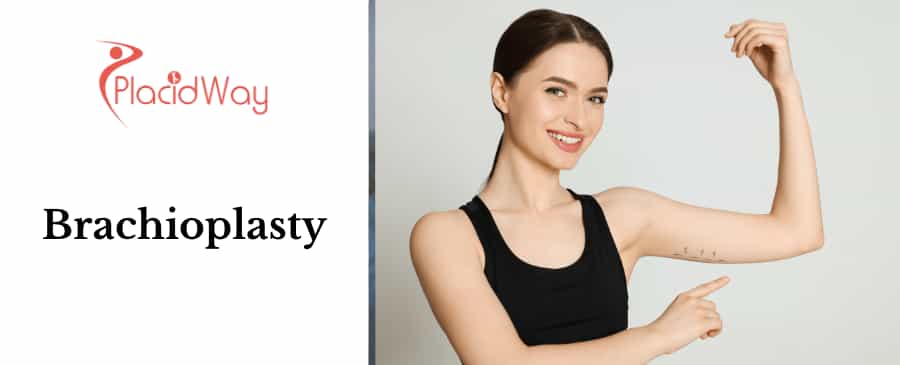
Rediscover Confident Arms: Your Guide to Brachioplasty (Arm Lift Surgery)
Do you find yourself avoiding sleeveless tops or feeling self-conscious about the appearance of your upper arms? Perhaps you've achieved significant weight loss, only to be left with "bat wings" – loose, sagging skin that diet and exercise can't fix. This common concern affects many, impacting both comfort and self-esteem. If this sounds familiar, Brachioplasty, commonly known as arm lift surgery, might be the transformative solution you've been seeking.
Brachioplasty is a surgical procedure designed to reshape the underside of the upper arm, from the armpit to the elbow. It effectively removes excess sagging skin and unwanted fat deposits, resulting in a more toned, proportionate, and youthful contour. For those who have experienced considerable weight fluctuations, the natural aging process, or simply genetics that predispose them to loose arm skin, an arm lift can make a profound difference. It addresses that persistent "arm wobble" and helps clothes fit better, allowing you to embrace activities and attire with renewed confidence.
Understanding the procedure, its benefits, and what to expect is the first step towards achieving your aesthetic goals. This guide delves deep into Brachioplasty, covering everything from identifying the need for surgery to navigating the world of medical tourism for this popular procedure. We'll explore the 'why' behind sagging arms, the different types of arm lifts available, recovery expectations, and crucially, how to safely and effectively pursue treatment abroad, where quality care often comes with significant cost advantages. Let's embark on this journey to firmer, more confident arms.
What are the common signs that you might need an arm lift?
Many individuals consider an arm lift when they notice specific aesthetic and functional issues with their upper arms. The most prominent sign is the presence of excess, sagging skin that hangs loosely when the arm is extended, often referred to as "bat wings." This isn't just a cosmetic concern; for some, it can lead to:
- Physical Discomfort: Chafing, skin irritation, or difficulty fitting into certain clothing styles.
- Self-Consciousness: A reluctance to wear short-sleeved shirts, swimwear, or to raise arms, impacting social interactions and self-esteem.
- Lack of Tone: Even with regular exercise, the skin lacks elasticity and doesn't retract, making the arms appear less sculpted despite underlying muscle development.
- Persistent "Wobble": The skin and fat continue to move significantly when the arm is in motion, which can be particularly frustrating after achieving fitness goals.
If you're constantly trying to hide your upper arms or feel limited by their appearance, an arm lift could be a valuable option to restore a smoother, more youthful contour.
What causes excess skin and fat on the upper arms?
Understanding the root causes of sagging upper arms can help explain why diet and exercise alone often aren't enough to resolve the issue:
- Significant Weight Loss: This is one of the most common reasons. When a large amount of weight is lost, the skin, which has been stretched for an extended period, may lack the elasticity to shrink back to the body's new contours. This leaves behind loose, excess skin.
- Aging: As we age, our skin naturally loses collagen and elastin, the proteins responsible for its firmness and elasticity. This leads to sagging not just in the arms, but across the body. The effects are often pronounced in areas like the upper arms where skin can be thinner.
- Genetics: Some individuals are simply genetically predisposed to having less elastic skin or to store fat more readily in their upper arms, regardless of their weight or age.
- Lack of Muscle Tone: While not a primary cause of *excess skin*, poor muscle tone can make the existing fat and skin appear less firm and more pronounced. However, building muscle alone won't address significant skin laxity.
It's important to recognize that once skin loses its elasticity to a certain degree, no amount of targeted exercise can effectively tighten it. Surgery becomes the most viable option for removal.
What types of brachioplasty procedures are available?
The type of brachioplasty recommended depends on the amount and location of excess skin. A qualified surgeon will assess your individual needs to determine the most appropriate technique:
- Standard Brachioplasty (Full Arm Lift):
- Description: This is the most common type for significant skin laxity. It involves an incision from the armpit down to the elbow on the inner or back aspect of the arm.
- Purpose: Removes a considerable amount of excess skin and fat, dramatically reshaping the entire upper arm.
- Scarring: A visible linear scar along the length of the upper arm, but usually placed where it's less conspicuous when arms are down.
- Limited-Incision Brachioplasty (Mini Arm Lift):
- Description: For individuals with moderate laxity, typically confined to the upper third of the arm, near the armpit. The incision is limited to the armpit area.
- Purpose: Addresses less severe sagging, often combined with liposuction to remove localized fat.
- Scarring: A shorter, less noticeable scar hidden within the armpit folds. Not suitable for extensive loose skin.
- Extended Brachioplasty:
- Description: This technique is for patients with extensive laxity that extends beyond the upper arm, often into the chest wall or side of the body, common after massive weight loss.
- Purpose: Removes excess skin from the upper arm and also from the side of the chest or upper back to create a continuous smooth contour.
- Scarring: The longest incision, extending from the elbow, through the armpit, and onto the side of the chest/torso.
Liposuction is often performed in conjunction with any brachioplasty technique to remove stubborn fat pockets and refine the arm's contour further.
Who is an ideal candidate for arm lift surgery?
While brachioplasty can be life-changing, it's not for everyone. The best candidates typically share several characteristics:
- Stable Weight: Candidates should be at or near their ideal body weight and have maintained it for at least 6-12 months. Significant future weight fluctuations can compromise the results.
- Good General Health: Patients should be in good physical health, free from medical conditions that could impair healing or increase surgical risks. Conditions like diabetes, heart disease, or autoimmune disorders may be contraindications.
- Non-Smokers: Smoking severely inhibits healing and increases the risk of complications. Surgeons typically require patients to stop smoking several weeks before and after surgery.
- Realistic Expectations: Understanding that while an arm lift can significantly improve arm contour, it will leave scars and isn't a substitute for weight loss.
- Excess Skin: The primary qualification is the presence of significant loose, sagging skin in the upper arms that does not respond to exercise.
A thorough consultation with a board-certified plastic surgeon is essential to determine if you are a suitable candidate and to discuss your goals.
What is the typical recovery time and what should I expect after brachioplasty?
Recovery is a crucial phase for optimal results and patient safety. Here's what you can generally expect:
- Immediately After Surgery: You'll have dressings, compression garments, and possibly small drains placed in your arms to collect fluid. Pain medication will be prescribed to manage discomfort. Your arms will be swollen and bruised.
- First Few Days: Rest is paramount. Keep your arms elevated to help reduce swelling. Avoid raising your arms above shoulder level. Assistance with daily tasks will likely be needed.
- First 1-2 Weeks: Most patients can return to light, non-strenuous work within 1-2 weeks. Drains are usually removed within this period. Continue wearing your compression garment. Swelling and bruising will gradually subside.
- Weeks 2-4: You can typically resume more normal activities, but strenuous exercise, heavy lifting, and activities that put strain on the arms must still be avoided. The compression garment is still important.
- Weeks 4-6+: Most restrictions are lifted, and you can gradually ease back into your full exercise routine, including arm workouts. Swelling may persist subtly for several months, and scars will continue to mature.
Key Recovery Expectations:
- Pain and Discomfort: Managed with medication, typically decreases significantly within a few days.
- Swelling and Bruising: Expected, gradually resolves over weeks to months.
- Numbness: Temporary numbness or altered sensation is common along the incision lines.
- Scars: Will be red and raised initially, fading to a flatter, lighter line over 12-18 months. Scar management (silicone sheets, massage) may be recommended.
Following your surgeon's post-operative instructions diligently is vital for a smooth recovery and excellent results.
What are the potential risks and side effects of brachioplasty?
Like any surgical procedure, brachioplasty carries potential risks and side effects. While serious complications are rare, it's essential to be fully informed:
- Scarring: All brachioplasty procedures result in permanent scars. While surgeons strive to place them discreetly, their visibility varies by technique and individual healing. Scars may be red, raised, or become hypertrophic (thickened) or keloid (excessively thick) in some individuals.
- Infection: A risk with any surgery, though antibiotics are often given to minimize this.
- Bleeding/Hematoma: Collection of blood under the skin, which may require additional surgery to drain.
- Seroma: Fluid accumulation under the skin, sometimes requiring drainage.
- Swelling and Bruising: Normal post-operative effects, but prolonged or excessive swelling can occur.
- Numbness or Altered Sensation: Damage to superficial nerves can lead to temporary or, in rare cases, permanent numbness or tingling in the treated area.
- Asymmetry: While surgeons aim for symmetry, slight differences between the arms can occur.
- Skin Discoloration or Irregularities: Changes in skin pigmentation or contour irregularities are possible.
- Adverse Reaction to Anesthesia: Risks associated with general anesthesia, though rare, are discussed by the anesthesiologist.
- Poor Wound Healing: Particularly in smokers or those with certain medical conditions.
Choosing a board-certified, experienced surgeon and following all pre- and post-operative instructions significantly reduces these risks.
How much does brachioplasty cost worldwide?
The cost of brachioplasty is a major factor for many patients. Prices can vary dramatically based on geographic location, the surgeon's experience, the complexity of the procedure (e.g., mini vs. extended arm lift), anesthesia fees, facility costs, and pre/post-operative care. Here's a general cost comparison (estimates in USD):
| Country/Region | Estimated Cost Range (USD) | Key Factors Affecting Cost |
|---|---|---|
| USA / Canada / Western Europe | $6,000 - $10,000+ | High overheads, surgeon's reputation, insurance typically doesn't cover cosmetic procedures. |
| Mexico | $3,000 - $5,500 | Lower cost of living and medical expenses, proximity for North Americans. |
| Turkey | $3,500 - $6,000 | Strong reputation in medical tourism, competitive pricing, all-inclusive packages. |
| Thailand | $3,000 - $5,000 | Renowned for medical tourism, high-quality facilities, combined with a vacation opportunity. |
| Colombia | $3,000 - $5,000 | Growing destination for plastic surgery with skilled surgeons and modern clinics. |
| India | $2,500 - $4,500 | Very cost-effective, but requires more extensive travel for many patients. |
It's crucial to remember that these are estimates. Always obtain a detailed, personalized quote that includes all potential expenses, such as surgeon's fees, anesthesia, facility fees, post-operative garments, and any necessary follow-up appointments, especially when comparing options for "arm lift price abroad" or "brachioplasty cost in Mexico" or "Turkey."
Why should I consider traveling abroad for an arm lift?
Medical tourism for aesthetic procedures like brachioplasty has grown exponentially for several compelling reasons:
- Significant Cost Savings: As seen in the cost comparison, the most attractive reason is often the considerably lower price for the same, or even higher, quality of care compared to Western countries. This can make a life-changing procedure accessible to more people.
- Access to Specialized Expertise: Many popular medical tourism destinations boast world-renowned plastic surgeons who perform these procedures frequently, gaining extensive experience.
- Reduced Waiting Times: In some countries, wait lists for elective surgeries can be long. Abroad, you can often schedule your procedure much sooner.
- Privacy and Anonymity: Some patients prefer the discretion of undergoing surgery in a different country, away from their local community.
- Combine Treatment with Travel: The opportunity to recover in a pleasant, often resort-like setting can enhance the overall experience, turning a medical trip into a relaxing getaway.
- All-Inclusive Packages: Many clinics abroad offer packages that include accommodation, airport transfers, and sometimes even post-operative massages, simplifying the logistics for international patients.
For those searching for "arm lift surgery abroad" or "getting a brachioplasty overseas," these benefits make a strong case for exploring international options.
Which countries are best known for high-quality arm lift surgery at affordable prices?
Several countries have established themselves as leaders in medical tourism for plastic surgery, offering a blend of affordability and excellent standards:
- Turkey: Particularly Istanbul, has become a global hub for cosmetic surgery. It offers state-of-the-art hospitals, highly experienced surgeons, and competitive pricing, often with comprehensive packages. Patients frequently praise the high level of care and modern facilities. Many look for "arm lift in Turkey reviews" for validation.
- Mexico: Bordering the US, Mexico is a convenient option for North American patients. Cities like Tijuana, Cancun, and Guadalajara have numerous accredited clinics with skilled surgeons providing high-quality care at a fraction of US costs.
- Thailand: Bangkok and Phuket are renowned for their world-class hospitals and aesthetic clinics. Thai surgeons are highly regarded, and the country provides a unique opportunity to combine recovery with a tropical vacation.
- Colombia: With a strong tradition in plastic surgery, Colombia offers experienced surgeons, modern facilities, and attractive pricing, particularly in cities like Medellín and Bogotá.
- India: Known for its advanced medical infrastructure and highly qualified doctors, India provides some of the most budget-friendly options, though travel time might be a consideration for Western patients.
When searching for "best countries for arm lift," always prioritize accreditation (e.g., JCI), surgeon credentials, and patient testimonials over just price alone.
What should I know about ensuring safety and quality when getting an arm lift overseas?
While the benefits of medical tourism are appealing, ensuring safety and quality is paramount. Here’s how to navigate the process effectively:
- Choose Accredited Facilities: Look for hospitals and clinics that hold international accreditations, such as Joint Commission International (JCI). This signifies adherence to rigorous international standards of patient care and safety.
- Verify Surgeon Credentials: Research your surgeon's qualifications, experience, and board certifications. Ensure they specialize in plastic surgery and have a strong portfolio of brachioplasty results. Websites like PlacidWay can help connect you with reputable providers.
- Read Patient Reviews and Testimonials: Seek out unbiased reviews and success stories from previous international patients. This can provide insights into the patient experience, quality of care, and overall satisfaction.
- Thorough Pre-Travel Consultation: Insist on virtual consultations with your chosen surgeon to discuss your goals, assess your candidacy, understand the procedure in detail, and address all your questions and concerns before you travel.
- Understand All Costs and Inclusions: Get a detailed breakdown of all expenses, including surgery fees, anesthesia, hospital stay, medications, compression garments, and follow-up care. Be wary of significantly low prices that might indicate hidden costs or compromised quality.
- Plan for Recovery and Post-Operative Care: Understand the expected recovery timeline and how post-operative care will be managed, both abroad and upon your return home. Ensure you have clear instructions and access to your surgical team if needed.
- Travel Insurance: Consider comprehensive travel insurance that includes medical evacuation and complications coverage, specifically for medical procedures abroad.
- Language and Communication: Ensure there's clear communication with your medical team. Many medical tourism providers offer multilingual staff or translators.
By taking these steps, you can significantly enhance your chances of a safe, successful, and satisfying "safe arm lift abroad" experience. Remember, a reputable medical tourism facilitator like PlacidWay can be an invaluable resource in guiding you through this complex process, ensuring you connect with trusted providers.
Take the Next Step with PlacidWay
Ready to explore treatment options abroad? Discover top clinics, compare prices, and get a free quote tailored to your needs with PlacidWay.
Cosmetic Surgery Abroad, Plastic Surgery Abroad




.png)
.png)
.png)
.png)


-(5).png)












Share this listing