
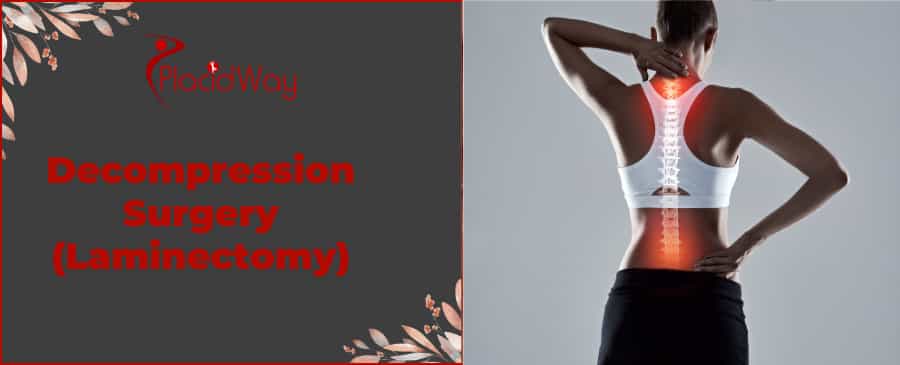
Finding Lasting Relief: Your Guide to Decompression Surgery (Laminectomy)
Living with persistent back pain, numbness, or weakness in your legs or arms can severely impact your quality of life. Everyday tasks become challenging, and the constant discomfort can be debilitating. If you've been diagnosed with conditions like spinal stenosis or a herniated disc, and conservative treatments haven't provided the relief you need, decompression surgery—often a laminectomy—might be the path to reclaiming your comfort and mobility.
This comprehensive guide is designed to provide you with a clear understanding of decompression surgery (laminectomy), from its symptoms and causes to the procedure itself, recovery expectations, and why many patients are exploring high-quality, affordable options for spine surgery abroad. We understand the decision to undergo surgery is significant, and our aim is to equip you with the knowledge to make an informed choice for your spinal health.
Whether you're researching "what is laminectomy surgery," "options for severe back pain," "how to relieve nerve compression in spine," or "spinal stenosis treatment abroad," this resource is for you. Let's delve into how this procedure can offer lasting relief and help you get back to living life to the fullest.
What are the common symptoms that indicate you might need decompression surgery?
The decision to consider decompression surgery often stems from persistent and worsening symptoms that significantly interfere with daily activities. These symptoms are typically caused by pressure on your spinal cord or the nerve roots exiting your spine. Patients frequently search for "signs of pinched nerve in back," "why my leg is numb from back pain," or "difficulty walking due to spinal issues."
- Persistent Back or Neck Pain: Often described as a dull ache or a sharp, shooting pain, which may worsen with certain activities.
- Radiating Pain (Sciatica or Radiculopathy): Pain that travels down your leg (sciatic nerve pain) or arm, often accompanied by numbness or tingling. This is a hallmark of nerve compression.
- Numbness or Tingling (Paresthesia): A "pins and needles" sensation in your extremities (buttocks, legs, feet, or arms, hands) due to nerve irritation.
- Weakness: Muscle weakness in the affected limb, making it difficult to lift your foot (foot drop), grasp objects, or maintain balance.
- Difficulty Walking or Standing: You might find yourself needing to lean forward or sit down frequently to relieve discomfort, a common sign of neurogenic claudication associated with spinal stenosis.
- Loss of Bowel or Bladder Control (Cauda Equina Syndrome): This is a rare but critical symptom requiring immediate medical attention, indicating severe compression of the nerves at the base of the spinal cord.
If you're experiencing these symptoms, especially if they are getting worse or affecting your quality of life, it's crucial to consult a spine specialist.
What causes spinal compression and necessitates a laminectomy?
Spinal compression, which often leads to the need for decompression surgery like a laminectomy, can arise from various factors, many of which are related to the natural aging process and wear and tear on the spine. Patients often search for "why is my spine compressed," "causes of back nerve pain," or "what causes spinal stenosis."
- Spinal Stenosis: This is the most common reason for laminectomy. It's a narrowing of the spinal canal, often due to degenerative changes like thickened ligaments, bone spurs, or bulging discs. Imagine a garden hose slowly being squeezed – the water flow (nerve signals) gets restricted.
- Herniated or Bulging Discs: The soft, gel-like cushions between your vertebrae can bulge out or rupture (herniate), pressing on nearby nerves. This is often the result of sudden injury or gradual degeneration.
- Bone Spurs (Osteophytes): These bony growths develop as the body tries to repair damage from arthritis or disc degeneration. They can grow into the spinal canal or foramina (openings for nerve roots) and compress nerves.
- Degenerative Disc Disease: As discs dry out and shrink with age, the space between vertebrae narrows, and the surrounding structures (ligaments, facet joints) can become irritated and enlarge, leading to compression.
- Arthritis of the Spine (Osteoarthritis): Inflammation and breakdown of cartilage in the facet joints of the spine can lead to bone spur formation and joint enlargement, encroaching on nerve space.
- Spinal Injuries or Tumors: Less common causes include fractures, dislocations, or spinal tumors that can directly compress the spinal cord or nerves.
Understanding the root cause is essential for determining the most effective treatment plan.
What are the different types of decompression surgery for the spine?
Decompression surgery is an umbrella term for several procedures designed to relieve pressure on the spinal cord or nerve roots. While laminectomy is one of the most common, other techniques may be used depending on the specific cause and location of the compression. Patients often search for "types of back surgery for pinched nerve" or "laminectomy vs discectomy."
- Laminectomy: This is the most common form of decompression surgery. "Lamina" refers to the bony arch that forms the back of the spinal canal. In a laminectomy, the surgeon removes part or all of the lamina bone, along with any bone spurs or thickened ligaments, to create more space for the nerves. It's like widening a tunnel to allow traffic to flow freely.
- Laminotomy: A less invasive variation where only a small portion of the lamina is removed, typically just enough to access and relieve pressure from the affected nerve root.
- Discectomy: This procedure involves removing all or part of a herniated or bulging disc that is pressing on a nerve. It is often performed in conjunction with a laminotomy.
- Foraminotomy: The foramen are the small openings on the sides of the vertebrae where nerve roots exit the spinal canal. A foraminotomy involves widening these openings to relieve pressure on the exiting nerves, often caused by bone spurs or disc material.
- Spinal Fusion (sometimes combined): In some cases, after extensive decompression, especially if spinal instability is a concern, spinal fusion may be performed. This involves permanently joining two or more vertebrae together to stabilize the spine.
The choice of procedure depends on factors like the cause of compression, its location, and the extent of spinal instability.
Am I a good candidate for spinal decompression surgery?
Deciding if you're a good candidate for decompression surgery is a process that involves thorough evaluation by a spine specialist. It’s not usually the first line of treatment. Patients often wonder "who needs laminectomy surgery," "when is back surgery necessary," or "criteria for spinal fusion."
You might be considered a candidate if:
- Conservative Treatments Have Failed: You've tried non-surgical options like physical therapy, pain medication, anti-inflammatory drugs, steroid injections, and chiropractic care for several months (typically 6-12 weeks) without significant improvement.
- Severe and Persistent Symptoms: Your pain, numbness, or weakness is severe enough to interfere with your daily life, work, or sleep.
- Clear Cause of Compression: Diagnostic tests (like MRI or CT scans) clearly show nerve compression caused by spinal stenosis, a herniated disc, or bone spurs that correlate with your symptoms.
- No Underlying Medical Conditions Preventing Surgery: You are generally healthy enough to undergo surgery and anesthesia. Certain pre-existing conditions might increase surgical risks.
- Neurological Deficits: You are experiencing progressive neurological deficits, such as worsening weakness or difficulty with balance, which indicate significant nerve damage.
- Cauda Equina Syndrome: This is a medical emergency requiring immediate surgery due to severe compression affecting bowel/bladder function.
Your surgeon will discuss your specific condition, overall health, and potential outcomes to help you make an informed decision.
What should I expect during recovery after decompression surgery?
Recovery is a crucial phase after any spinal surgery, and proper adherence to post-operative instructions is vital for a successful outcome. Patients often search for "laminectomy recovery time," "how long after back surgery can I drive," or "physical therapy after spine surgery."
- Immediate Post-Op (Hospital Stay): You'll likely stay in the hospital for 1 to 3 days. Pain management will be a priority, and nurses will assist you with getting out of bed and walking short distances. Early mobilization is encouraged to prevent complications.
- First Few Weeks Home: Expect some pain and discomfort at the incision site, which can be managed with medication. You'll need to avoid bending, lifting (more than a few pounds), and twisting (the "BLT" restrictions). Light walking is encouraged. Most people can return to light desk work within 2-4 weeks, but strenuous activities are still restricted.
- Physical Therapy: Many patients benefit from a structured physical therapy program starting a few weeks post-op. This helps strengthen core muscles, improve flexibility, and regain proper posture and movement patterns.
- Long-Term Recovery: Full recovery can take anywhere from 3 to 6 months, or even longer for more extensive procedures. You'll gradually increase your activity level under your surgeon's and physical therapist's guidance. The goal is to return to most normal activities, often with a significant reduction in pain.
It's important to be patient with your body and follow all medical advice to ensure the best possible recovery.
What are the potential risks and side effects of laminectomy?
While decompression surgery is generally safe and effective, it's important to be aware of the potential risks and side effects. Your surgeon will discuss these thoroughly with you before the procedure. Patients often research "laminectomy complications," "risks of back surgery," or "what are the side effects of spinal fusion."
Common risks include:
- Infection: At the incision site or within the spine. This is minimized with sterile techniques and antibiotics.
- Bleeding: Some blood loss is normal, but excessive bleeding can occur.
- Blood Clots: In the legs (DVT), which can potentially travel to the lungs (pulmonary embolism). Early mobilization helps prevent this.
- Reaction to Anesthesia: Nausea, vomiting, or more serious allergic reactions.
- Nerve Damage: Though rare, there's a small risk of new or worsening nerve damage, leading to numbness, weakness, or paralysis.
- Dural Tear (Spinal Fluid Leak): The dura is the membrane surrounding the spinal cord. A tear can lead to a cerebrospinal fluid leak, usually repairable during surgery.
- Persistent Pain: Sometimes, despite successful surgery, some degree of pain may persist, or a different type of pain may develop.
- Recurrence of Symptoms: The original problem (e.g., disc herniation, stenosis) can sometimes recur at the same or an adjacent level in the future.
- Spinal Instability: In some cases, removing bone can lead to instability, potentially requiring a future fusion procedure.
It's vital to have an open discussion with your surgeon about these risks and how they apply to your individual case.
How much does decompression surgery cost globally?
The cost of decompression surgery, particularly laminectomy, can be a major factor in a patient's decision-making process. Prices vary dramatically based on the country, the clinic's reputation, the surgeon's fees, the complexity of the procedure, and whether fusion is also performed. Patients frequently search for "affordable back surgery," "laminectomy cost abroad," or "spine surgery prices."
Here's a general comparison of estimated costs (all figures are approximate and can change):
| Country | Estimated Cost Range (USD) | Notes |
|---|---|---|
| United States | $30,000 - $70,000+ | Highly variable based on state, hospital, and insurance coverage. |
| United Kingdom | $20,000 - $50,000+ | Private care costs. NHS has long waiting lists. |
| Canada | $25,000 - $60,000+ | Private facilities; public system has long waiting lists for non-emergency cases. |
| Mexico | $8,000 - $15,000 | Popular for US patients seeking quality care at lower costs. |
| Turkey | $9,000 - $18,000 | Known for modern facilities and experienced surgeons, especially from Europe. |
| India | $7,000 - $14,000 | Very competitive pricing with high-volume, accredited hospitals. |
| Thailand | $9,000 - $16,000 | Excellent hospital infrastructure and patient services. |
These figures typically include the surgeon's fee, anesthesia, hospital stay, and basic post-operative care. They usually *do not* include travel, accommodation, or extensive rehabilitation.
Why should I consider having decompression surgery abroad?
The rising costs and sometimes lengthy waiting lists for specialized procedures like decompression surgery in many Western countries have made medical tourism an increasingly attractive option. Patients often search for "affordable back surgery overseas," "benefits of medical tourism for spine," or "no wait list spine surgery."
- Significant Cost Savings: As seen in the table above, the primary driver for medical tourism is often cost. You can access world-class treatment for a fraction of the price, even when factoring in travel and accommodation.
- Reduced Waiting Times: In countries with universal healthcare systems, non-emergency surgeries often involve long waiting lists. Traveling abroad can provide quicker access to necessary treatment, preventing further pain and potential nerve damage.
- Access to Advanced Technology and Expertise: Many medical tourism destinations boast state-of-the-art hospitals, equipped with the latest technology, and staffed by internationally trained and board-certified surgeons.
- High Quality of Care: Top clinics and hospitals in medical tourism hubs often achieve international accreditations (like JCI), ensuring adherence to global standards of patient safety and quality.
- Privacy and Anonymity: Some patients prefer the discretion that comes with seeking medical care away from their home country.
- Opportunity for Recovery in a Different Environment: The chance to recover in a pleasant, often vacation-like, environment can contribute to a more positive healing experience.
For many, the combination of affordability, accessibility, and high quality makes traveling abroad a smart choice for spinal decompression surgery.
Which countries are best known for affordable and quality spinal decompression surgery?
When considering decompression surgery abroad, certain countries have established reputations for providing excellent medical care, particularly in spine surgery, at more accessible prices. Patients often search for "best country for laminectomy," "spine surgery in Mexico reviews," or "affordable back surgery in Turkey."
- Mexico: Highly popular for North American patients due to its proximity, excellent modern hospitals in cities like Tijuana, Guadalajara, and Monterrey, and experienced surgeons often trained in the US.
- Turkey: A growing hub for medical tourism, particularly for European, Middle Eastern, and African patients. Istanbul and Ankara offer numerous JCI-accredited hospitals with state-of-the-art equipment and highly skilled spine specialists.
- India: Known for its vast network of internationally accredited hospitals and highly qualified surgeons who perform a large volume of complex spine surgeries annually. Costs are among the lowest globally without compromising quality.
- Thailand: A long-standing leader in medical tourism, offering luxurious hospital environments, exceptional patient care services, and highly trained surgeons, especially in Bangkok.
- South Korea: While potentially a bit pricier than India or Turkey, South Korea is renowned for its cutting-edge medical technology and highly specialized spine centers, attracting patients from across Asia and beyond.
When selecting a country, consider not just the cost, but also accreditation, surgeon credentials, language support, and ease of travel.
What should I expect when traveling for this procedure?
Embarking on a medical journey abroad requires careful planning and preparation. It’s more than just booking a flight; it involves coordinating your medical and travel logistics. Patients often ask, "how to plan medical trip for back surgery," "what to pack for surgery abroad," or "medical tourism logistics."
- Research and Selection: Start by thoroughly researching clinics and surgeons in your chosen destination. Look for international accreditations (like JCI), surgeon qualifications, patient testimonials, and transparent pricing.
- Medical Facilitator: Consider using a reputable medical tourism facilitator (like PlacidWay). They can help with everything from finding the right clinic and surgeon, arranging consultations, obtaining quotes, to coordinating travel, accommodation, and local transportation.
- Pre-Operative Consultations: You'll typically have initial virtual consultations with the surgeon to discuss your case, review medical records (ensure they are translated), and address any concerns.
- Travel and Accommodation: Plan for a stay of at least 1-3 weeks in the destination country. This allows for pre-operative assessments, the surgery itself, and initial post-operative recovery before it's safe to travel back home.
- Local Support: Ensure you have access to local support, whether through the hospital's international patient department, your facilitator, or a trusted companion.
- Post-Operative Care Plan: Discuss your post-operative care, including follow-up appointments, medication, and rehabilitation, both while abroad and upon your return home.
Thorough planning ensures a smooth and stress-free medical tourism experience.
How to ensure safety and quality when choosing decompression surgery abroad?
Safety and quality should be paramount when considering any medical procedure, especially abroad. While many international facilities offer excellent care, due diligence is essential. Patients frequently search for "safe medical tourism for spine surgery," "how to choose hospital abroad," or "accredited hospitals for laminectomy."
- International Accreditation: Look for hospitals and clinics that hold international accreditations, such as those from the Joint Commission International (JCI). This signifies adherence to rigorous global standards for patient safety and quality of care.
- Surgeon Qualifications: Verify your surgeon's credentials. Are they board-certified? What is their experience level with decompression surgeries? Do they specialize in spine surgery? Many international surgeons have received training in Western countries.
- Transparent Communication: The clinic should provide clear, detailed information about the procedure, risks, expected outcomes, and an all-inclusive cost breakdown. Ensure there are no hidden fees.
- Patient Testimonials and Reviews: Read reviews and testimonials from previous international patients. While not the sole factor, they offer insights into patient experience and satisfaction.
- Language and Cultural Support: Confirm that the hospital has dedicated international patient services with staff who can communicate effectively in your language, especially during critical medical discussions.
- Medical Records and Follow-up: Ensure your medical records are shared securely and that you have a clear plan for follow-up care both abroad and once you return home.
- Medical Tourism Facilitator: A good facilitator acts as an advocate and guide, helping you navigate these complex decisions and ensuring you connect with reputable providers.
By taking these steps, you can significantly enhance the safety and quality of your medical journey.
What are patient success stories from abroad?
Hearing about the experiences of others can be incredibly reassuring and informative. Numerous patients from around the world have found successful and life-changing relief through decompression surgery performed abroad. Their stories often echo similar themes: relief from debilitating pain, regained mobility, and a profound improvement in their overall quality of life.
For example:
- John from Canada: Facing a two-year wait for a laminectomy in his home country, John traveled to Mexico. He underwent successful surgery for spinal stenosis, reporting significant pain relief within weeks and praising the efficiency and personalized care he received at a fraction of the cost. "I couldn't walk more than a block before," he recounts, "now I'm back to hiking with my family."
- Maria from the UK: Struggling with a severe herniated disc causing sciatica, Maria opted for a discectomy and laminotomy in Turkey. She was impressed by the state-of-the-art facility, the English-speaking medical team, and the immediate post-operative support. Her recovery was swift, and she shared, "It was the best decision. I'm pain-free and enjoying life again without worrying about daily discomfort."
- Robert from the USA: Concerned about the high costs of spinal surgery, Robert chose India for his laminectomy. He experienced a seamless process from consultation to recovery, highlighting the comprehensive package that included airport transfers, accommodation, and dedicated patient coordination. "The care was exceptional, and the savings were incredible. I got my life back without crippling debt."
These stories underscore the potential for high-quality, effective medical care available through medical tourism, offering not just a solution to physical ailments but also peace of mind and financial relief. Many such testimonials can be found on medical tourism facilitator websites and hospital patient review sections.
Take the Next Step with PlacidWay
Ready to explore treatment options abroad? Discover top clinics, compare prices, and get a free quote tailored to your needs with PlacidWay.
Affordable Spine Surgery | Best Spine Surgery Abroad




.png)
.png)
-(9).png)
.png)



.png)














Share this listing