


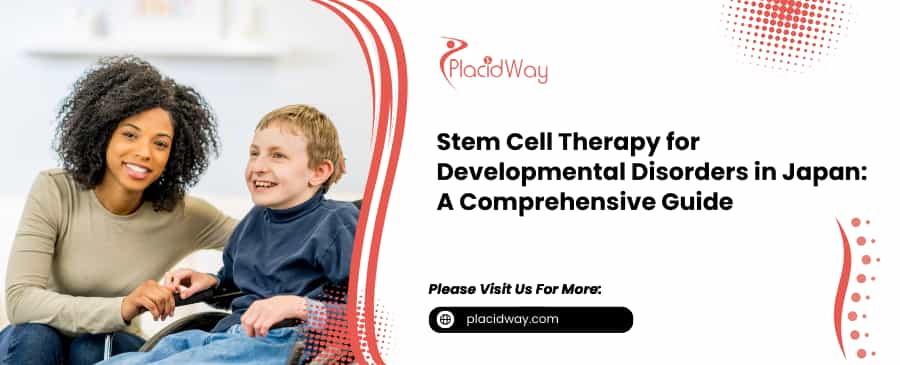
Japan has positioned itself at the global forefront of regenerative medicine, particularly for families seeking innovative treatments for developmental disorders. For parents of children with Autism Spectrum Disorder (ASD) or Cerebral Palsy (CP), Japan offers a unique blend of world-class safety standards, Nobel-prize-winning research heritage, and accessible clinical applications that are often years ahead of Western approvals.
Choosing stem cell therapy in Tokyo or Osaka means accessing a highly regulated medical environment where patient safety is governed by the landmark Act on the Safety of Regenerative Medicine (ASRM). This transparency allows international patients to pursue affordable stem cell treatment without compromising on the quality of cell processing or clinical expertise.
Key Takeaways
- Global Safety Leader: Japan’s 2014 PMD Act ensures the world’s strictest oversight for stem cell therapy for autism.
- Cost-Effectiveness: Prices in Japan are approximately 30-50% lower than comparable (often unavailable) experimental treatments in the USA.
- Typical Packages: Comprehensive packages include cell expansion, IV infusions, and neuro-rehabilitation starting around $9,500–$15,000.
- Target Disorders: Primary focus on Cerebral Palsy (CP), Autism, and Global Developmental Delay (GDD).
- Success Rates: Reported improvement rates for motor and cognitive functions range between 60% and 75% for eligible candidates.
Why Choose Japan for Developmental Disorder Stem Cell Therapy?
Japan offers a "Sakigake" (fast-track) system that brings promising regenerative therapies to patients faster while maintaining rigorous safety checks.
The decision to travel for pediatric stem cell therapy in Japan is often driven by the country's unparalleled regulatory clarity. Unlike "wild west" destinations where stem cell clinics operate in legal grey areas, every licensed regenerative clinic in Japan must have its cell processing facility certified by the Ministry of Health, Labour and Welfare (MHLW). This ensures that Mesenchymal Stem Cells (MSCs) used in treating autism in Tokyo are pure, viable, and free from contaminants.
Japan is the birthplace of Induced Pluripotent Stem Cells (iPSCs), a discovery by Dr. Shinya Yamanaka that won the Nobel Prize. While iPSCs are the future, current clinical treatments for developmental disorders in Japan primarily utilize Mesenchymal Stem Cells (MSCs), which are renowned for their powerful anti-inflammatory and immune-modulating properties.
Stem Cell Therapy for Autism in Japan: Clinical Approaches
Autism treatment in Japan focuses on reducing neuroinflammation and improving synaptic connectivity through high-dose MSC infusions.
Recent approvals, such as those for clinics in Osaka, allow for intravenous stem cell therapy for ASD in patients aged four and older. The protocol typically involves 50 million to 300 million cells administered over multiple sessions. These umbilical cord mesenchymal stem cells act as biological "mediators" that can cross the blood-brain barrier to address the immune dysregulation often associated with Autism Spectrum Disorder.
Families often report improvements in social interaction, verbal communication, and a significant reduction in repetitive behaviors. By targeting the underlying biological challenges rather than just symptoms, Japanese stem cell clinics provide a foundation for traditional therapies like ABA to be more effective.
"The therapeutic window for developmental disorders is most potent when the brain is still highly plastic. We find that children between the ages of 2 and 10 often show the most dramatic gains in cognitive function and sensory processing after receiving stem cell therapy in Japan. The goal is to 'prime' the neural environment for repair."
Cerebral Palsy Treatment in Tokyo: Enhancing Mobility
For Cerebral Palsy, stem cell therapy aims to repair damaged brain tissue and reduce spasticity, improving the Gross Motor Function Classification (GMFCS) score.
In Tokyo, clinics specializing in stem cell therapy for Cerebral Palsy utilize the "homing" ability of stem cells. When injected, these cells migrate to areas of neurological damage caused by periventricular leukomalacia (PVL) or hypoxia. They secrete neurotrophic factors that stimulate angiogenesis (new blood vessel growth) and neurogenesis (new neuron growth).
Patients with spastic diplegia or quadriplegia often see improvements in muscle tone, balance, and fine motor skills. Many Japanese protocols integrate intensive neuro-rehabilitation immediately following cell administration to "train" the new neural pathways being formed.
Step-by-Step: Your Treatment Journey in Japan
A typical medical tourism trip to Japan for regenerative therapy is structured to maximize safety and patient comfort.
- Pre-Arrival Assessment: Submission of MRI scans, GMFCS scores (for CP), and diagnostic reports for review by Japanese regenerative specialists.
- Arrival & Consultation: A 1-2 day period for physical exams and final protocol adjustment at a JCI-accredited facility.
- Cell Administration: Depending on the case, MSCs are delivered via IV infusion or, in specific neurological cases, intrathecal (lumbar puncture) injection.
- Rehabilitation: 3-5 days of specialized physical or occupational therapy to stimulate the newly introduced cells.
- Follow-up: Remote monitoring at 3, 6, and 12-month intervals to track developmental milestones.
Cost Comparison: Stem Cell Therapy for Developmental Disorders
While Japan is a premium destination, it remains significantly more affordable than the United States, with higher regulatory security than many low-cost alternatives.
"The price difference between stem cell therapy in Japan and the USA isn't just about labor costs. Japan allows the expansion of cells (culturing them to reach hundreds of millions), which is strictly limited in the US. This means patients in Japan receive a significantly higher 'dose' of therapeutic cells for a fraction of the price."
Safety and Accreditation: The Japanese Standard
Choosing a clinic in Japan means benefiting from a nationwide commitment to medical excellence and technological precision.
When searching for a top stem cell clinic in Tokyo, look for facilities that are JCI-accredited or have specific MHLW licenses for Class I or Class II regenerative medicine. These certifications guarantee that the cell processing center (CPC) adheres to Good Manufacturing Practice (GMP) standards, ensuring the sterility and potency of every injection. Japan's National Center for Child Health and Development continues to lead research into ESCs and iPSCs, trickling down high-level expertise to private clinical practices.
Japan utilizes a "Conditional Approval" system. This means if a therapy is proven safe and shows high promise in early trials, it can be marketed to the public while long-term efficacy data is still being gathered. This is why stem cell therapy for spinal cord injury and autism is available in Japan years before it reaches the US market.
Frequently Asked Questions (FAQs)
Ready to Explore Healing in Japan?
Don't let developmental challenges define your child's future. PlacidWay connects families with JCI-accredited and MHLW-licensed hospitals in Japan that lead the world in safe, effective stem cell therapy.
Get a free, no-obligation quote today and speak with our medical care team about customized autism or cerebral palsy treatment packages in Tokyo and Osaka.
Get a Free Quote for Therapy in Japan

















Share this listing