
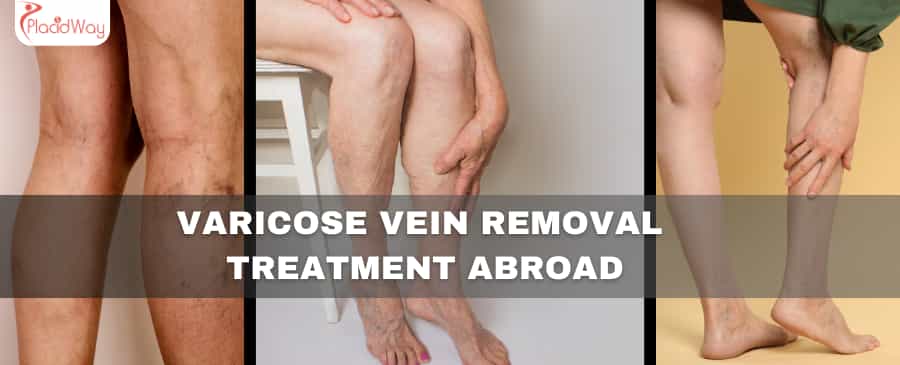
Reclaim Comfort: Your Guide to Varicose Vein Removal and Medical Tourism
Do you often feel a dull ache, heaviness, or burning sensation in your legs, especially after a long day? Have you noticed prominent, twisted veins just beneath your skin that are more than just a cosmetic bother? These could be varicose veins, a common condition affecting millions worldwide. While often dismissed as a mere cosmetic issue, varicose veins can lead to significant discomfort, pain, and even more serious health concerns if left untreated.
Understanding varicose veins and their treatment options is the first step towards finding relief. This guide will walk you through everything you need to know about varicose vein removal, from understanding the symptoms and causes to exploring the various advanced treatments available today. We’ll also delve into the growing trend of medical tourism for varicose vein removal, highlighting why many patients are choosing to seek high-quality, affordable care abroad.
Whether you're struggling with the physical symptoms of tired, aching legs or seeking a solution for the appearance of prominent veins, you're not alone. We're here to provide clear, empathetic, and comprehensive information to help you make an informed decision about your health and well-being, exploring how treatments like sclerotherapy, laser ablation, and phlebectomy can offer lasting relief. Many are also asking about "how to remove varicose veins safely" and "what's the best treatment for leg veins," and we'll address these common patient concerns.
What are the common signs and symptoms of varicose veins?
Varicose veins are more than just visibly swollen or twisted veins; they can manifest through a range of uncomfortable symptoms that significantly impact daily life. Recognizing these signs is crucial for timely diagnosis and treatment. Patients often search for "symptoms of varicose veins in legs" or "do varicose veins hurt?"
- Visible Veins: The most obvious sign is the appearance of dark blue or purple veins that are twisted, bulging, and often look like cords under the skin, usually on the legs and feet.
- Aching or Heavy Legs: A persistent feeling of tiredness, heaviness, or dull ache in the legs, especially after prolonged standing or sitting, is a very common complaint.
- Burning or Throbbing: Some individuals experience a burning sensation, throbbing, or muscle cramping in their lower legs, particularly at night.
- Swelling: Swelling in the ankles and feet can occur due to fluid retention caused by impaired blood circulation.
- Itching: The skin over the affected veins may become dry, itchy, or irritated (stasis dermatitis).
- Skin Discoloration: Over time, chronic venous insufficiency can lead to skin discoloration, often a brownish hue, especially around the ankles.
- Restless Legs: An uncomfortable sensation that prompts an urge to move the legs, often occurring in the evenings or while resting.
- Pain that Worsens: Discomfort often intensifies after long periods of standing or sitting and may improve when elevating the legs.
What causes varicose veins and who is at risk?
Varicose veins develop when the small, one-way valves inside your veins become weakened or damaged. These valves are designed to ensure blood flows towards your heart. When they fail, blood can flow backward and pool in the veins, causing them to stretch, swell, and become "varicose." Understanding the "causes of varicose veins" helps in prevention and treatment planning.
Several factors increase your risk:
- Genetics/Family History: This is the strongest risk factor. If close family members have varicose veins, you're more likely to develop them.
- Age: As you age, the valves in your veins may weaken and wear out, increasing the risk.
- Sex: Women are more prone to varicose veins than men, largely due to hormonal changes during pregnancy, pre-menstruation, or menopause. Female hormones tend to relax vein walls.
- Pregnancy: During pregnancy, the volume of blood in your body increases, and the growing uterus puts added pressure on the veins in your pelvis and legs. Hormonal changes also play a role.
- Obesity: Being overweight or obese puts additional pressure on your veins.
- Prolonged Standing or Sitting: Jobs or lifestyles that involve long periods of standing or sitting without much movement can hinder proper blood circulation.
- History of DVT: Previous deep vein thrombosis (blood clots in deep veins) can damage valves.
- Trauma or Injury: Direct injury to a vein can sometimes lead to varicose vein development.
What types of varicose vein removal treatments are available?
Today, patients have a wide array of options for "varicose vein treatment," ranging from simple lifestyle changes to advanced surgical procedures. The choice depends on the size, location, and severity of your varicose veins, as well as your overall health and preferences. Many patients specifically look for "non-surgical varicose vein removal" or "laser treatment for veins."
- Sclerotherapy:
- What it is: A liquid or foam chemical solution is injected into the vein, irritating its lining and causing it to collapse and eventually fade.
- Best for: Small to medium-sized varicose veins and spider veins.
- Recovery: Minimal downtime, compression stockings usually worn for a few weeks.
- Endovenous Laser Ablation (EVLA) / Radiofrequency Ablation (RFA):
- What it is: A thin catheter is inserted into the affected vein, and laser energy (EVLA) or radiofrequency energy (RFA) is used to heat and seal the vein shut.
- Best for: Larger varicose veins.
- Recovery: Relatively quick, often involving compression stockings and resuming light activity soon after.
- Ambulatory Phlebectomy:
- What it is: Small incisions are made in the skin, and the varicose veins are removed piece by piece using a hook-like tool.
- Best for: Larger surface veins that are close to the skin.
- Recovery: Mild discomfort, immediate return to most activities, small scars.
- Vein Stripping and Ligation:
- What it is: A surgical procedure where the affected vein is tied off (ligation) and then removed (stripping) through small incisions.
- Best for: Very large or severely diseased veins.
- Recovery: More invasive, longer recovery time, and some scarring.
- Venaseal™ Closure System / Varithena™:
- What it is: Newer, non-thermal, non-tumescent options that use medical adhesive (Venaseal) or foam (Varithena) to close veins.
- Best for: Suitable for various vein sizes, often with less bruising and discomfort.
- Recovery: Minimal, often no compression stockings required for Venaseal.
Am I a good candidate for varicose vein removal?
Deciding if "varicose vein surgery" or other treatments are right for you involves a consultation with a vein specialist. They will assess your medical history, perform a physical examination, and often use an ultrasound to map your veins and determine the extent of valve damage. Key considerations for eligibility include:
- Symptom Severity: Are your varicose veins causing significant pain, discomfort, swelling, itching, or skin changes?
- Vein Characteristics: The size, location, and type of your varicose veins will dictate the most appropriate treatment method. For example, sclerotherapy is ideal for smaller veins, while EVLA or RFA targets larger, deeper veins.
- Overall Health: You should be in generally good health and free from certain conditions that could complicate the procedure or recovery (e.g., severe arterial disease, unmanaged diabetes).
- Pregnancy and Breastfeeding: Treatment is typically delayed until after pregnancy and breastfeeding due to hormonal changes and the temporary nature of pregnancy-related varicose veins.
- Realistic Expectations: Understanding the potential outcomes, recovery process, and possible need for multiple treatments is important.
Your doctor will help you understand the "best treatment for varicose veins in legs" based on your individual needs.
What is the typical recovery time after varicose vein removal?
The "varicose vein removal recovery" period largely depends on the specific procedure performed. Generally, modern treatments are minimally invasive, leading to quicker recovery times than traditional surgery. Patients often ask, "how long does it take to recover from varicose vein surgery?"
- Minimally Invasive Procedures (EVLA, RFA, Sclerotherapy, Phlebectomy, Venaseal):
- Immediate: You'll typically be able to walk immediately after the procedure. Some mild discomfort, bruising, or swelling is common.
- First few days: Most people can return to light daily activities, including work, within 1-2 days. Strenuous exercise should be avoided for 1-2 weeks.
- Compression: You will likely need to wear compression stockings for several days to a few weeks to aid healing and reduce swelling.
- Full Recovery: Most discomfort and bruising subside within 1-2 weeks, though complete healing and fading of the veins can take several months.
- Vein Stripping and Ligation:
- Immediate: This is a more involved surgery, requiring more extensive bandaging and compression.
- First few weeks: You may need 2-4 weeks for recovery, with restrictions on heavy lifting and strenuous activities. Significant bruising and swelling are common.
- Full Recovery: It can take several months for full healing, and there may be some scarring.
Regardless of the procedure, following your doctor's post-operative instructions, including elevation and walking, is crucial for optimal results and to prevent complications.
What are the potential risks and side effects of vein removal procedures?
Like any medical procedure, varicose vein removal carries some potential "risks and side effects," though serious complications are rare, especially with minimally invasive techniques. Patients often worry about "varicose vein surgery risks."
- Bruising and Swelling: Common after most procedures and usually resolve within a few weeks.
- Temporary Numbness: May occur if small nerves near the treated vein are affected, usually resolves over time.
- Skin Discoloration: Brownish discoloration or hyperpigmentation can occur along the treated vein, especially after sclerotherapy, and may be temporary or, rarely, permanent.
- Pain or Tenderness: Mild to moderate pain is common post-procedure, manageable with over-the-counter pain relievers.
- Blood Clots: A rare but serious risk. Superficial clots (phlebitis) are usually not dangerous but can be painful. Deep vein thrombosis (DVT) is very rare but requires immediate medical attention.
- Infection: A risk with any procedure that breaks the skin, though rare with sterile techniques.
- Allergic Reaction: To anesthetic or injected solutions (especially with sclerotherapy).
- Vein Recurrence: No treatment guarantees that new varicose veins won't develop elsewhere over time, or that treated veins won't recur, though recurrence rates are low with modern methods.
- Thermal Burns: A rare risk associated with laser or radiofrequency ablation if the skin is not adequately protected.
Your specialist will discuss these potential risks in detail and take all necessary precautions to minimize them.
How much does varicose vein removal cost worldwide?
The "cost of varicose vein removal" is a significant factor for many patients. Prices can vary dramatically based on the type of procedure, the number of veins treated, the clinic's location, the surgeon's experience, and whether anesthesia is required. Many patients look for "laser vein removal cost" or "varicose vein treatment prices."
Here's a general cost comparison for a single leg treatment (prices are approximate and can fluctuate):
| Procedure | USA / Canada / UK (High Cost) | Mexico / Turkey / India / Thailand (Medical Tourism) |
|---|---|---|
| Sclerotherapy (per session) | $500 - $1,500 | $150 - $600 |
| Endovenous Laser Ablation (EVLA) / Radiofrequency Ablation (RFA) | $3,000 - $6,000 | $1,500 - $3,500 |
| Ambulatory Phlebectomy | $2,000 - $4,000 | $1,000 - $2,500 |
| Vein Stripping | $4,000 - $7,000+ | $2,000 - $4,500 |
These prices usually include the surgeon's fee, facility fee, and anesthesia, but it's essential to confirm what's included in any quoted package, especially when considering "varicose vein treatment abroad."
Why consider varicose vein removal abroad, and which countries offer the best value?
The decision to seek "varicose vein treatment overseas" is increasingly popular, driven by several compelling factors:
- Significant Cost Savings: As seen in the table above, the cost of procedures in countries like the US, Canada, and the UK can be prohibitively high. Medical tourism destinations offer the same high-quality care at a fraction of the price. Many search for "cheap varicose vein surgery."
- Access to Advanced Treatments: Many international clinics are at the forefront of medical technology, offering the latest minimally invasive procedures like EVLA, RFA, and Venaseal, which might have long wait times or be less readily available in a patient's home country.
- Shorter Wait Times: In some public healthcare systems, patients may face long waits for elective procedures. Traveling abroad can mean quicker access to treatment, allowing for faster relief from symptoms.
- Combine Treatment with Travel: Patients can often combine their medical procedure with a relaxing vacation, enhancing the overall experience and providing a more pleasant recovery environment.
Countries offering excellent value and quality for "varicose vein removal medical tourism":
- Mexico: Renowned for proximity to the US, high-quality clinics, and experienced specialists, particularly in cities like Tijuana and Cancun.
- Turkey: A European hub for medical tourism, offering state-of-the-art facilities, highly trained doctors, and competitive pricing in cities like Istanbul.
- India: Known for world-class medical infrastructure, highly skilled surgeons, and extremely cost-effective treatments, especially in major cities like Mumbai and Chennai.
- Thailand: A long-standing leader in medical tourism, offering luxurious private hospitals, excellent patient care, and a wide range of advanced vein treatments.
- Costa Rica: Emerging as a popular destination for its beautiful scenery, experienced medical professionals, and affordable care, particularly for US patients.
What should I expect when traveling for varicose vein removal overseas?
Embarking on "medical travel for varicose veins" requires careful planning to ensure a smooth and successful experience:
- Research and Consultation: Begin by researching reputable clinics and specialists in your chosen destination. PlacidWay can assist in this by connecting you with accredited facilities and providing detailed profiles of doctors. Many clinics offer virtual consultations to discuss your case and treatment plan before you travel.
- Logistics Planning: Book your flights and accommodation well in advance. Consider hotels near the clinic for ease of access during recovery. Visa requirements should also be checked.
- Travel Companion: It's highly recommended to travel with a companion, especially if undergoing a procedure that might require some assistance post-op.
- Duration of Stay: While most varicose vein procedures are outpatient, it's advisable to plan for a stay of at least 3-7 days after the procedure for follow-up appointments and initial recovery before flying home. This duration can vary based on the procedure and your doctor's recommendations.
- Communication: Many international hospitals catering to medical tourists have English-speaking staff. Confirm translation services if needed.
- Documentation: Keep all your medical records, passport, travel insurance, and appointment details organized.
- Post-operative Care Abroad: Discuss post-op instructions and follow-up care with your surgeon before leaving. You’ll receive detailed guidance on managing pain, wearing compression stockings, and activity restrictions during your stay.
- Return Travel: Ensure you are comfortable and cleared for travel by your doctor. Long flights after vein procedures require special consideration (e.g., movement, hydration, compression).
How can I ensure safety, quality, and positive outcomes for vein treatment abroad?
Ensuring "safe varicose vein treatment abroad" is paramount. With proper due diligence, you can confidently choose a high-quality provider:
- Accreditation: Look for clinics accredited by international organizations like Joint Commission International (JCI). This signifies adherence to rigorous patient safety and quality standards.
- Surgeon Credentials: Verify the qualifications, experience, and specialization of the vein specialist. Ensure they are board-certified in vascular surgery or a related field and have extensive experience with your specific procedure.
- Patient Reviews and Testimonials: Read reviews and watch testimonials from previous international patients. Look for consistent positive feedback regarding outcomes, patient care, and professionalism.
- Transparent Communication: The clinic should provide clear, comprehensive information about the procedure, risks, costs, and expected outcomes in a language you understand.
- Technology and Facilities: Enquire about the equipment used (e.g., type of laser for EVLA) and the modernity of the surgical facilities.
- Medical Tourism Facilitators: Companies like PlacidWay specialize in connecting patients with reputable international providers. We vet clinics, assist with travel logistics, and provide transparent pricing, significantly easing the planning burden and increasing safety. We help answer questions like "how to choose a clinic for varicose veins abroad."
- Emergency Protocols: Understand the clinic's emergency procedures and what support is available if unexpected complications arise.
- Post-operative Support: Confirm what kind of follow-up care and support you will receive once you return home.
By taking these steps, you can significantly enhance your chances of a successful and positive experience with "varicose vein treatment success stories" of your own.
Can I read patient success stories from those treated abroad?
While specific individual stories are often shared directly by clinics or through medical tourism platforms with patient consent, the global success of varicose vein removal through medical tourism is widely documented. Patients frequently share positive experiences, emphasizing key benefits:
- Life-Changing Relief: Many patients report dramatic improvement in symptoms like pain, heaviness, itching, and swelling, allowing them to return to activities they once enjoyed without discomfort.
- Improved Confidence: Beyond physical relief, the cosmetic improvement often leads to a significant boost in self-esteem and confidence. Patients are often eager to wear shorts or skirts again without self-consciousness about their "spider veins" or "leg veins."
- Exceptional Care Experience: Testimonials often highlight the personalized attention, advanced facilities, and compassionate care received from international medical teams, often exceeding expectations set by experiences in their home countries.
- Affordability Without Compromise: A recurring theme in "varicose vein treatment success stories abroad" is the ability to access top-tier medical care at a price point that makes the procedure financially viable, turning what might have been an unachievable dream into a reality.
Platforms like PlacidWay often feature patient testimonials and case studies, allowing prospective patients to gain insights into the experiences of others who have successfully undergone varicose vein removal abroad. These narratives offer invaluable perspectives and often address concerns about quality and safety, reinforcing the viability and positive outcomes of choosing international healthcare for vein treatment.
Take the Next Step with PlacidWay
Ready to explore treatment options abroad? Discover top clinics, compare prices, and get a free quote tailored to your needs with PlacidWay.
Cosmetic Surgery Abroad, Plastic Surgery Abroad







.png)









Share this listing