


Stand Out in Medical Tourism: Attract Global Patients with Trust and Expertise
In today's highly competitive international healthcare landscape, learning how to stand out in medical tourism is essential for long-term growth. Attracting global patients to your clinic requires more than just state-of-the-art medical equipment; it demands a strategic foundation built on unwavering trust and visible expertise.
International healthcare seekers face immense vulnerability when crossing borders for medical care. By optimizing your digital presence, communicating transparent clinical outcomes, and prioritizing international patient acquisition strategies, you can transform your medical facility into a premier destination for health and wellness.
Video Chapters & Quick Navigation
The global healthcare market is expanding rapidly, creating unprecedented opportunities for clinics and hospitals worldwide. However, merely having excellent doctors is no longer sufficient to guarantee an influx of cross-border patients. Facilities must actively implement advanced medical tourism marketing strategies to establish authority.
When you learn how to build trust in healthcare marketing, you directly influence a patient's decision-making process. From the first Google search to the final post-operative follow-up, every digital and physical touchpoint must reassure the patient that they are making the safest, most logical choice for their health.
The Psychology of the International Medical Traveler
Before implementing any international patient acquisition strategies, clinic owners must understand the mindset of a medical traveler. Patients leaving their home countries are usually driven by three primary factors: cost savings, access to unavailable treatments, or the desire for higher quality care.
Despite these strong motivations, the underlying emotion driving their research is anxiety. They are worried about language barriers, surgical complications in a foreign land, and hidden costs. Addressing these fears head-on is the cornerstone of growing a medical tourism business successfully.
Overcoming the Initial Trust Deficit
A foreign clinic naturally starts at a trust deficit compared to a local neighborhood doctor. Patients cannot easily visit your facility beforehand to gauge its cleanliness or staff professionalism. Therefore, your digital footprint must work twice as hard to bridge this physical distance.
Successful hospitals bridge this gap by offering radical transparency. Providing virtual tours, detailed doctor biographies, and direct access to patient coordinators helps humanize your brand and alleviate early-stage anxieties.
How to Build Trust in Healthcare Marketing
Your website is often the very first interaction a potential global patient has with your clinic. If it looks outdated, loads slowly, or lacks essential information, you will lose the patient immediately. To attract global patients to your clinic, your online presence must project clinical excellence and security.
Trust in digital healthcare marketing is built through verifiable data, high-quality visual content, and seamless user experiences. A clunky website suggests clunky medical processes to the anxious consumer.
Radical Pricing Transparency
One of the most effective best practices for international patient care is providing upfront, transparent pricing. Hidden fees are a massive deterrent for medical tourists. When patients travel thousands of miles, they need to know exactly what is included in their medical package.
Create detailed pricing pages that break down the costs of surgery, anesthesia, hospital stays, and follow-up care. Clinics that offer comprehensive, easy-to-understand pricing models consistently outperform those that hide their costs behind mandatory consultation calls.
Verifiable Doctor Credentials and Success Rates
International patients are highly scrutinizing when it comes to surgical credentials. They want to see international board certifications, years of experience, and specific sub-specialty training. A generic "Meet Our Team" page is insufficient for medical tourism lead generation.
List where your surgeons studied, any international fellowships they have completed, and their specific complication and success rates. Providing links to their published medical research or international speaking engagements further solidifies their authority on a global scale.
Advanced Medical Tourism Marketing Strategies
Relying solely on word-of-mouth is a slow path to growth. To truly scale, hospitals must employ targeted healthcare marketing for international patients. This involves meeting the patient where they are in their digital search journey.
Effective marketing requires a multi-channel approach. Search engine optimization (SEO), localized paid advertising, and targeted content marketing all play vital roles in capturing the attention of specific global demographics.
SEO and Localized Search Campaigns
If a patient in the United Kingdom is looking for dental implants abroad, your clinic needs to rank for those specific long-tail search queries. Creating localized landing pages optimized for terms like "affordable dental implants in [Your Country] for UK patients" captures high-intent traffic.
Ensure these pages speak directly to the logistical needs of that specific demographic. Mention direct flight times from London, visa requirements, and offer currency conversions in British Pounds to make the research process frictionless.
Multilingual Content Marketing
You cannot effectively attract global patients to your clinic if your content is only available in one language. However, automated translations are not enough. Medical terminology must be accurately and culturally translated to maintain professionalism and trust.
Invest in native-speaking medical copywriters to translate your core service pages, FAQs, and patient consent information. This investment proves to prospective patients that you are fully equipped to handle their specific linguistic and cultural needs upon arrival.
Showcasing Clinical Excellence Through Patient Success
Claims of providing the "best care" are subjective and often ignored by savvy medical consumers. Tangible proof is what converts a browsing visitor into a booked patient. Leveraging patient testimonials effectively is a non-negotiable aspect of growing a medical tourism business.
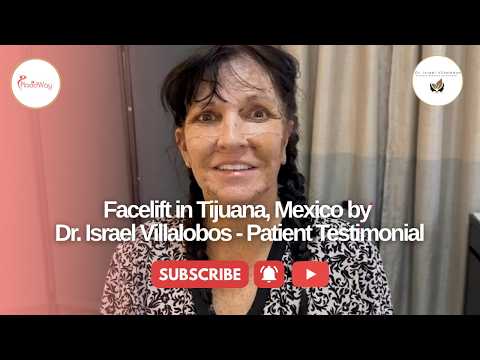
Video testimonials carry significantly more weight than written reviews. Seeing a real person, hearing their accent, and listening to their genuine emotional journey builds deep psychological trust.
Structuring High-Converting Video Testimonials
A strong patient testimonial should tell a complete story. It should outline the patient's initial problem, their hesitations about traveling abroad for medical care, the treatment experience at your clinic, and the final life-changing result.
Encourage patients to discuss the cleanliness of the facility, the empathy of the nursing staff, and the ease of airport transfers. These logistical details are exactly what prospective international patients are worrying about at home.
| Marketing Tactic | Standard Approach | High-Trust Medical Tourism Approach |
|---|---|---|
| Doctor Profiles | Basic headshot and list of local degrees. | Video introductions, global fellowships, and published complication rates. |
| Patient Reviews | Text-only quotes with first names. | Long-form video documentaries detailing the entire travel and recovery journey. |
| Pricing Information | "Contact us for a quote" forms. | Itemized price lists comparing local vs. international average costs. |
Creating a Culturally Competent Healthcare Environment
Attracting patients is only the first half of the battle; delivering an exceptional on-the-ground experience ensures they become brand advocates. Cultural competence is one of the most vital best practices for international patient care.
Patients recover faster and report higher satisfaction rates when they feel understood and respected. This goes far beyond medical treatment and deeply into the hospitality aspect of medical tourism.
Overcoming Language Barriers in Medicine
Medical terminology is confusing enough for patients in their native tongue. Attempting to navigate pre-operative instructions in a second language is a recipe for immense stress. Clinics must provide dedicated medical translators.
Having bilingual patient coordinators who guide the patient from the initial email inquiry through the physical hospital discharge ensures continuity of care and prevents critical miscommunications regarding medications or recovery protocols.
Dietary and Religious Accommodations
World-class international hospitals anticipate the personal needs of their global demographic. Offering Halal, Kosher, or specific vegetarian meal options shows a deep level of respect for the patient's background.
Providing access to multi-faith prayer rooms or understanding cultural modesty requirements during physical examinations are small details that generate massive trust and long-lasting loyalty among international patient communities.
Strategic International Patient Acquisition Strategies
Building a robust pipeline of international patients often requires aligning with established industry networks. Independent clinics can struggle to break through the noise of massive hospital conglomerates. Partnering with established entities can fast-track your medical tourism lead generation.
Collaborating with global facilitators allows clinics to tap into pre-existing pools of patients who are actively seeking medical treatments abroad but need guidance on where to go.
Partnering with Leading Medical Tourism Facilitators
Medical tourism facilitators act as a bridge between the patient and the provider. They handle the complex logistics of travel, visas, and initial vetting. By getting your clinic listed with reputable facilitators, you instantly benefit from their global marketing reach and established brand trust.
Ensure that the facilitators you partner with share your commitment to clinical excellence. A high-quality facilitator will thoroughly vet your clinic before sending patients, which serves as an additional layer of third-party endorsement for your facility.
Collaborating with International Insurance Providers
An increasingly popular strategy for growing a medical tourism business is forming alliances with international health insurance companies or self-funded corporate health plans. Many insurers are now willing to send patients across borders if the care is equivalent in quality but significantly lower in cost.
Securing these direct-to-employer or direct-to-insurer contracts guarantees a steady, predictable volume of international patients, heavily reducing your reliance on individual, direct-to-consumer digital marketing campaigns.
Optimizing the Digital Patient Experience Before Arrival
The patient experience begins long before the traveler steps onto an airplane. How your clinic manages the pre-arrival communication phase dictates the patient's confidence level. Utilizing secure, user-friendly technology is critical to attract global patients to your clinic.
Modern medical travelers expect digital convenience. Outdated email attachments and slow response times will quickly drive them to competitors who offer streamlined digital onboarding.
Telemedicine and Virtual Consultations
Before a patient commits to a cross-border flight, they want to speak directly with their surgeon. Integrating high-definition, secure telemedicine platforms into your patient acquisition funnel is highly effective.
A 15-minute virtual video consultation allows the surgeon to assess the patient's condition visually, set realistic expectations, and build personal rapport. This human connection is often the tipping point that turns an inquiry into a booked surgery.
Comprehensive Travel Concierge Services
Medical tourists are not just buying a surgery; they are buying an entire travel experience. Top-tier clinics differentiate themselves by offering end-to-end concierge services to remove all logistical friction.
- Airport Transfers: Having a dedicated driver greet the patient at the arrivals gate with a name sign provides immediate relief in a foreign country.
- Accommodation Booking: Partnering with nearby, recovery-friendly hotels that offer accessible rooms and specialized room service menus.
- Visa Assistance: Providing official medical invitation letters to expedite the medical visa application process.
Showcasing Healthcare Quality Through Accreditations
When implementing international patient acquisition strategies, third-party validation is incredibly powerful. Patients cannot independently verify your clinic's sterilization protocols or emergency response capabilities. They rely on global accrediting bodies to do this for them.
Prominently displaying international accreditations on your website serves as an immediate, universally recognized symbol of safety and quality assurance.
JCI and Global Health Certifications
The Joint Commission International (JCI) is widely considered the gold standard in global healthcare accreditation. Achieving this status proves that your facility operates under the strictest international safety and quality standards.
Other highly respected certifications include TEMOS, which specifically evaluates the quality of care provided to international patients, and ISO certifications for quality management systems. Highlighting these badges on your homepage dramatically increases conversion rates.
Presenting Audit Results to the Public
Take accreditation a step further by being transparent with your clinical data. If your clinic boasts a 99% infection-free rate or an extraordinarily low hospital readmission rate, publish those statistics.
Data-driven transparency reassures highly analytical patients who are meticulously comparing the risks and benefits of domestic versus international healthcare options.
Post-Treatment Care and Global Patient Retention
The relationship with a medical tourist does not end when they board their flight home. In fact, post-operative care is the most critical phase for ensuring long-term health outcomes and generating positive word-of-mouth referrals.
Clinics that excel in growing a medical tourism business understand that post-care follow-up is a primary driver for future patient acquisition through glowing testimonials.
Remote Monitoring After Border Crossing
Implement structured telehealth follow-ups at the one-week, one-month, and six-month marks. Allow patients to easily upload photos of their healing incisions via a secure patient portal for the surgical team to review.
Providing clear instructions for the patient's local primary care physician ensures a safe handoff of medical responsibilities and proves your clinic prioritizes patient welfare over mere transactional volume.
Building an Alumni Network of Satisfied Patients
A satisfied patient is your most potent marketing asset. Create a referral program or an alumni community where former patients can share their positive experiences with prospective medical travelers from their home region.
When a prospective patient can speak directly to someone from their own city who successfully underwent the same procedure at your clinic, the barriers of fear and mistrust are completely dismantled. This is the ultimate pinnacle of learning how to build trust in healthcare marketing.
Elevate Your Medical Tourism Strategy Today
Partner with PlacidWay to implement proven international patient acquisition strategies. Let us help you connect your world-class medical expertise with a global audience actively seeking high-quality care.
BOOST YOUR GLOBAL REACH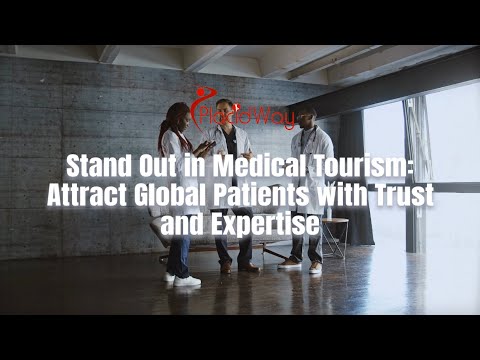






.png)
.png)
.png)
.png)


.jpg)
.jpg)
.jpg)









Share this listing