
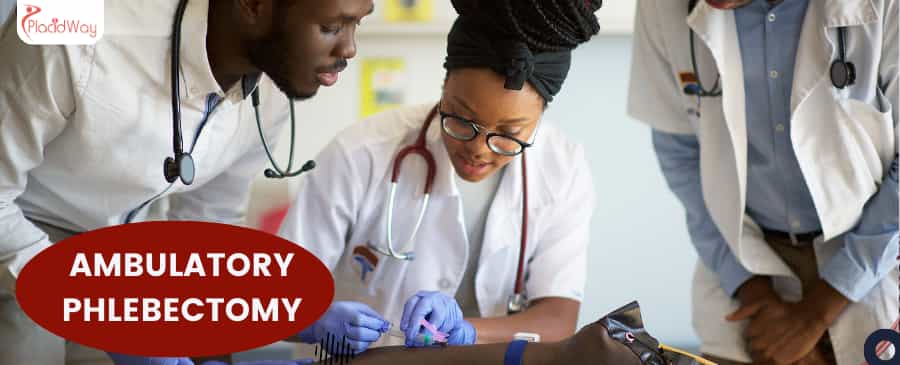
Rediscover Comfort: Your Guide to Ambulatory Phlebectomy for Varicose Veins
Do you experience aching, heavy legs, or notice unsightly, bulging veins beneath your skin? These could be symptoms of varicose veins, a common condition that can cause significant discomfort and impact your quality of life. For many, finding effective and accessible treatment is a top priority.
Ambulatory Phlebectomy, sometimes known as microphlebectomy or hook phlebectomy, offers a targeted and highly effective solution for removing these problematic veins. It's a minimally invasive outpatient procedure that can dramatically improve both the appearance of your legs and alleviate the painful symptoms associated with varicose veins.
This procedure is a popular choice for individuals seeking lasting relief and cosmetic improvement. It's particularly appealing for medical tourists who often look for high-quality care, specialized expertise, and more affordable options abroad. If you've been searching for "varicose vein removal options," "outpatient vein surgery," or "what to do about painful leg veins," this comprehensive guide will walk you through everything you need to know about Ambulatory Phlebectomy, from understanding your symptoms to navigating your treatment options, whether at home or as part of a medical journey.
What exactly is Ambulatory Phlebectomy and how does it help?
Ambulatory Phlebectomy is a refined technique designed to remove visible varicose veins that are often too large for sclerotherapy but don't require more extensive surgical stripping. The procedure involves making several very small incisions, typically 2-3 millimeters long, along the path of the affected vein. Through these tiny openings, a specialized hook is inserted to grasp and remove sections of the varicose vein. This is all done under local anesthesia, meaning you'll be awake but comfortable, with no pain in the treated area.
The beauty of this method lies in its precision and minimal invasiveness. Unlike older surgical techniques, it doesn't require stitches, as the small incisions heal quickly and are virtually unnoticeable once fully recovered. Patients often see immediate improvement in the appearance of their legs and experience prompt relief from symptoms like pain, aching, and heaviness. It's an outpatient procedure, meaning you can go home the same day, making it a convenient option for many.
What symptoms indicate I might need Ambulatory Phlebectomy?
Varicose veins are more than just a cosmetic concern; they can lead to a range of uncomfortable and sometimes debilitating symptoms. If you've been looking up "symptoms of bad leg veins" or "when should I see a doctor for varicose veins," here are the common signs that might point towards the need for a procedure like Ambulatory Phlebectomy:
- Aching or Heaviness: A dull ache or a sensation of heaviness in your legs, especially after standing or sitting for long periods. This is often the most common complaint.
- Swelling: Your ankles and feet may swell, particularly towards the end of the day.
- Pain and Throbbing: You might feel a throbbing sensation or sharp pain along the course of the affected veins.
- Muscle Cramps: Nighttime leg cramps can be a frustrating symptom, often occurring in the calves.
- Itching or Burning: An irritating itch or burning sensation on the skin over the varicose veins.
- Restless Legs Syndrome: Some people find that their varicose veins contribute to restless leg sensations.
- Skin Changes: In more advanced cases, the skin around the varicose veins may become discolored (brownish or reddish-blue), dry, itchy, or even lead to ulcers (open sores).
- Bulging, Twisted Veins: The most obvious sign is the appearance of rope-like, blue or purple veins that protrude from the skin.
If these symptoms are affecting your daily life, it's a good idea to consult a vein specialist. Early intervention can prevent the progression of the disease and improve your comfort significantly.
What causes varicose veins and who is at risk?
Varicose veins develop when the small, one-way valves inside your veins that help push blood back to your heart become damaged or weaken. When these valves don't close properly, blood flows backward and pools in the veins, causing them to enlarge, twist, and become visible just beneath the skin. This isn't just a random occurrence; several factors increase your likelihood of developing them:
- Genetics/Family History: If your parents or other close family members have varicose veins, you're at a significantly higher risk. This is often the strongest predictor.
- Age: As you get older, the valves in your veins can wear out and weaken.
- Gender: Women are more prone to varicose veins than men, likely due to hormonal changes during pregnancy, pre-menstruation, and menopause. Female hormones can relax vein walls.
- Pregnancy: During pregnancy, the volume of blood in your body increases, and the growing uterus puts pressure on the veins in your legs. Hormonal changes also play a role.
- Obesity: Carrying excess weight puts added pressure on your veins.
- Prolonged Standing or Sitting: If your job or lifestyle involves long periods of standing or sitting, your veins have to work harder to pump blood against gravity.
- Deep Vein Thrombosis (DVT): A history of blood clots in the legs can damage vein valves.
Understanding these risk factors can help you take preventive measures where possible, though some, like genetics, are beyond your control.
Am I a good candidate for Ambulatory Phlebectomy?
When considering "who is eligible for phlebectomy" or "criteria for vein surgery," a vein specialist will evaluate several factors to determine if Ambulatory Phlebectomy is the right treatment for you:
- Type of Varicose Veins: This procedure is ideal for medium to large-sized varicose veins that are easily visible and palpable (can be felt) just beneath the skin surface. It's often performed after an underlying source of venous reflux (like a faulty great saphenous vein) has been treated with procedures like endovenous laser ablation or radiofrequency ablation.
- Symptoms: If you are experiencing discomfort such as pain, aching, heaviness, swelling, or itching directly related to these visible veins.
- Overall Health: You should be in generally good health. While it's a minimally invasive procedure, any significant underlying health conditions might need to be managed first.
- Realistic Expectations: It’s important to understand that while it removes existing visible veins, it doesn't prevent new varicose veins from forming in the future if underlying risk factors persist.
- Non-Smoking Status: While not a strict contraindication, non-smokers generally heal better and have fewer complications.
Contraindications might include active skin infections, certain bleeding disorders, pregnancy, or severe arterial disease. A thorough consultation and ultrasound mapping of your veins are essential to confirm your candidacy.
What can I expect during my Ambulatory Phlebectomy procedure?
Understanding "what happens during vein removal surgery" can help ease any anxieties you might have. Ambulatory Phlebectomy is a straightforward outpatient procedure:
- Preparation: You'll typically lie on a treatment table. The area of your leg to be treated will be cleaned and sterilized.
- Local Anesthesia: The surgeon will inject a local anesthetic (like lidocaine) into the skin around the varicose veins. This will numb the area completely, so you won't feel any pain during the procedure, only some pressure. Many patients describe this part as a slight stinging sensation, similar to a bee sting, that quickly subsides.
- Small Incisions: Using a fine-tipped pen, the surgeon marks the varicose veins. Then, several very small (2-3 mm) incisions or punctures are made directly over the marked veins. These are so tiny they rarely require stitches.
- Vein Removal: Through these small incisions, a specialized phlebectomy hook is inserted. The surgeon then skillfully grasps the varicose vein segments and gently pulls them out. This is done meticulously, piece by piece, until the entire affected vein segment is removed.
- Compression: Once all the targeted veins are removed, the incisions are covered with small adhesive strips, and a compression stocking or bandage is applied to the treated leg. This helps to minimize bruising and swelling and promotes healing.
The procedure typically takes 30 to 60 minutes, depending on the number and extent of veins being treated. You'll be able to walk immediately afterward.
What is the typical recovery time after Ambulatory Phlebectomy?
One of the significant advantages of Ambulatory Phlebectomy is its minimal downtime. Patients often search for "how long to recover from vein surgery" or "can I walk after phlebectomy," and the answer is usually very positive:
- Immediate Post-Procedure: You will be encouraged to walk immediately after the procedure. This helps with blood circulation and reduces the risk of blood clots.
- Compression Stockings: You'll need to wear compression stockings continuously for at least 48-72 hours, and then during the day for 1-2 weeks as advised by your doctor. These are crucial for proper healing and to minimize bruising and swelling.
- Pain Management: Mild discomfort, aching, or tightness is common but usually well-managed with over-the-counter pain relievers like ibuprofen.
- Activity: Most people can return to light daily activities and work within 1-2 days. Strenuous exercise, heavy lifting, and long periods of standing should be avoided for a week or two.
- Bruising and Swelling: You can expect some bruising and mild swelling in the treated area, which typically subsides within a few weeks.
- Follow-up: A follow-up appointment is usually scheduled within a week or two to check your progress.
The small incisions heal quickly, often becoming nearly invisible over time. Most patients are very pleased with their results and the swift return to their normal routines.
What are the potential risks and side effects of Ambulatory Phlebectomy?
While Ambulatory Phlebectomy is considered a safe and effective procedure, like any medical intervention, it carries some potential risks and side effects. When researching "risks of vein removal" or "phlebectomy complications," here's what you might encounter:
- Bruising and Swelling: This is the most common side effect and is temporary. It typically resolves within a few weeks.
- Tenderness or Pain: Mild discomfort in the treated areas is normal and usually managed with over-the-counter pain relievers.
- Temporary Numbness: Small nerves close to the veins can sometimes be affected, leading to temporary numbness or a tingling sensation. This usually resolves as the nerves heal.
- Skin Discoloration (Hyperpigmentation): Brownish discoloration along the treated vein path can occur, especially in individuals with darker skin tones. This is usually temporary but can sometimes last for several months or even longer in rare cases.
- Infection: Though rare, any incision carries a risk of infection. Your doctor will provide instructions on wound care to minimize this risk.
- Allergic Reaction: To the local anesthetic or other materials used during the procedure (very uncommon).
- Scarring: The incisions are tiny and usually heal with minimal to no visible scarring.
- Recurrence: While the treated veins are permanently removed, new varicose veins can develop over time in other areas if the underlying venous insufficiency or risk factors persist.
Your vein specialist will discuss these potential risks in detail during your consultation, ensuring you are fully informed.
How much does Ambulatory Phlebectomy cost worldwide?
The cost of Ambulatory Phlebectomy can vary dramatically based on geographic location, the extent of the treatment needed (how many veins, how many legs), the clinic's reputation, and whether it's combined with other vein procedures. If you're searching for "cost of varicose vein surgery abroad" or "affordable phlebectomy," here's a general comparison:
Estimated Cost Comparison for Ambulatory Phlebectomy (Per Leg)
| Country | Estimated Cost Range (USD) | Notes |
|---|---|---|
| United States | $1,500 - $4,000+ | Higher costs, often covered by insurance if medically necessary. |
| United Kingdom | $1,200 - $3,500+ (approx £1,000 - £2,800) | Similar to US; NHS coverage can have long waiting lists. |
| Mexico | $800 - $2,000 | Excellent value, often near US border for easy travel. |
| Turkey | $1,000 - $2,500 | Modern facilities, experienced surgeons, combined with tourism. |
| India | $700 - $1,800 | Highly competitive pricing, internationally accredited hospitals. |
| Thailand | $900 - $2,200 | Renowned for medical tourism, high-quality care, and vacation appeal. |
Note: These are estimated ranges and actual costs may vary. Always get a personalized quote. Costs typically include the procedure, local anesthesia, and basic post-operative care. They usually do not include travel, accommodation, or extensive pre-operative tests not directly related to the procedure.
Why should I consider Ambulatory Phlebectomy as a medical tourist?
For many, seeking medical treatment abroad, especially for procedures like Ambulatory Phlebectomy, offers compelling advantages beyond just cost savings. If you're pondering "why travel for vein treatment" or "best countries for varicose vein surgery," here are the key reasons:
- Significant Cost Savings: As seen in the cost comparison, prices for the same high-quality procedure can be substantially lower in countries popular for medical tourism. This can make treatment accessible even without insurance coverage.
- Access to Specialized Care: Many medical tourism hubs boast state-of-the-art clinics and highly experienced vascular surgeons who are leaders in vein treatment, often trained in Western countries.
- No Waiting Lists: In some countries, public healthcare systems can have long waiting times for non-emergency procedures. Traveling abroad allows you to schedule your treatment promptly.
- Privacy and Discretion: Some individuals prefer the anonymity and privacy of receiving medical care away from their home country.
- Combine Treatment with a Vacation: The relatively quick recovery time for Ambulatory Phlebectomy makes it an ideal procedure to combine with a relaxing recovery period in an attractive destination. Imagine healing by a beautiful beach!
- Advanced Technology: Many international clinics invest heavily in the latest medical technologies and techniques to attract global patients.
Countries like Mexico, Turkey, India, and Thailand are particularly well-regarded for their medical tourism infrastructure, offering a blend of quality, affordability, and tourist appeal.
How can I ensure a safe and successful Ambulatory Phlebectomy experience abroad?
Ensuring the quality and safety of your medical journey abroad is paramount. When considering "how to choose a vein clinic overseas" or "medical tourism tips for vein surgery," keep these points in mind:
- Accreditation: Look for international accreditations like Joint Commission International (JCI). This signifies that the hospital or clinic meets stringent global healthcare standards.
- Surgeon Credentials and Experience: Research your surgeon thoroughly. Verify their qualifications, board certifications, and specific experience in vein procedures. Ask for their case volume for Ambulatory Phlebectomy.
- Facility Standards: Ensure the clinic or hospital uses modern equipment and adheres to high hygiene and safety protocols. Virtual tours or photos can be helpful.
- Patient Reviews and Testimonials: Seek out genuine reviews and success stories from previous international patients. PlacidWay can provide access to verified patient experiences.
- Clear Communication: Ensure there are no language barriers. Many international clinics cater to English-speaking patients and may have multilingual staff or translators.
- Comprehensive Package: A reputable medical tourism facilitator will offer transparent packages that include the procedure, anesthesia, post-op care, and potentially even accommodation and transfers.
- Pre- and Post-Operative Care Plan: Discuss the entire treatment plan, including pre-operative consultations, the procedure itself, immediate post-op care, and how follow-up will be managed once you return home.
- Insurance and Emergency Plan: Understand your travel insurance coverage for medical emergencies and have a contingency plan in place.
A trusted medical tourism provider like PlacidWay can significantly simplify this process, guiding you to reputable clinics and helping you vet your options.
Are there patient success stories for Ambulatory Phlebectomy from abroad?
Hearing about real-life experiences can be incredibly reassuring. Patients who undergo Ambulatory Phlebectomy abroad often share inspiring success stories, highlighting a combination of factors:
- "Life-Changing Relief": Many describe immediate relief from the chronic pain, heaviness, and aching they had endured for years. "I can finally stand for hours without my legs throbbing," is a common sentiment.
- Improved Confidence: The cosmetic improvement is a huge benefit. "I used to hide my legs, but now I'm excited to wear shorts again," one patient from Canada shared after her procedure in Mexico.
- Seamless Travel Experience: Patients frequently praise the efficiency and support provided by medical tourism facilitators, making the journey from consultation to recovery smooth and stress-free.
- High-Quality Care at a Fraction of the Cost: A patient from the UK who traveled to Turkey commented, "I received world-class care, in a beautiful, modern clinic, and it cost me less than half of what I would have paid at home, and with no waiting list."
- Positive Recovery and Return to Activity: The quick recovery allows many to enjoy their improved mobility soon after. "I was walking around Istanbul just days after my phlebectomy, feeling lighter than ever," a patient from the US recounted.
These stories underscore the value of exploring international options for Ambulatory Phlebectomy, offering a path to relief, renewed confidence, and an overall positive healthcare journey.
Take the Next Step with PlacidWay
Ready to explore treatment options abroad? Discover top clinics, compare prices, and get a free quote tailored to your needs with PlacidWay.
Vascular Surgery Abroad | Best Vascular Treatment Center



.png)
.png)
.png)














Share this listing