


Transformative VenaSeal Treatment for Varicose Veins: A Patient's Global Journey
Living with the debilitating physical and emotional pain of chronic venous insufficiency can severely limit your overall quality of life. For countless individuals across the globe, accessing advanced non-surgical varicose vein removal requires looking far beyond their local healthcare systems. This comprehensive review follows the inspiring medical journey of a patient from Eastern Africa who traveled to a world-renowned Vein Center to undergo the revolutionary VenaSeal treatment for varicose veins.
By choosing endovenous adhesive ablation over traditional vascular surgery, patients can effectively bypass the painful recovery times and intense surgical risks associated with older medical methods. Watch and read how modern vascular technology, combined with the growing accessibility of global medical tourism, is transforming lives, restoring mobility, and providing long-lasting severe varicose vein pain relief for international patients.
Video Chapters & Quick Navigation
The Hidden Burden of Chronic Venous Insufficiency (CVI)
Before understanding the miraculous nature of the VenaSeal treatment for varicose veins, one must first understand the underlying pathology of the disease itself. Chronic venous insufficiency (CVI) is a progressive medical condition wherein the one-way valves inside the leg veins fail to function correctly. This mechanical failure prevents deoxygenated blood from efficiently traveling back up the legs toward the heart.
When these tiny venous valves become damaged or weakened, blood begins to flow backward and pool in the lower extremities, a phenomenon clinically known as venous reflux. Over time, this intense hydrostatic pressure causes the veins to bulge, twist, and protrude visibly beneath the surface of the skin. Patients suffering from this condition experience far more than just cosmetic dissatisfaction; they endure a constant, throbbing physical burden.
Symptoms of severe varicose veins often include intense leg heaviness, chronic aching, persistent nocturnal leg cramps, and significant swelling around the ankles. If left entirely untreated, venous reflux disease can rapidly progress to more dangerous stages. This progression may lead to permanent skin discoloration, painful venous stasis ulcers, and a heightened risk of developing deep vein thrombosis (DVT).
The Psychological Toll of Vascular Disease
The impact of chronic venous insufficiency extends well beyond physical discomfort. For many patients, including the individual featured in our clinical review, the psychological toll is equally devastating. Men and women with severe bulging veins often alter their wardrobes, avoiding shorts or skirts even in sweltering climates.
They may withdraw from social activities, abandon beloved sports, or experience a deep sense of self-consciousness regarding their physical appearance. This emotional weight compounds the physical pain, creating a cycle of restricted mobility and reduced quality of life. Finding effective chronic venous insufficiency treatment options is therefore not just about improving circulation; it is about reclaiming one's personal freedom and confidence.
The Evolution of Varicose Vein Treatment
The historical landscape of vascular surgery was once dominated by highly invasive, painful procedures requiring general anesthesia and extensive hospital stays. For decades, the gold standard for treating severe varicose veins was a surgical procedure known as vein ligation and stripping. This involved making large incisions in the groin and calf, manually tying off the diseased great saphenous vein (GSV), and physically ripping it out of the leg.
As medical technology advanced into the late 20th and early 21st centuries, thermal ablation techniques revolutionized the field of phlebology. Endovenous Laser Ablation (EVLA) and Radiofrequency Ablation (RFA) emerged as safer, minimally invasive alternatives. These methods utilize intense heat energy delivered via an intravascular catheter to physically burn and collapse the diseased vein from the inside out.
While highly effective, thermal ablation still carries notable drawbacks. Because the treatments rely on extreme heat, they require multiple, painful injections of tumescent anesthesia along the entire length of the leg to protect surrounding tissues and nerves from thermal injury. Patients are also subjected to a risk of localized nerve damage and must wear rigid, uncomfortable compression stockings for weeks following the procedure. This set the stage for a truly non-thermal revolution.
Understanding the VenaSeal Vein Closure System
The introduction of the VenaSeal closure system represents the pinnacle of modern non-surgical varicose vein removal. Approved by global medical regulatory bodies, VenaSeal is an innovative, non-thermal, non-tumescent (NTNT) procedure that utilizes a specialized medical adhesive to permanently close diseased veins. At in the video, the vascular specialist beautifully details how this "medical superglue" operates.
The procedure is elegant in its clinical simplicity. Guided by continuous, real-time duplex ultrasound imaging, a highly skilled vascular surgeon inserts a tiny, flexible catheter through a single micro-puncture in the skin, usually near the knee or lower calf. The catheter is carefully navigated up the great saphenous vein or small saphenous vein until it reaches the specific point of venous reflux near the groin.
Once perfectly positioned, a specially formulated cyanoacrylate adhesive is meticulously dispensed in small, precise drops along the interior wall of the diseased vein. The surgeon applies gentle, external manual compression to the leg, forcing the vein walls together. The medical adhesive rapidly polymerizes upon contact with blood and moisture, instantaneously and permanently sealing the vein shut.
The Physiological Aftermath of VenaSeal
Once the diseased vein is glued completely shut, the body initiates a remarkable, natural healing response. The blood that was previously pooling in the faulty vein is immediately and safely rerouted through the vast network of surrounding, healthy deep veins. This instantly restores proper venous circulation and rapidly alleviates the intense pressure in the lower extremities.
Over the course of several months, the body's immune system naturally recognizes the glued, non-functioning vein as inert tissue. Through a process called sclerosis and absorption, the body slowly breaks down and absorbs the closed vein until it completely disappears into the surrounding tissue. This guarantees that the targeted varicose vein can never reopen or cause recurrent issues.
Why Eastern African Patients Seek Vascular Care Abroad
The patient featured in this clinical review hails from Eastern Africa, a region experiencing rapid economic growth but still facing distinct challenges regarding highly specialized medical infrastructure. While basic healthcare and general surgical services are available, accessing ultra-niche, technologically advanced treatments like endovenous adhesive ablation VenaSeal can be exceedingly difficult and prohibitively expensive.
Many local hospitals in developing regions lack the specialized duplex ultrasound equipment and the highly specific, imported VenaSeal delivery systems required for the procedure. Furthermore, the number of board-certified phlebologists specifically trained in non-thermal ablation techniques is often severely limited. This creates a scenario where patients are only offered outdated, painful vein stripping surgeries.
Faced with the prospect of invasive surgery, prolonged hospitalization, and significant time away from work, many patients are turning to medical tourism for vascular surgery. By traveling to globally recognized medical hubs, patients from Eastern Africa can access world-class Vein Centers equipped with the latest FDA-approved technologies. These international facilities offer unparalleled expertise, ensuring safer outcomes and substantially faster recovery times.
The Economic Reality of Global Vein Treatment
Surprisingly, engaging in medical tourism for vascular care is often more economically viable than paying out-of-pocket for specialized care at home. Top medical destinations offer highly competitive, transparent pricing structures designed specifically for international patients. These comprehensive medical packages frequently bundle the cost of the initial consultation, duplex ultrasound mapping, the VenaSeal procedure itself, and post-operative medications into one predictable fee.
When comparing the overall varicose vein treatment cost, patients often discover that they can afford premium, non-invasive procedures abroad for the same price as basic surgical interventions in their home countries. This democratization of global healthcare empowers patients to take control of their medical journeys and demand the highest possible standard of care.
The International Patient Experience: A Closer Look
The video review provides a deeply personal glimpse into the seamless nature of modern medical tourism. As noted at , the patient describes their initial apprehension regarding traveling abroad for a medical procedure. However, this anxiety was rapidly alleviated by the extraordinary level of personalized care provided by the international Vein Center's dedicated patient coordination team.
From the moment the patient arrived at the airport, every logistical detail was meticulously managed. Translators, private transportation, and pre-arranged boutique accommodations ensured a stress-free environment. This level of comprehensive concierge service is a hallmark of the best vein centers for international patients, allowing individuals to focus entirely on their upcoming medical procedure and subsequent healing.
The medical consultation itself is an exercise in thoroughness and transparency. Before any treatment begins, international patients undergo extensive diagnostic vascular mapping. This critical step ensures that the vascular surgeon has an exact, three-dimensional understanding of the patient's unique venous anatomy. The treatment plan is then customized entirely to the patient's specific presentation of venous reflux disease.
Comparing VenaSeal to Traditional Treatment Modalities
To truly appreciate the magnitude of the VenaSeal revolution, one must objectively compare it against the established alternatives. Understanding these clinical differences is paramount for any patient researching chronic venous insufficiency treatment options. The table below highlights the stark contrasts between traditional stripping, thermal ablation, and VenaSeal adhesive closure.
| Treatment Feature | Vein Stripping (Surgical) | EVLT / RFA (Thermal) | VenaSeal (Adhesive) |
|---|---|---|---|
| Anesthesia Required | General or Spinal Anesthesia | Extensive Tumescent (Multiple painful injections) | Single local injection at entry site |
| Risk of Nerve Damage | High (due to physical trauma) | Moderate (due to extreme heat energy) | Virtually Zero (No heat used) |
| Post-Op Compression Stockings | Required for 4-6 weeks | Required for 1-2 weeks | Not Required at all |
| Return to Normal Activity | 2 to 4 weeks | 3 to 7 days | Immediate (Same day) |
The Unprecedented VenaSeal Recovery Protocol
Perhaps the most astonishing aspect of the VenaSeal treatment for varicose veins is the almost unbelievable VenaSeal vein closure system recovery time. In the patient testimonial at , the individual expresses sheer disbelief that they were able to stand up and walk entirely unassisted mere minutes after the procedure was completed. This immediate mobility is not an exception; it is the standard clinical expectation.
Because no massive volumes of numbing fluid are pumped into the leg, and no destructive thermal energy is utilized, the surrounding leg tissues remain completely undisturbed. Patients do not experience the heavy, swollen, and bruised sensation typical of post-thermal ablation recovery. In fact, most patients are actively encouraged to resume their normal daily walking routines immediately upon leaving the clinical facility.
Furthermore, the dreaded post-operative compression stockings—which are notoriously difficult to put on, uncomfortable to wear in hot climates, and visually unappealing—are entirely eliminated from the VenaSeal recovery protocol. The medical cyanoacrylate adhesive instantly provides all the structural closure the vein requires. This specific feature makes endovenous adhesive ablation the overwhelmingly preferred choice for patients residing in warmer regions like Eastern Africa or the Middle East.
Flying After VenaSeal Treatment
A major concern for any international patient engaging in medical tourism for vascular surgery is the safety of air travel following the procedure. Deep vein thrombosis (DVT) is a known risk associated with prolonged immobility during long-haul flights. However, the minimally invasive nature of VenaSeal dramatically alters this risk profile.
Because patients are highly mobile immediately after treatment and experience minimal systemic inflammation, clearing a patient for international air travel is remarkably swift. While individual vascular surgeons may have varying specific protocols, many international patients are safely cleared to board a flight back to their home country within 24 to 48 hours following a successful VenaSeal intervention. This rapid turnaround minimizes the time required away from family and occupational duties.
How to Choose the Best Vein Center for International Patients
Deciding to travel abroad for specialized vascular care is a significant undertaking. To ensure a safe, successful, and globally standardized outcome, patients must be highly discerning when selecting their clinical destination. Not all medical facilities marketing themselves to international patients possess the specialized expertise required for complex endovenous procedures.
When evaluating the best vein center for international patients, prospective medical travelers should meticulously verify the credentials of the operating vascular surgeons. Ensure the lead physicians are board-certified in vascular surgery or interventional radiology and hold active memberships in prestigious international organizations, such as the American College of Phlebology or the European Society for Vascular Surgery.
Additionally, patients should inquire specifically about the facility's imaging technology. A successful VenaSeal closure relies entirely on flawless ultrasound guidance. State-of-the-art diagnostic imaging is non-negotiable. Finally, engaging with established, reputable medical tourism facilitators can immensely simplify this vetting process. These organizations possess pre-vetted networks of top-tier global hospitals, ensuring that patients are connected only with institutions that maintain uncompromised international standards of clinical excellence.
Ready to Live Free from Varicose Vein Pain?
Stop letting chronic venous insufficiency dictate your life. Connect with world-renowned Vein Centers offering the revolutionary VenaSeal treatment. Let PlacidWay Medical Tourism guide you to top-rated vascular specialists abroad for affordable, world-class care.
GET A FREE MEDICAL QUOTE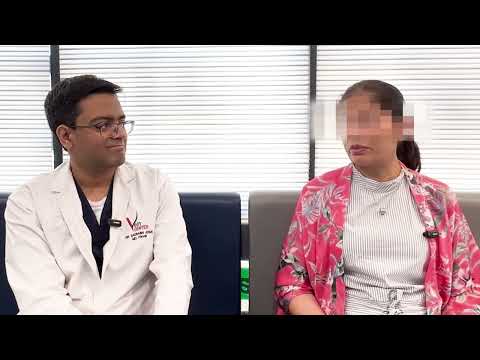









Share this listing