
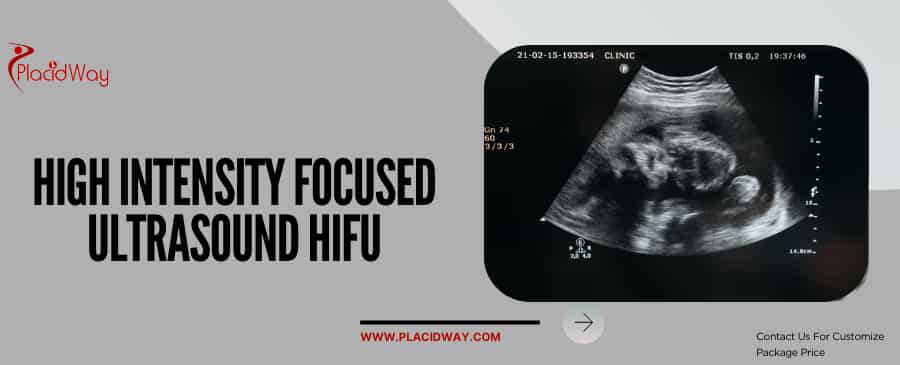
Discover Non-Invasive Healing: High-Intensity Focused Ultrasound (HIFU) Abroad
Facing a medical condition can be daunting, and the thought of traditional surgery often adds to the anxiety. If you're exploring less invasive alternatives for conditions like localized prostate cancer, uterine fibroids, essential tremor, or even seeking cosmetic skin tightening, High-Intensity Focused Ultrasound (HIFU) might be the answer you're looking for. This advanced, non-surgical technology uses precisely targeted sound waves to treat affected tissue without incisions, offering a pathway to healing with often quicker recovery times.
Many patients are actively searching for "non-invasive prostate cancer treatment," "uterine fibroid removal without surgery," or "HIFU facelift reviews" because they desire effective results without the extensive downtime and risks associated with conventional operations. HIFU delivers a powerful, focused beam of ultrasound energy to a specific area, generating heat that destroys targeted cells while leaving surrounding healthy tissue unharmed.
For those considering "HIFU treatment abroad," the appeal extends beyond the procedure's inherent benefits. Medical tourism for HIFU offers unique advantages, including potentially significant cost savings, access to cutting-edge technology not always available locally, and shorter wait times. This guide will delve deep into what HIFU entails, who it benefits, its recovery, and why a global perspective might be your best option for this innovative treatment.
What Conditions Can High-Intensity Focused Ultrasound (HIFU) Treat?
HIFU's versatility makes it a valuable tool across several medical specialties. Its primary applications include:
- Prostate Cancer: HIFU is a recognized treatment for localized prostate cancer, particularly for early-stage disease confined to the prostate. It precisely targets and ablates cancerous tissue while aiming to preserve surrounding nerves crucial for urinary and sexual function. Patients often search for "HIFU for prostate cancer effectiveness" or "non-surgical prostate cancer options."
- Uterine Fibroids: For women suffering from symptoms like heavy menstrual bleeding, pelvic pain, or pressure due to uterine fibroids, HIFU can be a uterus-preserving alternative to hysterectomy or myomectomy. The focused ultrasound waves heat and shrink the fibroids. Keywords like "HIFU fibroid treatment success" are common.
- Essential Tremor: A breakthrough application, MRI-guided HIFU, can non-invasively treat essential tremor (a neurological condition causing involuntary rhythmic shaking) by targeting specific areas in the brain.
- Cosmetic Applications: Known as "HIFU facelift" or "HIFU skin tightening," this procedure stimulates collagen production in the deeper layers of the skin, leading to a lifted and firmer appearance on the face, neck, and décolletage.
What Are the Common Symptoms That Suggest HIFU Might Be an Option?
Recognizing the symptoms linked to conditions treatable by HIFU is the first step toward seeking appropriate care:
- For Prostate Cancer: Early prostate cancer often presents no symptoms. However, as it progresses, men might experience:
- Frequent urination, especially at night.
- Difficulty starting or stopping urination.
- Weak or interrupted urine flow.
- Painful urination or ejaculation.
- Blood in urine or semen (less common).
- For Uterine Fibroids: These common growths can cause:
- Heavy and prolonged menstrual periods.
- Pelvic pressure or pain.
- Frequent urination.
- Difficulty emptying the bladder.
- Constipation or backache.
- Pain during intercourse.
- For Essential Tremor: The hallmark symptom is an involuntary, rhythmic shaking, most often affecting the hands, head, and voice, especially during purposeful movements.
- For Cosmetic Concerns: Visible signs of aging, such as:
- Mild to moderate skin laxity or sagging.
- Fine lines and wrinkles.
- Loss of jawline definition.
- Drooping brows.
If you experience any of these symptoms, it's crucial to consult a healthcare professional for an accurate diagnosis and discussion of treatment options.
What Causes the Conditions Often Treated by HIFU?
Understanding the underlying causes can help in prevention and management:
- Prostate Cancer: The exact cause isn't fully understood, but risk factors include:
- Age: Risk increases significantly after age 50.
- Genetics/Family History: Having a father or brother with prostate cancer doubles the risk.
- Ethnicity: More common in African American men.
- Diet: High-fat diets may play a role.
- Uterine Fibroids: These benign growths are influenced by:
- Hormones: Estrogen and progesterone appear to stimulate their growth.
- Genetics: A family history increases risk.
- Ethnicity: More prevalent in African American women.
- Other Factors: Obesity, red meat consumption, and lack of vitamin D.
- Essential Tremor: This neurological condition is often inherited (familial tremor) and linked to genetic mutations. In some cases, the cause is unknown (idiopathic).
- Cosmetic Aging: Skin sagging and wrinkles are primarily caused by:
- Collagen and Elastin Loss: As we age, the body produces less of these structural proteins.
- Sun Exposure: UV rays break down collagen.
- Gravity: Constant pull contributes to sagging.
- Lifestyle Factors: Smoking, poor diet, dehydration.
How Does HIFU Compare to Other Available Treatment Options?
When considering HIFU, it's helpful to understand how it stacks up against traditional or other minimally invasive treatments:
- For Prostate Cancer:
- HIFU vs. Radical Prostatectomy (Surgery): HIFU is non-invasive, avoids surgical risks (infection, significant blood loss), and often has a faster recovery. It aims to reduce the risk of incontinence and erectile dysfunction compared to surgery.
- HIFU vs. Radiation Therapy: HIFU typically involves a single session (or a few), whereas radiation is daily for weeks. HIFU offers more precise targeting, potentially reducing damage to surrounding healthy tissues and allowing for retreatment if needed.
- HIFU vs. Active Surveillance: HIFU is an active treatment for those who don't want to wait, providing a definitive therapeutic intervention without surgery.
- For Uterine Fibroids:
- HIFU vs. Hysterectomy: HIFU preserves the uterus, allowing for potential future pregnancies, and avoids major surgery.
- HIFU vs. Myomectomy: Myomectomy is surgical fibroid removal; HIFU is non-surgical, avoiding incisions and associated recovery.
- HIFU vs. Uterine Artery Embolization (UAE): Both are minimally invasive. HIFU uses external ultrasound, while UAE involves an internal catheter. HIFU avoids exposure to X-ray radiation.
- For Cosmetic Skin Tightening:
- HIFU vs. Traditional Facelift: HIFU is a non-surgical alternative, providing a noticeable lift without incisions, general anesthesia, or significant downtime, though results are less dramatic than surgery.
- HIFU vs. Radiofrequency (RF) Treatments: Both are non-invasive. HIFU penetrates deeper into the skin's foundational layer, often requiring fewer sessions for comparable results.
Am I a Good Candidate for HIFU Treatment?
Determining your suitability for HIFU requires a thorough evaluation by a specialist. General guidelines include:
- For Prostate Cancer:
- Localized prostate cancer (e.g., T1 or T2 stages).
- PSA levels and Gleason score within a treatable range for HIFU.
- Patient's general health allows for the procedure (even though it's less invasive, some sedation is used).
- Realistic expectations about outcomes and potential side effects.
- For Uterine Fibroids:
- Symptomatic fibroids that are not too numerous or excessively large.
- Fibroid location (e.g., accessible by ultrasound energy).
- Desire to preserve the uterus and fertility.
- Good general health and realistic expectations.
- For Essential Tremor:
- Diagnosis of essential tremor that is not adequately controlled by medication.
- Candidates must be able to lie still in an MRI scanner for an extended period.
- For Cosmetic Applications:
- Mild to moderate skin laxity (not severe sagging that would benefit more from surgery).
- Good skin quality with some elasticity.
- Realistic expectations about the degree of lift and tightening.
- Generally, individuals in their 30s to 60s see the best results.
A specialist will review your medical history, perform necessary diagnostics, and discuss if HIFU aligns with your specific condition and health goals.
What Can I Expect During Recovery After HIFU Treatment?
One of HIFU's significant advantages is its typically shorter and more comfortable recovery compared to invasive surgery. While specific details vary by the treated condition, here's a general overview:
- For Prostate Cancer:
- Most patients return home the same day or the next.
- A urinary catheter is usually required for a few days to a week to aid healing.
- Mild discomfort, bruising, or swelling in the treated area is common.
- You can usually resume light activities within a few days, with full recovery taking a few weeks.
- For Uterine Fibroids:
- Many patients go home the same day.
- Mild abdominal cramping, similar to menstrual cramps, and light vaginal spotting are common for a few days.
- Most individuals can return to normal daily activities within 1-3 days.
- For Essential Tremor:
- Patients are typically observed for 24 hours.
- Improvements in tremor are often immediate.
- Mild dizziness, headache, or numbness can occur temporarily.
- For Cosmetic Applications:
- There is virtually no downtime.
- Mild redness, slight swelling, or a tingling sensation in the treated area may occur for a few hours to a couple of days.
- You can typically resume all normal activities immediately.
Always follow your doctor's specific post-procedure instructions for optimal healing and results.
What Are the Potential Risks and Side Effects of HIFU?
Like any medical procedure, HIFU carries some potential risks and side effects, though they are generally fewer and less severe than with traditional surgery:
- For Prostate Cancer:
- Temporary Urinary Symptoms: Frequent urination, urgency, or mild burning.
- Erectile Dysfunction (ED): While lower than with surgery, ED can still occur. Often temporary.
- Urinary Incontinence: Usually temporary and mild, but can persist in rare cases.
- Rectal Fistula: A very rare but serious complication where a connection forms between the rectum and urethra.
- Nerve Damage: Though HIFU aims to be nerve-sparing, damage can occur.
- For Uterine Fibroids:
- Skin Burns: Very rare, but possible if the ultrasound energy affects the skin surface.
- Temporary Pain/Cramping: Mild to moderate abdominal discomfort.
- Incomplete Fibroid Ablation: Some fibroid tissue might remain, requiring further treatment.
- Damage to Adjacent Organs: Extremely rare due to precise targeting.
- For Essential Tremor:
- Temporary Dizziness/Headache: Usually resolves quickly.
- Temporary Numbness/Tingling: On one side of the body.
- Gait Disturbance: Difficulty walking, usually temporary.
- For Cosmetic Applications:
- Temporary Redness, Swelling, Bruising: Usually mild and resolves within hours to days.
- Tingling or Numbness: Can persist for a few days.
- Nerve Injury (Rare): Extremely rare, potentially causing temporary weakness or altered sensation.
Your doctor will discuss these risks in detail during your consultation, ensuring you make an informed decision.
How Much Does HIFU Treatment Cost Worldwide?
The cost of HIFU can be a major factor in treatment decisions, especially for elective or non-covered procedures. Prices fluctuate widely based on geographic location, the specific condition being treated, the clinic's reputation, and the technology used. Medical tourism destinations often present a more affordable alternative without compromising quality.
| Country | Estimated Cost Range (USD) | Notes |
|---|---|---|
| USA / Canada | $20,000 - $40,000+ | Often higher, especially for prostate/fibroids. Cosmetic HIFU: $1,500 - $4,000. Insurance coverage varies. |
| United Kingdom | $15,000 - $30,000+ | Similar to North America, less common on NHS. Cosmetic HIFU: $1,000 - $3,500. |
| Turkey | $8,000 - $18,000 | Known for high-quality, accredited clinics and significant savings. Includes prostate and fibroids. Cosmetic HIFU: $500 - $1,500. |
| Mexico | $7,000 - $16,000 | Popular for US patients seeking proximity and affordability. Includes prostate and fibroids. Cosmetic HIFU: $400 - $1,200. |
| Thailand | $6,000 - $15,000 | Excellent medical infrastructure, especially in Bangkok and Phuket. Combines treatment with recovery in a tourist-friendly environment. Cosmetic HIFU: $300 - $1,000. |
| India | $5,000 - $12,000 | Highly competitive prices with world-class facilities and skilled specialists. Cosmetic HIFU: $250 - $800. |
Disclaimer: These are estimated costs and can vary based on the specific clinic, doctor's fees, type of HIFU device used, included pre/post-operative care, and individual patient needs. Always get a personalized quote.
Why Consider Traveling Abroad for HIFU Treatment?
The decision to travel for medical care, often termed "medical tourism," is becoming increasingly popular, and for HIFU, the reasons are compelling:
- Significant Cost Savings: As seen in the table above, the cost of HIFU in many countries abroad can be a fraction of what you'd pay in Western nations. This can make life-changing treatment accessible to those who might otherwise be unable to afford it. Many search for "affordable HIFU overseas."
- Access to Advanced Technology & Expertise: Some countries and clinics specialize in HIFU, offering the latest generation of equipment and highly experienced specialists who perform the procedure routinely. This can be particularly appealing if specific HIFU technologies or highly experienced doctors are not readily available in your home country.
- Reduced Wait Times: In many healthcare systems, long waiting lists for specialized procedures like HIFU are common. Traveling abroad can provide immediate access to care, allowing patients to get treatment on their schedule.
- Privacy and Discretion: Some individuals prefer to undergo medical procedures away from their local community for privacy reasons.
- Combine Treatment with a Vacation: For elective procedures, the opportunity to recover in a beautiful, relaxing environment, or even combine treatment with a short vacation, adds an attractive dimension to medical travel. Think of it as a "wellness getaway."
What to Expect When Traveling for This Procedure?
Traveling for medical treatment might seem complex, but reputable medical tourism facilitators like PlacidWay streamline the entire process:
- Initial Consultation & Planning: You'll start with virtual consultations with international specialists to confirm HIFU suitability and receive a personalized treatment plan and quote.
- Logistical Support: PlacidWay assists with travel arrangements, including flights, accommodation near the clinic, and local transportation.
- Pre-Procedure: Upon arrival, you'll have in-person consultations, physical exams, and any necessary diagnostic tests before the HIFU procedure.
- The Procedure: HIFU is typically an outpatient procedure, lasting a few hours.
- Post-Procedure & Recovery: You'll have follow-up appointments and monitoring to ensure proper healing. Given HIFU's minimal invasiveness, many patients can enjoy some local sightseeing during their recovery period, ensuring they remain close to medical support.
- Language & Cultural Support: Many international clinics cater specifically to medical tourists, offering English-speaking staff and cultural sensitivity. Facilitators like PlacidWay can also arrange interpreters if needed.
How to Ensure Safety and Quality When Choosing an International HIFU Clinic?
Ensuring high standards of care is paramount when seeking medical treatment abroad. Here’s how to do your due diligence:
- Accreditation: Look for international accreditations such as Joint Commission International (JCI) or ISO certification. These signify that a facility meets stringent global standards for patient safety and quality of care. Many search for "JCI accredited HIFU clinics."
- Doctor Qualifications & Experience: Verify the credentials of the HIFU specialists. Are they board-certified? How much experience do they have specifically with HIFU? Do they have a good track record for the specific condition you need treated?
- Technology & Equipment: Ensure the clinic uses modern, FDA or CE approved HIFU technology. Outdated equipment can impact efficacy and safety.
- Patient Reviews and Testimonials: Seek out genuine patient experiences and testimonials. Websites like PlacidWay often feature detailed patient stories and reviews that offer valuable insights.
- Medical Tourism Facilitators: Reputable facilitators like PlacidWay play a crucial role. They vet clinics, verify doctor credentials, and coordinate all aspects of your journey, acting as a trusted intermediary. They can provide transparency and peace of mind.
- Pre-travel Communication: Engage in thorough communication with the clinic and your facilitator. Ask all your questions, ensure you understand the treatment plan, risks, and expected outcomes before committing.
What Are Patient Success Stories from Abroad for HIFU?
Many individuals have found success and satisfaction by choosing HIFU abroad. Here are generalized examples of patient experiences (illustrative, not specific individuals):
- John from the UK (Prostate Cancer): "I was told I'd have a long wait for surgery in the UK, and the cost of private options was astronomical. PlacidWay helped me find a clinic in Turkey. The HIFU procedure was swift, the staff were incredibly attentive, and I was back on my feet much faster than I expected. The savings were remarkable, and I felt like I received truly personalized care."
- Maria from Canada (Uterine Fibroids): "My fibroids were causing debilitating pain, but I didn't want a hysterectomy. After researching 'HIFU fibroid treatment abroad,' I connected with a clinic in Mexico through PlacidWay. The whole experience, from the initial virtual consultation to my recovery by the beach, was fantastic. My symptoms have significantly improved, and I'm so grateful I found this option."
- Sarah from the USA (Cosmetic HIFU): "I wanted to firm up my jawline without going under the knife. The HIFU prices in the US were very high. A friend recommended looking into Thailand. PlacidWay arranged everything for my 'HIFU facelift' in Bangkok. The results are subtle but noticeable, and I felt pampered throughout my stay. It was a wonderful way to combine a holiday with a confidence boost."
These stories underscore the potential for positive outcomes, not just from the medical procedure itself, but from the holistic experience of medical tourism, offering both healing and a unique travel journey.
Take the Next Step with PlacidWay
Ready to explore treatment options abroad? Discover top clinics, compare prices, and get a free quote tailored to your needs with PlacidWay.
Cancer Treatment Abroad, Breast Cancer, Lung Cancer




.png)
.png)
.png)




.png)
.png)

.png)











Share this listing