
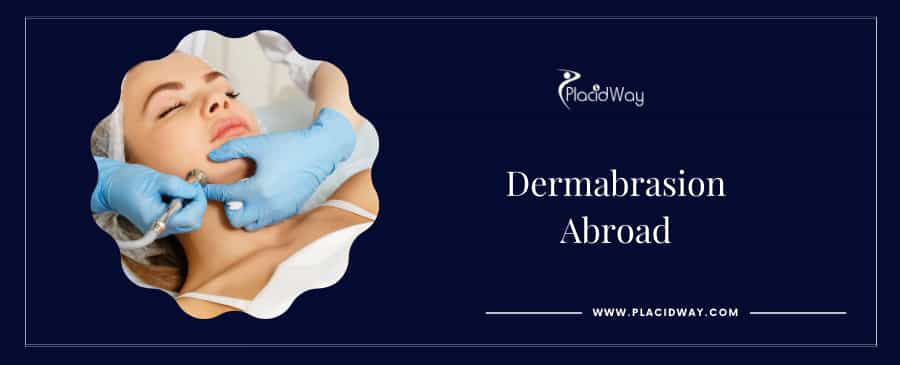
Unlock Smoother Skin: Your Guide to Dermabrasion Abroad
Are you looking in the mirror and wishing away those persistent acne scars, fine lines, or sun damage that make your skin look tired and uneven? You’re not alone. Many individuals seek effective solutions for common skin concerns, and dermabrasion stands out as a powerful, time-tested procedure for achieving dramatically smoother, more youthful skin.
Dermabrasion is an advanced skin resurfacing technique that meticulously removes the outermost layers of damaged skin, allowing new, healthier skin cells to emerge. This process not only smooths the skin's surface but also stimulates collagen production, leading to firmer, more radiant skin. Whether you’re dealing with the lingering effects of acne, deep wrinkles, age spots, or textural irregularities, dermabrasion offers a significant improvement that many topical treatments cannot match.
For those exploring options beyond their local clinics, dermabrasion abroad through medical tourism presents an exciting opportunity. Imagine combining a rejuvenating skin treatment with a memorable travel experience, often at a fraction of the cost you might pay at home. Countries around the globe offer world-class dermatological clinics and highly skilled surgeons specializing in advanced skin treatments, including dermabrasion.
This comprehensive guide will walk you through everything you need to know about the dermabrasion procedure, from understanding what conditions it treats and who is an ideal candidate, to navigating recovery and comparing costs worldwide. We’ll also delve into the specific advantages of choosing dermabrasion abroad, helping you make an informed decision about your journey towards clearer, more confident skin.
What Skin Conditions Can Dermabrasion Treat?
Dermabrasion is a versatile procedure capable of addressing a multitude of skin concerns. Patients often search for "dermabrasion for acne scars," "dermabrasion for wrinkles," or "dermabrasion for sun damage," indicating the primary conditions it targets. Here’s a detailed look at what dermabrasion can effectively treat:
- Acne Scars: One of the most common reasons people undergo dermabrasion is to reduce the appearance of deep or pitted acne scars. By smoothing the skin's surface, it can significantly diminish the visibility of icepick, boxcar, and rolling scars.
- Fine Lines and Wrinkles: While not a solution for deep creases, dermabrasion is highly effective in softening fine lines around the mouth (perioral wrinkles), eyes (crow's feet), and forehead, giving the skin a more youthful appearance.
- Sun Damage and Age Spots: Prolonged sun exposure can lead to rough skin texture, discoloration, and brown spots (actinic keratoses, lentigines). Dermabrasion can remove these damaged layers, revealing fresher, evenly toned skin.
- Uneven Skin Texture: If your skin feels rough or bumpy, dermabrasion can create a smoother, more refined surface.
- Surgical or Traumatic Scars: Newer, raised scars from surgery or injury can sometimes be improved with dermabrasion, though results vary depending on scar depth and age.
- Rhinophyma: This condition, characterized by a bulbous, red nose due to excess sebaceous glands, can be dramatically improved with dermabrasion to reshape the nose and reduce tissue overgrowth.
- Certain Pre-cancerous Growths: In some cases, superficial pre-cancerous lesions (actinic keratoses) can be removed, reducing the risk of them developing into skin cancer.
What Causes Uneven Skin Texture and Scarring?
Understanding the root causes of skin imperfections helps in choosing the right treatment. Patients often search for "why is my skin texture uneven" or "what causes deep acne scars." The factors contributing to these issues are diverse:
- Acne: Severe inflammatory acne (cysts, nodules) can damage collagen and elastin fibers in the dermis, leading to various types of scars (atrophic/pitted or hypertrophic/raised) as the skin heals.
- Sun Exposure: Chronic exposure to UV radiation accelerates collagen breakdown, impairs cell regeneration, and can lead to rough texture, fine lines, wrinkles, and hyperpigmentation (sun spots, age spots). This is often referred to as photoaging.
- Aging: As we age, our body produces less collagen and elastin, the proteins responsible for skin's firmness and elasticity. This natural decline, combined with cumulative environmental damage, results in thinner, less resilient skin, making fine lines and wrinkles more prominent.
- Injuries and Surgeries: Any trauma to the skin, whether from an accident, cut, or surgical incision, can result in scarring if the wound healing process is compromised or if there's significant tissue damage.
- Genetics: Individual genetic makeup plays a role in how our skin heals and ages. Some people are naturally more prone to developing certain types of scars or experiencing premature aging.
- Lifestyle Factors: Smoking, poor nutrition, dehydration, and lack of proper skincare can all contribute to dull, uneven, and prematurely aged skin.
What are the Different Types of Skin Resurfacing Procedures Available?
When patients search for "microdermabrasion vs dermabrasion" or "dermabrasion alternatives," it indicates a need to understand the landscape of skin resurfacing. While dermabrasion is a powerful method, it's one of several options:
- Dermabrasion: This is a surgical procedure that uses a rapidly rotating wire brush or diamond wheel to sand down the top layers of skin. It is a more aggressive treatment, capable of significant improvement for deep scars and wrinkles. Recovery is more substantial.
- Microdermabrasion: A much milder, non-invasive procedure that uses fine crystals or a diamond-tipped wand to gently exfoliate the outermost layer of skin. It's excellent for minor textural issues, dullness, and mild sun damage, but offers less dramatic results than dermabrasion. There's little to no downtime.
- Chemical Peels: These involve applying an acidic solution to the skin to remove damaged outer layers. Peels range from superficial (for mild concerns like dullness) to deep (for significant wrinkles and scars). Recovery varies depending on the peel's depth.
- Laser Resurfacing: Uses concentrated beams of light to remove skin layer by layer. Ablative lasers (e.g., CO2, Erbium YAG) are similar in intensity to dermabrasion, offering dramatic results for wrinkles and scars. Non-ablative lasers are less invasive and stimulate collagen production with minimal downtime, for subtler improvements.
- Microneedling: Involves using tiny needles to create controlled micro-injuries in the skin, stimulating collagen and elastin production. It's effective for scars, fine lines, and texture, often with less downtime than dermabrasion.
The choice between these procedures depends on the severity of your skin concerns, your desired results, and your tolerance for downtime.
Am I an Ideal Candidate for Dermabrasion?
Knowing "who is a good candidate for dermabrasion" is crucial for patient safety and satisfaction. While dermabrasion offers significant benefits, it's not suitable for everyone. Your dermatologist or plastic surgeon will assess your skin type, medical history, and aesthetic goals. Key factors include:
- Skin Type: Ideal candidates typically have fair to medium skin tones. People with darker skin (e.g., African American, Asian, Hispanic) have a higher risk of developing temporary or permanent post-inflammatory hyperpigmentation (darkening) or hypopigmentation (lightening) after the procedure.
- Skin Concerns: You are a good candidate if you have significant acne scars, fine lines, sun damage, uneven texture, or other surface irregularities that you wish to improve.
- General Health: You should be in good overall health, free from active infections, severe skin conditions (like psoriasis or eczema), or immune system disorders that could impair healing.
- No Active Acne: Dermabrasion should not be performed on skin with active acne breakouts, as it can spread bacteria and lead to infection.
- Realistic Expectations: Understanding that dermabrasion significantly improves but may not completely erase all imperfections is vital. The goal is improvement, not perfection.
- Medication History: Patients who have taken isotretinoin (Accutane) within the past 6-12 months are generally not candidates due to increased risks of scarring. Inform your doctor about all medications you are taking, including supplements.
- No Pregnancy or Breastfeeding: The procedure is not recommended for pregnant or breastfeeding individuals.
- No History of Keloids: Individuals prone to keloid scarring may be advised against dermabrasion.
What Can I Expect During the Dermabrasion Recovery Process?
Patients often search for "dermabrasion recovery time" or "what to expect after dermabrasion" to prepare for the healing journey. Recovery is a significant part of the process, requiring patience and diligent care:
- Immediate Post-Procedure: Your treated skin will be very red and swollen, and you may experience a burning or tingling sensation. A dressing will likely be applied immediately after the procedure.
- First Few Days: The treated area will begin to ooze and form a crust or scab. It's crucial not to pick at these scabs, as it can lead to scarring. Pain medication may be prescribed to manage discomfort. Swelling will gradually decrease.
- 1 to 2 Weeks: The initial crust will typically fall off within this period, revealing new, pink, and very tender skin. This is the most critical healing phase. You'll need to meticulously clean the area and apply specific ointments as directed by your surgeon to prevent infection and promote healing.
- Weeks 3-4 and Beyond: The new skin will remain pink or reddish for several weeks to months, gradually fading over time. Makeup can usually be applied after the initial healing, but only with specific guidance from your doctor.
- Sun Protection is Paramount: New skin is extremely sensitive to the sun. You must use high-SPF sunscreen (SPF 30 or higher) religiously, wear wide-brimmed hats, and avoid direct sun exposure for several months to a year to prevent hyperpigmentation.
- Activity Restrictions: You will need to avoid strenuous activities and anything that could cause injury to the healing skin for several weeks.
Full results will become evident as the redness fades and the skin fully matures, which can take several months. The analogy of "peeling an onion" can be helpful: you're removing the outer, damaged layers to reveal fresher layers underneath, and just like peeling an onion, it requires time and careful handling.
What are the Potential Risks and Side Effects of Dermabrasion?
While generally safe when performed by an experienced professional, it’s important to be aware of the potential "dermabrasion side effects" and risks. Common concerns include:
- Prolonged Redness (Erythema): This is the most common side effect and can last for weeks or even months after the procedure. It gradually fades over time.
- Pigment Changes:
- Hyperpigmentation: Darkening of the skin, especially common in individuals with darker skin tones or those who expose their healing skin to the sun.
- Hypopigmentation: Lightening of the skin, which can be permanent and more noticeable in contrast to untreated areas.
- Swelling (Edema): Common immediately after the procedure and can last for several days to a week.
- Infection: Bacterial, fungal, or viral infections (like cold sores) are possible, especially if proper post-operative care isn't followed. Patients with a history of cold sores often receive antiviral medication beforehand.
- Scarring: Although dermabrasion is used to treat scars, there is a small risk of developing new or worse scars if the procedure is too aggressive or healing is compromised.
- Milia: Tiny white bumps (cysts) can develop on the treated skin. These are usually temporary and can be removed by a professional.
- Sensitivity: New skin will be highly sensitive to products and sun exposure.
- Asymmetry: In rare cases, the results may appear uneven if not performed by a highly skilled surgeon.
Choosing a board-certified and experienced surgeon is paramount to minimizing these risks.
How Much Does Dermabrasion Cost Worldwide?
The "dermabrasion cost" is a major consideration for many patients, and this is where medical tourism often shines. Prices can fluctuate widely based on geographic location, the surgeon's experience, the extent of the area being treated, and the clinic's facilities. Here’s a general cost comparison:
| Country | Estimated Cost Range (USD) | Notes |
|---|---|---|
| USA | $1,500 - $4,000+ | High costs reflect overhead, surgeon fees, and anesthesia. Often not covered by insurance. |
| Canada | $1,200 - $3,500+ | Similar to US prices, with slight regional variations. |
| UK | £1,000 - £3,000 (~$1,200 - $3,800) | Private clinic costs can be substantial. |
| Mexico | $500 - $2,000 | Popular for affordability and proximity to the US, with high-quality clinics. |
| Turkey | $700 - $2,500 | Known for advanced medical facilities and competitive pricing, especially in Istanbul. |
| Thailand | $600 - $2,200 | Excellent healthcare infrastructure and combines treatment with tourism. |
| India | $500 - $1,800 | Very affordable, with many internationally accredited hospitals. |
| Costa Rica | $800 - $2,500 | Growing medical tourism hub, especially for US patients seeking good value. |
These figures are estimates and can vary. It’s important to get a personalized quote that includes all associated costs, such as surgeon fees, anesthesia, facility fees, and post-operative care.
Why Consider Dermabrasion Abroad for Your Skin Rejuvenation?
The trend of "medical tourism for skin treatments" is booming, and for good reason. Choosing to undergo dermabrasion in another country can provide numerous compelling benefits:
- Significant Cost Savings: As seen in the cost comparison, the price of dermabrasion can be substantially lower in many international destinations without compromising quality. This can make the procedure accessible to more people.
- Access to Advanced Techniques and Specialists: Many medical tourism hubs boast state-of-the-art facilities and highly skilled dermatologists and plastic surgeons who are experts in the latest skin resurfacing techniques.
- Reduced Wait Times: In some countries, wait times for cosmetic procedures can be long. Traveling abroad often allows for quicker scheduling and treatment.
- Privacy and Anonymity: For some, undergoing a cosmetic procedure away from their home environment offers a greater sense of privacy during the recovery period.
- Combine Treatment with a Vacation: The allure of medical tourism is the ability to recover in a beautiful, relaxing environment, turning a medical journey into a unique travel experience.
- Comprehensive Packages: Many international clinics offer all-inclusive packages that cover the procedure, accommodation, airport transfers, and sometimes even a recovery nurse, simplifying the process.
Which Countries Offer the Best Value for Dermabrasion?
When searching for "best country for dermabrasion" or "affordable skin resurfacing abroad," several destinations consistently come up due to their balance of quality, cost, and patient experience:
- Mexico: Especially popular with North American patients due to its proximity. Cities like Tijuana, Cancun, and Guadalajara have numerous accredited clinics with English-speaking staff and experienced surgeons.
- Turkey: Istanbul and Antalya have become major medical tourism centers, offering world-class hospitals and clinics at highly competitive prices. They are well-regarded for various cosmetic procedures.
- Thailand: Known for its exceptional hospitality and advanced medical infrastructure, particularly in Bangkok and Phuket. Patients can enjoy a relaxing recovery in a beautiful setting.
- India: Offers some of the most competitive prices globally, with many hospitals accredited by international bodies like JCI (Joint Commission International), ensuring high standards of care.
- Costa Rica: A growing destination for medical tourists, providing high-quality care amidst stunning natural beauty, especially appealing to those looking for a serene recovery environment.
- Eastern European Countries (e.g., Poland, Hungary): Offer affordable options for European patients, with modern facilities and well-trained medical professionals.
When selecting a country, consider not just the cost, but also the reputation of its healthcare system, ease of travel, visa requirements, and cultural factors.
What Should I Expect When Traveling Abroad for Dermabrasion?
The logistics of "traveling for dermabrasion" can seem daunting, but with proper planning, it can be a smooth and rewarding experience. Here's what to expect and how to prepare:
- Thorough Research: Start by researching potential clinics and surgeons. Use platforms like PlacidWay to find accredited facilities and read patient reviews.
- Initial Consultation: Most clinics offer virtual consultations to discuss your medical history, assess your skin, and determine if you are a good candidate. This is your chance to ask all your questions.
- Travel Arrangements: Book flights and accommodation well in advance. Consider staying close to the clinic for easy access during follow-up appointments. Plan for a longer stay than just the procedure day – typically 1-2 weeks for initial recovery, and potentially more depending on your comfort level.
- Visa and Passports: Check the visa requirements for your chosen destination. Ensure your passport is valid for at least six months beyond your planned return date.
- Financial Planning: Understand all costs involved (procedure, flights, accommodation, food, local transport, potential complications) and have funds readily accessible.
- Communication: Confirm that the medical staff speaks English or that translation services are available. Clear communication is vital for your care.
- Post-Operative Care Plan: Discuss the aftercare instructions thoroughly with your surgeon before you travel. Understand what medications you'll need, how to clean your skin, and when follow-up appointments are scheduled.
- Travel Insurance: Consider purchasing travel insurance that covers medical emergencies, including those related to your procedure, if possible. Standard travel insurance may not cover elective cosmetic surgery.
- Recovery Environment: Choose accommodation that is comfortable, quiet, and conducive to healing. You won't be in a condition for sightseeing immediately after dermabrasion.
How Can I Ensure Safety and Quality for Dermabrasion Abroad?
Safety should be your top priority when considering "safe dermabrasion abroad." Here’s how to conduct your due diligence:
- Accreditation Matters: Look for clinics accredited by international organizations like JCI (Joint Commission International) or local equivalent regulatory bodies. This indicates adherence to high standards of patient care and safety.
- Surgeon Credentials: Verify the surgeon's qualifications, experience, and board certifications. Ask about their specific experience with dermabrasion procedures, how many they've performed, and request before-and-after photos.
- Facility Standards: Enquire about the clinic's operating room standards, equipment, and sterilization protocols. A reputable clinic will be transparent about these details.
- Patient Reviews and Testimonials: Read reviews from previous patients on independent platforms. Look for consistent positive feedback regarding results, safety, and overall experience.
- Clear Communication: Ensure you have a clear line of communication with the medical team before, during, and after your procedure. Any language barrier could pose a risk.
- Comprehensive Consultation: Have a thorough virtual or in-person consultation where all your questions are answered, and risks and benefits are clearly explained.
- Detailed Treatment Plan and Contract: Obtain a written treatment plan outlining the procedure, expected outcomes, costs, and a clear contract that covers all aspects of your care, including contingency plans for complications.
- Follow-up Care: Discuss arrangements for post-operative care, both while you are abroad and once you return home.
- Trust Your Gut: If something feels off or too good to be true, it probably is. Prioritize safety and quality over simply the lowest price.
What Are Patient Success Stories from Dermabrasion Abroad?
Countless individuals have transformed their skin and boosted their confidence through dermabrasion performed in leading medical tourism destinations. While individual results vary, the overarching theme among "dermabrasion abroad success stories" is often one of renewed self-image and satisfaction.
- Sarah from the UK had struggled with deep acne scars since her teens. After researching options in Turkey, she found an accredited clinic that offered the procedure at half the cost of her local options. "My skin feels incredibly smooth now," she shared. "The redness took time, but it was worth it. And getting to see Istanbul was an amazing bonus!"
- Michael from Canada chose Mexico for dermabrasion to address sun damage and fine lines. He was impressed by the personalized care and the modern facility. "I was a bit nervous about going abroad, but the clinic was fantastic. My skin looks so much healthier and younger, and I saved thousands. I even had a few days to relax by the beach during my recovery."
- Elena from Australia traveled to Thailand to treat uneven skin texture and hyperpigmentation. She highlighted the professionalism of her surgeon and the peaceful recovery environment. "The results exceeded my expectations," she said. "My skin feels soft, and the dark spots are gone. The nursing staff were so attentive, making the recovery process very comfortable."
These stories illustrate the dual benefit of medical tourism: effective treatment combined with a fulfilling travel experience. Patients often return not only with improved skin but also with positive memories of their journey and the satisfaction of having made a smart, empowering choice for their health and aesthetics.
Take the Next Step with PlacidWay
Ready to explore treatment options abroad? Discover top clinics, compare prices, and get a free quote tailored to your needs with PlacidWay.
Skin Care, Skin Rejuvenation

















Share this listing