
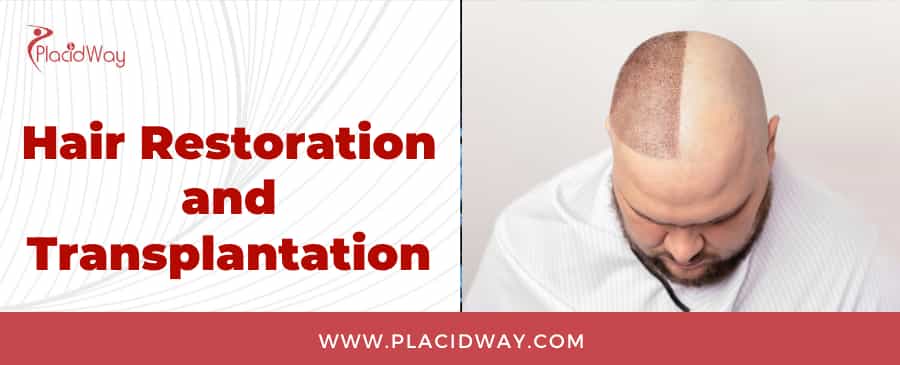
Rediscover Your Confidence: A Guide to Hair Restoration & Transplantation
Experiencing hair loss can be more than just a physical change; it can significantly impact your self-esteem and confidence. Whether it's a receding hairline, thinning crown, or bald patches, the journey of hair loss can feel isolating. But imagine a future where you can look in the mirror and see a fuller, more youthful head of hair.
That future is possible with hair restoration and transplantation. These advanced medical procedures offer a permanent solution to hair loss, helping countless individuals regain their natural hair density and, with it, their self-assurance. No longer do you have to silently battle the symptoms of hair loss or wonder about its causes; modern medicine provides effective pathways to revitalized hair.
In recent years, the global landscape of medical tourism has made these life-changing treatments more accessible and affordable than ever. Patients are discovering exceptional care and state-of-the-art facilities in countries renowned for their expertise in hair transplantation. This comprehensive guide will walk you through everything you need to know about hair restoration, from understanding your condition and available treatments to exploring why embarking on a medical journey abroad might be your best option for achieving the hair—and confidence—you desire.
What are the Common Symptoms of Hair Loss?
Recognizing the signs of hair loss is the first step toward finding a solution. While some shedding is normal, excessive or persistent loss can indicate an underlying issue. Common symptoms vary between individuals and sexes, but here are the key indicators:
- Gradual Thinning on Top of Head: This is the most common type of hair loss, affecting both men and women. In men, it often manifests as a receding hairline or bald spot at the crown. In women, it's typically a widening part or overall diffuse thinning across the scalp, often described as 'hair thinning on top'.
- Patchy or Circular Bald Spots: Some people experience smooth, coin-sized bald spots. This type of hair loss often affects the scalp but can occur in eyebrows or beards.
- Sudden Loosening of Hair: A physical or emotional shock can cause hair to loosen suddenly. Handfuls of hair might come out when washing, brushing, or even after a gentle tug, leading to overall thinning rather than bald patches.
- Full-Body Hair Loss: Certain medical conditions and treatments, such as chemotherapy, can result in the loss of hair all over the body.
- Scaling Patches Across the Scalp: This can be a sign of ringworm, which may be accompanied by broken hair, redness, swelling, and oozing.
If you notice any of these symptoms, especially if they are sudden or severe, consulting with a healthcare professional or hair restoration specialist is advisable.
What Causes Hair Loss and What are the Risk Factors?
Understanding the root causes of hair loss can help in determining the most effective treatment. Hair loss is a complex issue with various contributing factors:
- Genetics (Heredity): The most common cause is a hereditary condition called androgenetic alopecia, known as male-pattern baldness and female-pattern baldness. This condition usually occurs gradually with aging and involves a predictable pattern of receding hairlines and bald spots in men, and thinning hair along the crown of the scalp in women.
- Hormonal Changes and Medical Conditions:
- Hormonal Shifts: Pregnancy, childbirth, menopause, and thyroid problems can lead to temporary or permanent hair loss.
- Alopecia Areata: An immune system disorder that attacks hair follicles, causing sudden, patchy hair loss.
- Scalp Infections: Conditions like ringworm can cause scaly patches and hair loss.
- Other Conditions: Diabetes, lupus, and specific nutritional deficiencies (iron, zinc, biotin) can also contribute.
- Medications and Supplements: Hair loss can be a side effect of certain drugs used for cancer, arthritis, depression, heart problems, gout, and high blood pressure.
- Stress (Physical or Emotional Shock): Many people experience a general thinning of hair several months after a physical or emotional shock, such as a severe illness, surgery, or significant emotional trauma. This type of hair loss is usually temporary.
- Radiation Therapy to the Head: Hair may not grow back the same as it was before.
- Certain Hairstyles and Treatments: Tight hairstyles like pigtails or cornrows, and harsh chemical hair treatments like perms and hot-oil treatments, can cause traction alopecia, leading to permanent hair loss.
Risk factors include a family history of baldness, age, significant weight loss, certain medical conditions, and high levels of stress.
What Types of Hair Restoration and Transplantation Procedures Are Available?
Hair restoration has evolved significantly, offering various effective options. The primary surgical methods are highly popular, complemented by non-surgical alternatives:
Surgical Hair Transplantation Techniques:
- Follicular Unit Extraction (FUE): This is the most common and minimally invasive transplant method. Individual follicular units (groups of 1-4 hairs) are extracted directly from the donor area (typically the back or sides of the head) using a micro-punch tool. These units are then carefully transplanted into tiny incisions in the recipient area.
- Pros: No linear scar, faster healing in the donor area, less post-operative pain, can be suitable for smaller transplants.
- Cons: More time-consuming for large areas, requires shaving the donor area, potentially higher cost per graft.
- Follicular Unit Transplantation (FUT / Strip Method): In FUT, a strip of skin containing hair follicles is surgically removed from the donor area. The strip is then meticulously dissected into individual follicular units under a microscope. These units are then transplanted into the balding areas.
- Pros: Can transplant a larger number of grafts in one session, generally more cost-effective for extensive baldness, donor area doesn't need to be fully shaved.
- Cons: Leaves a linear scar in the donor area, longer recovery time for the donor site, potentially more discomfort.
Non-Surgical Hair Restoration Options:
- Platelet-Rich Plasma (PRP) Therapy: PRP involves drawing a small amount of the patient's blood, processing it to concentrate platelets, and then injecting the platelet-rich plasma into the scalp. Growth factors in PRP stimulate hair follicles, promoting hair growth and thickness.
- Low-Level Laser Therapy (LLLT): Devices emitting low-level lasers can stimulate cellular activity in hair follicles, potentially increasing blood flow and promoting hair growth.
- Medications:
- Minoxidil (Rogaine): An over-the-counter topical treatment that can slow hair loss and promote regrowth in some individuals.
- Finasteride (Propecia): A prescription oral medication for men that blocks the production of a hormone linked to male pattern baldness.
The choice between these methods depends on your type of hair loss, desired results, donor hair availability, and budget. A specialist will help determine the best approach for you.
Am I a Good Candidate for Hair Transplantation?
Not everyone experiencing hair loss is an ideal candidate for hair transplantation. Several factors determine eligibility:
- Stable Hair Loss: The most crucial factor is that your hair loss should be stable, meaning it has largely slowed down or stopped progressing. Hair transplants are most effective when placed into areas that won't continue to recede significantly.
- Sufficient Donor Hair: You need a healthy and dense donor area (typically at the back or sides of your head) from which follicles can be harvested without causing visible thinning in that area.
- Good Scalp Health: Your scalp should be free from active infections, severe inflammation, or conditions that could impair healing or graft survival.
- Realistic Expectations: While hair transplants offer significant improvement, it's vital to have realistic expectations about the density and coverage that can be achieved. It won't bring back a full head of hair if you have extensive baldness and limited donor supply.
- Overall Health: Good general health is important for safe surgery and optimal healing. Certain medical conditions or medications might affect your suitability.
- Age: While there isn't a strict age limit, younger patients with progressive hair loss might be advised to wait or use non-surgical treatments first, as their pattern of baldness may not be fully established.
The best way to determine your candidacy is through a thorough consultation with a qualified hair transplant surgeon. They will assess your hair loss pattern, donor supply, scalp condition, and discuss your goals.
What is the Recovery Time and What Can I Expect After a Hair Transplant?
Understanding the hair transplant recovery timeline and what to expect post-procedure can ease any anxieties. The process is gradual, but the results are worth the wait:
- Immediately After (Day 1-3): You will likely experience some redness, swelling, and mild discomfort in both the donor and recipient areas. Small scabs will form around the newly transplanted grafts. You'll receive detailed instructions on how to care for your scalp, including gentle washing techniques.
- First Week (Day 4-7): Swelling typically subsides, and the redness starts to diminish. The scabs will begin to dry and flake off naturally. It's crucial not to pick at them. You can usually return to light daily activities, but strenuous exercise should be avoided.
- Weeks 2-4: Most of the scabs will have fallen off. This is when 'shock loss' often occurs – the transplanted hairs fall out. This is a normal part of the process and indicates that the follicles are entering a resting phase before new growth. Don't be alarmed; it's temporary.
- Months 2-3: The donor area should be largely healed, and any redness faded. You might start to see very fine, sparse new hairs beginning to emerge.
- Months 4-6: This is an exciting phase as new hair growth becomes more noticeable. The hairs may initially be thin and fine but will gradually thicken. You'll observe a significant change in density.
- Months 6-12: Hair growth continues, and the transplanted hairs become thicker, longer, and more natural-looking. By the end of this period, you'll have a good idea of your final results.
- Months 12-18: Full and final results are typically visible. The transplanted hair will have matured and blended seamlessly with your existing hair. The new hair will be permanent and can be cut, styled, and treated like your natural hair.
Following your surgeon's aftercare instructions diligently is paramount for optimal results.
What Are the Risks and Side Effects of Hair Transplant Procedures?
Like any medical procedure, hair transplantation carries potential risks and side effects, though serious complications are rare, especially when performed by experienced surgeons in accredited facilities:
- Swelling and Bruising: Common around the forehead and eyes, typically subsiding within a few days to a week.
- Pain and Discomfort: Mild to moderate pain in the donor and recipient areas, usually manageable with prescribed pain medication.
- Infection: A rare but possible risk, minimized by strict hygiene protocols and post-operative antibiotic use.
- Numbness or Tingling: Temporary numbness in the donor or recipient areas is common due to nerve disruption during the procedure. It usually resolves within weeks to months.
- Itching: A common sensation during the healing process, which can be managed with gentle washing and recommended products.
- Folliculitis: Inflammation or infection of the hair follicles, appearing as small pimples, which can be treated with warm compresses or antibiotics.
- Shock Loss: Temporary shedding of existing hair around the transplanted area, typically resolves as new hair grows in.
- Scarring:
- FUT: Leaves a linear scar in the donor area, which can be concealed by longer hair.
- FUE: Leaves tiny, punctate scars that are usually invisible unless the hair is shaved very short.
- Unnatural Growth Direction or Appearance: This is often a concern with inexperienced surgeons. A skilled surgeon ensures grafts are placed in a natural direction and density to avoid a "pluggy" or artificial look.
- Poor Growth or Graft Survival: While rare, some grafts may not take. This can be due to poor post-operative care, underlying health issues, or issues during the procedure.
Choosing a highly qualified and experienced surgeon and adhering to all pre- and post-operative instructions significantly reduces these risks.
Worldwide Hair Transplant Cost Comparison Table (2024)
One of the primary motivations for considering hair restoration abroad is the significant cost savings. The price of a hair transplant can vary dramatically based on location, the number of grafts needed, the technique used (FUE vs. FUT), and the clinic's reputation. Below is a general comparison of average hair transplant costs for approximately 2000-3000 FUE grafts in various countries in 2024:
| Country | Estimated Cost Range (USD) for 2000-3000 Grafts (FUE) | Typical Inclusions / Notes |
|---|---|---|
| United States | $10,000 - $25,000+ | High overheads, premium pricing. Rarely includes travel/accommodation. |
| United Kingdom | $8,000 - $18,000+ | Similar to Western Europe, high living costs. |
| Canada | $9,000 - $20,000+ | Comparable to US costs, may vary by province. |
| Turkey | $2,000 - $6,000 | Very competitive, often includes accommodation, transfers, aftercare. Leading medical tourism hub. |
| Mexico | $3,000 - $7,000 | Good value, popular for North American patients. Some packages include travel. |
| India | $1,500 - $4,500 | Extremely affordable with skilled surgeons. Packages often include basic tourism aspects. |
| Thailand | $3,500 - $8,000 | Known for high-quality medical care and tourism infrastructure. |
| South Korea | $5,000 - $10,000 | Emerging destination with high-tech clinics and aesthetic expertise. |
*Note: These are average estimates and can vary based on clinic reputation, surgeon's experience, specific services included, and currency exchange rates. Always request a personalized quote.
Why Consider Hair Restoration and Transplantation Abroad?
The decision to seek medical treatment abroad, especially for something as personal as hair restoration, is often driven by compelling advantages:
- Significant Cost Savings: As seen in the cost comparison, the price difference can be thousands of dollars, making treatment accessible to those who might otherwise be unable to afford it in their home country. These savings often extend to packages that include travel and accommodation, making the overall trip highly economical.
- Access to Expert Surgeons and Advanced Techniques: Many countries specialize in medical tourism, cultivating a pool of highly skilled surgeons who perform hair transplants frequently. They often use the latest FUE and DHI techniques, boasting extensive experience that translates into exceptional results.
- State-of-the-Art Facilities: Medical tourism hubs invest heavily in modern clinics equipped with cutting-edge technology, offering a sterile, safe, and comfortable environment for procedures.
- Reduced Waiting Times: In some countries, long waiting lists for cosmetic procedures can be a deterrent. Traveling abroad often means you can schedule your procedure much sooner, fitting into your personal timeline.
- All-Inclusive Packages: Many clinics abroad offer comprehensive packages that cover not just the surgery, but also airport transfers, accommodation, and sometimes even a city tour, simplifying the entire experience for international patients.
- Privacy and Discretion: For some, undergoing a cosmetic procedure away from their home country offers a sense of privacy and anonymity during the initial recovery phase.
- Combine Treatment with a Vacation: The opportunity to explore a new culture and enjoy a mini-vacation before or after your procedure adds an appealing dimension to the medical journey.
Which Countries Offer the Best Value and Quality for Hair Transplants?
Several countries have emerged as global leaders in hair restoration, known for their blend of affordability, quality, and patient-focused services:
- Turkey (Istanbul): Widely regarded as the capital of hair transplantation, Istanbul, Turkey, attracts hundreds of thousands of patients annually. Clinics here are incredibly competitive, offering all-inclusive packages at a fraction of Western prices. Turkish surgeons are highly experienced, performing a vast volume of FUE and DHI procedures.
- Mexico: Particularly popular among North American patients, Mexico offers excellent value for money. Cities like Tijuana and Cancun boast modern clinics with US-trained or certified surgeons, providing high-quality care at accessible prices.
- India: Known for its skilled medical professionals and advanced healthcare infrastructure, India provides some of the most budget-friendly hair transplant options globally without compromising on expertise. Many clinics cater specifically to international patients.
- Thailand: A renowned medical tourism destination, Thailand offers high-quality cosmetic procedures, including hair transplants, in luxurious settings. Its hospitality and excellent medical standards make it an attractive option, especially in cities like Bangkok.
- South Korea: While potentially slightly pricier than Turkey or India, South Korea is a leader in aesthetic medicine and technology. Its clinics offer cutting-edge techniques and exceptional results, often with a focus on natural aesthetics.
When choosing a country, consider not just the cost, but also the reputation of specific clinics, surgeon credentials, patient reviews, and overall travel logistics.
What to Expect When Traveling for a Hair Transplant Abroad?
Embarking on a medical journey for a hair transplant abroad is a structured process designed to be as smooth as possible for international patients:
- Initial Consultation & Planning: This often starts with online consultations (video calls, photo submission) with clinics to discuss your needs, assess your hair loss, and receive a personalized quote. Once you choose a clinic, they'll help you plan your travel dates.
- Travel Arrangements: Most clinics in medical tourism destinations offer packages that include airport transfers and accommodation. You'll book your flights, and the clinic's patient coordinator will guide you through the logistics.
- Arrival & Pre-Op: Upon arrival, you'll be met and transferred to your hotel or the clinic. The day before or on the day of your procedure, you'll have an in-person consultation with the surgeon, finalize the hairline design, and undergo any necessary medical tests.
- The Procedure Day: The hair transplant procedure typically takes 6-9 hours, depending on the number of grafts. It's usually performed under local anesthesia, so you'll be awake but comfortable.
- Post-Op Care & Recovery: You'll have a follow-up appointment a day or two after the surgery for a check-up, initial washing instructions, and removal of any bandages. You'll need to stay for about 2-3 days post-procedure for proper aftercare and to receive your post-op kit.
- Return Home: Once cleared by the surgeon, you can fly home. Most clinics provide detailed instructions for aftercare and ongoing support via phone or email.
The entire trip usually lasts between 3 to 7 days, allowing for the procedure and initial recovery. It's like combining a short trip with a life-changing treatment.
How to Ensure Safety and Quality for Hair Transplants Abroad?
Prioritizing safety and quality is paramount when considering any medical procedure, especially abroad. Here’s how to ensure you make an informed and safe choice:
- Research Clinic Accreditation: Look for clinics accredited by international bodies like Joint Commission International (JCI). This signifies adherence to global standards of patient care and safety. National accreditations are also important.
- Verify Surgeon Credentials: Ensure your surgeon is board-certified, has extensive experience specifically in hair transplantation, and is a member of relevant professional organizations (e.g., ISHRS – International Society of Hair Restoration Surgery). Ask about their success rates and how many procedures they perform annually.
- Read Patient Reviews and Testimonials: Explore independent review platforms, forums, and social media for genuine patient experiences. Look for clinics with consistent positive feedback and visible before-and-after photos that demonstrate natural results.
- Inquire About the Team and Facilities: Confirm that the procedure is performed by qualified medical personnel (not just technicians) under the surgeon's direct supervision. Ask about the clinic's hygiene protocols, equipment, and operating room standards.
- Understand the Package Inclusions: Be clear on what your chosen package includes (e.g., number of grafts, medications, aftercare, follow-ups, transfers, accommodation). Ensure there are no hidden costs.
- Clear Communication and Aftercare: Choose a clinic with excellent communication in your language, both before and after the procedure. Understand their aftercare plan, including remote follow-ups and what happens if you have concerns once you return home. Inquire about any guarantees offered on graft survival.
- Avoid "Too Good to Be True" Deals: While affordability is a key driver, extremely low prices can sometimes indicate compromises in quality, safety, or surgeon experience. Balance cost-effectiveness with thorough due diligence.
PlacidWay connects you with vetted, high-quality clinics and specialists worldwide, helping you navigate these choices with confidence.
What Are Patient Success Stories and Testimonials from Abroad?
The true measure of a hair transplant's success lies in the satisfaction and renewed confidence of its patients. Medical tourism for hair restoration is thriving precisely because of the numerous positive outcomes and patient testimonials from individuals who have traveled abroad.
Common themes in success stories include:
- Life-Changing Confidence Boost: Many patients share how their new hair has dramatically improved their self-esteem, making them feel younger, more attractive, and more confident in both personal and professional settings. They often speak of being able to style their hair freely again and no longer feeling self-conscious about their appearance.
- Natural-Looking Results: With advanced techniques and skilled surgeons, the transplanted hair blends seamlessly with existing hair, creating a natural hairline and density that is undetectable to others. Patients are often delighted by how realistic their results look.
- High Standard of Care: Despite the lower costs, patients frequently rave about the exceptional quality of care received abroad. This includes the professionalism of the medical team, the cleanliness and modern amenities of the clinics, and the comprehensive support provided throughout their journey.
- Smooth Travel Experience: Many testimonials highlight the convenience of all-inclusive packages, with dedicated patient coordinators handling logistics like airport transfers and accommodation, making the entire travel process stress-free.
- Affordability Without Compromise: Patients are often amazed that they could achieve such high-quality results at a fraction of the cost they would have paid in their home countries, proving that medical tourism doesn't mean sacrificing quality for price.
These stories serve as powerful testaments to the efficacy and value of seeking hair restoration and transplantation in leading medical tourism destinations.
Take the Next Step with PlacidWay
Ready to explore treatment options abroad? Discover top clinics, compare prices, and get a free quote tailored to your needs with PlacidWay.
Cosmetic Surgery Abroad, Plastic Surgery Abroad




.png)
.png)
.png)
.png)


.png)
.png)










Share this listing