
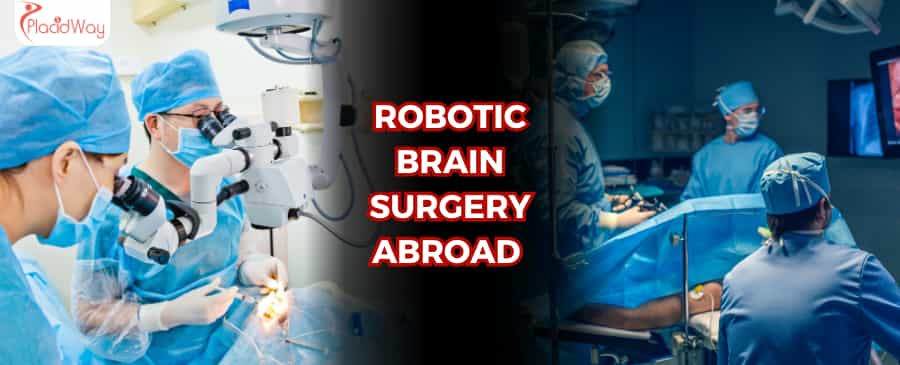
Discover Precision: Advanced Robotic Brain Surgery for a Brighter Future
Facing a neurological diagnosis can be overwhelming, but breakthroughs in medical technology are transforming possibilities. Robotic brain surgery represents a monumental leap forward, offering unparalleled precision and minimally invasive solutions for complex conditions that once required extensive open procedures. For patients seeking the highest standard of care, often at a more accessible cost, exploring robotic brain surgery options abroad has become a beacon of hope.
This advanced surgical approach empowers neurosurgeons with enhanced visualization, dexterity, and accuracy, making it possible to target specific areas of the brain with extreme exactness. Whether you're researching "minimally invasive brain tumor removal," "robotic surgery for epilepsy," or "deep brain stimulation technology," understanding the benefits and processes of this innovative treatment can be the first step toward regaining your health and quality of life.
Robotic systems assist in performing delicate procedures such as removing brain tumors, treating arteriovenous malformations (AVMs), and accurately implanting electrodes for conditions like Parkinson's disease or essential tremor. By reducing the impact on healthy brain tissue, patients often experience less pain, shorter hospital stays, and quicker recovery compared to conventional surgical methods.
What symptoms indicate a need for advanced brain surgery?
Recognizing the signs that might suggest a neurological issue requiring intervention is crucial. While these symptoms can stem from various conditions, persistent or worsening neurological signs often prompt doctors to investigate further, potentially leading to the discovery of a treatable condition. Patients commonly search for "headache severity brain tumor," "sudden seizures in adults," or "vision changes and brain lesion."
Common symptoms include:
- Persistent Headaches: Especially new onset, severe, or headaches that change in pattern.
- Seizures: Unexplained convulsions, temporary confusion, or staring spells.
- Numbness or Weakness: In the face, arm, or leg, often on one side of the body.
- Vision Problems: Blurred vision, double vision, loss of peripheral vision, or sudden blindness.
- Speech Difficulties: Slurred speech, trouble finding words, or understanding others.
- Balance and Coordination Issues: Dizziness, vertigo, difficulty walking, or unsteady gait.
- Cognitive Changes: Memory loss, confusion, difficulty concentrating, or changes in behavior/personality.
- Nausea or Vomiting: Especially when it's unexplained and persistent.
If you or a loved one are experiencing any of these symptoms, it's vital to seek medical evaluation promptly. Early diagnosis can significantly impact treatment success.
What causes and risk factors are associated with brain conditions requiring surgery?
Understanding the underlying causes helps in diagnosis and treatment planning. Many patients look for "causes of brain tumors," "why do I have epilepsy," or "risk factors for AVMs."
Key causes and risk factors include:
- Brain Tumors: Can be primary (originating in the brain) or secondary (metastatic, spreading from other parts of the body). Causes are often unknown, but genetic factors, radiation exposure, and certain syndromes can increase risk.
- Epilepsy: A neurological disorder characterized by recurrent seizures. Causes can include genetic predisposition, head trauma, strokes, brain infections, or developmental abnormalities.
- Vascular Malformations: Such as Arteriovenous Malformations (AVMs), cavernomas, or aneurysms, which are abnormal connections between arteries and veins. These are typically congenital but can become symptomatic over time, potentially leading to hemorrhage.
- Movement Disorders: Like Parkinson's disease or essential tremor, where symptoms become debilitating despite medication. These are often degenerative neurological conditions, and surgery aims to modulate brain activity.
- Hydrocephalus: An accumulation of cerebrospinal fluid in the brain's ventricles, often due to blockage or overproduction, leading to increased intracranial pressure.
- Traumatic Brain Injury (TBI): Severe head injuries can lead to hematomas (blood clots) or swelling requiring surgical intervention.
While some risk factors are unchangeable, awareness can help in monitoring and early detection.
What types of robotic brain surgery procedures are available?
The versatility of robotic platforms has expanded the scope of neurosurgical capabilities, making previously challenging or high-risk procedures safer and more effective. Patients often search for "robotic assistance brain tumor biopsy," "DBS robotic surgery," or "laser ablation epilepsy surgery."
Common robotic brain surgery procedures include:
- Stereotactic Biopsy: Using robotic guidance to obtain tissue samples from deep-seated or difficult-to-reach brain lesions for diagnosis, minimizing trauma to surrounding healthy tissue.
- Tumor Resection: Assisting in the precise removal of brain tumors, particularly those close to critical functional areas, by providing enhanced visualization and instrument control.
- Deep Brain Stimulation (DBS): For movement disorders such as Parkinson's disease, essential tremor, and dystonia. Robotics ensure the exact placement of electrodes in specific brain regions to modulate abnormal brain activity.
- Epilepsy Surgery: Including stereotactic electroencephalography (SEEG) for mapping seizure activity and laser interstitial thermal therapy (LITT) for targeted ablation of epileptic foci, often using robotic assistance for precise probe placement.
- Radiosurgery Planning and Delivery: While not performing the radiation itself, robotic systems can aid in precise patient positioning and tumor targeting for advanced radiosurgery techniques like Gamma Knife or CyberKnife.
- Evacuation of Intracerebral Hemorrhages: In some cases, robotics can assist in minimally invasive removal of blood clots within the brain.
These procedures leverage robotics to enhance the surgeon's skills, offering a refined approach to complex neurosurgery.
Who is a good candidate for robotic brain surgery?
Determining candidacy involves a thorough evaluation by a specialized neurosurgical team. Patients frequently inquire about "eligibility for robotic brain tumor removal," "who can get DBS surgery," or "contraindications for minimally invasive brain surgery."
General factors considered for candidacy include:
- Diagnosis: Patients with diagnosed brain tumors (benign or malignant), certain types of epilepsy, vascular malformations, or advanced movement disorders like Parkinson's or essential tremor.
- Lesion Characteristics: The size, type, and location of the lesion (e.g., deep-seated tumors, epileptic foci) often influence whether robotic assistance offers a significant advantage.
- Overall Health: Candidates should be in generally good health, able to tolerate anesthesia and the surgical procedure. Significant co-morbidities might make traditional surgery or non-surgical options more suitable.
- Failed Conservative Treatments: For conditions like epilepsy or movement disorders, robotic surgery (like DBS or LITT) is often considered when medication or other less invasive therapies have not provided adequate relief.
- Patient Expectations: A clear understanding of the procedure, potential outcomes, risks, and recovery process is essential.
A detailed consultation with a neurosurgeon, including review of imaging (MRI, CT) and neurological assessments, is necessary to confirm if robotic brain surgery is the most appropriate treatment path.
What can I expect during recovery after robotic brain surgery?
One of the significant advantages of robotic and minimally invasive approaches is often a more streamlined recovery compared to traditional open surgery. Patients often search for "recovery time after brain surgery," "life after minimally invasive neurosurgery," or "what to expect after DBS surgery."
Key aspects of recovery include:
- Hospital Stay: Typically shorter than open surgery, often ranging from 2-7 days, depending on the procedure and individual progress.
- Initial Post-Op: Patients may experience fatigue, mild headache, nausea, and disorientation. Pain medication will be administered to manage discomfort.
- Wound Care: The surgical site will be monitored. Minimally invasive approaches mean smaller incisions, less scarring, and often quicker skin healing.
- Rehabilitation: Depending on the treated condition and any post-surgical neurological changes, physical therapy, occupational therapy, or speech therapy might be recommended. This is particularly common for tumor resections near motor or speech centers.
- Return to Activities: Most patients can resume light activities within a few weeks. Strenuous activities, heavy lifting, and driving are usually restricted for a longer period (e.g., 4-6 weeks or more), as advised by the surgeon.
- Follow-up: Regular follow-up appointments with the neurosurgeon are crucial to monitor recovery, assess outcomes, and adjust any necessary treatments (e.g., DBS programming).
While recovery is generally quicker, patience and adherence to medical advice are key for optimal results.
What are the potential risks and side effects of robotic brain surgery?
While robotic assistance significantly enhances safety and precision, no surgery is entirely without risk. It's essential to have a comprehensive discussion with your surgical team about potential complications. Common patient searches include "risks of brain surgery," "side effects of robotic neurosurgery," or "complications of DBS."
Potential risks and side effects include:
- Infection: At the surgical site or within the brain, requiring antibiotics or further intervention.
- Bleeding (Hemorrhage): Within the brain, which can lead to swelling or neurological damage.
- Swelling (Edema): Of brain tissue around the surgical site.
- Neurological Deficits: New or worsened weakness, speech problems, vision changes, or cognitive issues. These can be temporary or, in rare cases, permanent.
- Stroke: A rare but serious complication due to damage to blood vessels.
- Anesthesia Risks: Allergic reactions, respiratory problems, or cardiovascular events.
- Seizures: Can occur post-operatively, even if the surgery was for epilepsy.
- Hardware-Related Issues (for DBS): Lead migration, fracture, or infection of implanted devices.
Your surgical team will take extensive precautions to minimize these risks, and the benefits of robotic precision often outweigh these considerations for many patients.
How much does robotic brain surgery cost globally?
Cost is a major factor for many patients considering advanced medical procedures, especially those without comprehensive insurance coverage or facing high deductibles. This leads many to explore international options, searching for "cost of robotic brain tumor surgery," "affordable DBS abroad," or "brain surgery prices overseas."
Here’s a general comparison of estimated costs for robotic brain surgery (e.g., tumor removal or DBS) in various countries:
| Country | Estimated Cost Range (USD) | Notes |
|---|---|---|
| United States | $70,000 - $150,000+ | Highest costs, often covered by insurance, but high deductibles/copays. |
| United Kingdom | $50,000 - $100,000+ | Through private healthcare; long waits in public system (NHS). |
| Germany | $40,000 - $90,000 | High quality, advanced technology, often good for complex cases. |
| Turkey | $25,000 - $60,000 | Modern facilities, experienced surgeons, significant cost savings. |
| India | $20,000 - $50,000 | World-class hospitals, highly skilled doctors, very competitive pricing. |
| Mexico | $25,000 - $55,000 | Proximity for North Americans, good quality, and lower costs. |
These are estimates and can vary based on the specific procedure, hospital, surgeon's fees, length of stay, and pre/post-operative care.
Why should I consider traveling abroad for robotic brain surgery?
Medical tourism for complex procedures like robotic brain surgery is growing rapidly for compelling reasons. Patients often research "medical tourism brain surgery benefits," "affordable neurosurgery abroad," or "why go overseas for brain treatment."
Key reasons to consider treatment abroad include:
- Cost Savings: The most common driver. Procedures can be 50-80% less expensive than in Western countries, even including travel and accommodation.
- Access to Advanced Technology: Many international hospitals have state-of-the-art robotic systems and highly trained specialists, often on par with or exceeding those in your home country.
- Shorter Wait Times: Avoid the long waiting lists that can occur in public healthcare systems, allowing for more timely intervention.
- Expertise and Specialization: Access to world-renowned neurosurgeons who specialize in specific robotic techniques or complex brain conditions.
- Privacy and Anonymity: Some patients prefer the discretion and privacy offered by receiving medical care in another country.
- Comprehensive Packages: Many clinics and facilitators (like PlacidWay) offer all-inclusive packages covering treatment, accommodation, airport transfers, and interpreter services.
For many, the combination of high-quality care and significant cost savings makes medical tourism an attractive and viable option.
Which countries offer high-quality robotic brain surgery at a better value?
When searching for "best countries for brain surgery," "top medical tourism destinations neurosurgery," or "affordable robotic surgery abroad," several nations consistently emerge as leaders due to their blend of quality, technology, and cost-effectiveness.
- India: Renowned for its JCI-accredited hospitals, highly skilled English-speaking neurosurgeons, and incredibly competitive pricing. They often utilize the latest robotic systems.
- Turkey: A growing hub for medical tourism, offering modern hospitals, experienced specialists, and excellent patient care at costs significantly lower than in Europe or North America. Istanbul is particularly prominent.
- Mexico: Especially attractive for patients from the US and Canada due to its proximity. Offers high-quality care in state-of-the-art facilities with board-certified surgeons.
- Germany: Known for its rigorous medical standards, advanced research, and world-class neurosurgical departments. While more expensive than Asian options, it still offers value compared to the US for European patients.
- South Korea: A leader in medical technology and research, offering highly advanced robotic surgery with exceptional patient outcomes, albeit at a slightly higher price point than India or Turkey.
These countries prioritize international patient services, ensuring a smooth and supportive experience.
How can I ensure a safe and successful medical tourism journey for brain surgery?
Safety and quality are paramount when considering medical treatment abroad, especially for complex procedures like brain surgery. Patients commonly ask "how to choose a hospital abroad," "verifying surgeon credentials overseas," or "is medical tourism safe for brain surgery?"
Follow these steps to ensure a safe and successful journey:
- Research and Accreditation: Look for hospitals with international accreditations like Joint Commission International (JCI). This signifies adherence to global healthcare standards.
- Surgeon Qualifications: Verify the neurosurgeon's credentials, experience with robotic systems for your specific condition, and board certifications. Ask for their case volume and success rates.
- Comprehensive Quotes: Ensure the medical package includes all costs: pre-op tests, surgery, hospital stay, surgeon's fees, anesthesia, medications, and follow-up care.
- Medical Tourism Facilitator: Partnering with a reputable company like PlacidWay can streamline the process. They vet clinics, arrange travel, accommodation, and provide support throughout your journey.
- Communication: Ensure there are clear communication channels, including language interpretation services if needed.
- Pre- and Post-Operative Plan: Discuss the entire treatment plan, including required pre-operative tests, the surgery itself, and detailed post-operative care and rehabilitation.
- Travel Insurance: Obtain comprehensive travel and medical complications insurance specifically designed for medical tourism.
- Patient Reviews and Testimonials: Read reviews from previous international patients to gauge their experiences.
By taking these proactive steps, you can significantly enhance the safety and success of your robotic brain surgery journey abroad.
Take the Next Step with PlacidWay
Ready to explore treatment options abroad? Discover top clinics, compare prices, and get a free quote tailored to your needs with PlacidWay.




.png)
.png)
.png)
.png)



.png)
.png)
-(1).png)
.png)











Share this listing