
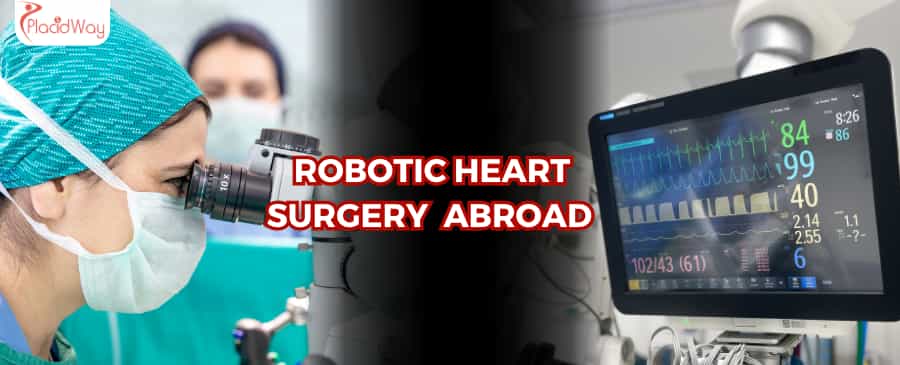
Revolutionizing Heart Care: Is Robotic Heart Surgery Right for You?
Facing heart surgery can be a daunting prospect, filled with questions about recovery, risks, and the future. What if there was a path to better heart health that involved smaller incisions, less pain, and a quicker return to your daily life? This is the promise of robotic heart surgery, a groundbreaking advancement in cardiac care that's transforming how complex heart conditions are treated worldwide.
For patients considering their options, especially those exploring medical treatment beyond their home borders, understanding robotic heart surgery is crucial. This minimally invasive approach utilizes advanced robotic systems, guided by an experienced surgeon, to perform delicate procedures with unparalleled precision. Instead of a large incision through the breastbone, surgeons operate through several tiny keyhole incisions, leading to significant advantages for the patient.
Commonly referred to as robot-assisted cardiac surgery, this technique is increasingly used for conditions ranging from coronary artery bypass grafting (CABG) to valve repair and atrial fibrillation ablation. Its appeal lies not only in its clinical efficacy but also in the improved patient experience it offers, including reduced blood loss, lower infection rates, and a significantly shorter hospital stay.
Whether you're struggling with symptoms like chest pain, shortness of breath, or fatigue, or have been diagnosed with a specific heart condition, exploring all available treatment options is vital. Robotic heart surgery presents a compelling alternative to traditional open-heart procedures, especially for those seeking advanced, less invasive solutions. Join us as we delve into what robotic heart surgery entails, who can benefit, and why it's becoming a preferred choice for patients globally, including those considering international medical travel for optimal care.
What symptoms suggest I might need advanced heart surgery?
Recognizing the early signs of heart trouble is crucial for timely intervention. While many symptoms can be subtle, certain indicators should prompt an immediate discussion with your doctor. These include persistent or recurring chest discomfort, often described as pressure, tightness, or aching, which may radiate to your arm, neck, jaw, or back. You might also experience unexplained shortness of breath, especially during exertion or when lying down, which can signal underlying heart conditions like valve issues or coronary artery disease. Chronic fatigue that isn't relieved by rest, irregular or racing heartbeats (palpitations), lightheadedness, or swelling in your legs, ankles, and feet can also be red flags. These symptoms are your body's way of signaling that your heart might not be functioning optimally and could require specialized treatment, potentially including minimally invasive heart surgery like robotic procedures.
What are the primary causes and risk factors for severe heart conditions?
Severe heart conditions requiring surgical intervention, such as coronary artery disease, valvular heart disease, or atrial fibrillation, often stem from a combination of lifestyle choices, genetic predispositions, and other medical conditions. The most common culprits include high blood pressure (hypertension), elevated cholesterol levels, and diabetes, which can all damage blood vessels and the heart over time. Smoking is a significant risk factor, dramatically increasing the risk of heart attacks and strokes. Obesity and a sedentary lifestyle contribute to many of these underlying conditions. While some factors like age and a family history of heart disease are beyond our control, managing modifiable risks through diet, exercise, and medication can significantly impact heart health. Understanding these causes helps patients and doctors identify appropriate preventive measures and treatment pathways, including advanced options like robot-assisted cardiac surgery.
What types of heart conditions can be treated with robotic heart surgery?
Robotic heart surgery has expanded the horizons of minimally invasive cardiac care, making it possible to treat a range of complex heart conditions without the need for a large chest incision. One of the most common applications is robotic coronary artery bypass grafting (CABG), particularly single or double vessel bypasses, where blocked arteries are bypassed to restore blood flow. Mitral valve repair and replacement are also frequently performed using robotic assistance, offering precise reconstruction or replacement of a diseased valve. Additionally, robotic techniques are employed for tricuspid valve repair, closure of atrial septal defects (ASD), and procedures to correct irregular heart rhythms like atrial fibrillation ablation. The precision and enhanced visualization provided by the robotic system allow surgeons to perform these intricate procedures with improved outcomes and less trauma to the patient's body.
Who is an ideal candidate for robotic heart surgery, and what are its potential risks?
Determining eligibility for robotic heart surgery involves a thorough evaluation by a cardiac surgeon. Generally, ideal candidates are patients who require isolated procedures such as mitral valve repair/replacement, tricuspid valve repair, atrial septal defect closure, or single/double coronary artery bypass. Patients with significant scar tissue from previous heart surgeries or severe lung conditions might not be suitable. A comprehensive assessment of overall health, heart function, and specific anatomical considerations will guide the decision. While robotic heart surgery offers significant advantages in recovery and reduced invasiveness, like any surgical procedure, it carries potential risks. These can include, but are not limited to, infection, bleeding, adverse reactions to anesthesia, stroke, or heart attack. However, studies generally show that these risks are often lower compared to traditional open-heart surgery due to the minimally invasive nature of the robotic approach.
What is the expected recovery time and post-operative care for robotic heart surgery?
One of the most compelling benefits of robotic heart surgery is the significantly expedited recovery timeline compared to traditional open-heart procedures. Patients often experience shorter hospital stays, typically ranging from 3 to 5 days. Since there's no sternal incision, the severe pain associated with a healing breastbone is avoided, allowing for earlier mobility and reduced need for strong painkillers. Most patients can return to light daily activities within 2-4 weeks and resume full normal activities, including driving and work, within 4-6 weeks, versus several months for open surgery. Post-operative care focuses on managing discomfort, meticulous wound care for the small incisions, and often includes a structured cardiac rehabilitation program to strengthen the heart and build endurance. Close follow-up with your cardiac team is essential to monitor progress and ensure a smooth, lasting recovery.
How do the costs of robotic heart surgery compare globally?
The financial aspect of advanced medical procedures like robotic heart surgery is a major consideration for many patients. In countries like the USA, Canada, or Western Europe, the cost can be prohibitively high, often ranging from $80,000 to over $150,000 USD. This drives many to explore options abroad, where the same high-quality care, often performed by internationally trained surgeons using the latest robotic technology, can be significantly more affordable. Factors like lower labor costs, reduced insurance overheads, and different healthcare models contribute to these savings. Below is a general comparison:
| Region/Country | Estimated Cost (USD) | Notes |
|---|---|---|
| USA/Western Europe | $80,000 - $150,000+ | High cost of living, insurance-driven healthcare. |
| India | $15,000 - $35,000 | Leading medical tourism destination, accredited hospitals. |
| Thailand | $20,000 - $40,000 | Excellent facilities, tourist-friendly environment. |
| Turkey | $18,000 - $38,000 | Modern hospitals, often includes accommodation packages. |
| Mexico | $25,000 - $45,000 | Proximity for North American patients, growing expertise. |
| South Korea | $30,000 - $55,000 | Cutting-edge technology, highly skilled surgeons. |
Please note that these are estimated costs and can vary based on the specific procedure, hospital, surgeon's fees, duration of stay, and any additional services.
Why should I consider robotic heart surgery abroad for my treatment?
For many individuals, the decision to undergo robotic heart surgery abroad is driven by compelling advantages that extend beyond just the procedure itself. The most significant factor is often cost; international hospitals in popular medical tourism destinations can offer the same high-quality surgery at a fraction of the price found in countries like the U.S. or U.K. This can save patients tens of thousands of dollars. Beyond cost, patients gain access to state-of-the-art robotic systems and highly experienced surgeons who specialize in these advanced techniques, often with shorter waiting lists than in their home countries. The entire experience is often streamlined by medical tourism facilitators, making the journey less stressful. Furthermore, for some, the idea of recovering in a serene, foreign environment, combining their treatment with a unique cultural experience, adds to the appeal.
Which countries offer the best value for robotic heart surgery?
When seeking the best value for robotic heart surgery, several countries consistently rise to the top of medical tourism destinations. India is a global leader, renowned for its JCI-accredited hospitals, highly trained surgeons, and significantly lower costs. Similarly, Thailand offers modern facilities, exceptional patient care, and a welcoming environment, making it a popular choice. Turkey has emerged as a strong contender, boasting state-of-the-art hospitals, particularly in Istanbul, with competitive pricing and excellent medical infrastructure. South Korea provides cutting-edge technology and world-class expertise, often at a more accessible price point than Western nations. For North American patients, Mexico offers convenient proximity and a growing number of reputable clinics. These countries are not just about affordability; they often provide a holistic patient experience, including comprehensive support services, ensuring high standards of medical care and safety.
What to expect when traveling for robotic heart surgery internationally?
Traveling abroad for robotic heart surgery involves more than just booking a flight; it's a carefully planned journey. When you choose a reputable medical tourism provider like PlacidWay, you can expect comprehensive support designed to make your experience as smooth and stress-free as possible. This typically begins with pre-travel consultations, where your medical history is reviewed, and a personalized treatment plan is developed. Assistance with visa applications, flight bookings, and local accommodation near the hospital is common. Upon arrival, you'll likely be met by a patient coordinator or translator who will guide you through hospital admissions, appointments, and communicate with medical staff. After your surgery and initial recovery, the coordinator will help with follow-up appointments and ensure you're comfortable until you're cleared for travel back home. The goal is to provide a seamless experience, allowing you to focus solely on your recovery.
How can I ensure safety, quality, and find patient success stories for robotic heart surgery abroad?
Ensuring the safety and quality of your robotic heart surgery abroad is paramount. Start by verifying that the hospital is internationally accredited by recognized bodies such as Joint Commission International (JCI), which signifies adherence to rigorous global healthcare standards. Research the credentials, experience, and specialization of the cardiac surgeons who will perform your procedure – look for surgeons with extensive experience in robot-assisted cardiac surgery. Transparency in pricing and a detailed breakdown of costs are also indicators of a trustworthy provider. To find genuine patient success stories, utilize reputable medical tourism platforms that often provide verified testimonials, case studies, and sometimes even direct contact with past patients. Look for detailed accounts of the procedure, recovery, and overall experience, which can offer valuable insights and peace of mind. Engaging a medical tourism facilitator with a proven track record can be invaluable, as they pre-vet clinics and surgeons, providing an added layer of assurance for your medical journey.
Take the Next Step with PlacidWay
Ready to explore treatment options abroad? Discover top clinics, compare prices, and get a free quote tailored to your needs with PlacidWay.




.png)
-(1).png)
-in-Mexico-(Logo).png)
.png)




.jpg)
.jpg)
-(4).png)
-(6).png)












Share this listing