
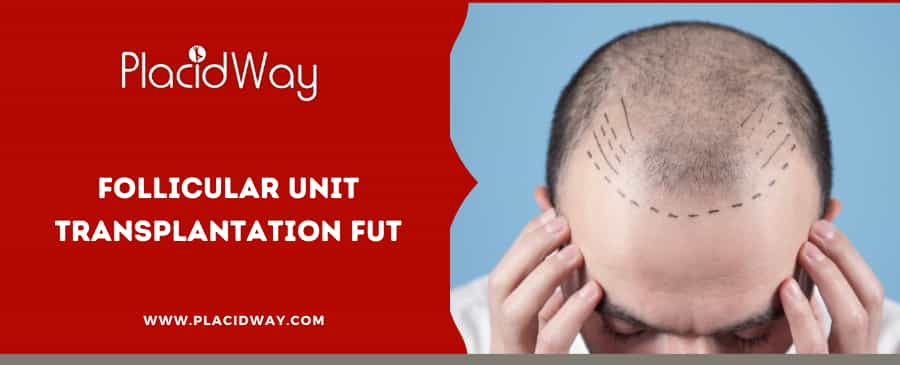
Rediscover Your Confidence: Understanding Follicular Unit Transplantation (FUT)
Are you experiencing thinning hair or a receding hairline, and dreaming of a fuller, more youthful head of hair? Hair loss can be a deeply personal and frustrating journey, affecting self-esteem and confidence. For many, finding a permanent, natural-looking solution is a top priority. Follicular Unit Transplantation, commonly known as FUT or the "strip method" hair transplant, stands as a proven and highly effective procedure for restoring hair density and achieving lasting results.
FUT is a surgical technique designed to combat various forms of hair loss, primarily androgenetic alopecia (male and female pattern baldness). It involves carefully harvesting a strip of skin containing healthy hair follicles from a donor area – typically the back or sides of the scalp, which are naturally resistant to balding. These follicles are then meticulously dissected into individual follicular units (groups of 1-4 hairs) under a microscope and transplanted to the areas of the scalp experiencing thinning or baldness, such as the hairline, crown, or temples.
This procedure is a game-changer for individuals seeking significant hair restoration. Unlike temporary solutions, FUT offers a permanent answer by transplanting active, growing hair follicles. Patients often search for "permanent hair loss solutions," "effective baldness treatments," or "how to fix a receding hairline" – and FUT consistently appears as a leading option. The goal is not just to replace lost hair, but to create a natural density and hairline that seamlessly blends with existing hair, enhancing your appearance and reigniting your confidence.
The journey to hair restoration is a significant decision, and understanding all aspects of FUT is crucial. From identifying the underlying causes of your hair loss to navigating the procedure, recovery, and even considering the excellent value available through medical tourism, this guide will provide comprehensive insights into Follicular Unit Transplantation, helping you make an informed choice for your hair restoration needs.
What are the common signs of hair loss that FUT can treat?
Recognizing the signs of hair loss is the first step toward finding a solution. While daily hair shedding is normal, progressive and noticeable thinning can be a cause for concern. FUT is specifically effective for addressing permanent hair loss patterns, which often include:
- Receding Hairline: For men, this often starts with thinning at the temples, gradually moving backward to create an 'M' shape. Women may notice a general widening of their part.
- Thinning Crown: Hair loss at the top back of the head, often appearing as a circular bald spot that expands over time.
- Overall Scalp Thinning: A general decrease in hair density across the scalp, making the scalp more visible, common in female pattern hair loss.
- Hair Miniaturization: Hairs become progressively finer, shorter, and lighter in color before eventually stopping growth.
- Excessive Hair Shedding with No Regrowth: While shedding is normal, if the hair that sheds isn't replaced by new growth, it indicates progressive hair loss.
These symptoms are typically associated with androgenetic alopecia, where hair follicles become sensitive to hormones, leading to their shrinkage and eventual dormancy. Patients often search for "why is my hair thinning," "how to stop receding hairline," or "balding crown solutions" when experiencing these issues.
What causes hair loss, and how does FUT address it?
While various factors can contribute to temporary hair loss (stress, diet, certain medications), FUT specifically targets permanent hair loss conditions. The overwhelming majority of cases are due to:
- Androgenetic Alopecia (Pattern Baldness): This is the most common cause, affecting both men and women. It's primarily genetic and hormonal. Hair follicles in certain areas of the scalp (front, top, crown) are sensitive to dihydrotestosterone (DHT), a derivative of testosterone. This sensitivity causes follicles to shrink over time, producing thinner, shorter hairs until they stop growing altogether. The hair at the back and sides of the scalp is typically resistant to DHT.
- Genetics: If your parents or grandparents experienced pattern baldness, you are more likely to as well. It's not a single gene but a combination that influences susceptibility.
- Age: Hair loss often becomes more noticeable with age as the growth cycles naturally shorten and hair becomes finer.
FUT works by leveraging the genetic resistance of donor hair. By transplanting these "strong" follicles from the back of the scalp to the balding areas, they retain their resistance to DHT and continue to grow naturally for life. This is why patients often search for "genetic hair loss treatment" or "hormonal hair loss solutions" when considering options like FUT.
What are the different types of hair transplant procedures available?
When considering hair transplant surgery, you'll primarily encounter two highly effective methods: Follicular Unit Transplantation (FUT) and Follicular Unit Extraction (FUE). While both aim to restore hair, they differ in how donor hair is harvested:
- Follicular Unit Transplantation (FUT): Also known as the "strip method," this technique involves surgically removing a small strip of skin from the donor area (typically the back of the scalp). This strip is then meticulously dissected under high-powered microscopes into individual follicular units (natural groupings of 1-4 hairs). These units are then implanted into tiny incisions made in the balding areas. FUT is known for its ability to yield a large number of grafts in a single session, often resulting in higher density, and usually leaves a linear scar that can be easily concealed by surrounding hair.
- Follicular Unit Extraction (FUE): This method involves individually extracting follicular units directly from the donor area using a micro-punch tool. Each unit is extracted one by one, leaving tiny, dot-like scars that are usually barely visible. FUE is often preferred by those who wear their hair very short or want to avoid a linear scar. However, it can be more time-consuming, and the maximum number of grafts in a single session might be less than FUT.
Both methods offer excellent results, but the choice between FUT and FUE depends on individual patient factors like the extent of hair loss, donor hair characteristics, budget, and preference regarding scarring. Patients often ask, "FUT vs FUE, which is better?" or "what is the strip method hair transplant?".
Who is a good candidate for Follicular Unit Transplantation (FUT)?
Not everyone experiencing hair loss is an ideal candidate for FUT. A thorough consultation with a qualified hair restoration specialist is essential to determine suitability. Generally, good candidates for FUT:
- Have sufficient, stable donor hair: The hair at the back and sides of your scalp must be dense and healthy enough to provide enough grafts for the balding areas. This donor hair should also be resistant to balding.
- Exhibit male or female pattern baldness: FUT is most effective for androgenetic alopecia, where the hair loss pattern is clearly defined.
- Are over 25 years old: Hair loss patterns can still be unpredictable in younger individuals. Waiting until hair loss has stabilized provides a more accurate assessment of future needs.
- Have realistic expectations: While FUT can achieve dramatic improvements, it's important to understand that it restores hair, it doesn't create new hair where none existed. The goal is improvement and natural density.
- Are in good general health: Patients should be free of medical conditions that could complicate surgery or recovery.
- Are concerned about density: FUT can often provide a greater number of grafts in a single session, making it suitable for those needing significant coverage.
People often search for "who can get a hair transplant?" or "am I eligible for hair surgery?" when exploring their options.
What is the typical recovery time and what should I expect after FUT?
Understanding the recovery process is crucial for managing expectations and ensuring optimal results after your FUT procedure. Here’s a general timeline of what to expect:
- Immediately After (Day 1-3): You'll have bandages, mild swelling, and possibly some discomfort. Pain medication will be prescribed. Small scabs will form around the transplanted grafts.
- First Week (Day 4-7): Swelling typically subsides. The donor area sutures will remain (and usually be removed around day 7-10). You'll need to follow specific washing instructions carefully to protect the grafts.
- Two Weeks (Day 8-14): Sutures are removed from the donor area, and the linear scar begins to heal. Most scabs from the transplanted area should have fallen off. You can usually return to light daily activities, but strenuous exercise is still discouraged.
- Weeks 2-8: "Shock Loss" It's common for transplanted hairs to shed during this period. This is a normal part of the process and doesn't mean the procedure failed. The follicles are simply entering a resting phase before new growth.
- Months 3-4: New Growth Begins: Tiny, fine hairs will start to emerge from the transplanted follicles. They may appear thin at first.
- Months 6-9: Noticeable Growth: The new hairs will become thicker and more substantial. You'll start to see a real difference in density.
- Months 12-18: Final Results: The transplanted hair will have fully matured, and you'll see the final density and natural look of your FUT results.
Patients often search for "FUT recovery timeline," "what to expect after hair transplant," or "when does hair grow after FUT?".
What are the potential risks and side effects of FUT?
Like any surgical procedure, FUT comes with potential risks and side effects, although serious complications are rare, especially when performed by a skilled and experienced surgeon. It's important to be aware of these possibilities:
- Linear Scarring: The most significant distinguishing feature of FUT is the linear scar left in the donor area. While typically thin and easily hidden by surrounding hair, its visibility depends on surgical technique and individual healing. Patients often search for "FUT scar" or "how to hide FUT scar."
- Swelling and Bruising: Temporary swelling around the forehead and eyes is common, usually resolving within a few days. Bruising is less common but can occur.
- Numbness: Some temporary numbness or altered sensation in the donor or recipient areas can occur, usually resolving over several weeks to months.
- Shock Loss: Temporary shedding of existing hair around the transplanted area or in the donor area can occur due to surgical trauma. This is usually temporary, with hair regrowing.
- Infection: A rare risk, but possible with any surgical procedure. Proper hygiene and post-operative care reduce this risk.
- Folliculitis: Inflammation or infection of hair follicles can sometimes occur, typically treated with warm compresses or antibiotics.
- Poor Growth or Unnatural Results: If not performed by an experienced surgeon, grafts might not grow well, or the hairline might appear unnatural. This highlights the importance of choosing a reputable clinic.
How much does FUT hair transplant cost globally, and why do prices vary?
The cost of a FUT hair transplant can vary dramatically depending on several factors. These include the geographic location, the reputation and experience of the clinic and surgeon, the complexity of the case, and most importantly, the number of grafts required. Here's a general cost comparison:
| Country | Estimated FUT Cost Range (USD) | Key Factors for Variation |
|---|---|---|
| United States | $6,000 - $15,000+ | High cost of living, advanced technology, highly specialized surgeons. |
| United Kingdom | $5,000 - $12,000+ | Similar to US, but generally slightly lower due to market differences. |
| Turkey | $2,000 - $5,000 | Medical tourism hub, high volume, lower operational costs. |
| India | $1,500 - $4,500 | Lower cost of living, growing medical tourism, skilled doctors. |
| Mexico | $3,000 - $6,000 | Proximity to North America, competitive pricing, reputable clinics. |
Patients often search for "FUT hair transplant cost abroad," "affordable hair transplant," or "cost of FUT in Turkey" when exploring budget-friendly options.
Why should I consider getting my FUT hair transplant abroad?
Medical tourism for FUT has seen a significant surge, and for good reason. Many patients choose to travel internationally for their hair restoration, driven by several compelling advantages:
- Significant Cost Savings: As seen in the cost comparison, procedures abroad can be substantially more affordable, often including accommodation and transfers in package deals. This is the primary driver for many patients searching for "cheap hair transplant abroad" or "affordable FUT."
- Access to World-Class Surgeons and Clinics: Countries popular for medical tourism often boast state-of-the-art facilities and highly experienced surgeons who perform a high volume of hair transplants, leading to specialized expertise.
- No Waiting Lists: Unlike some public healthcare systems, private clinics abroad typically have immediate availability for consultations and procedures.
- Privacy and Anonymity: For those who prefer discretion about their procedure, traveling abroad offers a level of anonymity that may not be available locally.
- Recovery as a Vacation: Many patients combine their treatment with a relaxing trip, recovering in a new, often beautiful environment.
Which countries are popular for FUT medical tourism and offer the best value?
Several countries have established themselves as global leaders in hair transplant medical tourism, offering a combination of affordability, quality, and expertise:
- Turkey: Often considered the capital of hair transplantation, particularly Istanbul. Clinics here offer highly competitive packages, advanced techniques, and experienced surgeons who perform hundreds of procedures annually. Many packages include accommodation, transfers, and post-op care.
- India: With a burgeoning medical tourism sector, India provides exceptional value for money. It has a large pool of highly qualified surgeons and modern facilities, offering high-quality FUT procedures at a fraction of Western costs.
- Mexico: A popular choice for North American patients due to its proximity. Mexican clinics offer competitive pricing, often with English-speaking staff and high standards of care, making it an accessible option for "hair transplant near US border."
- Thailand: Known for its world-class healthcare infrastructure and hospitality, Thailand offers high-quality FUT procedures, often combined with a luxurious recovery experience.
When searching, patients might use terms like "best country for hair transplant FUT" or "FUT hair transplant in Istanbul."
What should I expect when traveling abroad for an FUT procedure?
Embarking on a medical trip for FUT requires careful planning, but reputable medical tourism facilitators and clinics often streamline the process. Here’s a general overview of what to expect:
- Initial Consultation and Planning: Before you travel, you'll have virtual consultations with the clinic to assess your suitability and plan the procedure. A medical tourism agency like PlacidWay can assist with this, along with flight and accommodation bookings.
- Arrival and Pre-Op: Upon arrival, you'll typically be met and transferred to your accommodation. The day before or on the day of your procedure, you'll have an in-person consultation with the surgeon to finalize the treatment plan, mark the hairline, and discuss any last-minute questions.
- The Procedure Day: The FUT procedure itself can take several hours (4-8 hours), depending on the number of grafts. You'll be made comfortable, often with local anesthesia.
- Post-Op Care and Recovery: After the procedure, you'll receive detailed instructions for aftercare, including how to wash your hair, medications, and activity restrictions. You'll usually have a follow-up appointment for suture removal (around day 7-10) and a final check-up before you depart.
- Travel Considerations: Plan for a stay of at least 5-7 days for proper recovery and follow-up. Avoid strenuous activity and direct sun exposure on your scalp during your stay. Ensure your return travel arrangements accommodate your post-operative condition.
Patients often look for "hair transplant travel guide" or "what to do after hair transplant abroad."
How can I ensure safety and quality when choosing an FUT clinic abroad?
Ensuring safety and quality is paramount when seeking medical treatment abroad. While cost savings are appealing, never compromise on standards. Here’s how to do your due diligence:
- Verify Accreditations: Look for clinics accredited by international bodies like JCI (Joint Commission International) or local health ministries that maintain high standards.
- Research Surgeon Qualifications: Ensure the surgeon is board-certified, specializes in hair restoration, and has extensive experience with FUT. Ask about their educational background and professional affiliations.
- Read Patient Reviews and Testimonials: Look for independent reviews on platforms like Google, Trustpilot, and specialized medical tourism forums. Pay attention to consistent positive feedback regarding results, professionalism, and patient care.
- Request Before-and-After Photos: A reputable clinic will be happy to share a portfolio of their previous FUT patients. Look for natural-looking results and consistent quality.
- Consult with Medical Tourism Facilitators: Companies like PlacidWay specialize in vetting clinics and surgeons worldwide. They can provide unbiased information, help you compare options, and ensure you're choosing a safe and reliable provider.
- Clear Communication: Ensure the clinic has English-speaking staff and that all your questions are answered clearly and thoroughly before you commit.
Keywords people search for include "safe hair transplant abroad," "best FUT surgeon international," or "how to choose a hair transplant clinic overseas."
What are patient success stories from abroad?
The success of FUT abroad isn't just about the procedure; it's about the transformative journey and the positive impact on patients' lives. Thousands of individuals globally have opted for FUT in countries like Turkey, India, and Mexico, returning home with renewed confidence and natural-looking hair.
- Improved Self-Esteem: Many patients share stories of how their restored hairline or increased hair density significantly boosted their self-confidence, impacting their personal and professional lives positively. One patient, John from the UK, shared, "My FUT in Istanbul wasn't just about hair; it gave me back a piece of myself I thought was lost. The results are incredibly natural."
- Natural-Looking Results: A common theme in success stories is the natural appearance of the transplanted hair. "Nobody can tell I had a hair transplant unless I tell them," says Maria from Canada, who had her FUT in Mexico. "The hairline is perfectly designed, and the hair density is amazing."
- Exceptional Value and Experience: Patients frequently highlight the comprehensive care packages, the professionalism of the medical teams, and the overall positive experience of combining their treatment with international travel. "I saved so much money by going to India, and the clinic was spotless, the doctors brilliant. I truly got world-class treatment at an affordable price," reported a patient from Australia.
- Lifelong Growth: The permanence of FUT results is a key factor in patient satisfaction, with transplanted hair continuing to grow naturally for years, providing a lasting solution to hair loss.
These narratives underscore the compelling reasons why FUT medical tourism continues to grow, offering not just a procedure, but a pathway to a more confident future. Patients often search for "FUT hair transplant testimonials" or "success stories hair transplant abroad."
Take the Next Step with PlacidWay
Ready to explore treatment options abroad? Discover top clinics, compare prices, and get a free quote tailored to your needs with PlacidWay.
Hair Transplant Abroad | Hair Restoration | FUE | FUT




.png)
.png)
.png)
.png)




.png)











Share this listing