
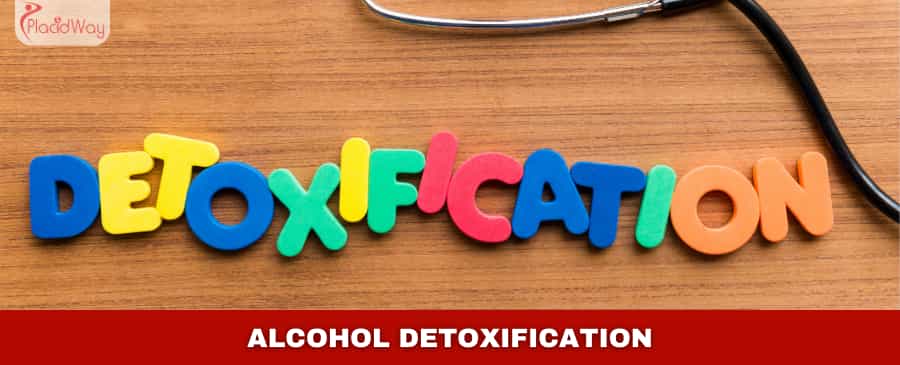
Finding Freedom: Your Compassionate Guide to Alcohol Detoxification Abroad
Taking the first step towards overcoming alcohol dependence is a monumental act of courage. For many, the idea of alcohol detoxification can be daunting, often shrouded in fear of withdrawal symptoms and the unknown. Yet, it is the most critical and often necessary first stride on the path to a healthier, alcohol-free life. If you or a loved one are struggling with alcohol addiction, understanding what alcohol detox entails – from its symptoms and causes to the types of treatment available – is vital.
Alcohol detoxification, often referred to simply as "alcohol detox," is the process by which the body clears itself of alcohol after prolonged heavy drinking. This is not just about abstaining; it's about managing the potentially severe and even life-threatening withdrawal symptoms that can occur as the body adjusts to the absence of alcohol. For this reason, medical supervision is almost always recommended, ensuring safety and comfort throughout this challenging period.
Many individuals globally are now looking beyond their borders for this critical initial treatment. Medical tourism for alcohol detox offers a unique blend of privacy, often more affordable high-quality care, and a complete change of environment – a powerful catalyst for starting a new chapter. Whether you're searching for "safe alcohol detox options," "inpatient alcohol withdrawal programs," or "alcohol detox centers abroad," this guide is designed to empower you with the knowledge needed to make an informed decision and embark on a journey of recovery.
What are the tell-tale symptoms of alcohol withdrawal that signal a need for detox?
Recognizing the signs of alcohol withdrawal is crucial, as they indicate a physical dependence on alcohol and the potential dangers of stopping without medical support. These symptoms vary in severity depending on the level of dependence, duration of heavy drinking, and individual health factors. They typically appear within 6-24 hours after the last drink, peak at 24-72 hours, and can persist for days or even weeks (Post-Acute Withdrawal Syndrome - PAWS).
Common symptoms include:
- Mild to Moderate:
- Tremors or "the shakes"
- Anxiety, nervousness, or agitation
- Headache
- Nausea and vomiting
- Insomnia or other sleep disturbances
- Sweating
- Increased heart rate and blood pressure
- Severe (Medical Emergency):
- Hallucinations (auditory, visual, or tactile)
- Seizures (alcohol withdrawal seizures)
- Delirium Tremens (DTs): A severe form of withdrawal characterized by sudden, severe mental or nervous system changes, including confusion, rapid heart rate, fever, sweating, and deep disorientation. DTs can be fatal.
If you experience any severe symptoms, seeking immediate medical attention is vital. Trying to detox at home without professional oversight can be extremely dangerous.
What causes alcohol dependence, and who is at risk?
Alcohol dependence isn't a moral failing; it's a complex medical condition influenced by a combination of factors. Understanding these can help destigmatize the condition and pave the way for effective treatment:
- Brain Chemistry Changes: Chronic alcohol consumption leads to changes in the brain's neurochemistry. Alcohol enhances the effects of GABA (a calming neurotransmitter) and inhibits glutamate (an excitatory one). Over time, the brain adapts by reducing its natural GABA production and increasing glutamate sensitivity, leading to hyperexcitability when alcohol is removed.
- Genetics: A family history of alcohol addiction significantly increases an individual's risk. Specific genes can influence how a person metabolizes alcohol or how they respond to its effects.
- Mental Health Conditions: Co-occurring disorders like depression, anxiety, PTSD, or bipolar disorder often contribute to alcohol dependence. People may use alcohol to self-medicate uncomfortable symptoms, creating a vicious cycle.
- Environmental Factors: Peer pressure, social norms that normalize heavy drinking, easy access to alcohol, and high-stress environments can all play a role.
- Trauma and Stress: Experiences of trauma, chronic stress, or significant life changes can increase vulnerability to developing alcohol dependence as a coping mechanism.
- Early Age of First Drink: Starting to drink alcohol at a young age is linked to a higher risk of developing alcohol use disorder later in life.
Anyone who engages in regular, heavy alcohol consumption is at risk, regardless of their background or perceived strength.
What types of alcohol detoxification procedures and treatments are available?
The primary goal of any alcohol detox program is to manage withdrawal symptoms safely and prepare the individual for ongoing treatment for alcohol use disorder. The main types include:
- Medically Supervised Detox (Inpatient): This is the safest and most recommended option for individuals with moderate to severe alcohol dependence. Patients reside in a facility (hospital or dedicated detox center) where medical professionals monitor their vital signs 24/7, administer medications to alleviate withdrawal symptoms (like benzodiazepines for anxiety and seizure prevention), and provide supportive care.
- Outpatient Detox: For individuals with mild alcohol dependence, good social support, and no history of severe withdrawal. Patients live at home but attend daily medical appointments for check-ups and medication. This option requires significant discipline and a safe home environment.
- Medication-Assisted Treatment (MAT): While MAT is often associated with longer-term recovery from opioid addiction, certain medications are crucial during alcohol detox and post-detox. These include:
- Benzodiazepines (e.g., Ativan, Valium, Librium): Used during acute withdrawal to prevent seizures and reduce anxiety, agitation, and tremors.
- Naltrexone: Can be started after detox to reduce cravings and block the euphoric effects of alcohol.
- Acamprosate: Helps restore the brain's chemical balance disrupted by long-term alcohol use, reducing post-detox cravings.
- Disulfiram (Antabuse): Causes an unpleasant reaction (nausea, vomiting, flushing) if alcohol is consumed, acting as a deterrent.
- Holistic and Supportive Care: Alongside medical management, detox programs often incorporate nutritional support, hydration, vitamin supplements (especially B vitamins like Thiamine to prevent Wernicke-Korsakoff syndrome), and initial counseling to prepare for comprehensive rehabilitation.
Who is eligible for alcohol detoxification, and when is it necessary?
Eligibility for alcohol detoxification is determined by the presence and severity of alcohol dependence. It's not just for those who drink excessively every day; even intermittent heavy drinkers can develop physical dependence.
You might be a candidate for medically supervised alcohol detox if you:
- Experience Withdrawal Symptoms: As described above, if you get "the shakes," anxiety, nausea, or worse, when you stop or cut down on drinking.
- Have a History of Severe Withdrawal: This includes past seizures or delirium tremens.
- Drink Large Amounts Regularly: Especially if you consume alcohol daily or in binges.
- Have Co-occurring Medical or Mental Health Conditions: These can complicate withdrawal and require closer medical supervision.
- Have Failed Previous Detox Attempts: This suggests a need for a more structured and supportive environment.
- Have Been Advised by a Healthcare Professional: A doctor's assessment is crucial.
It's necessary to seek detox when there's any concern about the safety of stopping alcohol use independently. Attempting to "tough it out" can be dangerous and greatly reduces the chances of a successful, comfortable withdrawal.
What can I expect during recovery and after alcohol detox?
Detoxification is merely the first hurdle. The real journey of recovery begins once alcohol is out of your system. Here's what to expect:
- The Acute Phase (Days 1-10): This is the detox period itself, where immediate withdrawal symptoms are managed. Most physical symptoms subside, and your body stabilizes.
- Post-Acute Withdrawal Syndrome (PAWS): Many individuals experience PAWS, which involves lingering, less intense, but often fluctuating symptoms like mood swings, anxiety, sleep disturbances, fatigue, and difficulty concentrating. PAWS can last for weeks or even months but gradually improves with time and continued sobriety.
- Cravings: Intense cravings for alcohol are common and can be powerful, especially in early recovery. Learning coping mechanisms and having a strong support system are essential.
- Rehabilitation (Rehab): Following detox, most people transition into a rehabilitation program (inpatient or outpatient). This is where the psychological aspects of addiction are addressed through individual and group therapy, education, and skill-building for relapse prevention.
- Ongoing Support: Long-term sobriety often relies on continuous engagement with support groups like Alcoholics Anonymous (AA), therapy, sober living environments, and developing healthy coping strategies.
- Healing and Growth: Beyond abstaining, recovery is about personal growth, rediscovering interests, repairing relationships, and building a fulfilling life free from alcohol's grip. It's a journey of self-discovery and transformation.
What are the potential risks and side effects of alcohol detoxification?
While the goal of detox is safety, the process of withdrawal itself carries inherent risks, especially if not professionally managed:
- Severe Withdrawal Complications:
- Seizures: Alcohol withdrawal seizures can occur 12-48 hours after the last drink and can be life-threatening.
- Delirium Tremens (DTs): The most severe form of alcohol withdrawal, characterized by extreme confusion, disorientation, hallucinations, rapid heartbeat, and high fever. DTs are a medical emergency and can be fatal without immediate treatment.
- Cardiac Arrhythmias: Irregular heartbeats can occur due to electrolyte imbalances or the stress on the cardiovascular system.
- Dehydration and Malnutrition: Vomiting, sweating, and poor nutritional intake can lead to severe dehydration and electrolyte imbalances, further complicating withdrawal.
- Psychological Distress: Intense anxiety, panic attacks, depression, and suicidal ideation can worsen during withdrawal.
- Medication Side Effects: While medications like benzodiazepines are crucial for safety, they can have side effects such as drowsiness, dizziness, and paradoxical agitation in some individuals. These are carefully managed by medical staff.
- Relapse: Without proper post-detox care and support, the risk of relapse is high, especially due to intense cravings or unmanaged underlying issues.
These risks underscore why professional medical supervision during alcohol detox is not just recommended, but often critical for patient safety and comfort.
How does the cost of alcohol detoxification compare worldwide?
Cost is a major factor for many individuals seeking alcohol detox, especially when insurance coverage is limited or non-existent. Medical tourism offers a compelling alternative, providing significant savings without compromising on quality of care.
| Region/Country | Estimated Cost Range (7-10 day Inpatient Detox)* | Notes |
|---|---|---|
| United States | $5,000 - $20,000+ | Highly variable based on facility reputation, amenities, and location. Often includes pre- and post-detox assessments. |
| United Kingdom | £3,000 - £8,000+ (approx. $4,000 - $10,000+) | Private clinics can be costly. NHS services may have waiting lists. |
| Mexico | $2,000 - $5,000 | Popular for US patients seeking affordable, high-quality care with proximity. |
| Thailand | $2,500 - $6,000 | Known for luxurious, holistic, and discreet facilities with excellent medical staff. |
| India | $1,500 - $4,000 | Emerging medical tourism destination with modern facilities and English-speaking staff. |
| Eastern Europe (e.g., Poland, Hungary) | $1,800 - $4,500 | Offers competitive pricing for European patients with good medical standards. |
*Costs are estimates and can vary based on facility, length of stay, services included, and individual medical needs. Always request a detailed quote.
Why should I consider alcohol detoxification abroad for recovery?
Opting for alcohol detox abroad isn't just about cost savings; it offers several compelling advantages for individuals seeking a profound change:
- Enhanced Privacy and Anonymity: For many, the stigma associated with addiction can be a barrier to seeking help locally. Traveling abroad provides a discreet way to get treatment away from local gossip, work, or social circles.
- Significant Cost Savings: As seen in the table above, the cost of high-quality medical detox in popular medical tourism destinations can be substantially lower than in Western countries, making treatment accessible without compromising care.
- A Complete Change of Environment: Removing oneself from familiar triggers, stressors, and the everyday environment where addiction thrived is incredibly powerful. A new setting can facilitate a mental reset and a fresh perspective.
- Access to Specialized Programs: Some international facilities offer unique, holistic, or culturally integrated approaches to detox and recovery that might not be available or common in your home country.
- Reduced Waiting Times: In some countries, public healthcare systems may have long waiting lists for addiction treatment. Traveling abroad can offer immediate access to care.
- Focus on Healing: Being in an unfamiliar, often serene environment allows you to disconnect from responsibilities and external pressures, enabling a complete focus on your health and recovery journey.
Which countries offer the best value and quality for alcohol detox treatment?
When selecting a destination for alcohol detox, it's essential to balance cost, quality of care, and overall environment. Several countries have established reputations as top medical tourism hubs for addiction treatment:
- Mexico: A perennial favorite for North Americans due to its proximity, excellent private hospitals, and competitive pricing. Many facilities offer English-speaking staff and culturally sensitive care.
- Thailand: Known globally for its luxurious, discreet, and highly professional addiction treatment centers. Thailand combines world-class medical care with serene environments, often incorporating holistic therapies.
- India: Emerging as a strong contender, India offers state-of-the-art medical facilities, highly qualified doctors, and significantly lower costs. Many hospitals are internationally accredited and cater to international patients.
- Costa Rica: Offers a blend of natural beauty and quality medical care. It's a popular choice for those seeking a tranquil, healing environment with a strong focus on holistic well-being.
- Eastern Europe (e.g., Poland, Hungary, Czech Republic): These countries provide a cost-effective option for European patients, featuring modern clinics, experienced medical professionals, and good standards of care.
- South Africa: Offers a variety of reputable treatment centers in beautiful settings, with strong medical protocols and often a focus on wilderness therapy or experiential learning post-detox.
When choosing, always research the specific facility, its accreditations, and patient reviews.
What should I expect when traveling abroad for alcohol detoxification, and how do I prepare?
Traveling abroad for medical treatment requires careful planning. Here's a general idea of what to expect and how to prepare:
- Pre-Departure Assessment: Most reputable international detox centers will conduct a thorough medical and psychological assessment remotely before you travel. This ensures they can provide appropriate care and that you are suitable for their program. Be honest about your drinking history and health conditions.
- Travel Logistics: This includes arranging flights, obtaining necessary visas, and ensuring you have valid travel documents. Many medical tourism facilitators or clinics assist with these arrangements.
- Arrival and Transfer: Upon arrival, you can typically expect to be met at the airport by clinic staff who will transport you directly to the facility. This minimizes stress and ensures immediate care.
- Admission and Initial Assessment: Once at the facility, you'll undergo a more detailed medical evaluation, vital sign checks, and a personalized treatment plan will be finalized.
- The Detox Period: This phase involves 24/7 medical monitoring, medication administration to manage withdrawal symptoms, nutritional support, and rest.
- Language and Culture: Most medical tourism facilities catering to international patients have English-speaking staff. However, be prepared for some cultural differences outside the clinic.
- Preparation Checklist:
- Gather all relevant medical records and prescriptions.
- Inform family/trusted friends of your plans and estimated return.
- Pack light, comfortable clothing, toiletries, and any personal items that bring comfort (e.g., books, journal).
- Ensure you have a way to communicate (phone, internet access).
- Handle financial arrangements prior to departure.
How can I ensure safety and quality when choosing an alcohol detox center abroad?
Your safety and the quality of your care are paramount. Here's how to ensure you're making a sound choice:
- Check for International Accreditations: Look for facilities accredited by recognized international bodies such as Joint Commission International (JCI). This signifies adherence to rigorous patient safety and quality-of-care standards.
- Verify Doctor and Staff Credentials: Ensure that the medical doctors, nurses, and addiction specialists are fully licensed, board-certified, and have extensive experience in addiction medicine. Don't hesitate to ask for CVs or professional profiles.
- Read Patient Reviews and Testimonials: Seek out independent reviews and testimonials. Platforms like PlacidWay often compile patient experiences and ratings, offering valuable insights.
- Inquire About Emergency Protocols: A reputable clinic will have clear protocols for medical emergencies, including transfer to a hospital if necessary. Ensure they are located near advanced medical facilities.
- Understand the Detox Protocol: Ask about their specific medical detox protocols, including medications used, monitoring frequency, and staffing ratios.
- Transparency in Pricing: Ensure the quoted price is all-inclusive and clearly outlines what is covered (medical care, accommodation, meals, transfers, therapy sessions). Avoid hidden fees.
- Use a Reputable Medical Tourism Facilitator: Organizations like PlacidWay specialize in vetting international clinics and connecting patients with trusted providers. They can provide unbiased information, help with comparisons, and assist with logistics, adding an extra layer of security.
Can I find patient success stories and testimonials for alcohol detox abroad?
Yes, absolutely. Hearing from others who have walked a similar path can be incredibly motivating and reassuring. Many individuals who choose alcohol detox abroad share their journeys and successes, often highlighting the unique advantages of international treatment. These testimonials are commonly found on:
- Clinic Websites: Reputable international detox centers often feature patient success stories and video testimonials on their websites.
- Medical Tourism Platforms: Websites like PlacidWay serve as a hub for patient reviews and experiences from various clinics worldwide, providing a broader perspective.
- Online Forums and Support Groups: In addiction recovery communities, both online and offline, individuals often share their experiences, including those who've traveled for treatment.
- Social Media: Some individuals or clinics share success stories on platforms like YouTube or dedicated recovery channels.
These stories often speak to:
- The "Fresh Start" Feeling: How a new environment helped them break old patterns and focus solely on recovery.
- The Quality of Care: Praises for attentive medical staff, personalized treatment plans, and comfortable facilities.
- The Compassionate Approach: Testimonials often emphasize the empathy and understanding received from international care teams.
- Affordability and Accessibility: Many highlight that without the option to go abroad, treatment would have been financially out of reach.
For example, "Sarah M. from Canada shared how her detox in Thailand not only provided world-class medical care but also a tranquil setting that allowed her to reconnect with herself, away from the stresses that fueled her addiction. She credits the immersive experience and dedicated staff for her successful journey to sobriety." Such stories underscore the hope and transformation possible through well-chosen international detox programs.
Take the Next Step with PlacidWay
Ready to explore treatment options abroad? Discover top clinics, compare prices, and get a free quote tailored to your needs with PlacidWay.
Detoxification | A world-renowned Detox facility




.png)

.png)
.png)


.png)
-(1).png)











Share this listing