



Patient Profile
Name: Heather James
Age: 58
Home Country: United States
Condition: Chronic Kidney Disease related to recurrent bacterial pyelonephritis
Treatment: Umbilical Cord Cells, Exosomes & Activator
Destination: Mexico City, Mexico
Provider: MexStemCells Clinic
Journey at a Glance
◉ Condition: CKD associated with recurrent bacterial pyelonephritis
◉ Infection: E. coli 100,000 CFU/mL with positive inflammatory urine findings
◉ Kidney function: Creatinine 2.18 mg/dL, BUN 42 mg/dL, eGFR 38
◉ Complementary treatment: 200M umbilical cord cells, 5B exosomes and activator
◉ Additional care: Antibiotics for the bacterial infection plus a follow-up diet plan
◉ Provider: MexStemCells Clinic, Mexico City
◉ Follow-up: No bacterial growth, trace urine protein and improved kidney and anemia-related markers
Another infection stopped feeling routine
After enough urinary infections, you start recognizing the routine. Another urine sample, another wait for the culture, another conversation about whether bacteria are there again. I had reached the point where the word “recurrent” bothered me almost as much as the infection itself, because every new episode felt like returning to something I thought I had already dealt with.
What changed the way I looked at it was learning that this wasn't being treated as just another lower urinary infection anymore. My case involved recurrent bacterial pyelonephritis along with chronic kidney disease, reduced renal function and persistent protein in my urine. Mild anemia had become part of the picture too, so there was much more to think about than simply whether the latest culture was positive.
The testing made everything very concrete. My urine was dark yellow and slightly cloudy, protein was 2+, leukocyte esterase and nitrites were positive, and there were 35–50 white blood cells per high-power field with moderate bacteria present. The culture identified Escherichia coli at 100,000 CFU/mL, consistent with the recurrent bacterial infection described in my case.
I could deal with hearing that another culture was positive. What was harder was knowing that the conversation was now about my kidneys too.
My blood work was another reason I couldn't dismiss what was happening. Creatinine was 2.18 mg/dL, BUN was 42 mg/dL and my eGFR was 38 mL/min/1.73 m², showing reduced kidney function. Hemoglobin was 10.6 g/dL, which fitted with the mild anemia that had also been documented.
I wanted to understand the kidney problem, not just get through the next infection
That was really what changed my thinking. I wasn't only asking how to get through one more bacterial infection anymore; I wanted to understand what all of these repeated episodes meant for kidney health that was already reduced. I started reading more carefully about chronic kidney disease, recurrent kidney infections and the different kinds of care people were exploring alongside their regular medical treatment.
During that process, I also came across discussions of regenerative approaches involving umbilical cord cells and exosomes. I didn't want to assume that those treatments could repair my kidneys or clear an infection just because I saw those claims online. I wanted something more specific: to understand what was actually being offered, what the bacterial infection would require separately and how everything would fit into the kidney care I still needed.
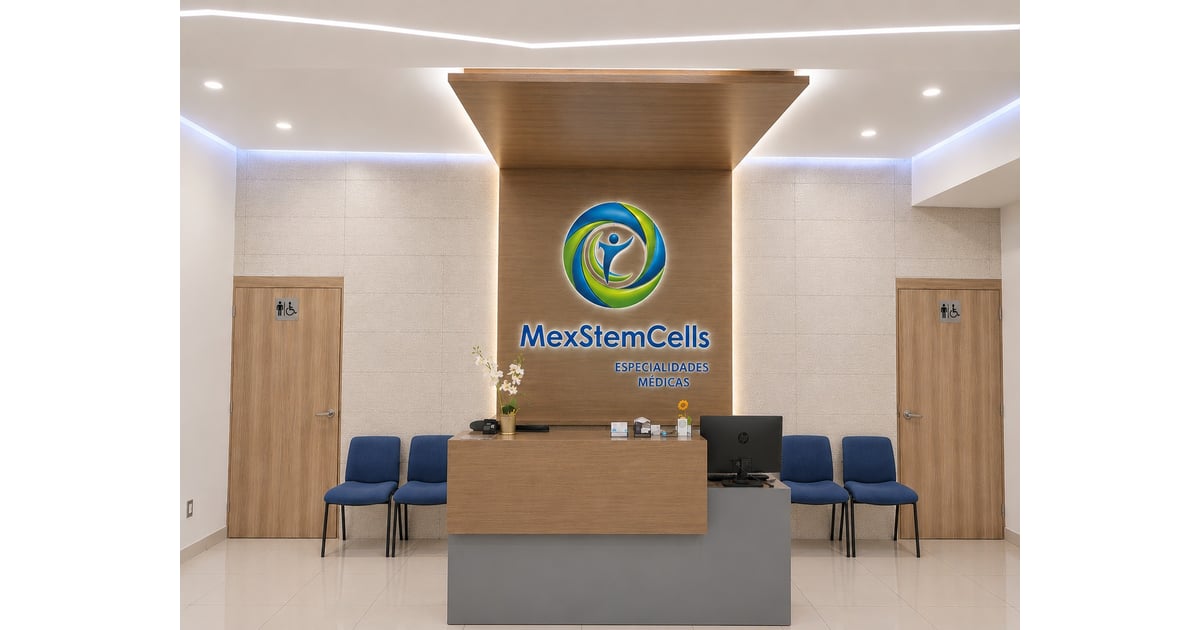
As I compared international options, I started using PlacidWay to look through provider information in a more organized way instead of moving between unrelated clinic websites. That was how I eventually came across MexStemCells Clinic in Mexico City. Finding a clinic didn't make the decision for me, but it finally gave me a specific program I could ask questions about.
The infection and the kidney problem needed different things
That distinction became important once the plan was laid out. The bacterial infection identified on the urine culture required antibiotic treatment, and antibiotics were included in my care for recovery from the bacteria. Separately, the complementary program included 200 million umbilical cord cells, 5 billion exosomes and an activator.
I was also given a follow-up diet plan to support the broader management of my kidney health. I liked having those parts separated clearly because I didn't want to confuse one treatment with another. The antibiotics were there because bacteria had been identified; the cellular and exosome program was an additional part of the overall care I chose to pursue.
Treating the Bacterial Infection
The urine culture identified E. coli, and antibiotics were provided as part of the treatment for the bacterial infection.
Supporting the Broader Kidney Care Plan
The complementary program included 200 million umbilical cord cells, 5 billion exosomes and an activator, together with a follow-up diet plan.
That may sound like a small distinction, but it mattered to me. I didn't want to come away believing that stem cells or exosomes had somehow replaced antibiotics or that one treatment could take care of every part of the problem. The active infection and the chronic kidney condition were related, but they were not the same thing.
The two words I wanted to see were “no growth”
The follow-up urine testing looked very different from where I had started. The urine was yellow and clear, blood was negative, leukocyte esterase and nitrites were negative, white blood cells were down to 0–3 per high-power field and no bacteria were seen. Protein, which had been 2+, was now only trace.
But the part I cared about most was the culture. Instead of another bacterial count and another E. coli result, it said there had been no growth after 48 hours. At that follow-up point, there was no evidence of an active bacterial urinary tract infection.
After dealing with recurrent infection, those two words meant more to me than I expected. I also understood what they did and didn't tell me: antibiotics had been part of my care for the bacteria, so I couldn't look at a clear culture and claim that the cellular or exosome treatment had cleared the infection. What the culture told me was simply that the active bacterial infection seen before was not detected at that follow-up.
"After seeing positive cultures become part of the routine, reading 'no growth' felt like finally getting a different answer."
My kidney function gave me another reason to feel encouraged
The blood work had changed too. Creatinine decreased from 2.18 to 1.64 mg/dL, BUN decreased from 42 to 28 mg/dL and eGFR increased from 38 to 52 mL/min/1.73 m². Taken together, those were more encouraging kidney-related values than the ones I had started with.
Hemoglobin also increased from 10.6 to 12.4 g/dL, which was encouraging given the mild anemia that had been part of my original kidney-disease picture. The change in urine protein from 2+ to trace mattered to me as well because persistent proteinuria had been one of the concerns before treatment.
What Changed at Follow-Up
Urine culture: E. coli 100,000 CFU/mL before treatment → no growth after 48 hours at follow-up.
Urine findings: Protein decreased from 2+ to trace, blood became negative, inflammatory markers improved and no bacteria were seen.
Kidney-related values: Creatinine 2.18 → 1.64 mg/dL, BUN 42 → 28 mg/dL and eGFR 38 → 52 mL/min/1.73 m².
Hemoglobin: 10.6 → 12.4 g/dL.
I don't think of “another UTI” the same way anymore
The follow-up gave me several things to feel encouraged about, but it didn't make me think chronic kidney disease had somehow vanished. My kidney function still needed to be monitored, and recurrent urinary or kidney infections were still something I had to take seriously. One clear culture could tell me what was happening at that point in time; it couldn't promise that an infection would never return.
I also couldn't take the changes in creatinine, BUN, eGFR, proteinuria and hemoglobin and say that one individual part of my care had caused all of them. My treatment period included antibiotics, the complementary cellular and exosome program, dietary support and ongoing care. The numbers describe what changed between two points in my case, not proof of which part produced each change.
What changed most for me was the way I thought about the cycle itself. I used to think the goal was simply to get past the latest infection and move on. Now I think much more about protecting my kidney health between infections too—and about paying attention before “another UTI” has the chance to become something bigger.
For me, “no growth” wasn't a promise that the problem could never come back. It was a welcome moment in a much longer job of looking after my kidneys.
Exploring Treatment Options for Chronic Kidney Disease?
Recurrent urinary or kidney infections require appropriate medical evaluation and treatment. If you are also considering complementary care abroad, discuss infection management, kidney function, medications, dietary needs and follow-up with qualified healthcare professionals.
Request InformationExplore provider and treatment information so you can compare options and ask informed questions before making a medical travel decision.












.png)
.png)

.png)










Share this listing