


Regenerative Medicine for COPD in St. Petersburg, Florida: A Comprehensive Guide
Living with Chronic Obstructive Pulmonary Disease can feel like a daily battle for breath. For years, patients have relied on traditional medications merely to manage their declining respiratory function. However, exploring regenerative medicine for COPD in St. Petersburg, Florida offers an unprecedented beacon of hope. This revolutionary approach moves beyond temporary symptom management by aiming to repair damaged lung tissue at the cellular level. Discover how cutting-edge stem cell therapies and modern scientific advancements are transforming the landscape of chronic respiratory health.
Video Chapters & Quick Navigation
The Rising Crisis of Chronic Obstructive Pulmonary Disease (COPD)
Chronic Obstructive Pulmonary Disease is an umbrella term that encompasses debilitating respiratory conditions, most notably emphysema and chronic bronchitis. These conditions are characterized by severe airflow limitation, making everyday activities like walking up stairs feel like climbing a mountain. The delicate air sacs in the lungs, known as alveoli, lose their elasticity and become severely damaged over time. This architectural destruction within the lungs traps air, preventing the body from efficiently absorbing oxygen and expelling carbon dioxide.
As the disease progresses, patients experience persistent coughing, excessive mucus production, and chronic wheezing that significantly diminishes their quality of life. The psychological toll is equally devastating, as patients often battle anxiety and depression due to their constant struggle for breath. Unfortunately, lung tissue has historically been viewed as incapable of significant self-repair once structural damage occurs. This prevailing medical belief is exactly why alternative treatments for chronic obstructive pulmonary disease are becoming the focal point of modern medical research.
The Pathophysiology of Lung Degradation
Understanding the cellular breakdown in COPD is crucial to realizing why advanced interventions are necessary. In healthy lungs, the airway walls are clear and the alveoli expand and contract effortlessly with each breath. However, chronic exposure to irritants triggers a relentless inflammatory response that breaks down the structural proteins supporting the lung matrix. This persistent state of inflammation is the primary driver of continuous pulmonary decline, creating a vicious cycle of damage and restricted airflow.
The Limitations of Conventional Respiratory Disease Management
For decades, the gold standard for treating COPD has relied heavily on pharmaceutical interventions such as bronchodilators and inhaled corticosteroids. While these medications are excellent at relaxing the muscles around the airways to provide temporary relief, they do not address the underlying cellular damage. Patients find themselves tethered to inhalers and nebulizers, treating the symptoms rather than halting the progression of the disease itself. Furthermore, prolonged use of high-dose steroids can lead to a host of unwanted side effects, including bone density loss and compromised immune function.
Supplemental oxygen therapy is another common intervention prescribed when blood oxygen levels drop dangerously low. Though life-saving, carrying an oxygen tank severely limits a patient's mobility and independence, fundamentally altering their daily lifestyle. The medical community has recognized that merely managing the decline is no longer acceptable for patients seeking a high quality of life. This glaring gap in long-term efficacy has paved the way for advanced pulmonary therapies in Florida, specifically focusing on cellular regeneration.
The Dawn of Regenerative Medicine for COPD in St. Petersburg, Florida
The medical landscape is shifting dramatically with the introduction of regenerative medicine for COPD in St. Petersburg, Florida. This innovative field of medicine utilizes the body's own healing mechanisms, amplified through advanced scientific protocols, to target diseased tissues. By introducing potent, young cellular material into the damaged respiratory system, physicians aim to trigger a profound healing response. St. Petersburg has rapidly emerged as a premier destination for these therapies, combining world-class clinical expertise with state-of-the-art laboratory facilities.
Regenerative therapies pivot away from the traditional model of suppression and symptom management. Instead, they focus on treating emphysema with regenerative medicine by encouraging the growth of new blood vessels and reducing chronic inflammation. This paradigm shift offers a lifeline to patients who have been told by conventional doctors that they have exhausted all available options. The clinics in Florida's Gulf Coast are setting global standards for protocol safety and patient outcomes in the realm of pulmonary cellular therapy.
Shifting the Treatment Paradigm
Traditional medicine asks how we can make the patient comfortable while their lungs deteriorate. Regenerative medicine asks how we can modify the microenvironment of the lungs to halt deterioration and promote healing. This proactive approach to restoring cellular function represents the most significant breakthrough in pulmonary care in the last fifty years.
Demystifying Stem Cell Therapy for Lung Disease
At the core of these advanced treatments is stem cell therapy for lung disease, utilizing highly specialized cells capable of remarkable medicinal feats. Mesenchymal stem cells (MSCs) are the primary biological agents used, favored for their powerful anti-inflammatory and immunomodulatory properties. When introduced into a patient's body, these intelligent cells seek out areas of inflammation and tissue damage through a process known as homing. Once they arrive at the damaged lung tissue, they begin releasing therapeutic proteins, growth factors, and cytokines to orchestrate the healing process.
It is crucial to understand that MSCs do not typically transform into new lung cells themselves. Instead, they act as microscopic project managers, signaling the patient's existing dormant stem cells to wake up and begin repairing the local tissue. This paracrine effect is particularly beneficial for clearing out the chronic, smoldering inflammation that characterizes chronic bronchitis and emphysema. By resetting the immune response within the lungs, patients often experience a significant reduction in mucus production and airway constriction.
The Role of Exosomes in Pulmonary Repair
In addition to whole cells, many clinics in St. Petersburg are now utilizing exosome therapy alongside traditional cellular protocols. Exosomes are tiny extracellular vesicles secreted by stem cells that contain concentrated doses of RNA, proteins, and growth factors. Because they are significantly smaller than whole cells, exosomes can easily penetrate deep into the most severely damaged microscopic areas of the lung matrix. This targeted delivery of healing signals hyper-accelerates the reduction of airway inflammation and promotes rapid cellular rejuvenation.
Targeted Delivery Methods: Maximizing Cellular Impact
The efficacy of lung tissue regeneration techniques relies heavily on how the therapeutic agents are introduced into the body. Top-tier clinics employ a dual-administration protocol to ensure maximum absorption and targeted delivery to the respiratory system. The first method is intravenous (IV) infusion, which introduces the cells into the bloodstream where they naturally circulate through the heart and straight into the pulmonary vascular bed. The lungs act as a massive filter, catching a high concentration of the infused cells exactly where they are needed most.
The second, highly innovative method is nebulization, which allows patients to inhale the cellular products directly into their airways. By breathing in an aerosolized mist of exosomes or cellular secretomes, the therapeutic agents make direct contact with the inflamed bronchial walls and damaged alveoli. This combination of systemic and direct topical application creates a synergistic healing environment that traditional oral or inhaled medications simply cannot replicate. Patients report that this painless, non-invasive approach is highly comfortable and seamlessly integrated into their treatment day.
| Treatment Feature | Traditional COPD Care | Regenerative Medicine |
|---|---|---|
| Primary Objective | Symptom management and airway dilation | Cellular repair and inflammation reversal |
| Treatment Frequency | Daily inhalers and lifelong medications | Targeted sessions with lasting biological effects |
| Side Effect Profile | Potential immune suppression, bone loss | Minimal to none; uses natural biological agents |
| Impact on Disease Progression | Does not halt lung tissue degradation | Aims to modulate and slow structural decline |
Why Patients Choose St. Petersburg for Advanced Pulmonary Therapies
Medical tourism within the United States is rapidly expanding, and St. Petersburg, Florida has positioned itself at the forefront of this movement. The city boasts a dense concentration of board-certified regenerative medicine specialists who dedicate their practices entirely to innovative cellular therapies. Patients traveling from out of state or internationally are drawn to the rigorous medical standards and FDA-compliant laboratory protocols observed by these leading clinics. Access to highly purified, ethically sourced umbilical cord tissue-derived mesenchymal stem cells is a primary draw for discerning patients.
Beyond the exceptional medical infrastructure, the environmental factors of the Florida Gulf Coast play a supportive role in respiratory recovery. The warm, humid, sea-level climate is incredibly gentle on compromised lungs, providing immediate environmental relief compared to cold, dry, or high-altitude locations. Many patients combine their regenerative medicine treatments with a restorative vacation, utilizing the coastal environment to practice deep breathing exercises in clean, ocean air. This holistic integration of advanced medicine and a healing environment creates an unparalleled recovery experience.
The Importance of Board-Certified Expertise
When seeking regenerative medicine for COPD, the credentials of the administering physicians are paramount. Top facilities in St. Petersburg are staffed by specialized medical doctors who undergo continuous training in cellular biology and advanced administration techniques. This ensures that every treatment protocol is individually customized based on a patient's specific pulmonary function tests and medical history.
Evaluating the Cost of Stem Cell Therapy for COPD
A critical consideration for any prospective patient is navigating the financial investment required for these advanced medical interventions. The cost of stem cell therapy for COPD varies depending on the severity of the disease, the specific cellular products utilized, and the duration of the treatment protocol. Because these treatments are considered cutting-edge and alternative, they are generally not covered by traditional health insurance or Medicare, requiring an out-of-pocket investment. However, patients often weigh this initial cost against the long-term expenses of frequent hospitalizations, daily medications, and the immeasurable value of regaining their independence.
Reputable clinics in St. Petersburg prioritize absolute financial transparency, providing comprehensive quotes during the initial consultation phase. These packages typically include all pre-therapy blood work, the cellular products, the administration procedures, and structured post-treatment follow-ups. Many medical centers also offer flexible financing options and partner with medical credit companies to make these life-changing therapies accessible to a broader demographic. When evaluating the financial aspect, patients frequently consider the potential return on investment in the form of restored vitality and a dramatically improved daily life.
Preparing Your Body for Regenerative Lung Treatments
Achieving the best possible outcomes from lung tissue regeneration techniques requires deliberate preparation on the part of the patient. In the weeks leading up to the procedure, doctors typically recommend an anti-inflammatory diet rich in antioxidants to prime the body's internal environment. Patients are advised to stay highly hydrated and, under medical supervision, may need to temporarily pause certain medications that could interfere with cellular function. Establishing a foundation of optimal nutrition ensures that the newly introduced stem cells have the robust resources they need to initiate tissue repair.
Additionally, mild pulmonary rehabilitation exercises prior to the treatment can help optimize baseline lung capacity and clear excess mucus. Clinics in Florida often provide detailed pre-arrival guidelines, ensuring that patients step into the treatment room in the best possible physiological state. This collaborative approach between physician and patient is a hallmark of high-quality regenerative care, emphasizing that cellular therapy is a partnership rather than a passive procedure. Taking these proactive steps significantly enhances the receptivity of the pulmonary microenvironment to the regenerative agents.
- Dietary Adjustments: Emphasizing omega-3 fatty acids, leafy greens, and eliminating refined sugars to lower systemic inflammation.
- Hydration Protocols: Increasing water intake to ensure cellular membranes are supple and responsive to new signaling proteins.
- Diagnostic Baseline: Completing up-to-date Pulmonary Function Tests (PFTs) to accurately track post-treatment improvements.
- Travel Arrangements: Planning a stress-free trip to St. Petersburg to maintain a relaxed nervous system prior to treatment.
Long-Term Management and Maximizing Respiratory Improvement
The journey toward better breathing does not end once the stem cell infusion is complete; rather, it marks the beginning of a biological rebuilding phase. The anti-inflammatory effects are often felt within the first few weeks, resulting in increased energy levels and a noticeable reduction in coughing fits. However, the actual structural repair of tissue and the formation of new capillary networks—a process known as angiogenesis—takes several months to fully manifest. Patients are encouraged to be patient and diligent, recognizing that true cellular healing operates on a timeline dictated by biology.
To sustain and amplify the results of regenerative medicine for COPD in St. Petersburg, Florida, patients must commit to long-term lifestyle modifications. Engaging in consistent, medically supervised pulmonary rehabilitation is essential for strengthening the diaphragm and improving oxygen utilization in the muscles. Furthermore, strictly avoiding environmental toxins, secondhand smoke, and chemical pollutants protects the newly regenerating lung tissue from secondary damage. By combining advanced cellular science with disciplined daily habits, patients can significantly extend the longevity of their treatment results and reclaim their active lives.
Monitoring Success Through Clinical Metrics
Success in regenerative lung therapy is measured both subjectively and objectively over the course of a year. Subjectively, patients track their ability to perform daily tasks without breathlessness, their reliance on supplemental oxygen, and their overall sleep quality. Objectively, clinics conduct follow-up spirometry tests and assess changes in Forced Expiratory Volume (FEV1) to scientifically validate the functional improvements within the lungs.
Ready to Breathe Easier and Reclaim Your Life?
Don't let COPD dictate your future. Discover how advanced regenerative medicine in St. Petersburg, Florida can target lung inflammation, repair tissue, and dramatically improve your quality of life. Take the first step toward respiratory freedom today.
REQUEST YOUR FREE CONSULTATION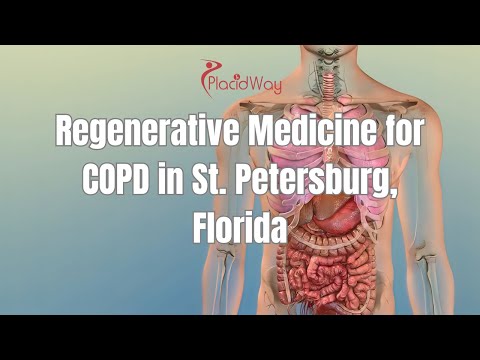






.png)
.png)
.png)








Share this listing