



Patient Profile
Name: Emily Williams
Age: 42
City, Country: Chicago, USA
Condition: Glomerulonephritis caused by Lupus (Lupus Nephritis)
Treatment: Umbilical Cord Stem Cells, Exosomes & Activators
Destination: Mexico City, Mexico
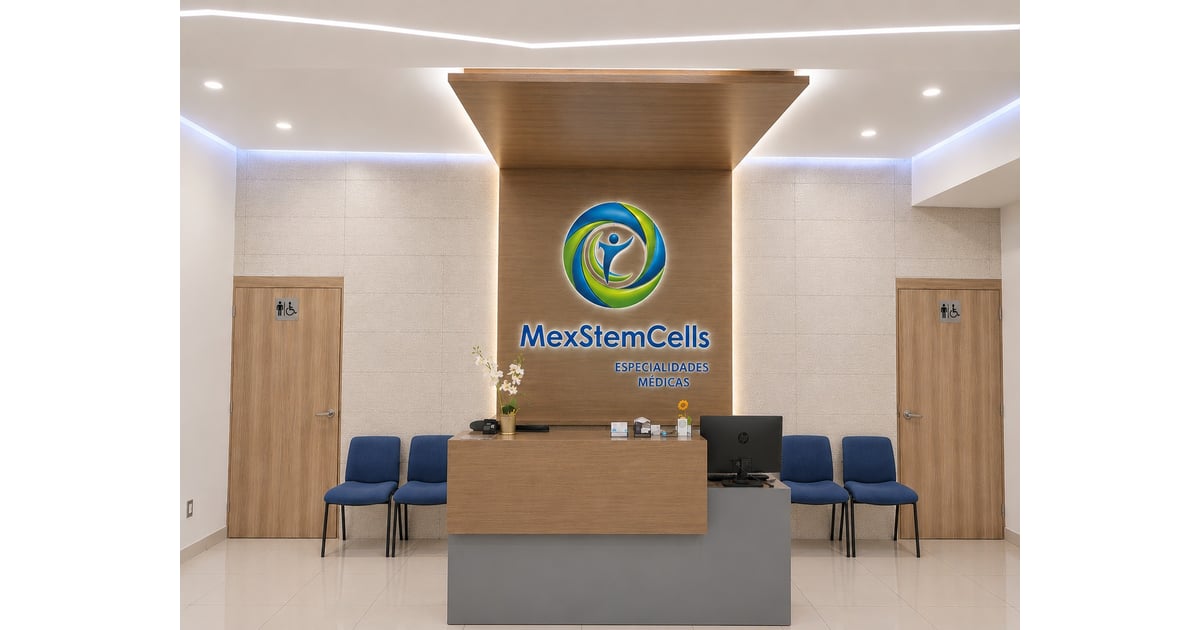
Provider: MexStemCells Clinic
Journey at a Glance
◉ Main symptoms: Swelling in the legs and ankles, fatigue, high blood pressure
◉ Initial kidney function: eGFR 18, creatinine 3.8 mg/dL, BUN 78 mg/dL
◉ Provider: MexStemCells Clinic, Mexico City
◉ Treatment: 200 million umbilical cord cells, 5 billion exosomes and activators
◉ Schedule: 5 IV sessions over 2 weeks
◉ Follow-up: Less swelling, BP 135/85, eGFR 30, creatinine 2.6 mg/dL
When the swelling started deciding what kind of day I would have
For months, the first thing I noticed every morning wasn't the weather or what I had planned for the day. It was my ankles.
Before I even got dressed, I would look down and try to guess whether my feet were going to fit into my sneakers. Some mornings they did. Other mornings the swelling in my legs and ankles was so uncomfortable that I gave up and wore loose slippers around the house instead.
It sounds like such a small thing compared with kidney disease, but not being able to wear normal shoes started changing how I lived. I thought twice about errands. I avoided unnecessary trips. Even standing for too long could feel exhausting.
I had already been living with lupus. The frightening part was realizing that it was now affecting my kidneys. My diagnosis was glomerulonephritis caused by lupus, also known as lupus nephritis.
My blood pressure had climbed to 158/95 mmHg. My creatinine was 3.8 mg/dL, BUN was 78 mg/dL and my eGFR had fallen to 18 mL/min/1.73 m². Potassium was 5.8 mmol/L. My urine test showed protein at 3+ and blood at 2+.
I wasn't thinking about complicated medical terminology anymore. I was thinking about whether my kidneys were going to keep getting worse and what my life would look like if they did.
Every new lab result started feeling personal
Before all of this, numbers like creatinine, BUN and eGFR meant very little to me. Suddenly I knew exactly what they were because I was checking them every time new blood work came back.
My albumin was 3.2 g/dL. Sodium was 136 mmol/L. Chloride was 101 mmol/L. Each result felt like another piece of information I had to learn how to read.
What frightened me wasn't one number by itself. It was the direction everything seemed to be moving. The swelling, blood pressure, fatigue and kidney results no longer felt like separate problems.
I was continuing to work with my doctors, but I also wanted to understand whether there were other approaches being explored. I wasn't looking for an excuse to walk away from my regular lupus or kidney care. I was looking for information because I was scared of what might happen next.
The nights when I couldn't sleep became research nights
Sleep was already difficult, so a lot of nights ended with me lying in bed and reading on my phone. I went from lupus forums to kidney-disease discussions to articles about regenerative medicine. Some of what I found was useful. Some of it was confusing. And some of it sounded far too certain for something as complicated as kidney disease.
One night, while reading through patient discussions about treatment abroad, I came across PlacidWay. Instead of jumping between random websites, I started using it to compare international treatment options and look through individual clinic profiles.
That was how I came across MexStemCells Clinic in Mexico City. I didn't read the profile and immediately decide I was going to Mexico. If anything, finding an actual clinic gave me more questions to ask.
I wanted to understand what they would use, how it would be given, how many sessions were involved and what the follow-up would look like. Most importantly, I wanted to understand what I could realistically expect rather than convince myself that anything was guaranteed.
The treatment plan I eventually considered involved 200 million umbilical cord cells, 5 billion exosomes and activators. It would be administered through five IV sessions over a two-week period, followed by a diet plan for the period after treatment.
What my treatment plan involved
Umbilical cord cells: 200 million
Exosomes: 5 billion
Additional treatment: Activators
Administration: Intravenous infusions
Schedule: 5 sessions over a 2-week period
Mexico City felt much more ordinary than I had imagined
By the time I arrived in Mexico City, I had spent so many hours reading about stem cells and exosomes that I had built the whole experience into something enormous in my head.
Then I actually started the treatment at MexStemCells, and most of it came down to something much simpler: sitting through IV sessions and waiting.
There was no moment during those five sessions when I suddenly felt my kidneys changing. I didn't expect there to be. I knew how I felt on a particular afternoon couldn't tell me what my eGFR, creatinine or urine protein were doing.
That was probably the hardest part emotionally. I had spent so much time trying to do something about my condition, and then I had to accept that the meaningful information would come later.
Once I was back home, I followed the diet plan I had been given and continued with medical follow-up.
The first change wasn't a number
At first, I paid attention to everything.
Were my legs less heavy? Was I less tired? Was my face less puffy? I probably analyzed every little difference more than I should have.
Then one morning I put on my regular shoes and started getting ready for the day.
A few seconds later, I stopped.
I hadn't checked my ankles first.
The swelling in my legs and ankles had reduced compared with where I had started. My blood pressure readings had also come down, eventually reaching around 135/85 mmHg.
It was such a normal moment. I put my shoes on without thinking about it. After months of planning my days around swollen feet, normal suddenly felt huge.
Then came the numbers I had been waiting for
The physical changes were encouraging, but I knew the laboratory results would give me a better picture of what was happening.
When the follow-up results became available, I compared them with the numbers I had been staring at for months.
My creatinine had changed from 3.8 mg/dL to 2.6 mg/dL. BUN had gone from 78 mg/dL to 58 mg/dL. Potassium had decreased from 5.8 mmol/L to 5.0 mmol/L.
The eGFR result that had previously been 18 mL/min/1.73 m² was now 30 mL/min/1.73 m².
The urine test had changed too. Protein had gone from 3+ to 1+, while blood had changed from 2+ to trace.
Emily’s Before-and-Follow-Up Results
| Measure | Before Treatment | Follow-Up |
|---|---|---|
| Blood Pressure | 158/95 mmHg | 135/85 mmHg |
| Creatinine | 3.8 mg/dL | 2.6 mg/dL |
| BUN | 78 mg/dL | 58 mg/dL |
| Sodium | 136 mmol/L | 135 mmol/L |
| Potassium | 5.8 mmol/L | 5.0 mmol/L |
| Chloride | 101 mmol/L | 101 mmol/L |
| eGFR | 18 mL/min/1.73 m² | 30 mL/min/1.73 m² |
| Albumin | 3.2 g/dL | 3.1 g/dL |
| Urine Protein | 3+ | 1+ |
| Urine Blood | 2+ | Trace |
These values show changes between earlier and follow-up testing. They should be interpreted by qualified medical professionals in the context of the patient's overall condition, medications, ongoing lupus treatment and other clinical factors.
Better numbers didn't mean everything was suddenly normal
Seeing several of the numbers move in a better direction gave me something I hadn't felt in a while: relief.
But I also understood that an eGFR of 30 still meant my kidney function was significantly reduced. I still had lupus nephritis. I still needed regular follow-up, blood work and medical care. One better set of results didn't mean the disease had disappeared.
I also knew there wasn't a simple way to look at one treatment and say it was responsible for every change. Lupus nephritis can fluctuate, and kidney function can be influenced by medications, blood pressure control, diet, disease activity, hydration and other parts of medical care.
So I didn't see the follow-up results as proof that everything had been fixed. I saw them as encouraging information in a much longer medical journey.
I still have lupus. I still have kidney disease. But being able to put on my shoes, see less swelling and open a lab report that wasn't moving in the wrong direction felt like getting a little bit of normal life back.
What I would tell someone searching the way I did
Living with lupus nephritis has taught me that one better set of results doesn't erase the condition or tell me what the next year will look like. I still need regular blood work, follow-up and the doctors who understand my kidney and autoimmune health.
What changed for me was that, for the first time in a while, I wasn't looking at every new result with the same sense of dread. The swelling had reduced, several of my kidney-related numbers had moved in a more encouraging direction, and I could put on my normal shoes again without thinking about my ankles first.
I don't know what someone else's experience with the same treatment would be. I only know what this period of my own care looked like. I still have lupus. I still have kidney disease. But having a little more normality back in my day has given me something I had been missing for a long time — room to think about life beyond the next lab report.
Stem cell and exosome therapies are still being studied and should not be viewed as replacements for established lupus nephritis care. My experience is one person's story, not a promise of what another patient will experience.
If someone else were researching the same path, I would tell them to ask questions, understand exactly what is being offered, stay connected with the doctors managing their lupus and kidney disease, and never confuse hope with a guarantee.
Considering Regenerative Care for Lupus Nephritis?
If you are researching treatment abroad, take time to compare providers, understand the proposed protocol and discuss your options with the medical team managing your condition.
Request InformationCompare globally accredited medical centers to find a treatment plan that fits your specific needs.












.png)
.png)
.png)











Share this listing