


Patient Profiles
◉ Michael: 58, from California, living with type 2 diabetes
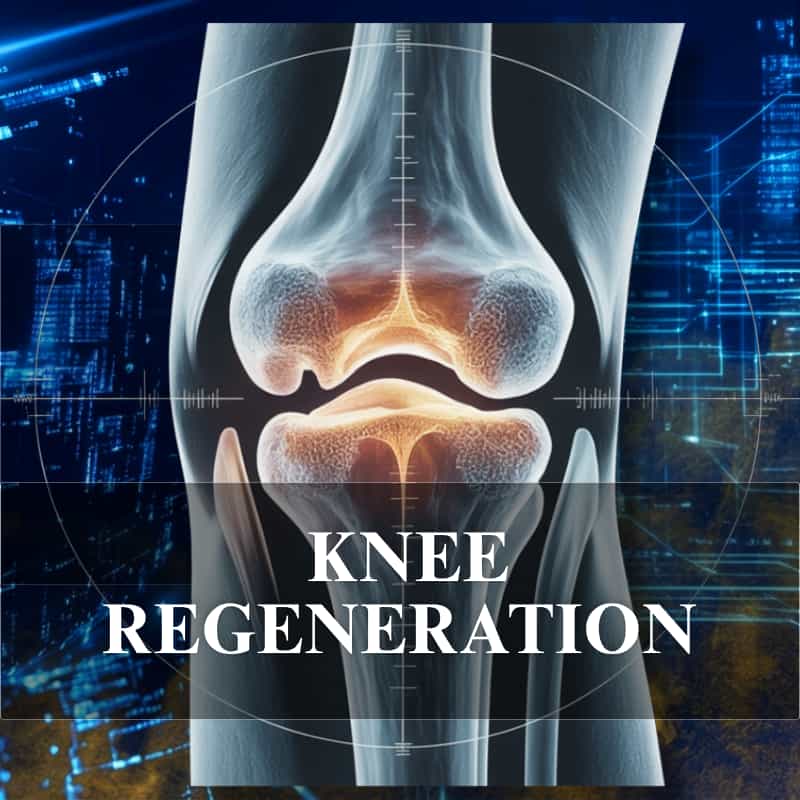
◉ Lina: 52, from the Philippines, experiencing knee pain and osteoarthritis
◉ Kenji: 61, from Singapore, exploring longevity and healthy aging
◉ Daniel: 56, an American executive dealing with erectile dysfunction
◉ Treatment Interest: Regenerative medicine and stem cell therapy in Japan
◉ Persona: Fictional composite characters, not actual PlacidWay patients
Journey at a Glance
◉ Research: Each person investigates the exact treatment, cell type, evidence, risks, and regulatory pathway.
◉ Questions: They ask what outcomes are realistic and whether the proposed treatment is appropriate for their condition.
◉ Travel: They consider consultations, treatment logistics, follow-up care, and the possibility of returning to Japan.
◉ Next Step: Consult qualified medical professionals and make an informed decision based on evidence, regulation, risks, and individual circumstances.
Why Some Patients From the United States and Southeast Asia Are Looking to Japan for Regenerative Medicine
From diabetes and joint pain to longevity and erectile dysfunction, international patients are increasingly researching regenerative medicine in Japan. But understanding what is scientifically established, what remains investigational, and what is simply marketing is essential before considering treatment.
Nobody books a flight to Tokyo because they woke up wanting to become a medical tourist.
Usually, something has been bothering them for much longer.
A glucose reading that still controls too much of the day.
A knee that determines whether they take the stairs.
A body that does not recover the way it used to.
A private problem with sexual function that has become difficult to discuss even with a partner.
Or simply the uncomfortable feeling that getting older has started happening faster than expected.
They have seen doctors.
Taken medications.
Changed diets.
Tried physiotherapy.
Had injections.
Read about surgery.
Bought supplements.
Changed routines.
Sometimes these things have helped considerably.
Sometimes they have not helped enough.
And then, late one evening, another phrase appears on the screen:
Regenerative Medicine in Japan.
Stem cells.
Mesenchymal stromal cells.
iPS cells.
Cell therapy.
Joint regeneration.
Diabetes research.
Longevity medicine.
Regenerative approaches for erectile dysfunction.
Japan seems to appear again and again.
And that raises a very human question:
"Is there something happening there that I should know about?"
That question deserves something better than either a clinic promising rejuvenation or somebody dismissing the entire field in one sentence.
Because Japan really is important in regenerative-medicine research.
But that does not mean every treatment marketed in Japan has been proven to work.
Understanding that difference may be the most important part of the journey.
Four People, Four Different Problems, One Word: Regeneration
The people in this article are fictional composites, not actual PlacidWay patients. They represent situations international patients may recognize when researching regenerative medicine.
Michael: Living With Type 2 Diabetes
There is Michael, 58, from California.
He has type 2 diabetes.
His numbers are better than they were five years ago. He takes his medication. He understands his diet. He sees his doctor.
But diabetes is always there.
Every meal has a calculation attached to it.
Every annual appointment carries another question about kidneys, eyes, circulation and cardiovascular risk.
Michael is not refusing conventional medicine.
He simply wonders:
"Will managing this be the rest of my life, or is research getting closer to something different?"
Lina: Struggling With Knee Pain
Then there is Lina, 52, from the Philippines.
Her problem is her knee.
She used to think nothing of walking through an airport.
Now she notices every escalator.
She knows which shopping centre has the shortest route from the car park.
She has tried medication.
Exercise.
Physical therapy.
An injection.
Some days are manageable.
Other days she catches herself looking at a staircase and deciding whatever is upstairs probably is not important enough.
She keeps seeing advertisements for stem cells that "regenerate cartilage."
What she really wants to know is much simpler:
"Could anything help me keep my own knee longer?"
Kenji: Looking Beyond Conventional Anti-Aging
Kenji, 61, lives in Singapore.
He does not describe himself as sick.
That is partly why his search feels different.
His father developed cardiovascular disease relatively young.
Friends his age have started comparing blood pressure medication and cholesterol results instead of holidays and cars.
Kenji exercises.
He does not smoke.
He wants to remain active well into his seventies.
Then he discovers clinics discussing longevity, anti-aging medicine and regenerative cell therapies.
The language is seductive:
-
Rejuvenation.
-
Cellular renewal.
-
Biological age.
He catches himself thinking:
"If medicine can repair damaged tissue, could it also slow what aging is doing to me?"
Daniel: Searching for Options for Erectile Dysfunction
And there is Daniel, 56, an American executive.
His problem is one he has barely discussed with anyone.
Erectile dysfunction.
He jokes about getting older with friends.
But privately, it does not feel funny.
It has changed intimacy with his wife.
Sometimes he avoids starting anything because he is worried about what will happen next.
The medical options he has tried have helped, but not always in the way he hoped.
Then Daniel finds information about experimental regenerative approaches intended to influence vascular or tissue function.
He does not tell his wife immediately.
First he reads.
Then he reads some more.
Finally he wonders:
"Is this legitimate research, or am I exactly the kind of person somebody can easily sell hope to?"
That may be the right question for all four of them.
Why Does Japan Keep Appearing in These Searches?
Part of the answer is scientific history.
Japan is deeply associated with induced pluripotent stem cell, or iPS cell, research. Kyoto University's Center for iPS Cell Research and Application, known as CiRA, remains a major research institution focused on using iPS-cell technology in regenerative medicine, disease modelling and drug discovery.
Japan also has a specific regulatory framework for regenerative medicine and regenerative medical products.
PMDA, the Pharmaceuticals and Medical Devices Agency, maintains an official list of regenerative medical products approved in Japan. Current examples include cellular and gene therapies used for specific indications ranging from hematological diseases to spinal-cord injury and other narrowly defined medical conditions.
Japan also operates a conditional and time-limited approval pathway for certain regenerative medical products.
At the same time, Japan's regulatory system separately addresses the provision of regenerative medical practices through the Act on the Safety of Regenerative Medicine. Japan's official jRCT system includes research and regenerative-medicine provision plans submitted under the applicable legislation.
That creates one of the most important lessons for an international patient.
Available in Japan Does Not Mean PMDA-Approved for Your Condition
A clinic may operate within Japan's regenerative-medicine framework without the treatment being an approved commercial regenerative medical product for the condition you have.
Registration or regulatory submission should not automatically be interpreted as proof that the treatment works.
Those are different questions.
The Three Questions Every Patient Should Separate
Before Michael, Lina, Kenji or Daniel asks about price, they need three answers.
1. What Exactly Is the Treatment?
"Stem cell therapy" is far too vague.
Ask:
-
What cells?
-
Where do they come from?
-
Are they from me or a donor?
-
How are they collected?
-
How are they processed?
-
Are they expanded in culture?
-
What dose is used?
-
How are they administered?
-
How many treatments are required?
-
What biological mechanism is being proposed?
A treatment involving autologous adipose-derived cells is not automatically comparable to one involving bone-marrow-derived cells.
Neither is automatically comparable to umbilical-cord-derived cells.
And none of those should be casually confused with iPS-cell-derived therapies.
2. What Is Its Regulatory Status?
Ask specifically:
"Is this an approved regenerative medical product for my indication, an investigational treatment, or regenerative medicine being provided under another Japanese regulatory pathway?"
PMDA publishes information about products approved for marketing in Japan, while jRCT provides a system for checking registered clinical research and regenerative-medicine plans.
Those databases answer different questions.
3. What Evidence Supports Using It for My Condition?
This is where the discussion becomes very different for diabetes, knees, longevity and erectile dysfunction.
There is no single evidence level called:
"Stem cells."
Michael's Question: Could Regenerative Medicine Change Diabetes Rather Than Simply Manage It?
This may be one of the most fascinating areas of regenerative-medicine research.
Scientists are investigating several different strategies.
One approach involves mesenchymal stromal/stem cells and their possible effects on inflammation, insulin sensitivity and metabolic function.
Another, and scientifically very different, approach involves producing insulin-secreting pancreatic cells from pluripotent stem cells with the eventual goal of restoring biological insulin production.
Recent research has produced genuine reasons for scientific interest.
A 2025 systematic review and meta-analysis of randomized trials evaluating mesenchymal stem-cell-based therapies in type 1 and type 2 diabetes found signals of metabolic benefit, although the studies varied considerably in cell source, protocols and patient populations.
Other recent reviews similarly describe encouraging results while emphasizing the need for larger, standardized trials and longer follow-up.
Stem-cell-derived pancreatic islet therapy is another rapidly evolving research area. Recent literature describes early clinical experience with pluripotent-stem-cell-derived islet transplantation, including emerging human results that are scientifically important but still very different from saying there is now a routine stem-cell cure for diabetes.
Japan's own iPS-cell research ecosystem continues investigating pancreatic-cell development and methods intended to make future cell transplantation safer.
That excites Michael.
But it also teaches him something:
Research Happening in Japan Does Not Automatically Validate Every Commercial Stem Cell Treatment
The scientific work involving stem-cell-derived insulin-producing cells may be completely different from an intravenous infusion of mesenchymal cells marketed commercially.
Michael therefore changes his question.
Not:
"Does Japan offer stem cells for diabetes?"
But:
"Which cell therapy are you offering me, and what clinical evidence exists for that exact intervention in people with my type of diabetes?"
That is a much better question.
Michael Should Never Abandon What Is Already Protecting Him
This is particularly important with a chronic disease.
Someone pursuing experimental regenerative treatment should not independently discontinue established diabetes medications, insulin, glucose monitoring or specialist follow-up because a clinic promises that cell therapy will replace them.
For an American patient, the contrast with U.S. regulation is also useful context. FDA continues to warn consumers about unapproved human cell and tissue products and has reported serious safety concerns involving such products.
Michael is not looking for permission to stop managing his diabetes.
He is trying to understand whether emerging science may eventually add something meaningful to that management.
Those are very different intentions.
Lina's Question: Can Stem Cells Actually Regenerate My Knee?
The word regeneration does a lot of work in advertisements.
It creates an image in Lina's mind:
Damaged cartilage goes in.
New cartilage grows.
The knee becomes younger.
Unfortunately, current evidence is much less straightforward.
Research on mesenchymal stem/stromal cell injections for knee osteoarthritis has produced mixed results.
A 2025 evidence review found that stem-cell injections may slightly improve pain and function compared with placebo over approximately six months, but uncertainty remains.
A 2024 meta-analysis focusing on randomized evidence reached an even more cautious conclusion, finding that MSC injections probably provide little to no improvement in pain or physical function for chronic knee osteoarthritis.
Other meta-analyses report more positive findings.
That disagreement is important.
It tells Lina:
This is an evolving field, not a settled treatment outcome.
And perhaps more importantly:
Pain Improvement Is Not the Same as Growing a New Knee
Even when studies report symptomatic improvement, that does not necessarily demonstrate clinically meaningful restoration of lost cartilage.
So Lina changes the way she talks to clinics.
Instead of:
"Will this regenerate my cartilage?"
she asks:
"What outcome are you actually expecting: pain reduction, improved function, structural cartilage change, or delaying surgery?"
Then:
"Which of those outcomes has been demonstrated in controlled trials using the treatment you are proposing?"
Now marketing language has to become measurable.
What If Lina Is Already Close to Needing a Knee Replacement?
That creates another important question.
An experimental injection should not become a reason to indefinitely postpone established care if her arthritis is advanced and surgery is otherwise appropriate.
A credible regenerative-medicine physician should be able to say:
"Your joint may be too damaged for this approach to make sense."
That sentence may be more reassuring than a clinic promising everyone is a candidate.
Because good medicine includes knowing when not to treat.
Kenji's Question May Be the Hardest: Can Stem Cells Slow Aging?
Few ideas are more emotionally powerful.
You are not treating one knee.
One organ.
One disease.
You are treating aging itself.
That idea is easy to sell because almost everyone understands the fear behind it.
Kenji is not really frightened of wrinkles.
He is frightened of becoming less capable.
He wants to keep travelling.
Thinking clearly.
Working because he chooses to.
Walking without assistance.
Playing with future grandchildren.
Remaining independent.
So when a clinic uses phrases such as:
-
Cellular rejuvenation
-
Anti-aging stem cells
-
Systemic regeneration
-
Biological-age reversal
he does not hear advertising.
He hears:
"Maybe I can buy more healthy years."
That is precisely where the evidence needs to be handled most carefully.
Longevity Science Is Real. That Does Not Make Every Longevity Treatment Proven.
Scientists are actively studying the biological mechanisms of aging, including cellular senescence, mitochondrial dysfunction, genomic instability and other processes associated with declining function over time.
Geroscience and longevity biotechnology are legitimate fields of research.
Stem cells and regenerative technologies are part of that research landscape.
In 2025, researchers reported that genetically modified human mesenchymal progenitor cells influenced aging-related outcomes in nonhuman primates.
That is scientifically interesting.
But notice the important words:
genetically modified
and
nonhuman primates.
That is not the same intervention as a commercial intravenous stem-cell infusion offered to a healthy 60-year-old.
The distance between promising laboratory or animal science and proven human longevity treatment can be enormous.
The FDA has also taken action involving companies marketing cell products with anti-aging claims, illustrating how regenerative terminology can move into commercial marketing before efficacy for those claims is established.
So Kenji asks the clinic:
"When you say anti-aging, what clinical outcome are you promising to measure?"
Lifespan?
Frailty?
Muscle strength?
Inflammation?
Metabolic markers?
Skin appearance?
Energy?
A laboratory biomarker?
Because these are not interchangeable.
A treatment that changes a laboratory value has not necessarily made someone live longer.
And a treatment that makes skin look younger has not demonstrated that it slowed biological aging throughout the body.
Maybe the Most Useful Longevity Consultation Does Not End With Stem Cells
Suppose Kenji arrives in Tokyo expecting an infusion.
Then the physician evaluates him.
Blood pressure.
Body composition.
Glucose.
Cardiovascular risk.
Sleep.
Exercise.
Nutrition.
Family history.
Medication.
Cancer screening.
And perhaps concludes:
"The most important thing we can do for your future health has nothing to do with stem cells."
Kenji might initially feel disappointed.
But that could be an excellent medical consultation.
The goal of longevity medicine should not be to make an expensive intervention inevitable.
It should be to help someone remain healthier for longer.
Sometimes those are very different things.
Daniel's Question: What About Regenerative Medicine for Erectile Dysfunction?
Some medical problems affect daily function.
Others affect identity.
ED can do both.
Daniel knows the clinical language.
He understands that erectile function is influenced by blood vessels, nerves, hormones, medication, metabolic health and psychological factors.
But knowing that does not make the bedroom conversation easier.
He sees early research involving cell-based approaches intended to influence vascular repair or tissue function.
Could this offer something different?
Possibly someday.
But again:
potential is not proof.
A 2024 systematic review of cell therapy for male sexual dysfunction described preliminary findings as potentially encouraging but emphasized the early nature of the evidence and the need for stronger clinical research.
A 2025 systematic review and meta-analysis likewise reflects continuing investigation rather than an established standard treatment.
That means Daniel should be especially cautious about clinics presenting stem-cell treatment for ED as routine, reliably restorative care.
His first question should actually be:
"Why do I have erectile dysfunction?"
If cardiovascular disease, diabetes, hormonal problems, medication effects, neurological conditions or another issue is contributing, simply injecting cells without adequately investigating the cause may miss the most important part of his health.
And because ED can be emotionally sensitive, Daniel should be particularly wary of marketing that exploits embarrassment.
The phrase:
"Restore your masculinity naturally"
is not clinical evidence.
Four Conditions Reveal the Same Lesson
Michael wants better diabetes control.
Lina wants to walk without planning every step.
Kenji wants more healthy years.
Daniel wants intimacy to stop feeling like a test.
Their motivations are completely different.
But the safest regenerative-medicine question is almost identical:
What Exactly Are You Proposing to Do to My Body, and What Evidence Justifies Doing It?
Japan's Reputation Can Create a Dangerous Shortcut in Our Thinking
Japan evokes things people associate with precision.
Technology.
Research.
Safety.
Longevity.
Advanced engineering.
Those associations can influence medical decision-making.
A patient can unconsciously think:
"If this is being offered in Japan, surely it must be scientifically approved."
That assumption should be challenged.
Japan genuinely does have major scientific expertise in regenerative medicine. PMDA actively regulates approved regenerative medical products, and Japan has a distinctive legal framework governing regenerative-medicine provision and research.
But national scientific reputation is not evidence for an individual clinic's treatment claim.
Kyoto University's iPS-cell research does not automatically validate an unrelated clinic's MSC infusion.
An MHLW-related submission does not automatically mean a therapy has proven efficacy.
And the words:
"performed legally in Japan"
do not necessarily mean:
"proven to treat your condition."
Those distinctions should be written down before anyone travels.
The Japan Regenerative Medicine Test
Before booking, ask the clinic to provide five things in writing.
1. The Exact Treatment Name
Not:
Stem cell therapy.
Ask for the specific cell type and protocol.
2. The Regulatory Pathway
Ask:
"Under which Japanese regulatory framework are you providing this treatment?"
Then independently check the information through Japanese regulatory resources when possible.
PMDA provides information on approved regenerative medical products, while jRCT contains clinical research and regenerative-medicine plan information.
3. The Evidence for Your Exact Indication
Ask for published human studies involving:
-
The same cell type
-
Similar processing
-
Similar route of administration
-
Comparable dose
-
Comparable disease
-
Similar patients
A study about spinal-cord injury does not prove benefit for diabetes.
A study using iPS-derived pancreatic cells does not prove the effectiveness of an MSC infusion.
A knee study cannot be repurposed as evidence for anti-aging.
4. The Outcome the Clinic Expects
Ask for measurable expectations.
For diabetes:
HbA1c?
Insulin requirement?
C-peptide? For how long?
For knee osteoarthritis:
Pain?
Walking?
Function?
MRI cartilage?
Delay of surgery?
For ED:
Validated erectile-function scores?
Medication dependence?
Duration?
For longevity:
What exactly counts as success?
If nobody can define the outcome, nobody can meaningfully tell you whether the treatment worked.
5. What Would Make the Doctor Say No?
Ask:
"What finding would make you decide that I should not receive this treatment?"
If the answer is effectively:
"Everyone can benefit,"
be cautious.
Ask About the Cells as if They Were a Medication
Patients often ask far more questions about a tablet than about millions of living cells being placed into their body.
Reverse that.
Ask:
-
Where did the cells come from?
-
Were they taken from me or a donor?
-
If donor-derived, how was the donor screened?
-
Where were the cells processed?
-
How were they tested for contamination?
-
How many cells will I receive?
-
Are they viable when administered?
-
Are they expanded?
-
What quality-control testing occurs before release?
-
What happens if a batch fails testing?
-
How are adverse events recorded?
-
What emergency support is available during administration?
- Will I receive documentation describing exactly what was administered?
Living biological products should not become less specific simply because the science sounds futuristic.
What Could Go Wrong?
Patients deserve this conversation before discussing hotels.
Cell-based interventions can involve risks related to infection, immune or inflammatory reactions, contamination, inappropriate cell behaviour and other complications depending on the product and route of administration.
This does not mean every regenerative treatment is inherently unsafe.
It means:
The words "your own cells," "natural," or "regenerative" do not eliminate risk.
Then Comes the Travel Question: Why Fly to Japan?
For an American such as Michael or Daniel, Japan is a major international journey.
For Lina or Kenji coming from Southeast Asia, the geography may feel more familiar.
But every one of them has to think beyond the treatment room.
Japan's Ministry of Foreign Affairs maintains a specific Visa for Medical Stay route for foreign patients seeking treatment, medical examinations and related medical services. Where applicable, accompanying persons can also be covered, and multiple-entry arrangements may be possible when repeated medical visits are medically necessary.
Visa requirements depend on nationality and individual circumstances.
But paperwork is not the hardest travel question.
The harder question is:
What Happens After Treatment?
The Tokyo You Experience May Not Be the Tokyo in a Travel Magazine
Imagine Lina has a knee injection.
She has waited years to visit Japan.
There are temples she wants to see.
Neighbourhoods she has watched in travel videos.
Food she has saved on social media.
But if her knee is swollen the next morning, the only part of Tokyo that matters is:
-
The distance from her hotel bed to the bathroom.
-
The stairs at the station.
-
Whether the hotel has a lift.
-
How far she needs to walk to the clinic.
-
Whether she can easily get a taxi.
-
Whether the doctor wants her resting, walking gently or doing rehabilitation.
Medical travel changes a destination.
For Kenji, who undergoes an outpatient evaluation, Tokyo may genuinely include restaurants and museums.
For Michael, treatment may mean repeated laboratory visits.
For Daniel, discretion and privacy may matter more than sightseeing.
Same city.
Different medical journey.
Do Not Build the Trip Around the Procedure Date
Build it around the care pathway.
Before Treatment
Will the clinic review medical records remotely? Which records need translation? Which medications should continue? Are pre-treatment blood tests required? Could the in-person examination result in treatment being cancelled?
Treatment Day
How long will the procedure take? Is anaesthesia involved? Can someone accompany you? Will you be able to travel alone afterward? What symptoms require immediate attention?
The First 72 Hours
Where will you stay? How far are you from the treating facility? Who answers calls after hours? What if you develop fever, severe pain or another unexpected symptom?
Before Flying Home
Does the physician need to review you again? Are additional blood tests required? Are there mobility restrictions? Could the treatment affect clotting or travel risk? What documents should you take home?
Back Home
Who monitors you? Will the Japanese clinic communicate with your physician? How will outcomes be measured? What happens if the promised improvement does not occur? Who manages a delayed complication?
For Some Patients, One Trip May Not Be Enough
This matters particularly when clinics propose:
-
Multiple cell administrations
-
Staged procedures
-
Repeat imaging
-
Laboratory monitoring
-
Rehabilitation
-
Long-term follow-up
Japan's medical-stay visa framework itself recognizes that certain patients may require repeated medical visits.
Before paying for treatment, ask:
"How many times might I realistically have to come back to Japan?"
Then calculate the journey again.
Flights. Hotels. Time away from work. A companion. Local transportation. Repeat testing. Possible treatment changes.
The price on a clinic webpage may represent one procedure. It does not necessarily represent the cost of the entire care journey.
And What Should a Companion Know?
Suppose Michael's wife travels from California with him.
She is not merely sightseeing while he has treatment. She may become the person who:
-
Carries his medication list.
-
Remembers what the physician said.
-
Helps communicate if Michael feels unwell.
-
Stores the clinic's emergency number.
-
Checks his glucose after travel disrupts his routine.
-
Notices that he is not acting like himself.
For Daniel, a partner may also be part of conversations about treatment goals and expectations.
For Lina, a companion may matter if walking is difficult after a procedure.
Medical-travel planning should therefore ask:
"Who is travelling with the patient, and what does that person need to know?"
The caregiver should never be an afterthought.
What Would Michael, Lina, Kenji and Daniel Ask Now?
Their original questions were:
"Can stem cells treat diabetes?"
"Can stem cells regrow my knee?"
"Can stem cells make me younger?"
"Can stem cells fix ED?"
After researching Japan properly, their questions become:
1. What exact cells are you proposing?
2. Why are they appropriate for my condition?
3. Is this treatment PMDA-approved for this indication?
4. If not, under what pathway is it being offered?
5. Can I independently find the relevant registration or provision plan?
6. What published human trials support this exact protocol?
7. Were those trials randomized and controlled?
8. What outcome should realistically change?
9. How much change would be clinically meaningful?
10. What percentage of your patients do not improve?
11. What adverse events have you seen?
12. What happens if I become ill after returning home?
13. Will you communicate with my physician at home?
14. Will I receive complete cell-processing and medical documentation?
15. What established treatments should I consider instead?
16. What would make you tell me not to proceed?
Those are not skeptical questions. They are empowered patient questions.
Maybe You Fly to Japan and Do Not Receive Stem Cells
This possibility should be celebrated, not hidden.
Imagine Lina travels for a consultation and the orthopaedic physician says:
"Your knee is too advanced. I do not think this injection is likely to give you what you want."
Or Michael is told:
"Continue your diabetes management. The treatment you are asking about is not appropriate for you."
Or Daniel discovers a medical contributor to his ED that has a much more established treatment.
Or Kenji's longevity evaluation concludes that improving sleep, cardiovascular risk and metabolic health matters far more than a cellular infusion.
Would the trip have failed?
Not necessarily.
Sometimes the most valuable second opinion is the one that stops you from buying the treatment you thought you wanted.
This Is Where Japan Becomes More Interesting Than "Stem Cell Tourism"
The most compelling story is not: Japan offers advanced stem cells.
That is too simple.
The more interesting story is that Japan sits at the intersection of:
-
Serious regenerative-medicine science,
-
iPS-cell research,
-
Approved cellular products,
-
Clinical investigation,
-
and private regenerative medical services operating under a regulatory structure that international patients need to understand carefully.
That complexity is not a weakness. It is the reason patients need better information.
Michael Is Not Trying to "Cure" Himself Anymore
By the end of his research, Michael's goal has changed.
He is not searching: "Stem cell cure diabetes Japan."
He is asking:
"Is there a scientifically credible regenerative approach appropriate for my specific diabetes, and what would I need to see before considering it?"
That is progress.
Lina Is Not Asking Whether Her Knee Can Become Twenty Years Younger
She wants to know:
"Can I reduce pain, preserve function and delay more invasive treatment, and is there enough evidence to justify the cost and risk?"
That is a much more useful goal.
Kenji Is Not Trying to Buy Immortality
He realizes longevity is not about reaching an impossible age.
What he wants is: To carry his own luggage. Walk through Tokyo at 75. Remember people's names. Eat dinner with friends. Remain independent. And have years that still feel like his.
If regenerative science eventually contributes to that, he wants to understand it.
But he does not need the word stem cell attached to every health decision.
Daniel Does Not Want a "Male Rejuvenation Package"
He wants intimacy with his wife to feel natural again.
And he wants a physician who is comfortable saying:
"Before we discuss an experimental procedure, let's understand what is causing this."
That sentence carries more hope than any promise.
If Regenerative Medicine Has Brought You to Japan, Do Not Begin by Choosing a Clinic
Begin with yourself.
What exactly are you trying to change?
Not your diagnosis. Your life.
Maybe it is:
-
"I do not want every meal controlled by diabetes."
-
"I want to walk upstairs without thinking about my knee."
-
"I want to stay capable as I get older."
-
"I want intimacy to stop feeling stressful."
Write that down.
Then ask what established treatments exist. Then investigate the regenerative option. Then investigate the evidence. Then the regulation. Then the doctor. Then the clinic. Then Japan.
That order matters.
Hope and Proof Can Exist in the Same Conversation
Regenerative medicine is exciting precisely because researchers are attempting things that once sounded impossible.
Human cells can be reprogrammed. New tissues can be engineered. Cellular therapies already have legitimate approved medical uses. Stem-cell-derived insulin-producing cells are moving through clinical research. Scientists continue investigating ways to repair damaged tissue and understand biological aging.
There is genuine reason for curiosity. But curiosity does not require certainty.
You can say "This science is exciting" and "This treatment has not been proven for me yet" at the same time.
You can travel to Japan to investigate an option without deciding beforehand that you must receive it. You can listen to someone else's positive experience without assuming yours will be the same. You can be hopeful enough to look and cautious enough to walk away.
PlacidWay — Your Way to Hope
For people exploring regenerative medicine, hope should never mean: "Someone promised me stem cells will fix this."
Hope can mean something much more useful. It can mean:
-
I discovered another area of medicine worth understanding.
-
I learned which parts are established and which are still experimental.
-
I found questions I did not know I needed to ask.
-
I understood the difference between research, regulation and marketing.
-
I spoke with another specialist.
-
I included my family in the decision.
-
I learned that Japan may offer something worth exploring, or that another path makes more sense for me.
Because the purpose of medical travel should not be to convince every patient to cross a border. It should be to help people understand whether another informed path exists beyond it.
PlacidWay — Your Way to Hope.
Because sometimes hope is not being promised a different future. Sometimes it is finally understanding your options well enough to decide what comes next.
Explore Stem Cell Therapy in Japan With PlacidWay
If you are researching Stem Cell Therapy in Japan, the most important first step is understanding which treatment may be appropriate for your condition, what evidence supports it, what regulatory pathway applies, and what follow-up care may be required. PlacidWay can help international patients explore medical tourism options, compare treatment information, and connect with healthcare providers so they can approach the decision with clearer expectations and better questions.
Important Medical Disclaimer: This article is for educational and medical-travel research purposes and does not recommend stem cell therapy, regenerative medicine or treatment in Japan for any individual. Regenerative interventions for diabetes, osteoarthritis and joint disease, erectile dysfunction, anti-aging and longevity have different and, in many cases, investigational evidence bases. A treatment being available or registered under a Japanese regulatory pathway does not necessarily mean that it has PMDA marketing approval for a particular indication or that efficacy has been established. Patients should obtain individualized advice from appropriately qualified physicians, independently verify the regulatory status of the exact treatment being proposed, review established alternatives, and understand potential risks, costs, follow-up requirements and travel implications before deciding whether to proceed.


.png)

.png)
.png)
.png)
.png)


.png)
-(5).png)
.png)











Share this listing