
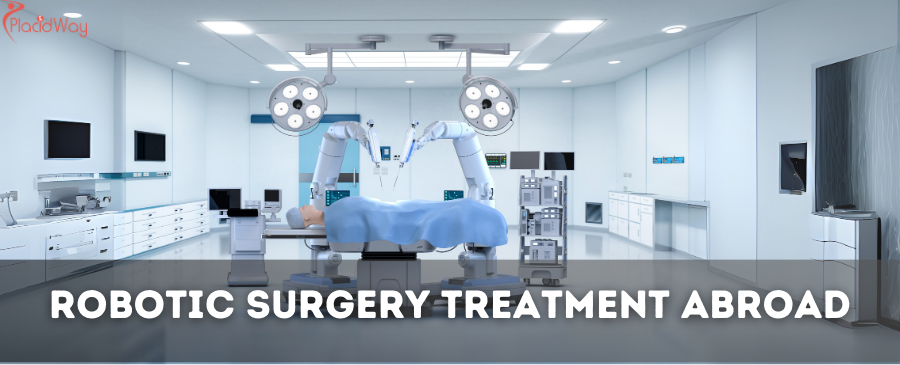
Your Guide to Robotic Surgery and Medical Travel
In the world of modern medicine, innovation is constantly pushing the boundaries of what's possible. Among the most exciting advancements is Robotic Surgery, a groundbreaking approach that combines the precision of technology with the expertise of skilled surgeons. Imagine a procedure performed with tiny incisions, extreme accuracy, and quicker recovery – that's the promise of robotic-assisted techniques.
But what exactly is robotic surgery, and how can it benefit you? Simply put, it's a type of minimally invasive surgery where a surgeon controls a sophisticated robotic system to perform operations. This technology allows for greater maneuverability and visualization, translating to significant advantages for patients. Whether you're considering treatment for a complex condition or seeking a more comfortable surgical experience, understanding robotic surgery is the first step.
For many, accessing cutting-edge robotic surgery at an affordable price point can be a challenge in their home country. This is where medical tourism enters the picture. Patients are increasingly looking beyond borders to find world-class healthcare solutions, and robotic surgery is no exception. By exploring international options, you can often find top-tier facilities, highly experienced surgeons, and significantly lower costs, all while potentially combining your treatment with a travel experience. Let's delve deeper into this revolutionary surgical method and how medical travel can make it accessible for you.
What is Robotic Surgery and How Does it Enhance Procedures?
Robotic surgery, often exemplified by the da Vinci Surgical System, is a sophisticated form of minimally invasive surgery. Instead of making large incisions, the surgeon operates through small keyhole cuts, guiding robotic arms that hold specialized instruments and a high-definition camera. The surgeon sits at a console, viewing a magnified 3D image of the surgical site, and uses hand and foot controls to manipulate the robot's instruments with remarkable dexterity and precision.
The robotic system translates the surgeon's hand movements into smaller, more precise movements of the instruments inside the patient's body. It can filter out natural tremors, providing a steady hand for intricate tasks. This enhanced control and visualization allow surgeons to perform complex procedures with unparalleled accuracy, especially in tight anatomical spaces. For example, during a prostatectomy, the robot's precise movements can help spare delicate nerves, potentially improving post-operative outcomes like continence and potency.
This technological enhancement means less trauma to surrounding tissues, reduced blood loss, and often a quicker return to normal activities for the patient. It's like having the surgeon's skilled hands miniaturized and extended with perfect steadiness into the body, performing the operation with a level of detail that would be impossible with the human hand alone through traditional methods.
What Are the Medical Conditions Treated with Robotic Surgery?
Robotic surgery has revolutionized treatment across numerous medical specialties, offering a precise solution for a diverse array of conditions. Its minimally invasive nature makes it suitable for complex procedures where accuracy is paramount and tissue preservation is critical. Here are some of the most common applications:
- Urology: Prostatectomy (for prostate cancer), nephrectomy (kidney removal), partial nephrectomy (partial kidney removal), cystectomy (bladder removal).
- Gynecology: Hysterectomy (uterus removal), myomectomy (fibroid removal), sacrocolpopexy (pelvic organ prolapse repair), endometriosis excision.
- General Surgery: Colectomy (colon resection), hernia repair (inguinal, ventral), gastrectomy (stomach removal), cholecystectomy (gallbladder removal).
- Cardiothoracic Surgery: Mitral valve repair, coronary artery bypass grafting, lobectomy (lung removal).
- Head and Neck Surgery: Transoral robotic surgery (TORS) for throat and mouth cancers.
The versatility of robotic platforms means that as technology advances, new applications are continually being explored and validated. For instance, in cardiac surgery, robotic assistance allows surgeons to perform delicate procedures on the heart through small incisions between the ribs, avoiding the need for a large chest incision and sternal split. This can significantly reduce pain and recovery time for patients. Similarly, in gynecology, robotic hysterectomies are often favored for their precision, which can minimize complications and scarring.
Key Advantages: Why Choose Robotic-Assisted Surgery?
The decision to undergo any surgery is significant, and when considering robotic-assisted options, understanding its distinct advantages can be reassuring. The core benefit stems from its minimally invasive nature combined with technological enhancements, which collectively lead to a more comfortable and efficient patient experience.
Patients who undergo robotic surgery typically experience:
- Reduced Pain and Discomfort: Smaller incisions mean less trauma to tissues, resulting in less pain post-operation.
- Less Blood Loss: The precision of robotic instruments and enhanced visualization often translates to minimal bleeding.
- Shorter Hospital Stays: Patients often recover faster, allowing for an earlier discharge from the hospital.
- Quicker Return to Daily Activities: A faster recovery means you can get back to work and your normal routine sooner.
- Smaller Scars: The tiny incisions leave behind less noticeable scarring.
- Enhanced Precision: The robot's magnified 3D vision and wristed instruments allow surgeons to perform complex maneuvers with unparalleled accuracy.
These advantages are not just theoretical; they are observed in clinical practice. For example, a patient undergoing a robotic hernia repair might be able to return to light activities in a week, compared to several weeks with traditional open surgery. This efficiency in recovery not only improves the patient's quality of life but also reduces the overall burden of healthcare costs by minimizing post-operative complications and extended hospitalizations.
Who Qualifies for Robotic Surgery? Determining Your Eligibility.
While robotic surgery offers many benefits, it's not suitable for everyone. Determining if you're a good candidate involves a thorough evaluation by your surgeon, taking into account your specific medical condition, overall health, and a variety of other factors. The goal is always to select the safest and most effective surgical approach for each individual patient.
Factors typically considered include:
- Type and Stage of Condition: Some conditions and stages are better suited for robotic intervention than others. For example, certain advanced cancers might still require traditional open surgery.
- Overall Health: Patients with severe heart or lung conditions, or those who cannot tolerate general anesthesia, might not be eligible.
- Prior Surgeries: Extensive previous abdominal surgeries can create scar tissue, making minimally invasive approaches more challenging.
- Body Mass Index (BMI): While robotic surgery can be performed on patients with higher BMIs, extreme obesity can sometimes complicate the procedure.
It's crucial to have an open discussion with your surgeon about all available options, including traditional open surgery and conventional laparoscopic techniques, to understand the risks and benefits of each. Your surgeon will consider your medical history, current health status, and the specifics of your condition to recommend the most appropriate course of action. They will explain why robotic surgery is or isn't the best choice for you, ensuring you make an informed decision about your care.
Understanding the Recovery Journey After Robotic Surgery.
One of the most appealing aspects of robotic surgery is its expedited recovery timeline compared to traditional open procedures. While individual experiences can vary, most patients find their journey back to full health to be smoother and quicker. The small incisions contribute significantly to this faster recuperation.
Immediately after surgery, patients typically spend a short time in a recovery room before being moved to a regular hospital room. The hospital stay usually ranges from 1 to 3 days, depending on the complexity of the procedure and the individual's recovery progress. Pain management is crucial, and medications will be prescribed to keep discomfort at a manageable level, usually decreasing significantly after the first few days.
Upon returning home, patients are advised to gradually increase their activity level. While strenuous activities, heavy lifting, and intense exercise are typically restricted for several weeks, light walking and daily tasks are often encouraged early on. Full recovery, meaning a complete return to all pre-surgery activities, can take anywhere from 2 to 6 weeks, depending on the type of surgery and individual healing rates. Follow-up appointments with your surgeon are essential to monitor your progress and ensure a smooth recovery.
Are There Risks to Robotic Surgery? What Patients Should Know.
While robotic surgery is considered highly safe and often carries fewer risks than traditional open surgery, it is still a major medical procedure and not without its potential complications. It's vital for patients to be fully informed about these risks before making a decision.
Common surgical risks, applicable to robotic procedures as well, include:
- Infection: At the incision sites or internally.
- Bleeding: Both during and after the operation.
- Adverse Reaction to Anesthesia: Such as nausea, allergic reactions, or respiratory issues.
- Injury to Surrounding Organs or Tissues: Though minimized by robotic precision, it's still a possibility.
- Blood Clots: In the legs (DVT) or lungs (PE).
Specific to robotic surgery, there can also be a rare risk of equipment malfunction, though systems are designed with multiple safety redundancies. Additionally, in some cases, a robotic procedure may need to be converted to an open surgery if unforeseen complications arise. It's important to remember that the skill and experience of the surgical team play a crucial role in minimizing risks. Always have a detailed conversation with your surgeon to understand the specific risks associated with your procedure and how they plan to mitigate them.
Why Travel for Robotic Surgery? Exploring Medical Tourism Benefits.
The decision to travel abroad for medical treatment, especially for a complex procedure like robotic surgery, is often driven by a compelling set of benefits that are not always available locally. Medical tourism has become a viable option for countless patients seeking high-quality, specialized care.
Primary motivations for medical travel include:
- Cost Savings: This is often the biggest driver, with procedures sometimes costing 50-80% less than in Western countries like the US or UK.
- Access to Advanced Technology and Expertise: Many international hospitals boast state-of-the-art robotic systems and highly skilled surgeons who are leaders in their field.
- Reduced Wait Times: In countries with universal healthcare or high demand, wait lists for specialized surgeries can be long. Medical tourism can offer immediate access.
- Privacy and Anonymity: Some patients prefer to undergo sensitive procedures away from their home community.
- Opportunity for a "Healing Vacation": Combining recovery in a scenic, relaxing destination can contribute positively to overall well-being.
Consider a scenario where a patient requires a robotic prostatectomy. In their home country, the procedure might cost upwards of $30,000 with a several-month wait. By exploring options in countries like Mexico, Turkey, or India, they might find the same procedure performed by an equally qualified surgeon using the same robotic system for $10,000-$15,000, with immediate availability. This financial relief, combined with quicker access to care, makes medical tourism an increasingly attractive path.
Comparing Robotic Surgery Costs Worldwide: A Smart Investment?
The cost of robotic surgery is a major factor for many patients, and the disparity in pricing across different countries is often astonishing. These price differences aren't necessarily indicative of lower quality but rather reflect varying economic structures, healthcare systems, and operational expenses in each region. For patients without comprehensive insurance coverage or those facing high deductibles, comparing international costs can reveal substantial savings.
Below is an illustrative table comparing estimated costs for a common robotic surgery procedure (e.g., Robotic Prostatectomy) in various countries. Please note these are approximate figures and actual costs can vary based on the specific clinic, surgeon's fees, hospital stay duration, and additional services.
| Country | Estimated Cost (USD) | Notes on Cost Factors |
|---|---|---|
| United States | $25,000 - $60,000+ | High overheads, insurance complexities, advanced technology. |
| United Kingdom | $18,000 - $45,000 | Often higher than other European countries, private sector costs. |
| Mexico | $10,000 - $20,000 | Proximity to US, modern facilities, lower labor costs. |
| Turkey | $9,000 - $18,000 | Growing medical tourism hub, competitive pricing, high standards. |
| India | $7,000 - $15,000 | Very competitive, large English-speaking medical workforce, advanced hospitals. |
| South Korea | $12,000 - $25,000 | High-tech medical infrastructure, excellent outcomes, slightly higher than SEA. |
These significant price differences illustrate why traveling for robotic surgery can be a financially savvy decision. It allows patients to access the same, or even superior, technology and expertise while keeping healthcare costs manageable. It's an investment in your health that can also preserve your financial well-being.
How to Select a Top International Hospital for Robotic Surgery.
Choosing the right international hospital for your robotic surgery is paramount. It involves careful research and due diligence to ensure you receive the best possible care. Don't just pick the cheapest option; focus on quality, experience, and comprehensive support.
Key factors to consider include:
- Accreditation: Look for international accreditations like JCI (Joint Commission International), which signifies adherence to global healthcare standards.
- Surgeon's Experience: Inquire about the surgeon's specific experience with robotic surgery, their caseload, success rates, and certifications. Ask how many times they've performed your specific procedure using the robotic system.
- Technology and Facilities: Confirm the hospital uses the latest generation of robotic surgical systems (e.g., da Vinci Xi) and has modern infrastructure.
- Patient Reviews and Testimonials: Seek out feedback from previous international patients to gauge their experience with the clinic and its services.
- All-Inclusive Packages: Many medical tourism providers offer packages that include accommodation, airport transfers, and interpreter services, simplifying your trip.
- Communication: Ensure clear and prompt communication with the clinic, preferably with staff who speak your language.
Think of it like choosing a highly specialized professional in any field. You wouldn't hire an architect without seeing their portfolio or checking their credentials. The same meticulous approach should be applied when selecting a medical facility abroad. Platforms like PlacidWay can significantly assist in this process by vetting clinics, providing transparent information, and connecting you with reputable institutions that meet rigorous standards.
Ensuring Safety and Quality Standards in Overseas Robotic Surgery Clinics.
Patient safety and the quality of care are paramount, especially when undergoing complex procedures like robotic surgery in a foreign country. While many international clinics offer excellent standards, it's essential to know how to verify these claims and ensure your well-being.
Strategies to ensure safety and quality include:
- International Accreditation: As mentioned, JCI accreditation is a strong indicator of quality and patient safety protocols. Other regional or national accreditations recognized for their rigor are also valuable.
- Surgeon Qualifications: Verify that the surgeon is board-certified, has specialized training in robotic surgery, and belongs to relevant professional organizations. Don't hesitate to ask for their CV.
- Technology Maintenance: Ensure the clinic regularly maintains and updates its robotic surgical systems, as proper calibration and servicing are critical for performance and safety.
- Clinical Outcomes: Ask if the clinic publishes its clinical outcomes and complication rates for robotic procedures. Transparency is a good sign.
- Emergency Protocols: Inquire about the hospital's emergency response capabilities and how they handle unexpected complications, including post-operative care.
Working with an experienced medical tourism facilitator like PlacidWay can significantly simplify this process. They often have established partnerships with accredited hospitals and vetted surgeons, performing much of this due diligence on your behalf. They can provide detailed profiles of clinics, surgeon credentials, and connect you directly with patient coordinators to answer all your safety-related questions, giving you peace of mind.
Planning Your Trip: A Guide to Medical Travel for Robotic Surgery.
Once you've decided on robotic surgery abroad, meticulous planning is key to a stress-free experience. A well-organized trip allows you to focus solely on your recovery and treatment, rather than logistical hurdles.
Here's a step-by-step guide:
- Initial Consultation & Clinic Selection: Work with a facilitator to get initial virtual consultations, obtain quotes, and select your preferred hospital and surgeon.
- Medical Records & Pre-approvals: Gather all necessary medical records (diagnoses, test results, imaging) and share them with the international clinic for pre-approval and treatment planning.
- Travel Logistics: Book flights and accommodation. Consider booking a longer stay than just the hospital duration to allow for initial recovery before flying home. Many clinics offer assistance or have partnerships with nearby hotels.
- Visa and Passport: Check the visa requirements for your chosen destination well in advance. Ensure your passport is valid for at least six months beyond your planned return date.
- Insurance: Review your travel insurance and any existing health insurance policies to understand what medical emergencies might be covered abroad. Consider purchasing specialized medical travel insurance.
- Local Support: Confirm if the clinic provides interpreter services, airport transfers, or a dedicated patient coordinator to assist you during your stay.
A good medical tourism agency acts as your personal guide, handling many of these details for you. They can ensure your pre-operative tests are scheduled, provide an itinerary, and offer support throughout your journey, from the moment you leave home until you return.
What to Expect for Aftercare When Returning Home from Robotic Surgery Abroad.
Returning home after robotic surgery abroad marks a crucial phase in your recovery. Effective aftercare ensures a smooth transition and continued healing. It's essential to have a clear plan for post-operative management once you're back in your familiar environment.
Before you leave the international clinic, you should receive:
- Detailed Discharge Instructions: Including wound care, activity restrictions, dietary guidelines, and signs of potential complications.
- Medication Prescriptions: Instructions for any necessary pain management, antibiotics, or other drugs.
- Comprehensive Medical Reports: A full summary of your surgery, findings, and post-operative progress to share with your local physician.
- Contact Information: For the international clinic, in case you have questions or concerns once you've returned home.
It's highly recommended to schedule a follow-up appointment with your local general practitioner or a specialist in your home country shortly after your return. This ensures continuity of care, allows local monitoring of your recovery, and provides a point of contact for any further questions or needs. By providing your local doctor with all the medical reports from your overseas procedure, they can seamlessly take over your post-operative care, ensuring you have the support you need for a complete and successful recovery.
Take the Next Step with PlacidWay
Ready to experience the precision and benefits of robotic surgery without the prohibitive costs? Your journey to advanced care starts here. Explore top-rated international clinics, compare prices, and get a free, personalized quote for your robotic surgery procedure with PlacidWay. Let us help you plan a seamless and transformative medical travel experience. Start your health transformation today!



.png)


.jpg)

Share this listing