


Bariatric Surgery: Restriction Vs Malabsorption Video Guide
Deciding to undergo weight loss surgery is a transformative step toward reclaiming your health, but understanding the medical mechanics can feel overwhelming. In the debate of bariatric surgery restriction vs malabsorption, patients must grasp how each method fundamentally alters their digestive system to promote significant weight loss.
Some surgical procedures physically limit daily food intake, while others change how the gastrointestinal tract absorbs calories and essential nutrients. Exploring these core anatomical differences is essential for making an informed, life-changing medical decision that perfectly aligns with your specific metabolic needs.
Video Chapters & Quick Navigation
Understanding the Fundamental Mechanics of Weight Loss Surgery
The global obesity epidemic has led to rapid advancements in the field of bariatric medicine. For individuals suffering from severe obesity and related metabolic syndromes, traditional diet and exercise often fail to produce sustainable, long-term results. This is where clinical intervention becomes a medical necessity rather than a cosmetic choice.
When evaluating bariatric surgery options, medical professionals categorize procedures based on how they interact with the digestive system. As highlighted at in the video, the core debate centers around two primary mechanisms: restriction and malabsorption. Understanding these pathways is crucial for predicting post-operative lifestyle changes.
Restrictive procedures physically limit the volume of food the stomach can hold, leading to early satiety. Conversely, malabsorptive procedures alter the anatomical route of the intestines to prevent the body from fully absorbing calories and nutrients. Many modern bariatric surgeries actually utilize a highly effective combination of both mechanisms.
The Science of Restrictive Bariatric Surgery
Restrictive weight loss surgery operates on a very simple, mechanical principle: by reducing the anatomical size of the stomach, the patient simply cannot consume large quantities of food. The most common purely restrictive procedure performed today is the Laparoscopic Sleeve Gastrectomy, often referred to as the gastric sleeve.
During a gastric sleeve procedure, a bariatric surgeon removes approximately 75% to 80% of the stomach, leaving behind a narrow, banana-shaped tube. This dramatic reduction in stomach volume means that patients feel comfortably full after eating only a few ounces of food. The physical restriction forces a natural, profound decrease in daily caloric intake.
However, the benefits of restrictive bariatric procedures go far beyond mere physical limitations. As discussed at , removing the upper portion of the stomach (the fundus) eliminates the primary production center for ghrelin. Ghrelin is commonly known as the "hunger hormone," and its reduction leads to a massive decrease in appetite, making dietary compliance significantly easier for the patient.
Key Benefits of Purely Restrictive Procedures
- Preserved Digestive Anatomy: The intestines are left completely intact, meaning the digestive tract continues to process food in a natural sequence.
- Lower Risk of Nutritional Deficiencies: Because there is no intestinal bypass, the body still absorbs vitamins and minerals from the food consumed, reducing the severity of required supplementation.
- Fewer Surgical Complications: Restrictive surgeries typically require less time in the operating room and carry a lower risk of internal hernias or bowel obstructions compared to malabsorptive surgeries.
Deep Dive into Malabsorptive Weight Loss Surgery
While restrictive surgeries focus on the stomach, malabsorptive weight loss surgeries focus almost entirely on the small intestine. The human small intestine is a highly efficient organ responsible for extracting calories, fats, and nutrients from digested food. By surgically bypassing significant portions of this organ, doctors can force the body to absorb fewer calories.
Purely malabsorptive procedures, such as the original Jejunoileal Bypass, are rarely performed today due to severe, life-threatening nutritional complications. When a massive segment of the small intestine is bypassed, the body experiences profound caloric malabsorption, leading to rapid and extreme weight loss. Unfortunately, this also means the body fails to absorb essential vitamins, proteins, and minerals.
Today, surgeons utilize malabsorption in a much more controlled, measured manner. As noted at , modern medical science has realized that extreme malabsorption requires intense, lifelong medical supervision. Patients who undergo procedures with heavy malabsorptive components must commit to strict, daily regimens of specialized bariatric multivitamins to prevent severe malnutrition and bone density loss.
The Hybrid Approach: Combining Restriction and Malabsorption
The most successful bariatric interventions in modern medicine do not rely on a single mechanism. Instead, they combine the power of restriction with the metabolic advantages of malabsorption. The gold standard of this hybrid approach is the Roux-en-Y Gastric Bypass (RYGB).
During a Roux-en-Y Gastric Bypass, the surgeon first creates a small stomach pouch, roughly the size of a walnut. This creates the primary restrictive element, drastically limiting how much food can be eaten at one time. Next, the surgeon divides the small intestine and connects the lower segment directly to the new, small stomach pouch.
This rerouting bypasses the remaining larger portion of the stomach and the first section of the small intestine (the duodenum). By combining a smaller stomach volume with a shortened digestive pathway, patients benefit from dual weight loss mechanisms. The hybrid approach not only forces portion control but also limits the absorption of dietary fats and carbohydrates.
Understanding the Duodenal Switch (DS)
Another powerful hybrid option is the Biliopancreatic Diversion with Duodenal Switch (BPD/DS). This highly complex surgery combines a moderate gastric sleeve (restriction) with a massive intestinal bypass (malabsorption). It is typically reserved for patients with a Body Mass Index (BMI) over 50 due to its unparalleled ability to drive massive, sustained weight loss and cure severe type 2 diabetes.
Gastric Bypass vs Gastric Sleeve: A Detailed Clinical Comparison
When patients consult with their bariatric surgeons, the conversation almost inevitably leads to a direct comparison: gastric bypass vs gastric sleeve. Choosing between a hybrid restrictive-malabsorptive procedure and a purely restrictive procedure requires a careful evaluation of a patient's medical history.
The gastric sleeve is generally considered a safer, less complex surgery with an easier recovery timeline. Because there is no intestinal rerouting, sleeve patients avoid many of the severe gastrointestinal side effects associated with bypass surgeries. However, the gastric sleeve can exacerbate existing severe acid reflux (GERD), making it a poor choice for some patients.
The gastric bypass, on the other hand, is an excellent anti-reflux surgery. As explained at , it also provides slightly higher total weight loss averages and higher remission rates for type 2 diabetes. The trade-off is a higher risk of surgical complications, a longer hospital stay, and a lifelong susceptibility to a condition known as dumping syndrome.
| Surgical Feature | Gastric Sleeve (Restrictive) | Gastric Bypass (Hybrid) |
|---|---|---|
| Primary Mechanism | Stomach volume reduction | Restriction + Intestinal Bypass |
| Intestinal Rerouting | None | Yes (Bypasses the duodenum) |
| Expected Excess Weight Loss | 60% to 70% | 70% to 80% |
| Risk of Dumping Syndrome | Very Low | High (Triggered by sugar/fat) |
| Vitamin Dependency | Moderate | High (Strict lifelong requirement) |
The Impact of Malabsorption on Lifelong Nutrient Intake
One of the most critical aspects of bariatric surgery restriction vs malabsorption is the profound long-term effect on a patient's nutritional status. When the anatomical structure of the digestive tract is altered, the body's natural ability to extract life-sustaining vitamins is permanently compromised. This reality requires strict discipline from the patient.
In restrictive surgeries like the gastric sleeve, the sheer reduction in food volume means the patient ingests fewer nutrients overall. However, the food that is eaten still passes through the entire small intestine, allowing for normal, albeit reduced, absorption. Sleeve patients still require daily bariatric multivitamins, but their risk of severe, acute deficiencies is manageable.
Conversely, malabsorptive surgeries intentionally bypass the duodenum and jejunum—the exact locations where iron, calcium, and B vitamins are primarily absorbed. As highlighted at , gastric bypass and duodenal switch patients face a lifelong risk of anemia, osteoporosis, and neurological issues if they neglect their specific, high-dose vitamin regimens. Regular blood panels become a non-negotiable part of ongoing medical care.
Surgical Risk Profiles and Post-Operative Complications
Every major abdominal surgery carries inherent risks, but the complexity of the procedure directly correlates with the possibility of adverse events. Understanding these risk profiles helps patients set realistic expectations for their recovery process. Safety is paramount when altering the gastrointestinal tract.
Purely restrictive procedures involve stapling and removing a portion of the stomach. The primary acute risk in a gastric sleeve is a staple line leak, where stomach acid escapes into the abdominal cavity. While severe, this complication is relatively rare when performed by an experienced bariatric surgeon. Because there are no intestinal connections (anastomoses), the risk profile remains comparatively low.
Hybrid procedures involving malabsorption carry additional, unique risks. The creation of new connections between the stomach pouch and the small intestine introduces the possibility of anastomotic strictures, marginal ulcers, and internal hernias. Furthermore, bypass patients must learn to navigate "dumping syndrome," a highly uncomfortable physical reaction characterized by nausea, sweating, and rapid heart rate when consuming refined sugars or high-fat foods.
Long-Term Maintenance and Medical Monitoring
- Dietary Progression: All patients, regardless of procedure, must follow a strict, phased diet transitioning from clear liquids to purees, and eventually to solid foods to allow the stomach to heal.
- Protein Prioritization: Because stomach capacity is drastically reduced, patients must prioritize dense proteins to prevent muscle wasting and hair loss during the rapid weight loss phase.
- Psychological Support: The anatomical changes from surgery do not cure emotional eating disorders. Ongoing psychological counseling is heavily advised to ensure patients adapt to their new, restrictive lifestyles successfully.
Selecting the Right Bariatric Procedure for Your Metabolic Profile
There is no universal "best" weight loss surgery; there is only the best surgery for your specific medical situation. The choice between restriction and malabsorption relies heavily on an individual's Body Mass Index, eating habits, existing comorbidities, and willingness to adhere to lifelong medical guidelines. A thorough consultation with a board-certified bariatric surgeon is essential.
If a patient suffers from severe, uncontrolled type 2 diabetes or crippling acid reflux, a hybrid malabsorptive procedure like the gastric bypass is often the strongly recommended path. The hormonal changes triggered by bypassing the upper intestine can frequently send diabetes into remission before significant weight loss even occurs. The bypass also permanently reroutes bile and stomach acid away from the esophagus, curing GERD.
However, if a patient relies heavily on anti-inflammatory medications (NSAIDs), has multiple prior abdominal surgeries, or possesses a strong aversion to taking multiple daily supplements, a restrictive gastric sleeve may be the safest and most viable option. Ultimately, weight loss surgery is a powerful mechanical tool. Whether utilizing restriction, malabsorption, or both, the ultimate success of the procedure depends entirely on the patient's commitment to utilizing that tool to build a healthier, active life.
Ready to Take the Next Step in Your Weight Loss Journey?
Navigating the complexities of bariatric surgery doesn't have to be done alone. PlacidWay Medical Tourism connects you with world-renowned, board-certified bariatric surgeons globally. Discover affordable, top-tier weight loss solutions tailored specifically to your health profile.
REQUEST FREE INFORMATION TODAY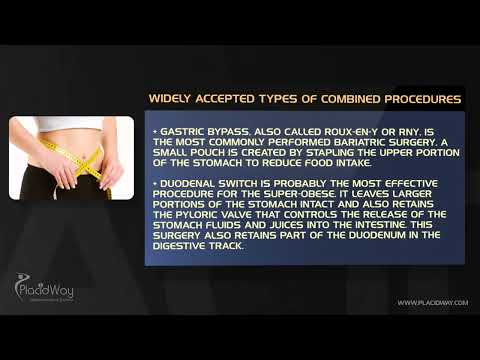




.jpg)










Share this listing