


The Complete Guide to Roux-en-Y Gastric Bypass Weight Loss Surgery Abroad
For millions struggling with severe obesity, traditional diets and exercise often fall short, leaving patients trapped in a cycle of frustration and declining health. The prohibitive costs of bariatric procedures at home only add to this immense burden. However, Roux-en-Y Gastric Bypass Weight Loss Surgery Abroad has emerged as a globally recognized, life-saving alternative. This pathway allows patients to access world-class surgical care, achieve significant long-term weight loss, and resolve obesity-related comorbidities without facing financial ruin.
By traveling to internationally accredited medical centers, patients can access elite bariatric surgeons and state-of-the-art facilities at a fraction of domestic prices. Watch to discover how international medical tourism is redefining accessibility to the gold standard of weight loss surgery.
Video Chapters & Quick Navigation
Understanding the Gold Standard: What is Roux-en-Y?
The Roux-en-Y gastric bypass has long been considered the gold standard in the field of bariatric medicine. This complex yet highly refined surgical procedure alters the gastrointestinal tract to induce significant and sustained weight loss. As detailed at in the video, it operates on two powerful mechanisms: restriction and malabsorption.
First, the surgeon creates a small, walnut-sized pouch at the top of the stomach, physically restricting the volume of food a patient can consume in a single sitting. Second, this newly created pouch is connected directly to the middle portion of the small intestine, bypassing the larger portion of the stomach and the duodenum.
The Hormonal Impact of Gastric Bypass
Beyond physical restriction, the Roux-en-Y procedure triggers profound metabolic and hormonal changes within the body. By altering the anatomical pathway of food, the surgery significantly reduces the production of ghrelin, commonly known as the "hunger hormone." Patients frequently report a dramatic decrease in appetite immediately following the procedure.
Furthermore, the rerouting of the digestive tract enhances the release of gut hormones that promote early satiety and improve glucose metabolism. This complex hormonal reset is precisely why gastric bypass is incredibly effective at managing and often reversing type 2 diabetes, even before significant weight loss has occurred.
Why Travel for Bariatric Surgery? Breaking Down the Benefits
For decades, medical care was strictly a local endeavor, but the modern landscape of globalized healthcare has fundamentally shifted patient behavior. The decision to seek affordable bariatric surgery abroad is driven primarily by prohibitive domestic healthcare costs. In countries like the United States, patients without comprehensive insurance coverage face staggering out-of-pocket expenses that make life-saving surgery unattainable.
In addition to financial barriers, many nationalized healthcare systems, such as the NHS in the United Kingdom or public healthcare in Canada, suffer from multi-year waiting lists. For a patient suffering from severe obesity and deteriorating joint health, waiting three to five years for a gastric bypass is not just inconvenient; it is a serious medical risk.
Combining Exceptional Care with Premium Hospitality
Medical tourism for weight loss surgery does not mean compromising on medical standards. In fact, many high-volume bariatric centers abroad cater specifically to international patients, offering a level of personalized VIP service rarely seen in Western hospitals. As highlighted at , patients often experience a seamless journey that prioritizes comfort and dignity.
These international clinics typically bundle their services into all-inclusive packages. This means that from the moment a patient lands at the airport, every logistical detail—from luxury hotel accommodations to private nursing care—is meticulously managed, allowing the patient to focus entirely on their recovery and transformation.
Global Cost Comparison: Unveiling the Financial Reality
The primary catalyst for the bariatric medical tourism boom is the undeniable financial advantage. When comparing the cost of a Roux-en-Y gastric bypass in North America to premier medical hubs abroad, the savings are profound. Patients can routinely save between 60% and 80% on their total medical bills.
These savings are not the result of cutting corners or using inferior surgical materials. Instead, lower prices are driven by a lower cost of living, reduced administrative overhead, and significantly lower medical malpractice insurance premiums in destination countries. The exact same surgical staplers, laparoscopic tools, and anesthesia medications are utilized globally.
| Country | Average Cost (USD) | Wait Time |
|---|---|---|
| United States | $20,000 - $35,000 | Varies (Insurance dependent) |
| United Kingdom | $15,000 - $20,000 | 2 to 5 Years (Public) |
| Mexico (Tijuana/Cancun) | $5,500 - $7,500 | 1 to 3 Weeks |
| Turkey (Istanbul/Antalya) | $4,500 - $6,500 | 1 to 3 Weeks |
Top Medical Tourism Destinations for Bariatric Care
Not all medical tourism destinations are created equal. Over the past decade, a select few countries have heavily invested in their medical infrastructure, transforming themselves into premier hubs for affordable bariatric surgery. These nations attract thousands of international patients annually, driving a highly competitive and quality-focused medical sector.
Mexico: The North American Hub
Due to its direct geographic proximity to the United States and Canada, Mexico has become the undisputed leader for North American bariatric patients. Cities like Tijuana are home to specialized bariatric hospitals that perform thousands of successful gastric bypass procedures each year. The convenience of a short flight, combined with English-speaking medical staff, makes Mexico a highly attractive option.
Many clinics in Mexico operate on a "bariatric campus" model. This setup integrates the surgical hospital, recovery hotel, and nutritional centers into one cohesive environment, ensuring patients never have to navigate a foreign city while recovering.
Turkey: The Eurasian Center of Excellence
Turkey has rapidly ascended as a global powerhouse in medical tourism, particularly for patients flying from the United Kingdom, Europe, and the Middle East. Istanbul boasts an impressive concentration of JCI-accredited hospitals equipped with advanced laparoscopic and robotic surgical technologies.
Turkish bariatric packages are renowned for their comprehensiveness, often including luxury accommodations and comprehensive post-operative nutritional support. The country's strict governmental regulations on medical tourism ensure a high baseline of safety and hygiene across certified bariatric facilities.
Safety Protocols and Hospital Accreditation Abroad
A natural concern for anyone considering a medical procedure in a foreign country is the standard of safety and surgical hygiene. The reality is that premier international bariatric clinics adhere to—and often exceed—the rigorous safety protocols found in Western hospitals. As mentioned at in the presentation, independent global accreditation is the key to verifying these standards.
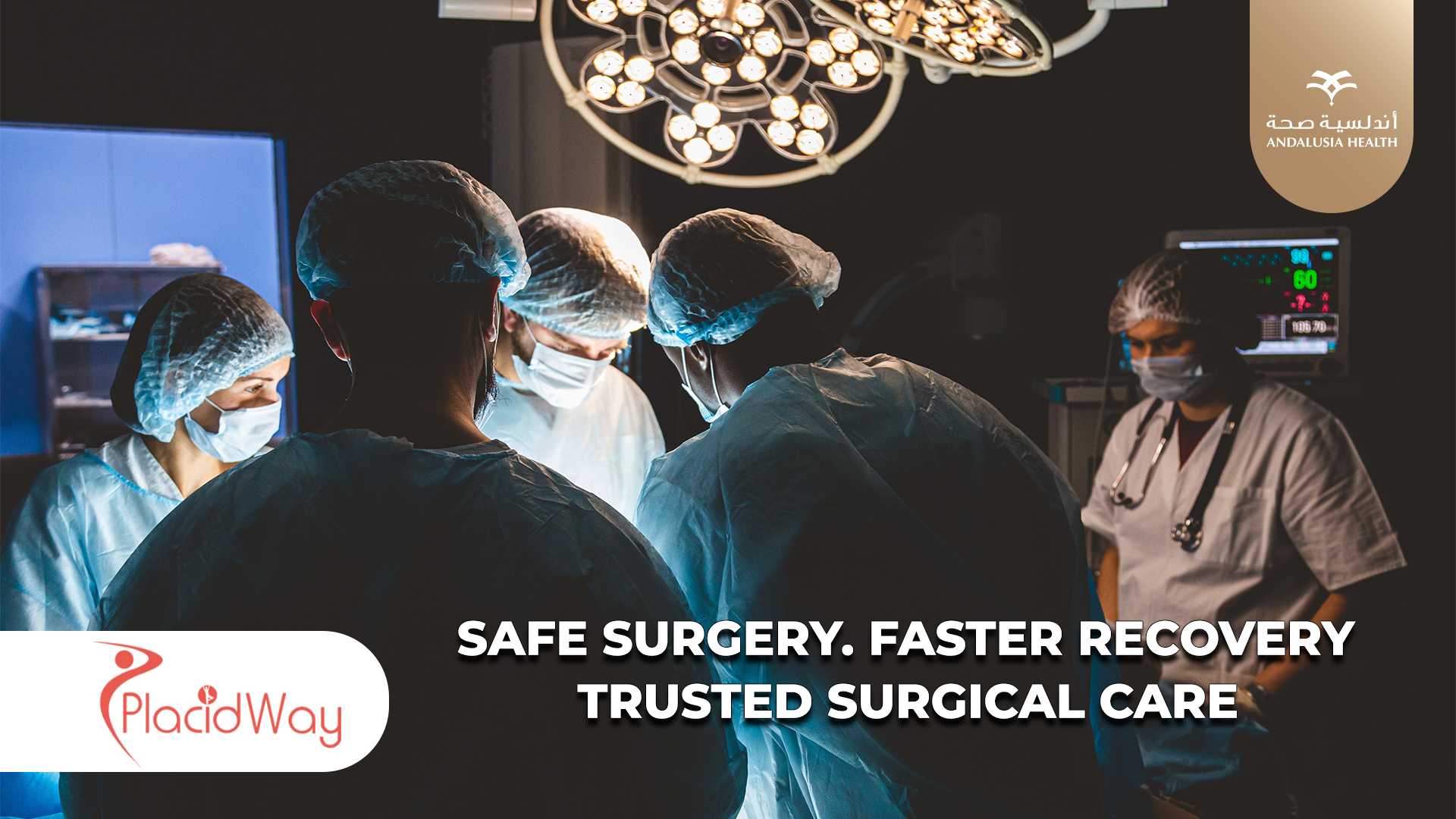
Many top-tier hospitals hold accreditation from the Joint Commission International (JCI). This prestigious certification ensures that the facility undergoes stringent, ongoing evaluations regarding infection control, surgical safety, patient rights, and facility management. When a hospital displays the JCI gold seal, patients can trust they are in a world-class environment.
Rigorous Pre-Operative Testing
Reputable bariatric surgeons abroad do not rush patients into the operating room. Upon arrival, international patients undergo a comprehensive battery of pre-operative tests to ensure they are physically fit for anesthesia and surgery. This phase is critical for minimizing surgical risks.
- Cardiology Evaluations: EKGs and consultations to assess heart health.
- Pulmonary Assessments: Chest X-rays and breathing tests, crucial for patients with sleep apnea.
- Extensive Blood Work: Complete metabolic panels and coagulation tests to rule out underlying issues.
- Endoscopic Exams: Often performed to evaluate the stomach lining for ulcers or hiatal hernias prior to the bypass.
The International Patient Journey: What to Expect
Embarking on a journey for weight loss surgery abroad is designed to be as stress-free as possible. Top international clinics employ dedicated medical coordinators who act as patient liaisons. These coordinators manage every aspect of the itinerary, communicating in the patient's native language and providing a vital link between the patient and the surgical team.
Upon arriving at the destination airport, patients are typically greeted by a dedicated driver and transported to either the hospital or a luxury recovery hotel. This "door-to-door" service eliminates the anxiety of navigating a new country and allows the patient to focus entirely on their upcoming procedure.
The Surgical Experience and Leak Testing
The Roux-en-Y gastric bypass is performed laparoscopically, utilizing small incisions and a camera to guide the surgeon. This minimally invasive approach drastically reduces recovery time, minimizes scarring, and lowers the risk of post-operative infection. The procedure generally takes between 90 minutes and two hours to complete.
Before a patient is cleared to consume liquids, surgeons perform a mandatory leak test. As detailed at , this involves consuming a harmless dye while the surgical team monitors the new gastric pouch via fluoroscopy. This critical safety measure ensures that all surgical connections are completely sealed and secure.
Post-Surgery Diet & Essential Lifestyle Changes
A successful Roux-en-Y gastric bypass is not a magic cure; it is a highly effective tool that requires a lifelong commitment to dietary and lifestyle changes. Because the stomach is significantly smaller and a portion of the intestine is bypassed, how and what a patient eats must fundamentally change to ensure safe healing and sustained weight loss.
Immediately following the procedure, patients enter a strict, multi-phased dietary protocol. This phased approach allows the new stomach pouch to heal without being stretched or irritated by solid foods. Compliance with these dietary stages is absolutely mandatory for post-operative safety.
The Phased Gastric Bypass Diet
- Phase 1: Clear Liquids: For the first few days, hydration is the only goal. Water, clear broth, and sugar-free gelatin are consumed in very small, frequent sips.
- Phase 2: Full Liquids: Protein shakes and thin, low-sugar yogurts are introduced to aid in cellular repair and maintain muscle mass.
- Phase 3: Pureed Foods: Foods blended to a baby-food consistency ensure the stomach does not have to work hard to break down meals.
- Phase 4: Soft Solids: Gradual reintroduction of easy-to-chew foods like scrambled eggs, flaky fish, and cooked vegetables.
Preventing Dumping Syndrome and Malnutrition
Because the pyloric valve is removed during a gastric bypass, high-sugar or high-fat foods can empty too quickly into the small intestine. This triggers "dumping syndrome," characterized by nausea, cramping, sweating, and rapid heart rate. Avoiding sugary foods is essential to prevent these highly uncomfortable episodes.
Furthermore, the malabsorptive nature of the Roux-en-Y procedure means the body absorbs fewer vitamins and minerals from food. Patients must commit to lifelong supplementation, including high-quality bariatric multivitamins, calcium citrate, iron, and B12 injections, to prevent chronic deficiencies and maintain peak energy levels.
Resolving Severe Comorbidities for a Healthier Future
While the aesthetic results of a gastric bypass are often the most visible, the true triumph of the procedure lies in its ability to resolve severe, life-threatening comorbidities. Obesity is an inflammatory disease that taxes every system in the body. Rapid, sustained weight loss alleviates this systemic stress remarkably well.
As weight drops, mechanical stress on weight-bearing joints decreases, vastly improving mobility and reducing the symptoms of osteoarthritis. Additionally, the reduction of excess fatty tissue around the neck often leads to the complete resolution of obstructive sleep apnea, allowing patients to finally achieve restful, restorative sleep.
The Impact on Type 2 Diabetes and Hypertension
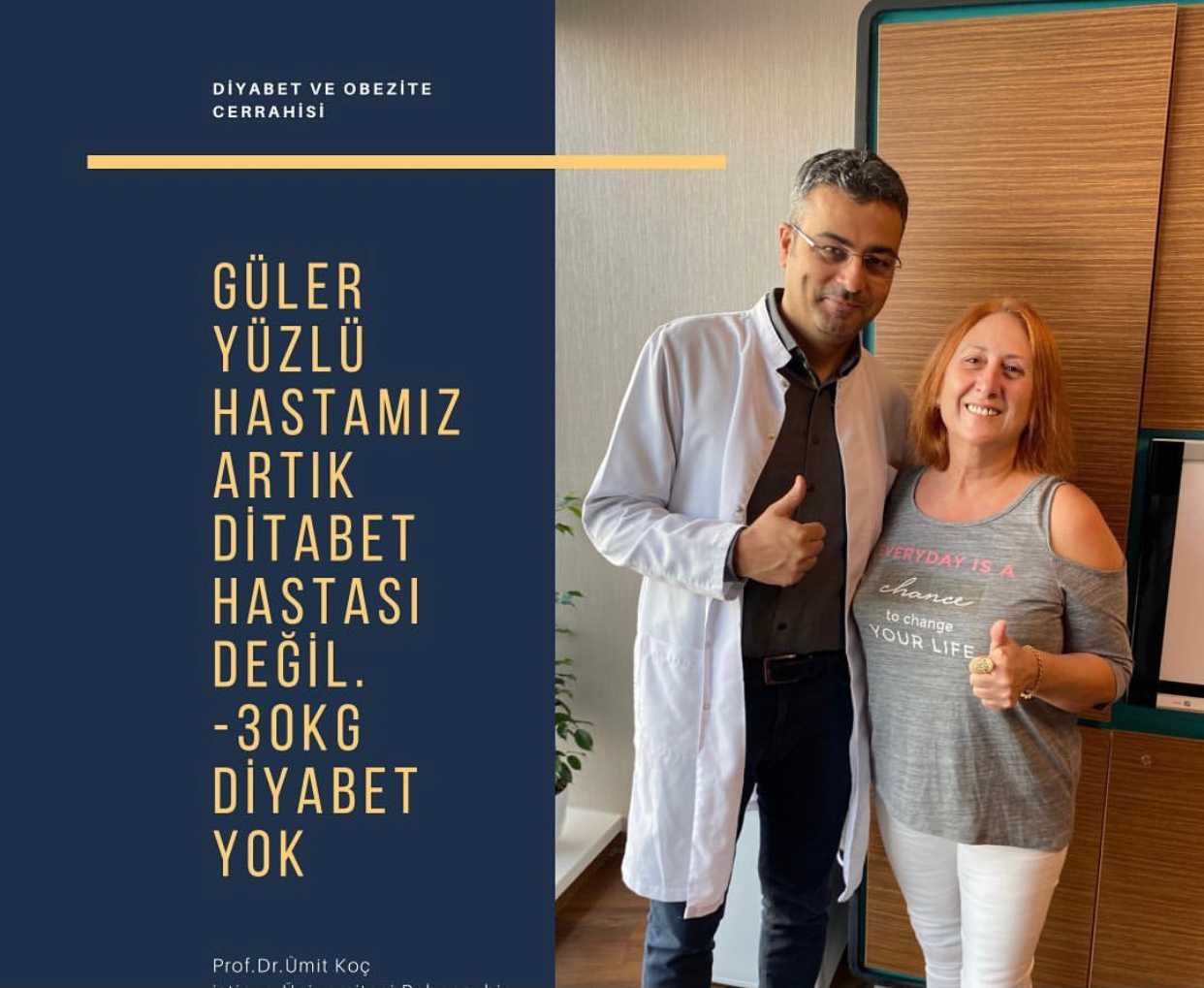
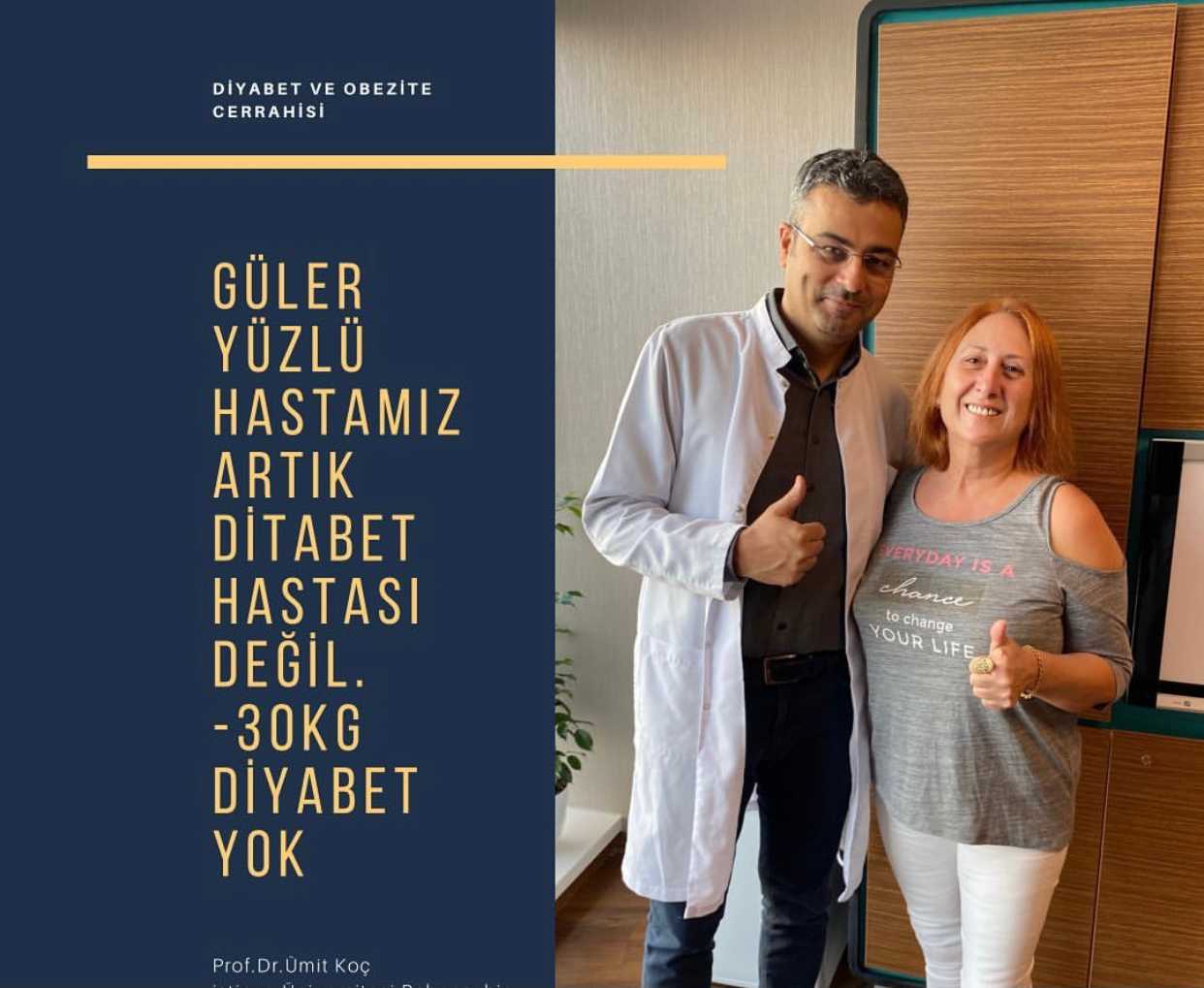
Perhaps the most miraculous outcome of the Roux-en-Y gastric bypass is its effect on type 2 diabetes. As noted in the video at , up to 80% of patients experience complete remission of their type 2 diabetes shortly after surgery. Blood sugar levels frequently normalize before the patient has even left the hospital.
Similarly, cardiovascular health sees dramatic improvements. Significant weight loss drastically lowers high blood pressure and improves lipid profiles, reducing circulating cholesterol and triglycerides. This comprehensive metabolic overhaul significantly decreases the long-term risk of heart attacks and strokes, granting patients decades of reclaimed life.
Ready to Transform Your Life and Health?
Take the first step toward lasting weight loss and optimal health. PlacidWay connects you with globally accredited bariatric centers offering safe, affordable Roux-en-Y Gastric Bypass packages.
REQUEST A FREE CONSULTATION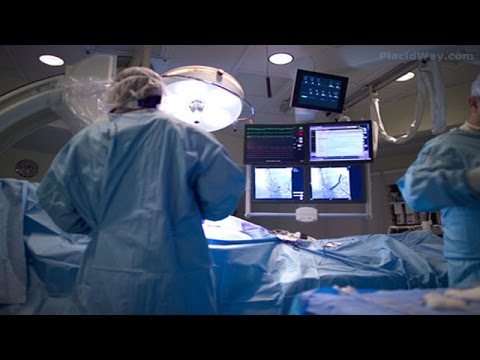









Share this listing