


The Complete Financial Breakdown: What Are the Costs of Keratoconus Treatment?
When diagnosed with a progressive and degenerative eye condition, understanding the costs of keratoconus treatment becomes an immediate and pressing priority. Keratoconus progressively thins and bulges the cornea into a cone shape, severely distorting vision and requiring urgent medical intervention to prevent permanent blindness. Many patients are caught off guard by the financial burden of advanced procedures like corneal cross-linking, Intacs, or a full corneal transplant. Exploring these eye surgery expenses comprehensively is absolutely vital for planning your medical journey. Watch our detailed breakdown to discover exactly how much you can expect to pay, what hidden factors influence these pricing structures, and how patients are successfully finding highly affordable, world-class eye care solutions through global medical tourism.
Video Chapters & Quick Navigation
Understanding Keratoconus and the Financial Urgency of Treatment
Keratoconus is a bilateral, asymmetric disease that causes the normally round, dome-shaped cornea to thin and bulge outward into a distinct cone shape. This structural deformity results in significant visual impairment, irregular astigmatism, and intense sensitivity to light. As discussed in the video at , delaying treatment for this condition is rarely an option, as the disease is highly progressive. The financial implications of waiting too long can be devastating, as advanced stages require much more invasive and expensive surgical interventions.
The primary goal of modern ophthalmology is to halt the progression of the disease as early as possible. Early intervention dramatically reduces the overall average cost of keratoconus surgery over a patient's lifetime. When the cornea is preserved early, patients can often avoid the astronomical expenses associated with full corneal transplants and a lifetime of high-maintenance specialty contact lenses.
The Economic Impact of Vision Loss
It is crucial to factor in the indirect costs of untreated keratoconus when evaluating medical bills. As visual acuity deteriorates, patients often experience a loss of productivity, difficulty driving at night, and an inability to perform standard occupational duties. At , the discussion highlights that investing in early keratoconus treatment options is not just a medical necessity, but a vital economic decision to protect your long-term earning potential and quality of life.
Corneal Cross-Linking (CXL): The Gold Standard Procedure and Price
Corneal Cross-Linking (often abbreviated as CXL or KXL) is globally recognized as the only treatment capable of halting the progressive bulging of the cornea. The procedure works by saturating the cornea with liquid riboflavin (Vitamin B2) drops and activating it with a targeted ultraviolet (UV) light. This chemical reaction creates new collagen bonds, essentially stiffening the corneal tissue and preventing further deterioration. In the United States, the FDA-approved "epi-off" cross-linking procedure involves gently removing the outer epithelial layer of the cornea to allow deeper penetration of the riboflavin.
When looking at the cost of corneal cross linking without insurance, patients are often shocked by the financial requirements. In North America and the United Kingdom, standard cross-linking typically ranges from $2,500 to $4,000 per eye. As noted at in the video, this price usually covers the facility fee, the surgeon's fee, and the extraordinarily high cost of the proprietary riboflavin solution itself.
Epi-On vs. Epi-Off Pricing Variables
There is a significant difference in pricing depending on whether the surgeon performs an epi-on (transepithelial) or epi-off procedure. Because epi-on cross-linking is still considered "investigational" by many major health insurance providers in the United States, patients frequently have to pay for this specific variation entirely out-of-pocket. The initial consultation, corneal topography mapping (Pentacam scans), and post-operative follow-up visits can also add an additional $500 to $1,000 to the baseline surgical quote.
| Treatment Type | Estimated Cost (Per Eye) | Primary Purpose |
|---|---|---|
| Corneal Cross-Linking (CXL) | $2,500 - $4,000 | Halts progression and stiffens cornea |
| Intacs (Ring Segments) | $1,500 - $3,000 | Flattens the cone and improves vision |
| Topography-Guided PRK | $1,500 - $2,500 | Reshapes surface for visual acuity |
| Corneal Transplant (PK) | $13,000 - $25,000 | Replaces severely damaged tissue |
Intacs and Corneal Ring Segments: Restoring Vision Mechanics
While cross-linking stops the disease from getting worse, it does not reliably reverse the visual damage that has already occurred. This is where Intacs come into play. Intacs are microscopic, semi-circular plastic (PMMA) ring segments that are surgically inserted deep within the stromal layer of the cornea. By placing these arcs at the periphery of the cornea, the central cone is physically flattened, significantly reducing irregular astigmatism and improving the patient's ability to tolerate contact lenses.
The Intacs surgery price can vary wildly based on the technology utilized by the operating clinic. Traditional manual insertion is slightly less expensive, but modern clinics employ an advanced femtosecond laser to create precise microscopic channels for the implants. As highlighted at , utilizing femtosecond laser technology increases safety and precision but drives the average cost up to between $1,500 and $3,000 per eye.
Combining Intacs with Cross-Linking
Many specialized ophthalmologists recommend performing Intacs implantation either simultaneously with, or shortly before, corneal cross-linking. This dual-approach aims to first reshape the cornea into a more normal dome, and then "lock" that new shape in place using the UV cross-linking process. While clinically effective, patients must be prepared for the reality that combining these two distinct surgical protocols will result in compounded fees, often pushing the total out-of-pocket cost for one eye well past the $5,000 mark in Western clinics.
Advanced Topography-Guided PRK Interventions
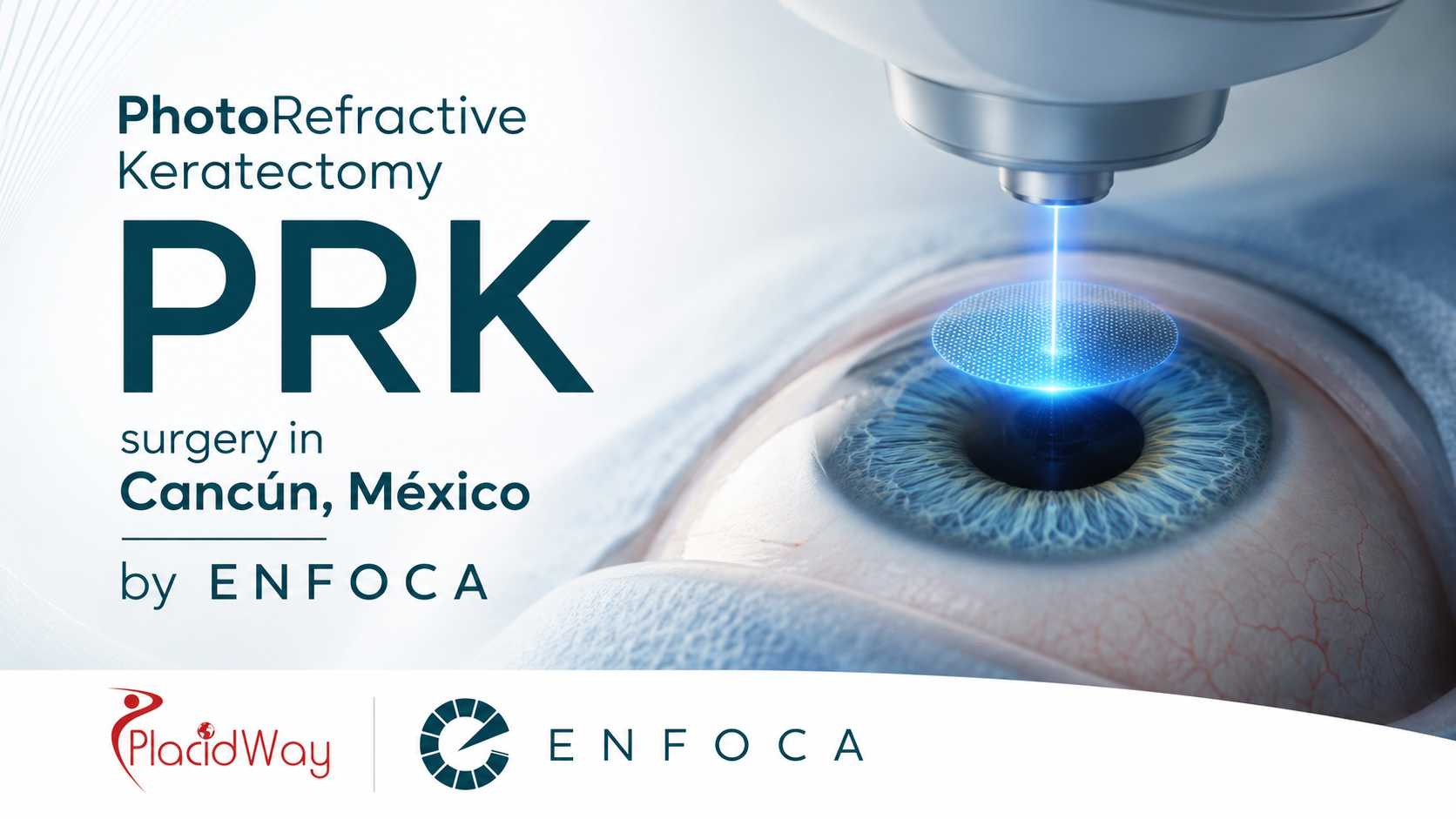
It is a well-established medical fact that standard LASIK surgery is strictly contraindicated for patients with keratoconus, as removing deeper tissue weakens an already compromised cornea. However, advanced surface ablation techniques, specifically Topography-Guided Photorefractive Keratectomy (TG-PRK), offer a glimmer of hope. This specialized laser eye surgery removes microscopic amounts of tissue from the surface to smooth out the severe irregularities caused by the keratoconic cone.
When estimating the costs of keratoconus treatment, TG-PRK is usually billed as a premium refractive procedure. Since its primary purpose is vision correction rather than disease preservation, insurance companies universally categorize this as an elective cosmetic procedure. Patients can expect to pay an additional $1,500 to $2,500 per eye. In the video at , the speaker details how this procedure is often bundled into the famous "Athens Protocol," a combined same-day treatment of TG-PRK and CXL designed to both stabilize and normalize the cornea.
The Financial Reality of The Athens Protocol
The Athens Protocol requires highly sophisticated excimer lasers linked directly to advanced diagnostic topography systems. Clinics that invest in this million-dollar technology naturally pass the amortization of these machines onto the patient. For those seeking the absolute best visual outcomes without relying heavily on hard contact lenses, the high initial investment in TG-PRK is often viewed as a worthwhile lifetime value, despite the steep upfront surgical fees.
Severe Cases: The Overwhelming Costs of a Corneal Transplant
If keratoconus is left untreated for too long, or if the disease is unusually aggressive, the cornea may become too thin or severely scarred for cross-linking or Intacs to be viable options. In these late-stage scenarios, a corneal transplant (keratoplasty) becomes the last resort to restore vision. A Penetrating Keratoplasty (PK) involves replacing the full thickness of the central cornea with clear donor tissue from an eye bank, while a Deep Anterior Lamellar Keratoplasty (DALK) replaces only the front layers, leaving the patient's innermost endothelial layer intact to reduce rejection rates.
The corneal transplant cost is undeniably the highest of all keratoconus interventions. In the United States, an uninsured patient might face surgical facility fees, operating room time, anesthesiologist bills, and the cost of the donor tissue itself. The video emphasizes at that the total combined expenses for a keratoplasty routinely range from $13,000 to $25,000 per eye. Furthermore, transplants are not a one-time fix; the new graft will require years of specialized steroid eye drops, frequent specialist visits, and often a subsequent laser surgery to correct the high astigmatism introduced by the surgical sutures.
Eye Bank Tissue Procurement Fees
One specific line item that surprises many patients is the tissue procurement fee. Eye banks are non-profit organizations, but they incur massive costs to harvest, test for infectious diseases, evaluate the endothelial cell count, and transport the donor cornea safely. This tissue processing fee alone can add $2,000 to $4,000 to the overall hospital bill, representing a hard cost that cannot be negotiated down.
Hidden Expenses: Scleral Lenses and Lifetime Post-Op Care
Even after successful surgical interventions, the vast majority of keratoconus patients will still require specialized visual aids. Standard soft contact lenses simply drape over the cone and fail to correct the irregular astigmatism. Instead, patients must turn to custom-manufactured Rigid Gas Permeable (RGP) lenses or, more commonly today, large-diameter Scleral Lenses. Scleral lenses vault entirely over the sensitive diseased cornea and rest entirely on the white part of the eye (the sclera), creating a tear-filled vault that acts as a brand new, perfectly smooth optical surface.
While these lenses offer miraculous visual rehabilitation, their financial burden is relentless. Mentioned prominently at , the fitting process for scleral lenses requires profound expertise from an optometrist and numerous trial fittings. A single pair of customized scleral lenses can cost between $800 and $2,000. Because these specialty lenses typically need to be replaced every 18 to 24 months due to protein buildup or minor prescription changes, this represents a significant recurring expense over a patient's lifetime.
- Diagnostic Fitting Fees: Optometrists often charge $300 to $800 simply for the chair time required to map the eye and test various lens parameters.
- Cleaning Solutions: Specialized peroxide-based cleaning systems and preservative-free saline for lens insertion can cost an additional $300 to $500 annually.
- Topography Mapping: Routine Pentacam scans are necessary every 6 to 12 months to monitor for disease progression, often costing $100 to $250 per visit if not fully covered by insurance.
Navigating Insurance Coverage and Predictable Denials
Dealing with the costs of keratoconus treatment within the traditional healthcare system is notoriously frustrating. Patients are often caught in a bureaucratic nightmare between their "medical" insurance and their "vision" insurance. Routine eye exams and standard glasses are billed to vision plans, but a degenerative disease like keratoconus must be billed to major medical plans. Unfortunately, many medical insurance adjusters default to classifying treatments like Intacs or advanced contact lenses as "elective vision correction."
Even for FDA-approved procedures like epi-off corneal cross-linking, the path to financial approval is fraught with hurdles. As explained at , insurance companies routinely require rigorous documentation of "active disease progression" before approving a prior authorization for CXL. This means a patient must mathematically prove their vision is getting worse through multiple topography scans taken months apart, essentially forcing them to lose valuable eyesight before the insurance company will agree to pay to save the remainder.
The Appealing Process for Medically Necessary Lenses
When it comes to scleral lenses, standard vision insurance caps out at a meager $150 allowance, which barely makes a dent. Savvy patients must work closely with their doctor's billing department to submit claims under the code for "Medically Necessary Contact Lenses" (V2599). While the appeals process can take months of paperwork, successfully getting this designation can save patients thousands of dollars annually on their essential visual prosthetics.
Global Medical Tourism: Finding Affordable Keratoconus Treatment Abroad
Faced with high deductibles, repeated insurance denials, and astronomical out-of-pocket estimates, a rapidly growing demographic of keratoconus patients are looking beyond their borders. Medical tourism for eye surgery has exploded in popularity, transforming procedures that were once financially ruinous into highly affordable medical vacations. Countries known for their advanced medical infrastructure are offering exact same surgical protocols utilizing the exact same FDA-approved machinery (such as the Avedro KXL system) for a fraction of the cost.
By traveling for care, the dream of affordable keratoconus treatments abroad becomes a stark reality. At , the financial comparison is laid bare: the same cross-linking procedure that costs $4,000 per eye in Chicago might cost just $800 to $1,200 per eye in Istanbul, Turkey or Monterrey, Mexico. This incredible discrepancy is not due to lower quality care, but rather the vastly lower overhead costs, reduced administrative bloat, and favorable currency exchange rates found in leading medical tourism destinations.
Top Destinations for Ophthalmic Excellence
When selecting a clinic abroad, accreditation is everything. Leading clinics in destinations like Turkey, South Korea, India, and Mexico often boast Joint Commission International (JCI) accreditation, ensuring strict adherence to global safety and sterilization standards. The ophthalmologists leading these centers frequently completed their fellowships in the US or UK, bringing premium surgical expertise back to their home countries. Many medical tourism agencies now bundle the entire experience, offering all-inclusive packages that cover the surgery, luxury hotel accommodations, airport transfers, and post-operative medications.
| Destination Country | Average CXL Cost (Per Eye) | Average Intacs Cost (Per Eye) |
|---|---|---|
| United States / UK | $3,000 - $4,500 | $2,500 - $4,000 |
| Turkey | $700 - $1,200 | $1,000 - $1,800 |
| Mexico | $900 - $1,500 | $1,200 - $2,000 |
| India | $500 - $900 | $800 - $1,500 |
Ultimately, navigating the costs of keratoconus treatment requires diligent research, aggressive self-advocacy with insurance providers, and an open mind regarding international healthcare options. Preserving your vision is priceless, but ensuring you don't face financial ruin to save your sight is an equally critical component of the healing journey.
Ready to Stop Progression and Save Your Sight?
Do not let astronomical local medical bills steal your vision. PlacidWay Medical Tourism connects you with globally accredited, top-rated ophthalmic clinics offering advanced keratoconus treatments like Cross-Linking and Intacs at highly affordable prices. Secure your future vision today.
REQUEST YOUR FREE MEDICAL QUOTE




.jpg)
.png)
.png)
.png)








Share this listing