


The Complete Guide to the Cost of LASIK Eye Surgery Worldwide
Imagine waking up, opening your eyes, and seeing the world with absolute crystal clarity without reaching for glasses or fumbling with contact lenses. This dream is entirely achievable today, but the cost of LASIK eye surgery worldwide varies drastically from one border to another. For many patients, local healthcare pricing presents a significant financial barrier to achieving true visual freedom.
However, exploring affordable laser eye surgery abroad opens up a world of global medical possibilities. By understanding the international landscape of vision correction, you can access top-tier medical expertise, board-certified ophthalmologists, and state-of-the-art refractive technology at a fraction of the domestic price. Watch to discover how global medical tourism is revolutionizing access to premium eye care.
Video Chapters & Quick Navigation
- The Global Need for Visual Freedom
- Understanding Worldwide LASIK Costs
- How Laser Vision Correction Works
- Top Destinations for Affordable LASIK
- Global Price Comparison Breakdown
- Factors Influencing Surgery Pricing
- Types of Refractive Surgeries
- Quality and Safety Standards Abroad
- Preparing for Your Medical Journey
- Recovery and Post-Op Aftercare
The Global Need for Visual Freedom and Refractive Surgery
Millions of people around the world suffer from refractive errors such as myopia (nearsightedness), hyperopia (farsightedness), and astigmatism. These common ocular conditions fundamentally alter how light bends within the eye, preventing it from focusing correctly on the retina. The traditional solutions for these visual impairments have always been prescription eyeglasses and contact lenses.
While effective, traditional eyewear comes with a lifetime of recurring costs, physical inconveniences, and potential hygiene risks associated with long-term contact lens wear. As highlighted in the video at , the compounding cost of updating prescriptions, buying frames, and purchasing lens solutions over a decade can easily surpass the one-time investment of corrective surgery. This realization is driving unprecedented global demand for permanent vision correction solutions.
Laser-Assisted In Situ Keratomileusis, widely known as LASIK, has emerged as the premier surgical solution for refractive errors over the past two decades. With a success rate exceeding ninety-six percent for achieving 20/20 vision, it is one of the most reliable and frequently performed elective surgeries globally. The desire to achieve unaided visual acuity pushes patients to explore options far beyond their local borders when domestic prices prove prohibitive.
Understanding the Cost of LASIK Eye Surgery Worldwide
When analyzing the cost of LASIK eye surgery worldwide, the disparities between different regions are immediately striking. In the United States, the United Kingdom, and parts of Western Europe, the financial barrier to entry is notoriously high. Patients in these regions can expect to receive quotes ranging from $2,000 to $4,000 per eye, depending on the specific technology utilized and the surgeon's geographic location.
These inflated prices are rarely a reflection of superior surgical outcomes or vastly better technology. Instead, as discussed at , high domestic costs are driven by massive administrative overheads, exorbitant medical malpractice insurance premiums, and the general cost of living in major Western metropolitan hubs. Clinics must pass these operational expenses directly onto the consumer, inflating the final bill significantly.
Conversely, the international medical tourism market has democratized access to premium eye care. Countries with lower administrative burdens, robust government support for medical infrastructure, and lower local living costs can offer the exact same procedure for a fraction of the price. This economic reality means that affordable laser eye surgery abroad is not a compromise on quality, but rather an optimization of medical spending.
How Laser Vision Correction Actually Works
Before packing your bags and booking a flight for an overseas medical procedure, it is crucial to understand the science behind the surgery. LASIK is a highly sophisticated, minimally invasive outpatient procedure designed to permanently alter the shape of the cornea. The cornea is the clear, dome-shaped front surface of the eye that is responsible for the majority of the eye's focusing power.
The procedure begins with the application of numbing eye drops, ensuring the patient remains completely comfortable throughout the rapid process. A specialized instrument called a microkeratome, or more commonly today, a highly precise femtosecond laser, is used to create a microscopic, hinged flap on the surface of the cornea. This flap is gently folded back to expose the underlying corneal stroma, which is the thickest layer of corneal tissue.
Once the stroma is exposed, a computer-guided excimer laser is deployed. This remarkable piece of technology emits cool ultraviolet light pulses to vaporize microscopic amounts of tissue. By selectively removing this tissue, the surgeon flattens a cornea that is too steep (curing myopia) or steepens a cornea that is too flat (curing hyperopia). The flap is then smoothly repositioned, where it acts as a natural bandage, adhering instantly without the need for any stitches.
Top Destinations for Affordable LASIK Surgery Abroad
The search for the best countries for affordable LASIK reveals several dominant players in the global medical tourism industry. These nations have invested heavily in creating world-class healthcare facilities specifically designed to cater to international patients. They combine rigorous medical standards, internationally trained English-speaking surgeons, and highly competitive pricing models to attract global health travelers.
1. Turkey: The Crossroads of Premium Eye Care
Turkey, and specifically Istanbul, has rapidly positioned itself as a global powerhouse for elective medical procedures, including advanced ophthalmology. Turkish eye hospitals are renowned for acquiring the latest laser technologies, such as the Carl Zeiss Meditec VisuMax system used for SMILE procedures. As noted at , package deals in Turkey often include not just the surgery, but VIP airport transfers, luxury hotel accommodations, and dedicated patient coordinators.
2. Mexico: Convenient Excellence for North Americans
For patients located in the United States and Canada, Mexico represents the ultimate combination of proximity and affordability. Border cities like Tijuana, as well as resort destinations like Cancun and Puerto Vallarta, host high-end vision correction centers. Many of the lead surgeons in these facilities have completed their advanced clinical fellowships in the United States, meaning they practice under the exact same medical protocols expected in North America.
3. South Korea: High-Tech Precision in Asia
South Korea is globally celebrated for its obsession with technological advancement and cosmetic perfection. The eye clinics located in Seoul's affluent Gangnam district are nothing short of futuristic. South Korean ophthalmologists are heavily involved in pioneering advanced refractive techniques and offer some of the fastest recovery times globally due to their highly refined surgical protocols and cutting-edge diagnostic equipment.
4. India: Unbeatable Value and World-Class Expertise
When assessing the global vision correction surgery cost comparison, India consistently offers the lowest prices without sacrificing clinical outcomes. Major metropolitan hubs like New Delhi, Mumbai, and Bangalore feature sprawling corporate hospital networks accredited by the Joint Commission International (JCI). The massive volume of surgeries performed by Indian ophthalmologists ensures an unparalleled level of hands-on surgical experience.
Global Price Comparison Breakdown for Laser Eye Surgery
To truly grasp the immense savings available through medical tourism, one must look at a direct side-by-side comparison of international pricing. The table below illustrates the average estimated costs for bilateral (both eyes) Custom All-Laser LASIK across several popular healthcare markets. It is important to note that these figures represent averages, and specific clinic prices may vary based on exact technology used.
| Country / Region | Average Cost (Both Eyes) | Estimated Savings vs. US | Primary Medical Appeal |
|---|---|---|---|
| United States | $4,000 - $6,000 | N/A (Baseline) | Domestic convenience, strict FDA oversight. |
| United Kingdom | $3,500 - $5,500 | 10% - 15% | High local standards, proximity to Europe. |
| Turkey (Istanbul) | $1,200 - $1,800 | 70% - 75% | All-inclusive medical tourism packages, luxury care. |
| Mexico (Various Cities) | $1,000 - $2,000 | 65% - 70% | Immediate proximity to US/Canada, US-trained doctors. |
| South Korea (Seoul) | $1,500 - $2,500 | 55% - 60% | Cutting-edge laser technology, rapid recovery protocols. |
| India (New Delhi) | $800 - $1,200 | 80% - 85% | Incredible affordability, vast surgeon experience. |
Factors Influencing the Price of Laser Eye Surgery
While geography plays the most massive role in determining pricing, several other critical variables impact the final quote you receive. One major factor is the level of customization required for your specific ocular anatomy. Standard LASIK, which addresses basic prescriptions, is inherently cheaper than Wavefront-optimized or topography-guided LASIK.
As outlined at , advanced customized procedures utilize highly detailed 3D mapping of the eye to identify and correct microscopic irregularities on the cornea, known as higher-order aberrations. This technology drastically reduces the likelihood of post-operative side effects such as glare, halos around lights at night, and reduced contrast sensitivity, but it does carry a higher licensing fee from the laser manufacturer.
Additionally, the distinction between a traditional microkeratome blade and a femtosecond laser for flap creation influences the cost. Bladeless LASIK is generally considered the global gold standard due to its enhanced safety profile and precision, but the sophisticated femtosecond laser equipment requires significant capital investment by the clinic. Despite these variables, top-tier international clinics still provide these premium technological upgrades at prices vastly lower than standard domestic procedures.
Types of Refractive Surgeries Available Worldwide
When seeking affordable laser eye surgery abroad, patients discover that LASIK is not the only vision correction procedure available. Depending on your specific corneal thickness, lifestyle requirements, and unique visual prescription, a global specialist may recommend an alternative refractive surgery to ensure optimal, long-lasting results.
Photorefractive Keratectomy (PRK)
PRK is the predecessor to modern LASIK and remains a highly relevant and effective procedure. Instead of creating a corneal flap, the surgeon completely removes the outermost layer of the cornea (the epithelium) before using the excimer laser to reshape the underlying stroma. The epithelium naturally regenerates over a few days. PRK is often recommended for patients with thinner corneas or those involved in high-contact sports where a corneal flap could theoretically be dislodged.
Small Incision Lenticule Extraction (SMILE)
SMILE is the latest paradigm shift in laser vision correction, representing a minimally invasive alternative to traditional LASIK. Using only a femtosecond laser, the surgeon creates a microscopic disc of tissue (a lenticule) within the intact cornea, which is then extracted through a tiny incision. Because no large flap is created, SMILE offers superior biomechanical stability for the eye and significantly reduces the incidence of post-operative dry eye syndrome. This advanced procedure is widely available at premier international clinics.
Implantable Collamer Lenses (ICL)
For individuals with extremely high prescriptions or corneas that are too thin or irregularly shaped for laser ablation, ICL surgery offers a miraculous alternative. During this procedure, a biocompatible lens is surgically implanted inside the eye, situated directly behind the iris and in front of the natural crystalline lens. ICL procedures are highly advanced and reversible, and overseas clinics offer them at vastly reduced rates compared to Western markets.
Quality and Safety: Can You Trust Affordable Eye Surgery Overseas?
A natural and necessary question arises when exploring medical tourism: Does a lower price equate to a lower standard of medical safety? The unequivocal answer is no, provided the patient conducts thorough due diligence and selects properly accredited medical facilities. As explained in the video at , international medical hubs rely heavily on their reputation to attract foreign patients, meaning they must maintain impossibly high standards of clinical excellence.
When vetting clinics abroad, patients should look for accreditations from globally recognized bodies such as the Joint Commission International (JCI) or the International Organization for Standardization (ISO). These stringent certifications guarantee that the overseas hospital adheres to the exact same rigorous protocols regarding sterilization, patient safety, and clinical governance as top-tier hospitals in the United States or Europe.
Furthermore, the caliber of the medical professionals performing the surgeries is exceptionally high. It is incredibly common for lead ophthalmologists at international clinics to hold active memberships in prestigious organizations like the American Society of Cataract and Refractive Surgery (ASCRS) or the European Society of Cataract and Refractive Surgeons (ESCRS). Many have published peer-reviewed research and continuously participate in global medical symposiums to refine their techniques.
Preparing for Your Medical Tourism Journey for Vision Correction
Embarking on a journey for overseas LASIK procedures requires careful logistical and medical preparation. The process begins long before you board an airplane. Most reputable international clinics offer comprehensive virtual consultations. During these preliminary telehealth meetings, you will discuss your ocular history, submit recent optometry reports from your local eye doctor, and determine your initial candidacy for refractive surgery.
Patients who wear contact lenses must strictly adhere to preoperative instructions regarding lens cessation. Soft contact lenses typically need to be removed for at least one to two weeks prior to the pre-surgical evaluation, while rigid gas-permeable lenses may need to be left out for several weeks or even months. This resting period is critical because contact lenses temporarily warp the natural shape of the cornea, which could lead to inaccurate laser mapping and compromised surgical results.
From a logistical standpoint, coordinating with a dedicated medical tourism facilitator can drastically reduce stress. These agencies manage the intricacies of your trip, ensuring seamless transitions between airport arrivals, hotel check-ins, and clinic appointments. They also ensure that bilingual patient coordinators are present during all medical consultations, completely eliminating any potential language barriers and ensuring you fully understand every aspect of your impending procedure.
Recovery and Aftercare: Healing Your Eyes Abroad
One of the most appealing aspects of LASIK is the remarkably rapid recovery timeline. Unlike major orthopedic or cardiovascular surgeries, laser vision correction requires minimal physical downtime. Immediately following the procedure, your vision may appear foggy or blurry, similar to opening your eyes underwater. You will be provided with protective eye shields to prevent accidental rubbing while sleeping and a comprehensive regimen of medicated eye drops to prevent infection and manage inflammation.
Within twenty-four hours, the vast majority of patients experience a dramatic improvement in visual acuity, often achieving 20/20 vision by their first post-operative checkup the very next morning. As detailed at , combining this rapid recovery with a medical vacation allows patients to relax in a beautiful foreign destination while their eyes stabilize. Whether enjoying the coastal breeze of Mexico or the historic ambiance of Istanbul, the recovery process transforms into a restorative holiday.
Post-operative care is critical for long-term success. Patients must avoid swimming in pools, hot tubs, or the ocean for a few weeks to mitigate the risk of bacterial infection. High-impact sports and environments with excessive dust or smoke should also be avoided during the initial healing phase. International clinics typically provide a detailed aftercare schedule and will coordinate with your local optometrist back home to ensure your healing progression is monitored safely over the subsequent months.
Long-Term Benefits of Investing in Laser Vision Correction
The decision to pursue affordable laser eye surgery abroad is an investment that yields daily dividends for decades. Beyond the immediate financial relief of abandoning the endless cycle of purchasing expensive eyewear, the quality of life improvements are profound. Activities that once required meticulous planning—such as swimming, playing contact sports, or simply waking up in the middle of the night—become effortlessly simple.
Visual freedom enhances personal safety, improves performance in athletic and professional endeavors, and dramatically boosts self-confidence. By leveraging the power of global medical tourism, you circumvent prohibitive domestic pricing without sacrificing an ounce of clinical quality. The world's most advanced laser technologies and most skilled ophthalmic surgeons are accessible and affordable, waiting to help you see the world with absolute clarity.
Ready to Achieve Perfect Vision Abroad?
Don't let high local prices keep you in glasses. PlacidWay Medical Tourism connects you with globally accredited, top-rated eye clinics offering world-class LASIK surgery at unbeatable prices. Let us handle the logistics while you focus on your new, crystal-clear view of the world.
GET A FREE QUOTE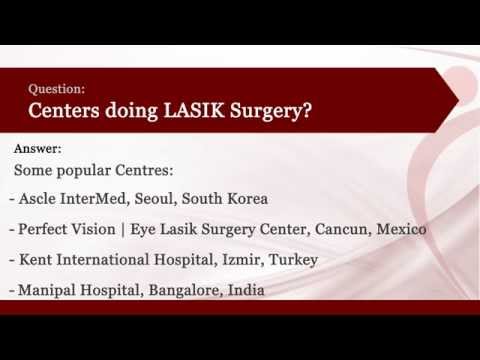






.jpg)
.png)
.png)
.png)








Share this listing