


Understanding the Medical Tourists Journey: From Initial Research to Full Recovery
Understanding the medical tourists journey is essential for anyone frustrated by skyrocketing domestic healthcare costs and endless wait times. Every year, millions of patients bypass local healthcare limitations by traveling abroad for medical treatment. This transformative process allows individuals to access world-class, affordable international healthcare without compromising on safety or quality. Watch as we break down the entire medical tourism process, offering a clear roadmap from your initial research to a safe, successful recovery overseas.
Video Chapters & Quick Navigation
The Catalyst: Why Patients Seek Healthcare Abroad
The decision to travel across international borders for medical care is rarely made on a whim. As highlighted at in the video, understanding the medical tourists journey begins with recognizing the fundamental pain points in local healthcare systems. For many, the catalyst is a staggering financial burden.
Procedures such as complex dental restorations, orthopedic joint replacements, or elective cosmetic surgeries can easily bankrupt an uninsured or underinsured patient in the United States. Even for those with robust insurance policies, high deductibles and denied coverage claims push patients to seek affordable medical tourism packages. Patients quickly realize that they can obtain the exact same procedure, utilizing the same cutting-edge medical technology, for a fraction of the domestic price.
Beyond cost, extreme wait times serve as a primary motivator for traveling abroad for medical treatment. In countries with socialized healthcare systems, such as Canada and the United Kingdom, patients often languish on waiting lists for months or even years for vital surgeries. This unbearable delay degrades their quality of life and forces them to explore international healthcare destinations where they can be treated almost immediately.
The Search for Specialized Expertise
Financial savings and speed are not the only factors driving the global medical tourism industry. A significant portion of medical travelers leave their home countries specifically to access specialized treatments that are either unavailable or unapproved locally. Stem cell therapies, advanced fertility treatments, and holistic alternative medicine protocols draw thousands of patients to specialized global centers of excellence.
When patients begin exploring these options, their mindset shifts from feeling trapped by their local healthcare system to feeling empowered. They transition into the active research phase, determined to reclaim control over their physical well-being. This psychological shift is the true starting line of the medical traveler's journey.
Researching Global Destinations and Facility Accreditation
Once a patient commits to the idea of medical travel, they enter the most critical phase: comprehensive research. As discussed at , this step is vital for ensuring patient safety and securing high-quality outcomes. The internet is flooded with information, making it essential to filter out marketing noise and focus on verified, objective medical data.
Patients must evaluate both the destination country and the specific medical facility. Popular medical tourism destinations like Mexico, Turkey, Costa Rica, and Thailand have invested billions in their healthcare infrastructure to attract international patients. These countries have established highly regulated medical zones dedicated entirely to the medical tourist experience.
The gold standard for evaluating an international hospital is checking for Joint Commission International (JCI) accreditation. When a hospital holds JCI accreditation, it means they adhere to the same rigorous safety, hygiene, and administrative protocols required of top-tier hospitals in the United States. Verifying this certification is a non-negotiable step in the medical tourism preparation checklist.
Comparing Global Healthcare Hubs
Different regions of the world have carved out unique specialties within the medical tourism sector. Understanding these regional strengths helps patients narrow down their choices efficiently.
| Destination Region | Primary Medical Specialties | Key Appeal for Travelers |
|---|---|---|
| Latin America (Mexico, Costa Rica) | Dentistry, Bariatric Surgery, Cosmetic Procedures | Geographic proximity to the US, minimal flight times. |
| Eastern Europe (Turkey, Hungary) | Hair Transplantation, Dental Implants, Vision Correction | Highly advanced technology, luxury hospitality integrations. |
| Southeast Asia (Thailand, India) | Orthopedics, Cardiovascular Surgery, Gender Reassignment | Massive cost savings on highly complex, multi-stage surgeries. |
The Virtual Medical Consultation Process
After shortlisting potential clinics, the medical tourist's journey transitions into direct communication with international healthcare providers. The video outlines this pivotal moment at , emphasizing the importance of transparent dialogue. Today, distance is no longer a barrier to securing a comprehensive medical evaluation.
Patients typically begin by transferring their local medical records to the foreign clinic via secure, encrypted digital portals. This includes recent blood work, MRI scans, panoramic dental X-rays, or specialized diagnostic reports. The international medical team reviews these documents to determine the patient's exact physical condition and eligibility for the requested procedure.
Following the document review, a virtual video consultation is scheduled between the patient and the foreign specialist. This face-to-face digital meeting is vital for building trust and establishing a strong doctor-patient rapport. During this call, the surgeon will explain the proposed treatment plan, discuss potential risks, and outline the expected recovery timeline.
Securing Transparent Price Quotes
One of the greatest benefits of the modern medical tourism process is financial transparency. Unlike the convoluted billing practices found in many Western healthcare systems, international clinics usually provide upfront, all-inclusive medical quotes. These quotes are designed to eliminate hidden fees and unexpected hospital charges.
A comprehensive medical travel quote typically covers the surgeon's fees, anesthesiologist costs, operating room time, medical supplies, and prescribed medications. Many top-tier clinics also include VIP ground transportation and hotel accommodations in their pricing. Knowing the exact financial commitment beforehand drastically reduces patient anxiety and allows for accurate budget planning.
Navigating Travel Logistics and Booking
With a treatment plan secured and finances organized, the patient must now orchestrate the logistics of their international medical trip. As noted at , combining major medical treatment with international travel requires meticulous organization. This is where medical tourism facilitators become invaluable assets to the patient.
Companies like PlacidWay specialize in smoothing out the logistical wrinkles of traveling abroad for medical treatment. They assist patients in securing the necessary medical travel visas, coordinating flight schedules that align with clinical appointments, and booking recovery-friendly accommodations. A specialized medical facilitator acts as a personal concierge, ensuring no detail is overlooked.
Booking the right accommodation is particularly crucial for a safe medical trip. Patients cannot simply book a standard tourist hostel; they require environments conducive to healing. This means selecting hotels with elevator access, ground-floor rooms, accessible bathroom facilities, and proximity to the treating hospital in case of an emergency.
Packing for a Medical Trip
Preparing luggage for a medical vacation is vastly different from packing for a standard holiday. Patients must pack strategically to accommodate their post-operative physical limitations. Loose-fitting clothing that easily buttons up the front is highly recommended, as lifting arms overhead may be restricted after certain surgeries.
- Medical Documentation: Physical copies of all medical records, passports, visas, and clinic confirmation letters.
- Prescription Management: Enough of your current daily medications to last the entire trip, kept in their original labeled prescription bottles.
- Recovery Aids: Specialized travel pillows, compression socks for the flight, and easy-to-digest snacks for the immediate post-operative phase.
The Arrival and Pre-Operative Experience
The moment a patient touches down in their destination country, the theoretical medical tourist journey becomes a tangible reality. The video captures this critical transition at , highlighting how premier clinics prioritize immediate patient comfort. Anxiety is natural upon arrival, but comprehensive medical packages are designed to immediately alleviate travel stress.
Upon exiting the terminal, patients are typically greeted by a dedicated clinic representative holding a personalized sign. This bilingual concierge handles luggage and escorts the patient to a private, air-conditioned vehicle. Being whisked directly to the hotel or clinic bypasses the chaos of navigating foreign public transit or haggling with local taxi drivers.
The first 24 to 48 hours in the destination country are heavily structured around pre-operative preparations. Patients attend an in-person consultation with their surgeon to finalize the treatment plan and conduct a physical examination. This is the time to ask any lingering questions and establish a deep sense of mutual understanding before entering the operating room.
Pre-Surgical Testing and Clearance
International medical standards demand rigorous pre-operative testing to guarantee patient safety. Even if a patient submitted blood work from their home country, foreign clinics will almost always run their own comprehensive diagnostics upon arrival. This ensures the medical data is entirely current and accurate right before the procedure.
These tests commonly include complete blood counts, electrocardiograms (ECGs) to check heart health, and specialized imaging like 3D CT scans for dental or orthopedic work. Once the internal medical team reviews the fresh data and clears the patient for surgery, the final procedural schedule is locked in.
The Treatment and Hospital Stay Phase
The pinnacle of understanding the medical tourists journey is the treatment itself. Discussed at length at , this phase showcases the exceptional quality of international healthcare facilities. Patients are often astounded by the modernity, cleanliness, and advanced technology present in these global medical centers.
On the day of the procedure, patients are admitted to private, hotel-like hospital suites designed for maximum comfort and privacy. Nursing staff in premium medical tourism hospitals are highly trained in international patient care, ensuring smooth communication and attentive service. The surgical protocols followed strictly adhere to international best practices, minimizing the risk of complications.
Following the surgery, the immediate recovery phase begins within the hospital walls. Depending on the complexity of the procedure, a patient may stay overnight or for several days under continuous medical observation. Pain management, infection prevention, and vital sign monitoring are handled with meticulous precision by the attending medical staff.
The Advantage of High Nurse-to-Patient Ratios
One distinct advantage of traveling abroad for medical treatment is the incredibly high standard of bedside care. Western hospitals are frequently understaffed, leading to delayed nurse responses and a generalized feeling of neglect. Conversely, international medical hubs pride themselves on exceptional hospitality and patient monitoring.
Many top clinics offer dedicated, one-on-one nursing care during the critical first 24 hours post-surgery. This personalized attention drastically improves patient morale, accelerates early mobilization, and ensures that any post-operative discomfort is addressed immediately. The blend of high-tech medicine and warm, traditional hospitality is a hallmark of the global medical travel experience.
Post-Operative Recovery and Leisure Abroad
Discharge from the hospital does not mean the medical tourist's journey is over; in fact, the recovery phase is just beginning. As detailed at , patients must remain in the destination country for a mandatory healing period before they are medically cleared to fly. This requirement protects patients from deep vein thrombosis (DVT) and allows the surgeon to monitor the initial healing progress.
This post-operative window is where the "tourism" aspect of medical travel truly shines. Patients transition to a luxury recovery boutique or a comfortable resort to rest. Healing in a serene environment, away from the daily stresses of work and home life, has been clinically shown to positively impact physical recovery rates.
While strenuous tourist activities are strictly prohibited, patients can engage in gentle leisure depending on their surgeon's clearance. Enjoying the local cuisine, relaxing by a resort pool, or taking light walks through historical districts transforms a clinical recovery into a rejuvenating vacation. It shifts the narrative of surgery from a traumatic event to a holistic healing retreat.
Follow-Up Clinic Visits
During this recovery period, the patient will have several scheduled follow-up appointments at the clinic. These visits are critical for evaluating the surgical site, removing sutures or drains, and ensuring there are no signs of infection.
The surgeon will assess the patient's mobility and overall healing trajectory. Only when the medical team is absolutely confident in the patient's stability will they issue a formal "fit to fly" certificate. This document is crucial, as some airlines require medical clearance before allowing recent surgery patients to board international flights.
Returning Home: Long-Term Aftercare and Follow-up
The final phase of understanding the medical tourists journey involves the transition back to daily life. Featured at in the video, a successful return home requires careful coordination between the international clinic and the patient's local healthcare providers. Continuity of care is paramount for long-term procedural success.
Before leaving the foreign clinic, patients are provided with a comprehensive discharge packet. This packet contains translated surgical reports, detailed post-operative care instructions, digital copies of all pre- and post-op imaging, and a summary of any medications administered. This documentation guarantees that local doctors have a crystal-clear understanding of the work that was performed abroad.
Reputable international clinics do not abandon their patients once they board their flight home. They establish a robust remote follow-up schedule utilizing telemedicine platforms. Patients are encouraged to send regular photo updates and attend virtual check-ins with their foreign surgeon at the 30-day, 90-day, and six-month marks, ensuring the healing process continues smoothly long after the passport is stamped.
Integrating with Local Healthcare
Upon returning home, it is highly recommended that medical tourists schedule a brief check-up with their primary care physician. Sharing the international discharge documents helps integrate the foreign procedure into the patient's permanent domestic health record.
In the rare event of a delayed complication, having a local doctor already briefed on the international surgery ensures rapid, informed medical intervention. By planning the aftercare phase meticulously, medical travelers secure not only massive financial savings and world-class treatment but also absolute peace of mind for their long-term health.
Ready to Begin Your Medical Travel Journey?
Don't let high costs or endless wait times stop you from living a healthy, pain-free life. PlacidWay connects you with globally accredited hospitals and customized medical travel packages to make your journey safe, affordable, and completely seamless.
REQUEST YOUR FREE QUOTE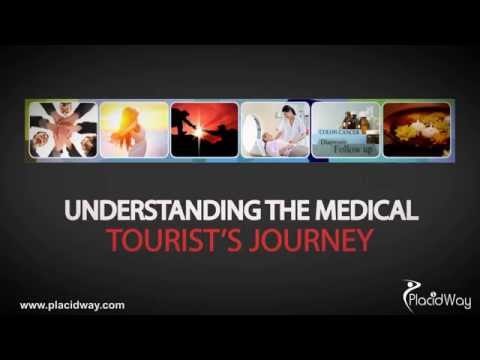















Share this listing