


The Complete Guide to Stem Cell Therapy for ALS in Europe: Hope, Science, and Healing
A diagnosis of Amyotrophic Lateral Sclerosis (ALS) often leaves patients and families feeling powerless against a rapidly progressing condition. Traditional pharmaceuticals offer limited efficacy, prompting a global search for innovative interventions. Stem cell therapy for ALS in Europe has emerged as a beacon of hope, providing access to advanced regenerative medicine protocols not yet widely available elsewhere. Watch to discover how European clinics are utilizing cutting-edge stem cell treatments to target neuroinflammation, protect motor neurons, and potentially alter the trajectory of motor neuron disease.
Video Chapters & Quick Navigation
Navigating a diagnosis of Amyotrophic Lateral Sclerosis requires immense courage, resilience, and rapid access to the most advanced medical information available globally. Motor neuron disease relentlessly attacks the nervous system, systematically eroding voluntary muscle control. For patients and families facing this daunting reality, the search for disease-modifying therapies often points directly toward regenerative medicine.
Europe has firmly established itself as a global epicenter for advanced medical research and regenerative therapies. By combining stringent regulatory safety frameworks with compassionate use programs, European clinics are providing groundbreaking treatment options for neurodegenerative diseases. As highlighted in the video at , international patients are increasingly seeking these specialized therapies abroad.
The Reality of ALS and the Limitations of Standard Care
Amyotrophic Lateral Sclerosis, commonly known as Lou Gehrig's disease, is a progressive neurodegenerative disorder that selectively targets motor neurons in the brain and spinal cord. As these vital nerve cells deteriorate and die, the brain loses its ability to initiate and control muscle movement. Patients typically experience progressive weakness, muscle atrophy, and eventually lose the ability to speak, swallow, and breathe.
The current landscape of FDA-approved treatments for ALS is frustratingly narrow and predominantly palliative. Medications such as Riluzole and Edaravone have been shown in clinical trials to extend survival by only a few months or slightly slow functional decline. They do not halt the disease process, nor do they repair the profound neurological damage that has already occurred.
The Urgent Need for Disease-Modifying Therapies
Because standard pharmacological interventions fall short, the medical community has urgently pivoted toward cellular therapies. The ultimate goal of treating ALS is no longer just managing symptoms, but actively intervening in the hostile cellular environment of the central nervous system. This paradigm shift focuses on neuroprotection and the aggressive reduction of neuroinflammation.
Traditional medicine views the central nervous system as a static environment incapable of profound healing once damage occurs. Regenerative medicine challenges this outdated notion by introducing biological agents that actively alter the immune response. This fundamental difference in medical philosophy is driving thousands of patients to explore stem cell clinics overseas.
The Science Behind Stem Cell Therapy for ALS
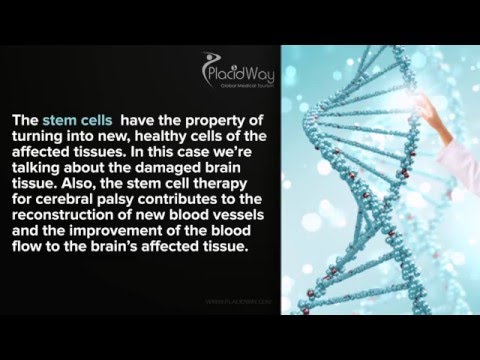
Stem cell treatment for motor neuron disease primarily utilizes Mesenchymal Stem Cells (MSCs), which are highly specialized adult stem cells. These cells can be ethically sourced from the patient's own bone marrow, adipose (fat) tissue, or highly screened umbilical cord tissue. Unlike embryonic stem cells, MSCs do not carry the risk of uncontrolled growth or ethical controversies.
Once introduced into the patient's body, these intelligent cells do not necessarily turn into new motor neurons. Instead, they act as microscopic cellular paramedics. As discussed at in the video, they secrete a powerful cocktail of growth factors, cytokines, and neurotrophic factors directly into the damaged neural environment.
Mechanisms of Action in the Central Nervous System
The primary mechanism of action is profound immunomodulation. In ALS patients, the immune system often creates a toxic, inflammatory environment that accelerates the death of motor neurons. Mesenchymal stem cells actively suppress this toxic neuroinflammation, essentially putting out the fire that is destroying the nervous system.
Furthermore, MSCs secrete Brain-Derived Neurotrophic Factor (BDNF) and Glial Cell Line-Derived Neurotrophic Factor (GDNF). These critical proteins support the survival of existing motor neurons and promote the repair of damaged neural pathways. By enriching the cerebrospinal fluid with these healing factors, the therapy aims to significantly slow the progression of the disease.
Why Choose Europe for Regenerative Medicine?
Europe stands at the forefront of regenerative medicine due to a unique blend of historical medical prestige and progressive regulatory frameworks. The European Medicines Agency (EMA) classifies stem cell treatments under Advanced Therapy Medicinal Products (ATMPs). This rigorous classification ensures that treatments are held to the highest global standards of safety and quality control.
However, unlike the often rigid and protracted clinical trial phases in North America, many European countries have implemented compassionate use protocols. These programs legally allow physicians to administer advanced cellular therapies to patients with life-threatening conditions who have exhausted standard treatment options. This vital legal pathway provides immediate access to life-extending therapies.
State-of-the-Art Laboratory Facilities
The success of regenerative therapy depends entirely on the quality, viability, and sheer number of stem cells administered. European clinics frequently boast Good Manufacturing Practice (GMP) certified laboratories on-site. This integration ensures that cells are harvested, cultivated, and expanded under the strictest sterile conditions imaginable.
When cells are expanded in a top-tier European laboratory, specialists can multiply a patient's own stem cells into the tens of millions. This massive cellular payload is crucial for achieving a therapeutic effect in severe neurodegenerative diseases. The superior laboratory infrastructure is a primary reason why European clinical outcomes frequently surpass those found in less regulated regions.
Top European Destinations for ALS Stem Cell Treatment
Not all countries approach regenerative medicine equally, and several European nations have distinguished themselves as leaders in this specific medical niche. Patients traveling for advanced medical care must carefully evaluate the unique advantages offered by different regions. Factors such as medical infrastructure, physician expertise, and overall treatment costs vary significantly across the continent.
Germany is widely recognized as the gold standard for precision medicine and rigorous clinical protocols. Clinics in cities like Frankfurt and Munich utilize highly advanced stem cell isolation techniques and focus heavily on patient safety. Meanwhile, Switzerland offers unparalleled luxury, absolute privacy, and highly individualized concierge medical care tailored for high-net-worth individuals.
Comparative Overview of Leading Medical Hubs
To help patients make informed decisions, it is essential to compare the primary hubs for neuro-regenerative care. Eastern European countries and Spain are also emerging as highly competent, yet more affordable, alternatives to central Europe. The video touches on these regional differences at , emphasizing the importance of matching the destination to the patient's specific needs.
| Country | Medical Specialization | Regulatory Framework | Cost Profile |
|---|---|---|---|
| Germany | Autologous bone marrow MSCs, strict clinical protocols, advanced neuro-rehab. | Highly regulated by Paul-Ehrlich-Institut (PEI). | High to Premium |
| Switzerland | Bespoke cellular expansion, VIP concierge care, holistic integrations. | Swissmedic oversight, compassionate use exemptions. | Ultra-Premium |
| Spain | Adipose-derived stem cells, excellent patient support, modern facilities. | AEMPS regulated, strong clinical trial network. | Moderate to High |
| Eastern Europe (e.g., Poland) | Umbilical cord Wharton’s Jelly MSCs, accessible comprehensive care. | EU directives compliant, specialized ATMP clinics. | Accessible |
Clinical Treatment Protocols: What Patients Can Expect
Undergoing regenerative therapy is a meticulously orchestrated medical process that typically spans several days to a few weeks. European clinics prioritize comprehensive diagnostics before any cellular therapy is administered. This ensures the protocol is perfectly customized to the patient's specific stage of disease progression.
The initial phase involves rigorous blood panels, neurological assessments, and often advanced MRI imaging to map the extent of upper and lower motor neuron damage. Once cleared, the harvesting process begins. If using autologous cells, physicians perform a minimally invasive bone marrow aspiration, usually from the hip bone under local anesthesia, ensuring maximum patient comfort.
The Administration of Mesenchymal Stem Cells
The most critical phase of the treatment is how the expanded stem cells are reintroduced into the patient's body. For neurodegenerative diseases like ALS, intravenous (IV) drips are standard, but they are often insufficient on their own. The blood-brain barrier naturally blocks many systemic treatments from reaching the central nervous system effectively.
To bypass this barrier, top European neurologists utilize intrathecal administration. This involves a lumbar puncture, injecting the concentrated stem cells directly into the spinal fluid. As noted at in the presentation, this direct route ensures that the neurotrophic factors immediately bathe the brain and spinal cord, maximizing therapeutic efficacy.
Evaluating Patient Candidacy and Managing Expectations
It is vital for patients and their families to approach stem cell therapy with scientifically grounded expectations. Reputable European clinics conduct strict candidacy evaluations and will not accept patients if the therapy is deemed unsafe or highly unlikely to provide benefit. Transparency is a hallmark of ethical regenerative medicine.
Generally, the best candidates are those in the early to middle stages of motor neuron disease. Patients with recent onset of symptoms typically have a larger reserve of viable motor neurons that the therapy can protect. Advanced-stage patients reliant on continuous invasive ventilation may face higher risks during travel and the procedures themselves.
Understanding the Therapeutic Goals
Medical professionals are careful to emphasize that stem cell therapy is not a cure for ALS. The genetic and environmental triggers of the disease remain complex and fully unresolved by modern science. The realistic clinical goal is disease modification—specifically, slowing the rapid progression of paralysis and preserving a higher quality of life for a longer duration.
Many patients report subjective improvements in energy levels, a reduction in muscle fasciculations (twitching), and a temporary stabilization of breathing capacity. While dramatic reversals of paralysis are exceedingly rare, extending the plateau phase of the disease allows patients valuable time with their loved ones. This stabilization is considered a significant clinical success in the context of ALS.
Cost Analysis: Financing Stem Cell Therapy Abroad
The financial aspect of seeking cutting-edge medical care internationally is a major consideration for affected families. Because stem cell therapy for ALS is largely considered experimental or investigative by North American insurance providers, treatments are almost entirely out-of-pocket expenses. Understanding the cost breakdown is essential for effective medical travel planning.
Comprehensive stem cell packages in Europe generally range from $15,000 to over $40,000 USD, depending heavily on the country, the number of stem cells cultured, and the length of the clinical stay. While this represents a substantial investment, it is often more competitively priced than unauthorized or black-market clinics elsewhere that lack GMP certification and regulatory oversight.
What All-Inclusive Medical Packages Cover
To ease the burden on international patients, leading facilities structure their pricing into all-inclusive medical tourism packages. These comprehensive bundles are designed to remove the stress of logistical planning from a patient already battling severe fatigue and mobility issues.
- Advanced Diagnostics: Full neurological workups, blood typing, and metabolic paneling prior to treatment.
- Laboratory Cultivation: The highly specialized, multi-day process of expanding mesenchymal stem cells in a sterile GMP facility.
- Physician and Facility Fees: Costs associated with the anesthesiologist, neurologist, and the surgical suite for intrathecal injections.
- Concierge Logistics: VIP airport transfers in wheelchair-accessible vehicles, translation services, and assistance with specialized accommodation.
Managing Travel Logistics for ALS Patients
Traveling across international borders with a progressive neuromuscular disease requires meticulous planning. As mobility declines, the logistics of flying, navigating airports, and staying in foreign hotels become incredibly complex. European medical hubs are highly accustomed to these challenges and provide robust support systems for inbound patients.
It is strongly advised to work with dedicated medical tourism facilitators who understand the specific needs of ALS patients. They ensure that commercial airlines are properly notified regarding wheelchair assistance, portable oxygen concentrators, or BiPAP machines. Securing ground transportation that can accommodate specialized medical equipment is handled long before the patient's flight touches down.
Accommodation and Post-Treatment Care
European clinics maintain partnerships with specialized hotels and recovery centers located near their medical facilities. These accommodations feature fully accessible bathrooms, adjustable hospital beds, and emergency call systems. This ensures the patient remains safe and comfortable during the days required for cell cultivation and post-injection monitoring.
Following the administration of the stem cells, patients are usually required to stay in the country for an additional 3 to 5 days. This observation period allows the medical team to monitor for any rare adverse reactions, such as mild fevers or headaches associated with the lumbar puncture. Once cleared by the attending neurologist, patients are safely discharged to return home with a comprehensive follow-up care plan.
The Ongoing Evolution of Regenerative Neurology
The landscape of treating motor neuron disease is shifting rapidly. With every successful protocol administered in Europe, the global medical community gains invaluable data on cellular efficacy and neuroprotection. The combination of advanced laboratory techniques, strict EMA oversight, and a deep commitment to patient care makes Europe an unrivaled destination for those fighting ALS.
For patients unwilling to accept the limitations of current conventional medicine, exploring stem cell therapy offers a proactive path forward. By intervening at the cellular level, managing neuroinflammation, and supporting dying motor neurons, regenerative medicine provides the most scientifically promising avenue for extending quality of life in the face of this relentless disease.
Ready to Explore Stem Cell Therapy for ALS in Europe?
Do not wait as symptoms progress. PlacidWay Medical Tourism connects you directly with Europe’s most advanced, accredited stem cell clinics. Let our expert team help you evaluate your candidacy, understand treatment costs, and handle the complex logistics of international medical travel.
GET A FREE CLINICAL EVALUATION
















Share this listing