


The Complete Guide to Diabetes Treatment with Stem Cell Therapy
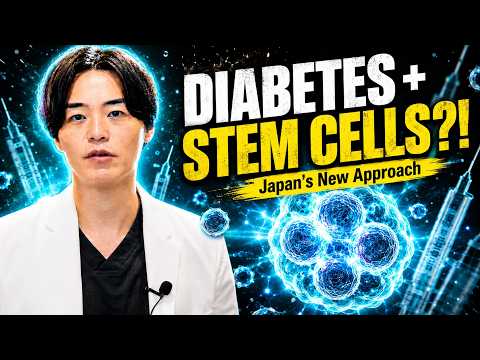
Living with chronic blood sugar fluctuations often feels like an endless cycle of finger pricks, strict dietary limitations, and daily insulin dependence. For decades, conventional medicine has offered ways to manage the symptoms, but a true reversal seemed impossible. Today, diabetes treatment with stem cell therapy is rapidly emerging as a groundbreaking solution in regenerative medicine. By harnessing the body's innate ability to heal and regenerate damaged tissues, advanced protocols are now targeting the root causes of both Type 1 and Type 2 diabetes. Watch to discover how this innovative medical breakthrough is helping patients reduce their reliance on exogenous insulin and reclaim their quality of life.
Video Chapters & Quick Navigation
The Global Diabetes Epidemic and Conventional Limitations
The global prevalence of metabolic disorders has reached staggering proportions, affecting hundreds of millions of individuals worldwide. Traditional medical interventions have largely focused on symptom management rather than addressing the underlying cellular dysfunction. Patients are frequently prescribed a regimen of oral hypoglycemic agents, rigid dietary restrictions, and daily insulin injections just to maintain baseline health.
As discussed in the video at , while these conventional therapies are life-saving, they do not halt the progression of the disease. Over time, prolonged exposure to fluctuating blood glucose levels can lead to severe systemic complications. These include diabetic neuropathy, retinopathy leading to vision loss, cardiovascular disease, and chronic kidney failure.
This reality has driven the scientific community to seek alternative treatments for diabetes mellitus. The goal has shifted from merely managing blood sugar levels to finding ways to restore the body's natural insulin production and improve cellular sensitivity. This paradigm shift has positioned regenerative medicine as one of the most promising frontiers in modern endocrinology.
What is Diabetes Treatment with Stem Cell Therapy?
To fully grasp the potential of this medical breakthrough, it is essential to understand the mechanics of regenerative medicine. Stem cells are the body's master cells; they are unique in their ability to self-renew and differentiate into various specialized cell types. When introduced into a patient's body, they can actively seek out areas of inflammation and tissue damage.
For individuals suffering from metabolic disorders, the primary focus is often on Mesenchymal Stem Cells (MSCs). These specific cells possess profound immunomodulatory properties, meaning they can regulate and repair a malfunctioning immune system. This is a critical factor, especially for autoimmune conditions where the body mistakenly attacks its own healthy tissues.
Types of Stem Cells Used in Metabolic Therapies
Not all stem cells are created equal. Medical professionals utilize different sources depending on the patient's specific condition, age, and overall health profile. The most commonly utilized variants in international clinics include:
| Stem Cell Source | Medical Characteristics | Common Application |
|---|---|---|
| Umbilical Cord Tissue (UC-MSCs) | Highly potent, ethically sourced, low risk of rejection, excellent immunomodulation. | Both Type 1 and Type 2 Diabetes |
| Adipose-Derived (Fat Tissue) | Harvested from the patient's own body (autologous), abundant supply. | Type 2 Diabetes and Neuropathy |
| Bone Marrow-Derived | Traditional autologous source, excellent for blood and immune system resetting. | Severe Autoimmune Type 1 Diabetes |
Regenerating Pancreatic Function: Type 1 Diabetes
Type 1 diabetes is fundamentally an autoimmune disorder. The patient's immune system erroneously identifies the insulin-producing beta cells in the pancreas as foreign invaders and destroys them. Without these critical cells, the body cannot produce insulin, leading to an absolute dependence on synthetic insulin therapy.
Regenerative medicine for Type 1 diabetes approaches this complex issue from two distinct angles. First, as highlighted at , the mesenchymal stem cells work to halt the autoimmune attack. They release cytokines and growth factors that essentially "reboot" the immune system, teaching it to stop attacking the pancreas. This immunomodulation is critical for creating a hospitable environment for healing.
The second phase involves cellular regeneration. Once the immune attack is neutralized, the introduced stem cells promote angiogenesis (the formation of new blood vessels) and stimulate the body's own dormant progenitor cells. Over several months, this process can encourage the regeneration of pancreatic beta cells, allowing the body to slowly resume natural insulin production.
Reversing Insulin Resistance: Stem Cell Therapy for Type 2 Diabetes
Unlike Type 1, Type 2 diabetes is primarily a condition of insulin resistance and systemic inflammation. The pancreas may still produce insulin, but the body's cells fail to respond to it effectively. Over time, the pancreas becomes exhausted from overworking, leading to decreased insulin output and elevated blood glucose levels.
Stem cell therapy for Type 2 diabetes focuses heavily on repairing metabolic function and reducing chronic cellular inflammation. When MSCs are infused into the bloodstream, they systematically target inflamed tissues and organs, including the liver, muscles, and fat tissues where insulin resistance is most prominent.
By lowering systemic inflammation, the therapy helps restore the sensitivity of insulin receptors on the cell surfaces. Patients often experience significant improvements in their body's ability to utilize its own natural insulin. This biochemical correction can lead to a drastic reduction in the need for oral medications and synthetic insulin, effectively reversing the progressive nature of the disease.
The Step-by-Step Clinical Procedure
Many patients wonder what actually happens when they travel for regenerative medicine. The process is highly regulated, minimally invasive, and designed for maximum patient comfort. It generally follows a strict medical protocol spanning several days.
1. Comprehensive Medical Evaluation
Before any treatment begins, patients undergo exhaustive blood panels, metabolic testing, and immune system profiling. This ensures that the chosen stem cell dosage and delivery method are perfectly tailored to their specific biological markers.
2. Harvesting and Culturing (If Autologous)
If a patient is using their own cells, a minor outpatient procedure is performed to extract tissue from the abdominal fat or bone marrow. These cells are then transported to a state-of-the-art laboratory where they are isolated, purified, and expanded into the millions to ensure therapeutic potency.
3. The Infusion Process
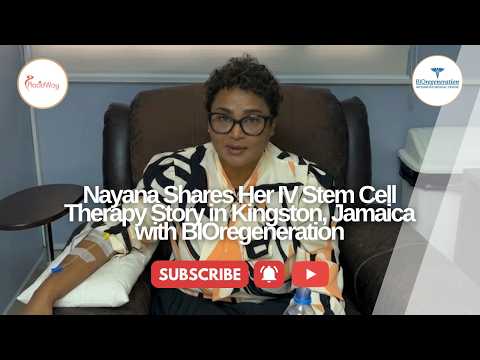
The actual administration of the cells is straightforward. As shown at in our video guide, the most common delivery method is a simple intravenous (IV) drip. The patient relaxes in a comfortable medical suite for one to two hours while the millions of potent, regenerative cells enter the bloodstream and begin their journey to the damaged tissues.
Advanced Delivery Systems for Maximum Efficacy
While standard IV therapy is highly effective for systemic metabolic issues, top international clinics are utilizing advanced delivery methods to maximize clinical outcomes. The goal is to ensure the highest possible concentration of stem cells reaches the target organs.
In addition to systemic IV infusions, some specialized medical centers employ targeted arterial injections. By utilizing advanced imaging guidance, interventional radiologists can deliver a concentrated dose of stem cells directly into the pancreatic artery. This localized delivery bypasses the lungs and liver, ensuring that the maximum number of regenerative cells reaches the damaged beta cells.
Furthermore, clinics are increasingly combining cellular therapies with exosome therapy. Exosomes are tiny extracellular vesicles that facilitate communication between cells. Adding exosomes to a stem cell protocol acts as a powerful catalyst, accelerating the healing process and amplifying the anti-inflammatory effects throughout the body.
Evaluating the Cost of Stem Cell Therapy for Diabetes Abroad
One of the most significant barriers to accessing advanced regenerative medicine in the United States, Canada, and the United Kingdom is the exorbitant cost and strict regulatory limitations. In many Western countries, cellular therapies are either unavailable for metabolic conditions or priced well out of reach for the average patient.
This financial disparity has fueled a massive surge in medical tourism. Patients are discovering that they can receive world-class, heavily regulated treatments abroad for a fraction of the domestic price. The cost of stem cell therapy for diabetes abroad typically ranges from $5,000 to $15,000, depending on the number of cells required and the specific clinical protocol.
- United States / Canada: Often restricted to clinical trials; out-of-pocket costs can exceed $25,000 to $40,000 for off-label treatments.
- Latin America (Mexico, Colombia): Highly competitive pricing ranging from $5,000 to $9,000, featuring pristine facilities and internationally board-certified specialists.
- Europe (Germany, Switzerland): Premium pricing around $12,000 to $18,000, known for utilizing cutting-edge bio-technologies and highly customized luxury care.
Top International Destinations for Regenerative Medicine
When considering traveling for healthcare, choosing the right destination is just as important as choosing the right treatment. Several countries have positioned themselves as global leaders in safe, ethical, and highly advanced regenerative therapies.
Excellence in Latin America
Mexico and Colombia are widely regarded as premier destinations for North American patients. Cities like Tijuana, Cancun, and Bogota boast spectacular medical facilities that maintain strict compliance with international medical boards. These clinics benefit from favorable regulatory frameworks that allow for the legal expansion and application of umbilical cord tissue MSCs.
European Precision and Innovation
For patients located in Europe or the Middle East, Germany and Ukraine have historically been at the forefront of cellular research. German clinics, in particular, are renowned for their meticulous attention to detail, combining stem cell infusions with holistic functional medicine, heavy metal detoxification, and rigorous post-treatment nutritional counseling.
These international facilities are not just medical centers; they are designed as comprehensive wellness retreats. Patients are supported by dedicated medical concierges who handle airport transfers, luxury accommodations, and language translation, ensuring a stress-free healing environment.
Patient Candidacy: Who Qualifies for this Innovative Treatment?
While the potential of regenerative medicine is vast, it is important to understand that not every individual is an ideal candidate for these procedures. A thorough medical pre-screening is an absolute necessity to ensure patient safety and optimize clinical outcomes.
Ideal candidates for stem cell therapy for Type 2 diabetes are typically those who have struggled to maintain glycemic control despite adhering to strict diets and oral medications. Patients who are just beginning to experience the early signs of diabetic complications, such as mild neuropathy or initial kidney stress, often see the most dramatic improvements.
For Type 1 diabetics, early intervention is key. Patients who have been recently diagnosed often possess a higher remaining volume of viable beta cells. By intervening early with immunomodulatory stem cells, doctors can preserve the remaining pancreatic function and stimulate rapid regeneration. However, patients with active cancer, severe uncontrolled infections, or late-stage organ failure may be advised against the therapy.
Long-Term Health Expectations and Lifestyle Integration
It is crucial for patients to approach regenerative therapies with realistic expectations. As noted at , stem cell therapy is not a magic wand that instantly cures decades of metabolic dysfunction overnight. Healing occurs at a cellular level, and the physical manifestations of that healing take time to surface.
Most patients begin to notice improvements in their energy levels, reduced neuropathic pain, and more stable blood glucose readings within three to six months post-infusion. Many successfully consult with their primary endocrinologists to gradually titrate down their insulin dosages as their natural pancreatic function improves.
Furthermore, the longevity of the treatment is heavily dependent on the patient's commitment to lifestyle modifications. Stem cells repair the immediate damage and reset the immune system, but returning to a lifestyle of high sugar consumption and sedentary habits will eventually recreate the toxic environment that caused the disease. Integrating anti-inflammatory diets, regular exercise, and stress management is essential to maintaining the profound benefits of the therapy.
Ready to Reclaim Your Health and Vitality?
PlacidWay Medical Tourism connects you with the world's most advanced, accredited stem cell clinics. Explore safe, affordable, and revolutionary regenerative treatments abroad. Let our expert advisors guide you on your journey to wellness.
GET A FREE QUOTE

















Share this listing