
The Complete Guide to Stem Cell Therapy for Cerebral Palsy in Europe
About this guide: Finding effective treatments for a child with a neurological condition is often an overwhelming journey for families. However, a new frontier of hope has emerged through advanced regenerative medicine. Stem cell therapy for cerebral palsy in Europe is rapidly becoming the premier choice for parents seeking innovative, evidence-based care.
By combining world-class medical infrastructure with progressive cellular protocols, European clinics are offering unprecedented opportunities for neuro-regeneration. Read on to discover how these groundbreaking pediatric stem cell treatments are transforming lives.
Video Chapters & Quick Navigation
Understanding the Breakthrough: Stem Cell Therapy for Cerebral Palsy
Cerebral palsy (CP) is widely recognized as a complex group of neurological disorders that permanently affect body movement, muscle coordination, and balance. Historically, the medical consensus was that brain damage sustained during fetal development or early infancy was entirely irreversible. Traditional treatment protocols primarily focused on symptom management through physical therapy, muscle relaxants, and invasive orthopedic surgeries.
However, the global medical community is experiencing a monumental paradigm shift thanks to the advent of regenerative medicine. As noted in the video at , stem cell therapy introduces a proactive approach rather than a merely reactive one. By utilizing the body's fundamental building blocks, doctors are now attempting to repair the underlying neurological damage rather than just masking the physical symptoms.
This breakthrough relies on the unique biological properties of stem cells, which possess the extraordinary ability to differentiate into various cell types. When introduced into a patient's system, these cells can navigate toward areas of injury, reduce systemic inflammation, and promote the regeneration of damaged neural pathways. For parents, this represents a tangible shift from managing deterioration to actively promoting neuro-development.
How Regenerative Medicine Targets Brain Injury in CP Patients
The science behind pediatric stem cell treatment is deeply rooted in the concept of neuroplasticity. The human brain, especially in young children, is incredibly malleable and capable of forming new synaptic connections. Stem cells act as a powerful catalyst for this natural biological process.
The Role of Paracrine Signaling
One of the primary mechanisms of action is paracrine signaling. When stem cells are administered, they do not just replace dead brain cells; they act as microscopic pharmaceutical factories. They secrete powerful growth factors, cytokines, and neurotrophic factors that stimulate the surrounding tissue to heal itself.
This secretome effect is vital for reducing neuroinflammation, which is a chronic issue in the brains of CP patients. By calming the inflammatory response, the existing, healthy neurons are given a more hospitable environment to thrive, function, and communicate. This often translates to noticeable reductions in spasticity and improvements in motor control.
Angiogenesis and Blood Flow Restoration
Another critical function discussed around is angiogenesis, which is the formation of new blood vessels. Many cases of cerebral palsy are caused by hypoxic-ischemic encephalopathy (HIE), a condition where the brain is temporarily deprived of oxygen. The damage leaves certain areas of the brain with poor microcirculation.
Stem cells actively promote the growth of new capillary networks within the damaged cerebral tissue. By restoring optimal blood flow, dormant or damaged neurons receive the oxygen and vital nutrients required to awaken and resume functioning. This process is essential for long-term cognitive and motor skill improvement.
Why Families are Choosing Europe for Pediatric Stem Cell Treatment
When searching for the best clinics for stem cell therapy for cerebral palsy, thousands of international families are looking past their domestic healthcare systems and setting their sights on Europe. The reasons extend far beyond just cost savings, encompassing regulatory freedom, medical expertise, and holistic care models.
In regions like North America, the regulatory landscape for cellular therapy is notoriously slow. The FDA maintains extremely strict classifications on stem cell expansion and culturing, limiting the types of advanced treatments available. Conversely, the European Medicines Agency (EMA) alongside progressive national health ministries has created safe, regulated frameworks that allow for the ethical application of advanced regenerative protocols.
European medical centers are uniquely positioned as global hubs for clinical trials and translational medicine. This means that the gap between a laboratory breakthrough and clinical application is significantly shorter. Patients traveling to Europe gain access to next-generation therapies—such as expanded mesenchymal stem cell treatments—years before they become available in their home countries.
Types of Stem Cells Used in Neurological Regeneration
Not all stem cells are created equal, and understanding the cellular source is vital for setting realistic expectations. The most successful clinics in Europe utilize highly specific, ethically sourced cellular products tailored for neurological repair.
- Mesenchymal Stem Cells (MSCs): Sourced from bone marrow, adipose (fat) tissue, or umbilical cord tissue, MSCs are the gold standard for CP treatment. They have a profound immunomodulatory effect and exceptional tissue-repair capabilities.
- Umbilical Cord Blood Stem Cells: Rich in hematopoietic and mesenchymal cells, these are ethically harvested from donated umbilical cords post-delivery. They are highly potent, youthful cells that are incredibly effective for pediatric patients.
- Wharton's Jelly-Derived Cells: Extracted from the gelatinous substance within the umbilical cord, these cells yield massive quantities of growth factors and are renowned for their ability to cross the blood-brain barrier effectively.
As highlighted at , European clinics utilize state-of-the-art laboratories to cultivate these cells. The rigorous screening for genetic abnormalities and infectious diseases ensures that the cellular products are not only effective but incredibly safe, with a near-zero risk of rejection or adverse immune reactions.
Top Destinations and Clinics for CP Stem Cell Therapy
Europe is not a monolith; different countries offer varying specialties within the medical tourism sector. Choosing the right destination depends on the patient’s specific needs, budget, and desired level of secondary rehabilitation services.
1. Germany: The Pinnacle of Precision Medicine
Germany is universally respected for its meticulous medical standards and cutting-edge biotechnology. Clinics in cities like Frankfurt and Munich offer highly individualized stem cell treatments for cerebral palsy. German centers are particularly known for integrating cellular therapy with advanced robotic neuro-rehabilitation, ensuring the new neural pathways are immediately put to use.
2. Poland: Accessible Excellence
Over the last decade, Poland has quietly become a powerhouse for regenerative medicine in Eastern Europe. Polish clinics offer highly competitive pricing without sacrificing medical quality. They strictly adhere to EU medical directives and frequently employ multidisciplinary teams consisting of neurologists, pediatricians, and specialized physiotherapists to provide holistic care.
3. Switzerland: Premium Healthcare and Privacy
For families seeking exclusive, VIP healthcare experiences, Switzerland remains the ultimate destination. Swiss clinics combine highly advanced cellular biology with luxurious recovery environments. The privacy, personalized attention, and serene alpine surroundings provide an exceptionally stress-free healing environment for young patients.
Cost Comparison: Treatment in Europe vs. North America
The financial burden of caring for a child with cerebral palsy is immense, and the high cost of experimental treatments in the US or Canada can be prohibitive. Cost is a major driver pushing families toward European medical centers, where the value proposition is significantly higher.
In North America, the few clinical trials or private clinics offering cellular therapies can charge astronomical fees, often exceeding what insurance is willing to cover since the treatment is considered experimental. European clinics benefit from lower administrative overhead, government-subsidized medical education, and streamlined regulatory processes, allowing them to pass savings directly to the patient.
| Region / Country | Estimated Cost Range (USD) | Typical Package Inclusions |
|---|---|---|
| United States | $25,000 - $45,000+ | Therapy only; minimal physical therapy. |
| Germany | $15,000 - $22,000 | Cell therapy, robotic rehab, airport transfers. |
| Poland | $8,000 - $14,000 | Multi-day therapy, consultations, basic lodging. |
| Switzerland | $20,000 - $35,000 | Premium cells, luxury accommodation, private nursing. |
It is crucial to note that European packages are often all-inclusive. As mentioned at , these comprehensive packages frequently cover the cellular product, necessary blood work, neurological evaluations, hospital stays, and extensive post-treatment physical therapy sessions. This transparency prevents families from facing hidden medical bills upon returning home.
Patient Evaluation and the Treatment Process
Embarking on international medical travel can seem daunting, but top-tier European clinics have perfected the process to ensure it is as stress-free as possible for families with disabled children. The journey always begins with a rigorous, remote medical evaluation to determine patient candidacy.
The Initial Consultation Phase
Before any flights are booked, parents must submit their child's comprehensive medical records, including recent MRI scans, EEG reports, and physical therapy logs. A multidisciplinary medical board reviews these documents to ascertain if the specific type of cerebral palsy will respond to stem cell intervention. This ethical gatekeeping ensures that only viable candidates proceed, protecting vulnerable families from false hope.
The Administration Methods
Once at the clinic, the actual administration of stem cells is minimally invasive. Depending on the child's specific neurological deficits, doctors may choose an intravenous (IV) drip, which circulates cells systemically to target generalized inflammation. Alternatively, they may use an intrathecal injection (via a lumbar puncture).
The intrathecal method is highly favored in Europe for cerebral palsy. By injecting the cells directly into the spinal fluid, they bypass the blood-brain barrier entirely. This ensures that a maximum concentration of therapeutic cells reaches the damaged areas of the brain cortex, providing the highest potential for neuro-regeneration.
Expected Outcomes and Post-Therapy Rehabilitation
Managing expectations is a cornerstone of responsible medical care. Stem cell therapy is not a magic cure that will reverse cerebral palsy overnight. Instead, it is a powerful biological tool that can significantly improve a patient's quality of life, motor function, and cognitive ability over time.
Parents often report seeing the first signs of improvement within three to six months post-treatment. These initial changes frequently manifest as a reduction in muscle spasticity, improved trunk control, better sleep patterns, and heightened alertness. As the newly formed neural pathways strengthen, more profound improvements in fine motor skills and speech articulation may become apparent.
However, the cellular treatment is only half of the equation. As emphasized around in the video, rigorous post-therapy rehabilitation is absolutely mandatory. The stem cells create the potential for new movement, but intensive physical and occupational therapy teaches the brain how to utilize those new pathways. European clinics heavily stress this synergistic approach, often sending patients home with customized, long-term neuro-rehabilitation programs.
Taking the Next Step Towards Healing
The landscape of pediatric neurology is evolving rapidly, and a diagnosis of cerebral palsy no longer means a lifetime of unmitigated physical decline. By leveraging the power of advanced cellular biology, families are actively rewriting the prognosis for their children.
The decision to travel for medical care requires careful consideration, extensive research, and professional guidance. European clinics have proven themselves to be safe, highly regulated, and immensely effective environments for cellular treatments. The potential to unlock greater independence, mobility, and cognitive function for your child is a deeply profound possibility that warrants exploration.
Explore Stem Cell Therapy Options in Europe Today
PlacidWay Medical Tourism connects families with globally accredited, top-rated stem cell clinics across Europe. Allow our dedicated patient coordinators to help you find the right specialist for your child's unique needs, completely free of charge.
REQUEST A FREE CONSULTATION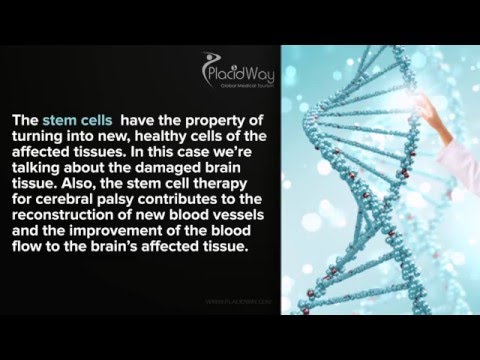




.png)
.png)




.jpg)











Share this listing