
Regenerative Medicine Revolution: Stem Cell Injections for Cervical Spine Arthrosis
Chronic neck pain is more than just a physical discomfort; it is a weight that pulls at your productivity, your mood, and your overall quality of life. For those suffering from cervical spine arthrosis—specifically in the critical C4, C5, and C6 regions—traditional medicine often offers a narrow path: temporary pain-masking medications or invasive, high-risk surgeries. However, a new dawn in restorative healthcare is here through stem cell therapy for back pain and neck rejuvenation.
In this featured video, we go inside the treatment room with Dr. Bernardo Pichardo Caba at La Vida GECEL Regenerative Medicine. You will witness a precise stem cell infiltration procedure designed to repair damaged tissue from the inside out. If you have been searching for a non-surgical alternative to restore your mobility and end chronic inflammation, this deep dive into regenerative neck treatments provides the answers you need.
Video Chapters & Quick Navigation
Medical science has evolved significantly, moving away from simply managing symptoms toward actually repairing the underlying damage. Stem cell therapy represents the pinnacle of this movement. By utilizing the body's natural building blocks, doctors can now target specific areas of decay in the spine with surgical precision but without the "open" surgery risks.
Understanding Stem Cell Infiltration for Chronic Pain
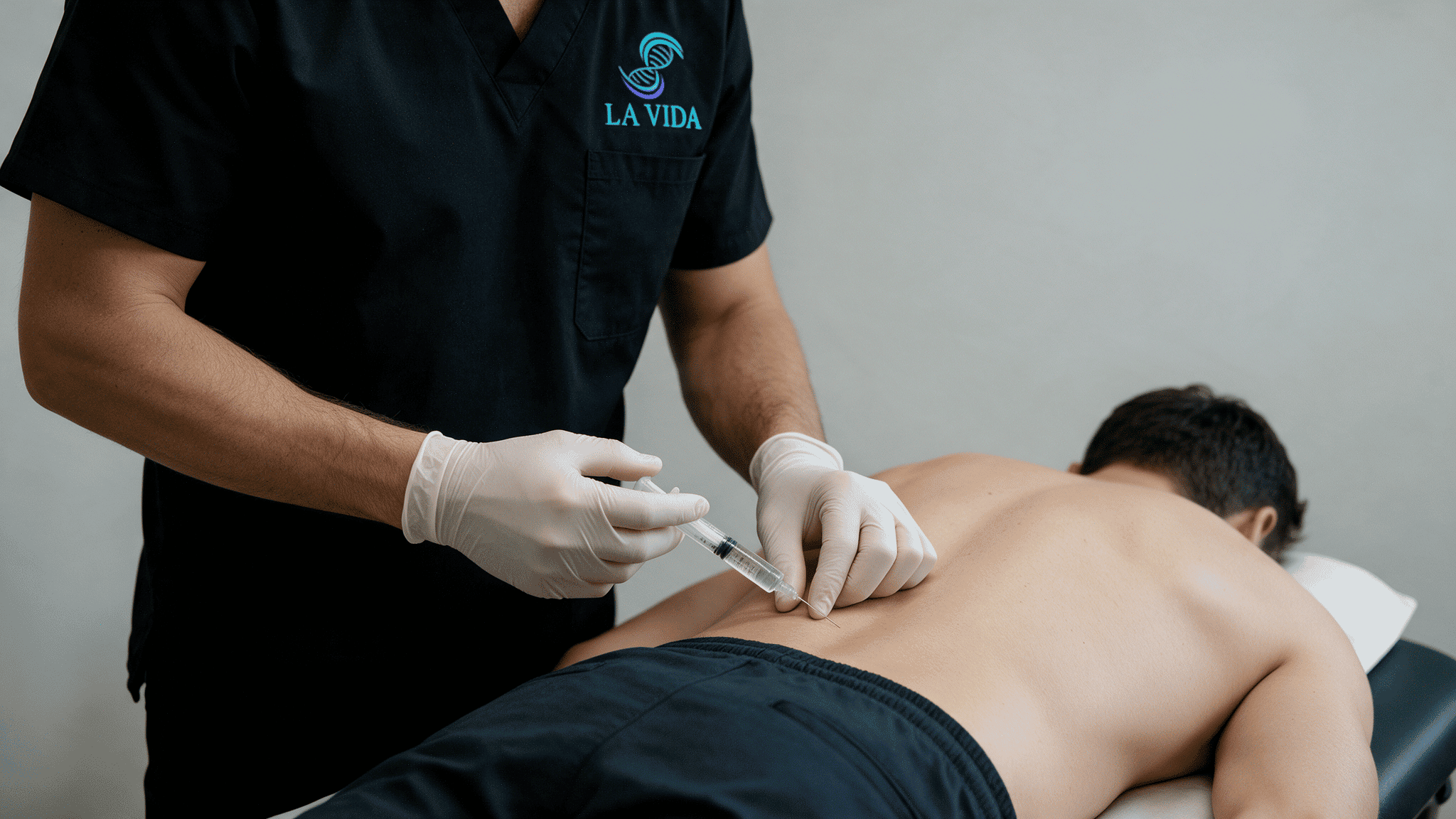
The term "infiltration" in a medical context refers to the direct delivery of therapeutic substances—in this case, live stem cells—into a targeted tissue area. As seen at [00:05], the goal is to place these potent biological agents exactly where the damage is most severe.
Stem cells are undifferentiated cells that have the unique ability to transform into specialized cell types, such as bone, cartilage, or muscle cells. When injected into the cervical spine, they release signaling molecules that reduce inflammation and stimulate the resident cells to begin the repair process. This is particularly effective for degenerative conditions where the body's natural healing response has stalled.
Targeting the C4, C5, and C6 Vertebrae
The cervical spine consists of seven vertebrae, but the C4 through C6 segment is often the most susceptible to wear and tear. At [00:10], Dr. Salas identifies these specific levels as the focus of the procedure. These vertebrae support the weight of the head and facilitate a wide range of motion, making them prone to arthrosis.
When these specific vertebrae are affected by arthrosis, patients often experience radiating pain, numbness in the arms, and a significant loss of neck flexibility. By targeting this "mid-cervical" region, regenerative medicine aims to stabilize the segment and prevent the further progression of disc degeneration or bone spur formation.
100 Million Cells: Why High Dosage Matters
One of the most impressive aspects of the GECEL protocol is the high concentration of therapeutic cells used. As Dr. Salas explains at [00:20], they inject 50 million stem cells on each side of the vertebral wall, totaling 100 million stem cells for a single session.
In the world of regenerative medicine, dosage is a critical factor for success. Lower dosages often used in "same-day" bone marrow aspirates might not provide enough biological signal to overcome chronic inflammation. A laboratory-expanded dose of 100 million mesenchymal stem cells (MSCs) provides a robust "army" of cells ready to tackle tissue repair and modulate the immune system effectively.
Comparison: Regenerative vs. Traditional Approaches
| Feature | Stem Cell Infiltration | Cervical Fusion Surgery |
|---|---|---|
| Invasiveness | Minimally Invasive (Needle) | Highly Invasive (Incision) |
| Recovery Time | 24-48 Hours | 3-6 Months |
| Mechanism | Biological Repair & Regrowth | Mechanical Stabilization |
| Risk Level | Very Low | Moderate to High |
Step-by-Step Clinical Procedure: How It Is Done
Transparency in medical procedures is vital for patient comfort. The video captures the meticulous nature of the treatment, starting with sterilization at [00:25]. Ensuring a sterile field is the first and most crucial step in preventing any post-procedural complications.
Following sterilization, the doctor performs "localization" at [00:40]. This involves manually palpating the vertebrae and using anatomical landmarks to ensure the needle reaches the paraspinal area where the arthrosis is most impactful. This precision ensures the stem cells are delivered to the exact environment where they are needed to thrive.
Treating Vertebral Arthrosis: Regenerating the Foundation
Vertebral arthrosis is essentially "osteoarthritis of the spine." It involves the breakdown of cartilage and the formation of bone spurs around the joints of the vertebrae. At [00:47], the diagnosis for this specific patient is confirmed.
The beauty of stem cells is their multifaceted approach to healing. As highlighted at [00:53], the treatment aims to regenerate and repair not just the bone, but also the surrounding ligaments and muscles. A spine is only as strong as its supporting structures; by strengthening the soft tissues while healing the bone, the procedure offers a comprehensive structural restoration.
Clinical Safety: The Aspiration Test
Safety is the cornerstone of advanced regenerative medicine. During the actual injection at [01:00], Dr. Salas demonstrates a critical safety check known as the aspiration test. At [01:07], he points out that there is "no blood" in the syringe.
This check is vital because it confirms that the needle tip is not inside a blood vessel. Stem cells intended for tissue infiltration should remain in the local area to create a "healing niche." By verifying the placement, the medical team ensures maximum efficacy and follows the highest safety standards for interventional regenerative procedures.
The Science of Regeneration: What Happens Post-Injection?
Once the 100 million stem cells are placed, they don't just sit idle. They immediately begin a process called "homing," where they are attracted to the chemical signals released by damaged and inflamed cells. Over the following weeks and months, the following biological cascade occurs:
- Anti-Inflammatory Response: MSCs release cytokines that "turn off" the chronic inflammatory fire that causes daily pain.
- Angiogenesis: New micro-blood vessels may form, improving blood flow and nutrient delivery to the previously stagnant area of the spine.
- Tissue Remodeling: The cells support the production of collagen and other extracellular matrix components to reinforce ligaments and cartilage.
Why Domincan Republic is a Leader in Spine Regeneration
Many patients from the US and Canada are looking toward teh Dominican Republic for advanced stem cell treatments. This is because clinics like La Vida GECEL Regenerative Medicine operate under a regulatory framework that allows for laboratory-expanded stem cells. In many other countries, only "minimally manipulated" cells (which have much lower counts) are allowed.
Furthermore, specialists like Dr. Bernardo Pichardo Caba offer a level of personalized care and procedural expertise that is often hard to find in larger, bureaucratic hospital systems. By combining high-tech laboratory science with skilled clinical application, Mexico has become a global hub for patients seeking to avoid the operating table and reclaim their mobility through biology.
Key Benefits for International Patients:
- Access to High Cell Counts: Up to 100 million cells per treatment area.
- Cost Efficiency: Savings of 50-70% compared to similar regenerative clinics in Mexico and South America.
- Expertise: Board-certified specialists focused exclusively on regenerative protocols.
Take Control of Your Spinal Health
The future of back and neck pain management isn't found in a pill bottle or a scalpel—it is found within your own biology, supercharged by medical science. As we saw in the demonstration by Dr. Salas, the process of stem cell infiltration for C4-C6 arthrosis is quick, safe, and backed by a powerful biological rationale.
If you are tired of living with the limitations of cervical arthrosis and want to explore how 100 million stem cells can transform your recovery, it is time to look at the regenerative options available to you today.
Ready to Restore Your Mobility?
PlacidWay Medical Tourism connects you with top-rated regenerative medicine clinics in Mexico, offering life-changing stem cell therapies at unbeatable prices. Let us handle the details while you focus on your healing.
GET A FREE QUOTE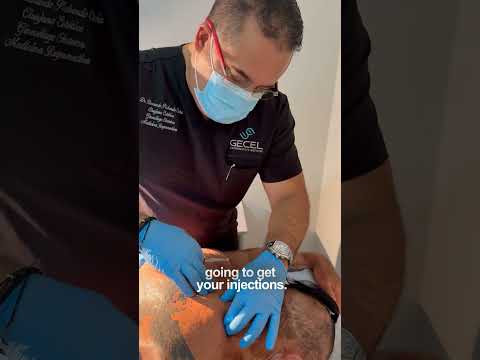






















Share this listing