


The Ultimate Guide to Placenta Cell Therapy in Mexico: Science, Safety, and Savings
Discover the transformative potential of affordable placenta cell therapy in Mexico, a groundbreaking frontier in modern regenerative medicine. For years, patients suffering from chronic pain, autoimmune disorders, and degenerative joint diseases have faced limited, highly invasive, or prohibitively expensive treatment options in their home countries.
Today, advanced cellular regeneration therapy offers a profound alternative to traditional symptom management. Watch to learn how internationally accredited clinics across Mexico are utilizing ethically sourced placental tissue to help patients accelerate healing, modulate immune responses, and reclaim their quality of life without the exorbitant price tags found in the United States and Canada.
Video Chapters & Quick Navigation
Regenerative medicine has officially moved beyond the realm of science fiction and into accessible clinical reality. For thousands of North Americans and Europeans, traveling across borders for advanced healthcare is no longer a last resort. It has become a strategic first choice for accessing innovative treatments.
Among the most sought-after treatments is placenta-derived mesenchymal stem cell therapy. This biological approach harnesses the immense healing power of early-stage cellular structures to repair damaged tissues and regulate systemic inflammation. Mexico has positioned itself firmly at the epicenter of this medical revolution.
The Biological Foundation of Placenta Cell Therapy
To truly understand why regenerative medicine in Mexico is thriving, we must first look at the unique biological mechanisms at play. Placenta cell therapy utilizes mesenchymal stem cells (MSCs) harvested from the placental tissue of healthy, full-term pregnancies. These tissues are donated ethically by pre-screened, healthy mothers following a scheduled cesarean section.
Unlike other cellular treatments, placental tissue is extraordinarily rich in growth factors, cytokines, and extracellular matrix proteins. These elements act as the body's natural signaling system, directing other cells to begin the repair process. When introduced into a patient's body, they seek out areas of inflammation and structural damage.
The Power of Wharton's Jelly
A significant portion of placenta-derived cellular therapies utilizes Wharton's Jelly, a gelatinous substance found within the umbilical cord and placental structures. This substance is an absolute goldmine for naive, highly robust mesenchymal stem cells. These cells are considered "day zero" cells, meaning they have not yet been exposed to aging, environmental toxins, or systemic diseases.
Because these cells are so young, their replication rate and differentiation potential vastly exceed that of older cells. They possess immense immunomodulatory properties, meaning they can help calm an overactive immune system. This makes them incredibly valuable for patients dealing with severe autoimmune conditions and chronic systemic inflammation.
Immune Privilege and Zero Rejection Rates
A common concern among patients researching placenta cell therapy in Mexico is the risk of bodily rejection. Fortunately, placenta-derived MSCs possess a unique characteristic known as "immune privilege." Because they lack certain human leukocyte antigens (HLA) on their surface, the recipient's immune system does not recognize them as foreign invaders.
This means that patients do not need to undergo complex tissue matching, nor do they require dangerous immunosuppressive drugs prior to treatment. The cells can be administered safely and efficiently, significantly streamlining the medical tourism experience for international patients.
Placenta Cells vs. Bone Marrow and Adipose Stem Cells
In the United States, the most commonly available cellular therapies rely on autologous extraction, meaning the cells are taken from the patient's own bone marrow or adipose (fat) tissue. While this method has its benefits, it also presents several distinct clinical disadvantages. Autologous extraction requires an invasive, often painful surgical procedure to harvest the cells.
More importantly, autologous cells are only as healthy as the patient they are extracted from. If a patient is sixty years old and suffering from chronic illness, their stem cells share that same biological age and degraded cellular health. Placenta-derived cells, conversely, offer maximum vitality, higher replication rates, and a completely pain-free harvesting process for the patient.
Exosomes and Cellular Communication
Another profound advantage of placental tissue is its high concentration of exosomes. Exosomes are tiny vesicles secreted by stem cells that carry genetic information and therapeutic proteins to target cells. They are essentially the chemical messengers that tell damaged tissue exactly how to heal itself.
Top-rated regenerative clinics in Mexico frequently combine placenta cell infusions with concentrated exosome therapies. This combination drastically amplifies the regenerative signal throughout the body. The resulting synergistic effect accelerates tissue repair and enhances overall clinical outcomes.
Why Mexico is Leading the Regenerative Medicine Revolution
You might wonder why such advanced cellular treatments are more readily available in Mexico than in the United States or Canada. The answer lies heavily in the regulatory environments of these respective nations. In the US, the FDA tightly restricts the expansion and culturing of stem cells, classifying them as heavily regulated biological drugs.
Mexico, under the oversight of its regulatory body, COFEPRIS (Federal Committee for Protection from Sanitary Risks), has adopted a more progressive, yet strictly controlled, legal framework. This allows certified stem cell clinics in Mexico to legally expand cells in sophisticated laboratories, producing the high-yield cell counts required for effective systemic therapy.
World-Class Infrastructure in Medical Hubs
Cities like Tijuana, Cancun, Guadalajara, and Monterrey have transformed into global hubs for cellular research and treatment. The clinics operating within these cities frequently feature ISO-certified clean rooms, state-of-the-art flow cytometry equipment, and cold-chain logistics that rival top-tier hospitals in the West.
Furthermore, the physicians leading these Mexican clinics are often internationally educated. Many hold advanced degrees and medical fellowships from prestigious universities in the United States, Europe, and Asia. They bring global best practices back to Mexico, ensuring patients receive care that meets or exceeds international standards.
Comprehensive Conditions Treated by Placental Cells
The highly adaptable nature of placenta-derived mesenchymal stem cells allows them to address a surprisingly wide array of medical conditions. Patients travel for affordable regenerative medicine in Mexico to seek relief from ailments that traditional allopathic medicine struggles to cure. The treatments focus on addressing the root cause of cellular dysfunction rather than merely masking the symptoms.
From severe neurodegenerative diseases to debilitating joint degradation, the therapeutic scope of these young cells is vast. Let us explore the primary categories of disease that see the highest success rates with placental cell therapy.
1. Orthopedic and Joint Degeneration
Osteoarthritis, rheumatoid arthritis, and chronic sports injuries cause localized inflammation and the breakdown of cartilage over time. Placenta stem cell injections directly into the affected joints (intra-articular administration) can halt this degenerative process. The cells secrete growth factors that encourage the regeneration of cartilage, reduce localized swelling, and significantly decrease chronic pain.
Many patients who were previously told they needed complete hip or knee replacements find profound relief through cellular therapy. By regenerating the connective tissue naturally, they avoid the extensive downtime, risks of anesthesia, and painful rehabilitation associated with major orthopedic surgery.
2. Autoimmune and Chronic Inflammatory Diseases
Conditions like Multiple Sclerosis (MS), Lupus, Lyme Disease, and Crohn's Disease are characterized by a confused immune system attacking the body's own tissues. Placenta cells have a unique immunomodulatory capability. When administered intravenously, they travel throughout the bloodstream to "reset" the faulty immune responses.
These cells secrete specific cytokines that downregulate the production of inflammatory markers. Over a period of weeks to months following treatment in Mexico, many autoimmune patients report a drastic reduction in flare-ups, increased energy levels, and a restoration of their daily mobility.
3. Neurological Disorders
Neurological conditions, including Parkinson’s Disease, Alzheimer’s, and neuropathy, have historically been incredibly difficult to treat due to the blood-brain barrier. However, advanced administration techniques utilized by leading Mexican clinics can bypass this barrier. The regenerative cells promote neurogenesis, which is the growth and repair of damaged nerve tissues.
While stem cell therapy is not yet a complete cure for severe neurodegeneration, clinical outcomes show substantial improvements in disease management. Patients frequently experience enhanced cognitive clarity, reduced tremors, and a slowing of the disease's natural progression.
The Role of Stem Cells in Anti-Aging and Longevity
Beyond treating specific diseases, placenta cell therapy in Mexico is highly sought after for anti-aging and systemic rejuvenation. Biological aging is largely driven by cellular senescence, a state where our native cells simply stop dividing and functioning properly. This leads to a loss of skin elasticity, decreased energy, and weakened organ function.
Intravenous infusions of high-dose placental stem cells act as a massive systemic reset. They clear out senescent cells, reduce whole-body inflammation, and stimulate the patient's own dormant stem cells to activate. Patients visiting wellness clinics in destinations like Cancun often report improved sleep architecture, enhanced libido, sharper mental focus, and visibly rejuvenated skin.
Cost Comparison: Affordable Placenta Cell Therapy in Mexico
The financial disparity between cellular treatments in North America and Mexico is one of the primary drivers of this medical tourism boom. In the United States, patients can easily pay upward of $15,000 to $25,000 for a single, low-dose stem cell treatment. Worse still, because of FDA limitations, these high-priced treatments often use the patient's own aged bone marrow.
In contrast, comprehensive placenta stem cell therapy packages in Mexico are exponentially more affordable. Patients can receive significantly higher cell counts—often between 50 million to 300 million live cells—for a fraction of the cost. These savings do not come at the expense of quality, but rather reflect Mexico's lower cost of living, reduced administrative overhead, and specialized legal frameworks.
| Therapy Type / Feature | United States / Canada | Top Clinics in Mexico |
|---|---|---|
| Cell Source Available | Mostly Autologous (Patient's Bone Marrow/Fat) | Placental, Wharton's Jelly (Ethical Donor) |
| Average Cell Count | 1 to 5 Million (Uncultured) | 50 Million to 300+ Million (Cultured) |
| Average Cost (Systemic IV) | $15,000 - $30,000+ | $3,500 - $8,500 |
| Harvesting Pain Level | High (Surgical Extraction Required) | Zero (Pre-Harvested Donor Tissue) |
The Patient Experience: From Consultation to Recovery
Embarking on a medical journey to another country can feel daunting, but the established medical tourism infrastructure in Mexico ensures a seamless, highly supportive experience. Top clinics provide dedicated patient coordinators who manage everything from initial blood work analysis to hotel accommodations and airport transfers.
Before traveling, patients undergo rigorous remote medical evaluations. Doctors review current MRI scans, comprehensive blood panels, and medical histories to determine if the patient is a viable candidate. Once approved, a customized treatment protocol is developed, outlining the exact cell dosages and administration methods required for optimal results.
Targeted Administration Techniques
The success of placenta cell therapy heavily relies on how the cells are introduced into the body. Mexican specialists utilize an array of sophisticated delivery methods depending on the patient's specific ailment. Intravenous (IV) infusions are standard for autoimmune and systemic anti-aging treatments, ensuring the cells circulate globally to reduce widespread inflammation.
For localized issues, doctors use ultrasound-guided intra-articular injections to place cells directly into damaged joints or spinal discs. Some advanced clinics also offer intrathecal administration, where cells are introduced directly into the spinal canal to bypass the blood-brain barrier for treating severe neurological conditions.
Ensuring Safety and Choosing the Right Clinic
While the benefits of traveling for regenerative medicine are immense, due diligence is absolutely critical. Not all clinics operate under the same stringent standards. Identifying a reputable, highly certified stem cell clinic in Mexico is the most important step in a patient's journey.
Top-tier facilities must hold active COFEPRIS licenses for both the clinical administration of stem cells and the specialized laboratories that cultivate them. The best clinics are fully transparent about their cell sources, providing Certificates of Analysis (COA) that verify the viability, exact cell count, and sterility of the placental tissues being used.
Cold Chain Logistics and Cell Viability
A critical factor in the success of live cellular therapy is the "cold chain" protocol. Mesenchymal stem cells are incredibly fragile living organisms. From the moment they leave the incubation laboratory to the moment they enter the patient's bloodstream, they must be maintained at precise, cryogenic temperatures.
Leading Mexican clinics utilize advanced onsite laboratories or partner with nearby specialized bio-banks to ensure cell viability remains above 90% at the time of injection. Patients are encouraged to ask potential clinics about their viability testing and transportation protocols before committing to any treatment plan.
A Holistic Approach to Healing
Finally, the most successful clinics understand that stem cells are not magic bullets; they are powerful biological tools that require a conducive environment to thrive. Progressive regenerative centers in Mexico often combine placenta cell therapy with holistic treatments like hyperbaric oxygen therapy, intravenous vitamin C, and specialized nutritional counseling.
By creating an optimal biological environment within the patient's body, the newly introduced placental cells have the best possible chance to graft, replicate, and stimulate profound, long-lasting healing. This comprehensive, patient-first approach is exactly why Mexico continues to dominate the global landscape of advanced cellular medicine.
Ready to Reclaim Your Health with Regenerative Medicine?
PlacidWay connects you with fully vetted, COFEPRIS-certified stem cell clinics in Mexico. Stop living with chronic pain and discover how affordable, high-quality placenta cell therapy can transform your life.
GET A FREE CLINIC QUOTE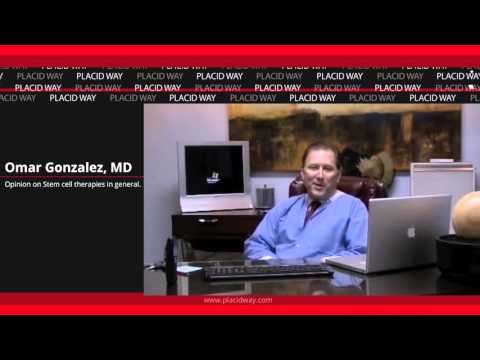

















Share this listing