


The Complete Guide to Tubal Ligation Reversal in Mexico: Restoring Your Fertility Affordably
Starting or expanding a family is a deeply personal and emotional dream, but past decisions can sometimes create unexpected physical barriers. If you are exploring options to restore your fertility, you have likely discovered that domestic medical costs for reproductive surgeries can be overwhelmingly prohibitive. Fortunately, thousands of women are finding incredible hope and high success rates through tubal ligation reversal in Mexico.
This comprehensive guide explores how you can access world-class microsurgical care, highly experienced fertility specialists, and affordable medical packages just across the border. Watch our detailed breakdown to understand how premier medical tourism allows you to focus entirely on your growing family rather than mounting medical debt.
Video Chapters & Quick Navigation
The Emotional Call to Restoring Your Fertility
For countless women, the decision to undergo a tubal ligation was made during a specific chapter of life that has since evolved. Life is dynamic, and circumstances change drastically due to new marriages, the tragic loss of a child, or simply a profound, renewed desire to experience motherhood once again. Unfortunately, when women begin researching affordable tubal reversal surgery abroad, they are often met with staggering domestic healthcare costs and dismissive insurance policies that view fertility restoration as a strictly elective luxury.
This stark reality forces many hopeful mothers to seek alternatives beyond their local borders. As highlighted in the video at , the emotional toll of wanting a child but being financially locked out of treatment is devastating. Medical tourism for fertility surgery has emerged not merely as a budget-friendly option, but as a lifeline for women demanding high-quality, compassionate reproductive care.
The journey to unblock fallopian tubes requires both emotional resilience and highly skilled medical intervention. Seeking a tubal ligation reversal in Mexico empowers women to take back control of their reproductive timelines. By bypassing inflated domestic healthcare markets, patients can channel their resources directly into preparing for their future baby, rather than emptying their life savings just to step into an operating room.
Why Medical Tourism for Tubal Ligation Reversal in Mexico is Booming
Mexico has rapidly solidified its reputation as a global epicenter for specialized medical tourism, particularly in the realm of gynecology and fertility. The country is home to numerous Joint Commission International (JCI) accredited hospitals that uphold sterilization and safety protocols identical to those found in the United States and Canada. Patients traveling south of the border are consistently amazed by the state-of-the-art infrastructure and the ultra-modern surgical suites dedicated specifically to reproductive microsurgery.
Beyond the facilities, the true value lies in the exceptional expertise of the medical professionals. As discussed at , many of the best clinics for fallopian tube recanalization in Mexico are staffed by bilingual surgeons who have completed advanced fellowships in the United States, Europe, or top-tier Latin American medical institutions. These fertility specialists perform hundreds of successful reversal procedures annually, giving them a level of niche expertise that many local domestic gynecologists simply do not possess.
Furthermore, the culture of patient care in Mexico is profoundly different. Women frequently report experiencing a much higher level of bedside empathy and personalized attention. Instead of feeling like just another number in a rushed domestic healthcare system, patients are treated with the dignity, warmth, and unhurried care they deserve during such an emotionally significant medical journey.
Decoding the Anatomy: How Fallopian Tube Recanalization Works
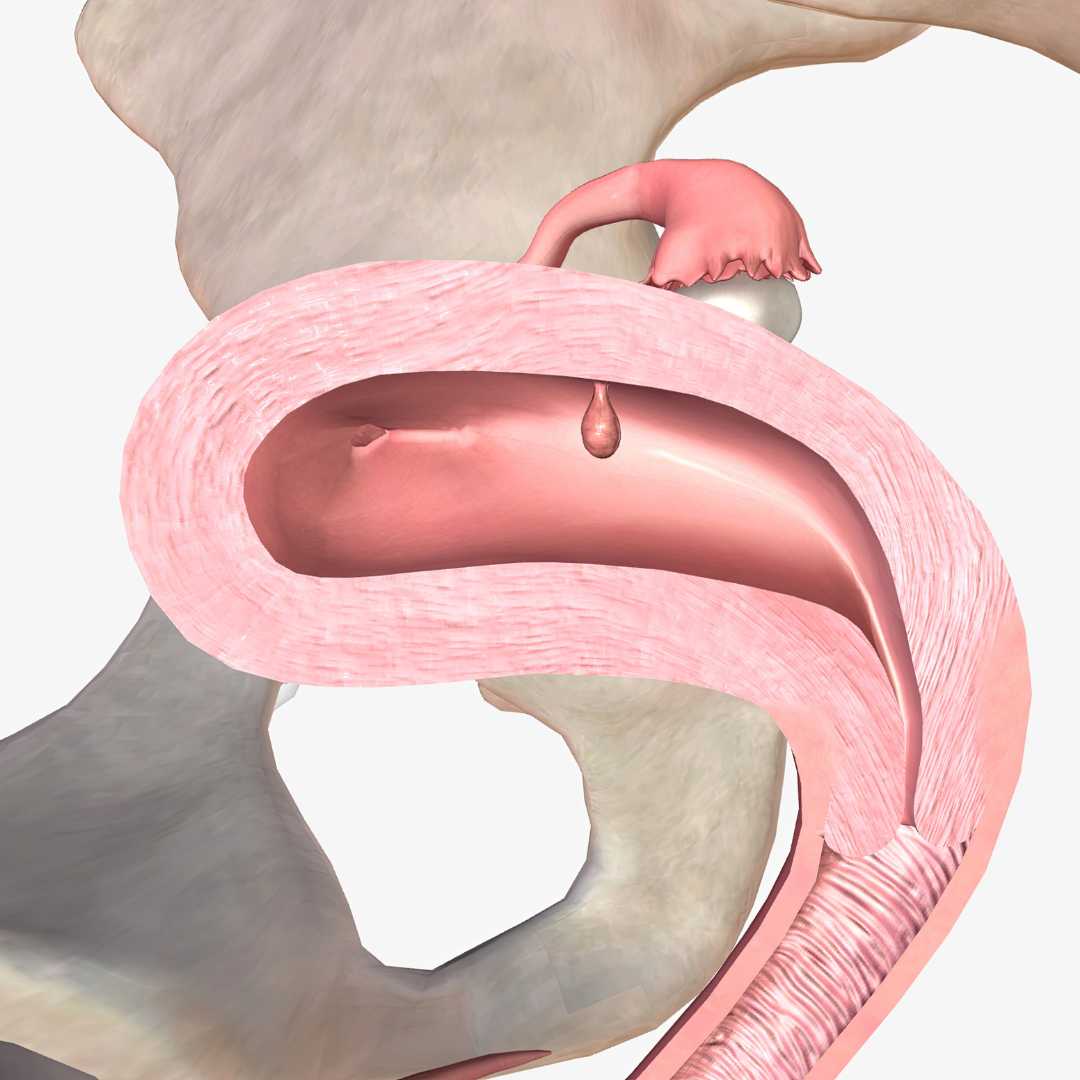
Tubal ligation reversal, medically known as microscopic fallopian tube anastomosis or recanalization, is a highly delicate surgical procedure. The objective is to flawlessly reconnect the separated segments of the fallopian tubes, restoring the natural pathway for a woman's egg to meet a man's sperm. Because the inner diameter of a fallopian tube is roughly the size of a piece of spaghetti—and the opening inside is as thin as a single strand of hair—the surgery requires extreme precision.
The procedure is typically performed under general anesthesia and utilizes advanced operating microscopes. The surgeon makes a small "bikini cut" (a mini-laparotomy incision) just above the pubic bone to access the reproductive organs. At , the video explains how the surgeon meticulously trims away any damaged scar tissue from the blocked ends of the tubes to expose healthy tissue.
Using specialized micro-sutures that are finer than human hair, the surgeon carefully stitches the precise layers of the tube back together. A dye test is often performed immediately in the operating room to confirm that fluid can flow freely through the newly repaired tubes. This microscopic approach is absolutely critical; it minimizes postoperative scarring and maximizes the chances of successful natural conception in the subsequent months.
Comprehensive Cost Analysis: Healthcare Savings Across the Border
The primary catalyst driving women to cross borders for reproductive care is the astronomical cost of tubal reversal in the United States. In North America, this procedure is almost universally categorized as elective, meaning health insurance completely denies coverage. Consequently, out-of-pocket costs can easily skyrocket, leaving families burdened with insurmountable debt.
By contrast, the cost of tubal reversal in Mexico is remarkably affordable without compromising a fraction of the surgical quality. The dramatic price difference is largely due to lower administrative overhead, favorable exchange rates, and a medical system that isn't inflated by aggressive pharmaceutical and insurance markups. As noted around , patients can save between 60% to 70% by choosing medical tourism.
| Medical Service Component | Estimated Cost in US/Canada | Estimated Cost in Mexico |
|---|---|---|
| Surgeon & Operating Room Fees | $8,000 - $12,000 | $2,000 - $3,000 |
| Anesthesiologist Fees | $1,500 - $2,500 | Included in Package |
| Pre-Op Tests & Consultations | $500 - $1,200 | Included in Package |
| Total Estimated Expenditure | $10,000 - $15,700+ | $2,500 - $4,500 |
Most reputable clinics in Mexico offer all-inclusive medical packages. These comprehensive bundles typically cover the surgical center fees, the lead microsurgeon, the anesthesiologist, required pre-operative blood work, basic medications, and even ground transportation between the local airport, your hotel, and the hospital.
The Impact of Your Original Ligation Method on Success Rates
One of the most frequent questions from prospective patients concerns their tubal ligation reversal success rates. The reality is that not all original sterilization procedures are performed identically, and the specific method your previous doctor used will heavily dictate the complexity of your reversal. Understanding your operative notes is the first step in assessing your realistic chances of conceiving naturally.
If you had a "cut and tie" method, such as a Pomeroy tubal ligation, or the application of titanium Hulka clips or Falope rings, you are generally in an excellent position. These traditional methods usually damage only a very small, isolated section of the fallopian tube. When the clips or rings are removed, surgeons typically find plenty of healthy, lengthy tube remaining to seamlessly reconnect, leading to pregnancy success rates often exceeding 70%.
Conversely, if your original surgery involved widespread electrocautery (burning of the tubes) or the insertion of Essure coils, the recanalization process becomes significantly more complex. As detailed at , extensive burning destroys a larger portion of the delicate tissue. A successful reversal demands that at least 4 to 5 centimeters of healthy fallopian tube remains after the scar tissue is removed; otherwise, the tube will be too short to adequately capture and transport an egg.
Evaluating Your Candidacy for Fertility Restorative Surgery
While tubal reversal offers immense hope, it is vital to remember that it is not a guaranteed solution for every woman. Elite female sterilization reversal doctors in Mexico adhere to strict ethical guidelines and will only approve candidates who have a statistically realistic chance of achieving a healthy pregnancy. Before traveling, you will undergo a rigorous remote medical evaluation.
Key Factors Determining Your Candidacy
- Maternal Age: While surgery is physically possible at older ages, natural fertility declines significantly after age 40. Surgeons will evaluate your ovarian reserve through blood tests (like AMH levels) to ensure you still have viable eggs.
- Male Partner's Fertility: It is an absolute requirement for the male partner to undergo a comprehensive semen analysis. Restoring the fallopian tubes is futile if there is severe male-factor infertility preventing natural conception.
- Overall Pelvic Health: Patients with severe endometriosis, extensive pelvic adhesions, or a history of multiple severe abdominal surgeries may face lower success rates due to preexisting scar tissue outside the tubes.
To facilitate this pre-screening, clinics will request your original tubal ligation operative report. This vital medical document allows the Mexican surgical team to precisely understand how your tubes were altered, ensuring you are an optimal candidate before you ever book a flight.
Tubal Reversal vs. In Vitro Fertilization (IVF): Making the Right Choice
When seeking to restore fertility, women are almost always faced with a critical crossroad: should they attempt a surgical tubal reversal or bypass the tubes entirely with In Vitro Fertilization (IVF)? Many fertility clinics in the US heavily push IVF because it is highly lucrative for the clinic, but a surgical reversal often holds distinct advantages for the right patient.
Financially, a single cycle of IVF in the United States can cost between $15,000 and $25,000, and many women require multiple agonizing cycles before achieving a successful pregnancy. In stark contrast, an affordable tubal reversal surgery abroad is a one-time surgical cost. Once the tubes are successfully repaired, you can attempt to conceive naturally every single month without incurring additional expensive laboratory fees or enduring grueling hormone injection protocols.
Furthermore, as discussed at , surgical reversal allows couples to experience the intimacy of natural conception. It also dramatically reduces the risk of high-order multiple pregnancies (twins or triplets), which are notably higher with IVF treatments and carry significant maternal and fetal health risks. For younger women with healthy partners, surgical reversal remains the most cost-effective and natural path to growing a family.
Top-Tier Destinations for Reproductive Care in Mexico
Mexico's expansive geography means patients have a variety of fantastic destinations to choose from, each offering unique logistical benefits. Tijuana remains immensely popular due to its immediate proximity to the US border. Patients from California and the Southwest can easily drive across or fly into San Diego, where clinic staff provide private, fast-tracked transportation directly to ultra-modern hospitals just minutes away.
For those seeking a more relaxing environment conducive to postoperative healing, Cancun has become a premier hub for medical tourism. Blending world-class medical facilities with serene, oceanfront recovery environments, Cancun allows patients to recover away from the stress of their daily lives. The availability of direct, affordable flights from the East Coast and Midwest makes it highly accessible.
Additionally, cities like Guadalajara and Monterrey are celebrated as the academic medical capitals of Mexico. These metropolitan areas house massive, state-of-the-art medical universities and attract some of the brightest microsurgical minds in Latin America. Regardless of the city chosen, patients are guaranteed to find top-tier infrastructure dedicated to medical excellence.
The Post-Surgical Recovery Timeline and Expecting Pregnancy
Understanding the recovery process is crucial for planning your medical trip. Following the mini-laparotomy, most patients spend one night in the Mexican hospital for professional monitoring and optimal pain management. The next day, you will typically be discharged to a nearby comfortable hotel to rest for an additional 2 to 3 days before receiving medical clearance to fly or drive back home.
The initial recovery phase involves managing mild to moderate abdominal discomfort, similar to a heavy menstrual cramp or a mild c-section recovery. During the first two weeks, it is imperative to avoid any heavy lifting, strenuous exercise, or deep bending. Most women successfully return to desk jobs or light daily activities within 10 to 14 days, as highlighted at in our comprehensive video breakdown.
Surgeons generally advise couples to wait until the patient has had at least one full, normal menstrual cycle before actively attempting to conceive. This waiting period allows the delicate microscopic internal sutures to heal fully and reduces the risk of an ectopic pregnancy. Once cleared, many couples are thrilled to discover they achieve a positive pregnancy test within the first 6 to 12 months following their successful procedure in Mexico.
Ready to Take the Next Step Toward Motherhood?
Don't let the high cost of domestic healthcare stand between you and your dream of growing your family. PlacidWay connects you directly with top-rated, board-certified microsurgeons in Mexico for highly successful, affordable tubal ligation reversal. Let us help you navigate your journey with confidence.
GET A FREE MEDICAL QUOTE TODAY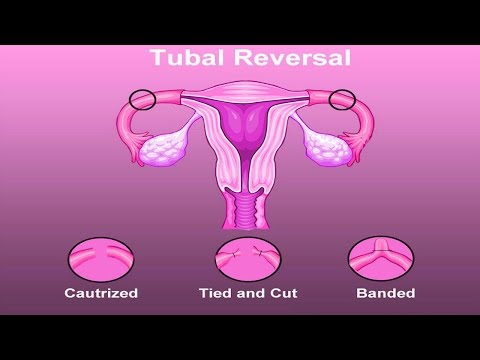





.png)





Share this listing