


Comprehensive Guide to the Gastric Sleeve Surgery Procedure: Step-by-Step Overview
Are you struggling to achieve sustainable weight loss despite endless diets and exhausting exercise regimens? The Gastric Sleeve Surgery Procedure, also known clinically as a laparoscopic sleeve gastrectomy, has completely revolutionized the landscape of modern bariatric medicine. This transformative medical intervention offers a powerful, scientifically proven tool for individuals battling severe obesity to reclaim their metabolic health and longevity. By permanently altering the size and anatomical capacity of the stomach, patients experience profound physiological shifts. Read on to discover the intricacies of this life-changing bariatric operation and how it paves the way to a healthier, more active future.
Video Chapters & Quick Navigation
- Understanding the Sleeve Gastrectomy
- The Science of Satiety & Hormones
- Who Qualifies for Bariatric Surgery?
- Pre-Operative Diet & Preparation
- The Surgical Procedure Step-by-Step
- Hospital Stay & Early Recovery Time
- The Post-Bariatric Diet Progression
- Long-Term Weight Loss Results
- Resolving Obesity-Related Conditions
- Affordable Bariatric Surgery Options
Understanding the Laparoscopic Sleeve Gastrectomy
When exploring options for clinical weight loss, understanding the mechanics of your chosen procedure is paramount. The gastric sleeve surgery is currently the most frequently performed bariatric operation worldwide. Surgeons favor this method due to its excellent safety profile, relatively straightforward surgical technique, and outstanding long-term patient outcomes.
During a laparoscopic sleeve gastrectomy process, a highly skilled bariatric surgeon removes approximately 75% to 80% of the patient's stomach. This permanent excision leaves behind a narrow, banana-shaped gastric tube or "sleeve." Because the newly formed stomach holds significantly less volume, patients naturally consume smaller portions of food while still feeling entirely satisfied.
Unlike other forms of bariatric intervention, such as the Roux-en-Y gastric bypass, the sleeve gastrectomy does not involve rerouting the intestines. The natural digestive pathway remains fully intact, which dramatically reduces the risk of severe malabsorption issues. Consequently, patients face a much lower risk of life-threatening vitamin and mineral deficiencies, making the post-operative lifestyle easier to manage.
The Science of Satiety: Hormonal Impacts of Stomach Reduction
While the physical restriction of a smaller stomach is the most obvious mechanism of weight loss, the biochemical changes are equally profound. The portion of the stomach that is surgically removed is called the gastric fundus. This specific area of the stomach is biologically responsible for producing the vast majority of the body's ghrelin.
Ghrelin is widely known in the medical community as the "hunger hormone." When your stomach is empty, the fundus secretes ghrelin into your bloodstream, which travels to your brain and triggers intense feelings of hunger and cravings. By eliminating this section of the stomach during the procedure , the body's ghrelin production plummets almost instantly.
This hormonal reset provides a massive psychological advantage for patients recovering from bariatric surgery. Instead of fighting through relentless hunger pangs—a common reason why traditional calorie-restrictive diets fail—patients often report a total absence of physical hunger during their initial recovery months. This biological advantage allows individuals to easily adopt healthier eating habits without the constant mental battle against food cravings.
Ideal Candidates: Who Qualifies for Bariatric Surgery?
Bariatric surgery is not a cosmetic procedure; it is a serious medical intervention designed for individuals suffering from the disease of severe obesity. To determine who is a safe and appropriate candidate for a sleeve gastrectomy, medical professionals rely on strict guidelines established by major health institutes. Candidacy is primarily evaluated using the Body Mass Index (BMI) scale.
Generally, an ideal candidate for weight loss surgery is an individual with a BMI of 40 or higher, which typically equates to being at least 100 pounds overweight. However, patients with a BMI between 35 and 39.9 may also qualify if they suffer from significant obesity-related comorbidities. These concurrent health conditions often include unmanaged type 2 diabetes, severe sleep apnea, clinical hypertension, or debilitating joint disease.
Psychological and Lifestyle Readiness
Beyond physical measurements, successful bariatric candidates must demonstrate strong psychological readiness. Bariatric surgery requires a lifelong commitment to drastic dietary and lifestyle modifications. Candidates typically undergo comprehensive psychological evaluations prior to approval to ensure they do not suffer from untreated eating disorders, such as binge eating disorder, which could jeopardize surgical outcomes.
Patients must also be willing to commit to lifelong medical follow-ups. This includes adhering strictly to daily vitamin supplementation, meeting protein intake goals, and maintaining a consistent exercise routine. The surgery is simply a tool; the patient's dedication determines the ultimate long-term success of the procedure.
Pre-Operative Preparation and the Liver Shrinking Diet
The journey to a successful gastric sleeve surgery begins weeks before you ever enter the operating room. Preparation is crucial for minimizing surgical risks and ensuring a smooth recovery. One of the most vital components of this preparation phase is the mandatory pre-operative liver reduction diet, which patients must follow strictly.
Individuals suffering from severe obesity commonly develop non-alcoholic fatty liver disease (NAFLD). This condition causes the liver to become enlarged, heavy, and extremely fragile. Because the liver sits directly over the stomach, an enlarged liver makes it exceptionally difficult and dangerous for the bariatric surgeon to safely access the surgical site .
- High Protein, Low Carbohydrate: The pre-op diet forces the body into a state of ketosis, rapidly depleting glycogen stores located in the liver.
- Liquid Meal Replacements: Many surgeons require a strict liquid diet utilizing specific medical-grade protein shakes for 7 to 14 days prior to surgery.
- Hydration Protocols: Patients are required to consume massive amounts of water and clear broths to remain hydrated while shrinking the liver tissue.
By strictly adhering to this demanding pre-surgical diet, the liver shrinks dramatically in size and becomes significantly less prone to bleeding. This simple dietary intervention drastically reduces operating time and significantly lowers the likelihood of transitioning from a minimally invasive laparoscopic procedure to a riskier open surgery.
The Gastric Sleeve Surgical Procedure: Step-by-Step
Understanding what occurs in the operating theater can greatly alleviate pre-surgery anxiety. The modern laparoscopic sleeve gastrectomy process is a marvel of minimally invasive surgical technology. The entire procedure is performed under general anesthesia, ensuring the patient is completely unconscious and totally pain-free.
Once the patient is prepped, the surgeon makes four to five tiny keyhole incisions across the abdomen . Hollow tubes known as trocars are inserted into these small incisions. The abdomen is then carefully inflated with harmless carbon dioxide gas. This inflation creates a dome-like working space, allowing the surgeon clear visibility and room to maneuver their surgical instruments safely.
Resection and Stapling the Stomach
A high-definition laparoscope (a specialized camera) is inserted, projecting a magnified view of the internal organs onto large surgical monitors. Next, the surgeon passes a flexible medical sizing tube, called a bougie, down the patient's throat and into the stomach. This tube acts as a precise sizing template for the new stomach pouch.
Using an advanced automated surgical stapler, the surgeon carefully divides the stomach tissue alongside the bougie. The stapler simultaneously cuts the tissue and lays down three interwoven rows of tiny titanium staples, securely sealing the new stomach tube. The large, excised portion of the stomach is then extracted through one of the small abdominal incisions.
Before concluding the operation, the surgical team performs a vital leak test. They inject a specialized blue dye or pressurized air into the newly formed sleeve to verify the absolute integrity of the staple line. Once verified, the trocars are removed, and the tiny incisions are closed with surgical glue or absorbable sutures. The entire process typically takes only 60 to 90 minutes.
Comprehensive Recovery Time and Immediate Post-Op Care
The immediate bariatric surgery recovery time is a crucial phase where the body begins healing from significant internal trauma. Following the surgery, patients are closely monitored in the recovery ward as they awaken from the anesthesia. The standard hospital stay for a gastric sleeve procedure is typically just one to two nights, assuming no complications arise.
Pain management is a top priority during the first 24 hours. While the small external incisions rarely cause severe discomfort, patients frequently report a deep, dull ache in their abdomen and unexpected soreness in their left shoulder. This shoulder pain is actually referred pain caused by residual carbon dioxide gas irritating the diaphragm muscle .
To combat gas pain and prevent life-threatening complications like deep vein thrombosis (blood clots in the legs), nurses will encourage the patient to stand up and walk the hospital hallways mere hours after waking up. Early ambulation is universally recognized as the single most effective way to stimulate bowel function and expedite the overall healing timeline.
The Phased Diet Plan After Bariatric Surgery
Adapting to life after gastric sleeve surgery requires strict adherence to a progressive dietary protocol. The new stomach pouch is extremely delicate and highly swollen in the weeks immediately following the operation. Consuming solid foods too quickly can lead to severe pain, severe vomiting, or disastrous staple line ruptures.
The diet after bariatric surgery is meticulously broken down into four distinct phases. This gradual progression allows the staple line to heal completely while slowly reintroducing the digestive system to different textures and densities of food. Below is a comprehensive breakdown of the standard post-op dietary phases .
| Recovery Phase | Duration | Allowed Foods & Dietary Focus |
|---|---|---|
| Phase 1: Clear Liquids | Days 1 - 7 | Water, clear beef or chicken broth, sugar-free gelatin, sugar-free popsicles. The primary goal is achieving absolute hydration without stressing the stomach. |
| Phase 2: Full Liquids | Days 8 - 14 | High-quality protein shakes, strained cream soups, ultra-thin oatmeal, skim milk. The focus shifts to meeting a daily 60-80g protein requirement. |
| Phase 3: Pureed Foods | Weeks 3 - 4 | Blended chicken, low-fat cottage cheese, mashed avocados, scrambled eggs. Foods must be blended to the consistency of smooth baby food. |
| Phase 4: Soft Solids | Weeks 5 - 8 | Flaky baked white fish, ground turkey, soft boiled vegetables, soft fruits without skin. Patients must practice chewing each bite 20-30 times. |
By the time a patient reaches the third month post-operation, they can generally tolerate most healthy solid foods. However, critical new habits must be formed. Patients are strictly instructed to separate their eating and drinking by at least 30 minutes to prevent flushing food out of the stomach too quickly, which can lead to rapid hunger and poor nutritional absorption.
Long-Term Weight Loss Results and Lifestyle Changes
The overarching goal of a sleeve gastrectomy is achieving massive, sustainable weight reduction. When patients adhere closely to their bariatric dietary guidelines and incorporate regular cardiovascular and strength-training exercises, the weight loss results are astonishing. The most dramatic weight drop typically occurs within the first six months following the surgery.
On average, successful gastric sleeve patients can expect to lose between 60% and 70% of their excess body weight within the first 12 to 18 months . This rapid deflation of fat mass not only transforms physical appearance but drastically alters daily mobility. Tasks that were once physically exhausting, such as climbing a flight of stairs, tying shoelaces, or playing with children, become effortlessly achievable.
To sustain these remarkable results permanently, patients must adopt a protein-first eating philosophy. Because stomach capacity is limited to roughly four to six ounces per meal, every single bite must be highly nutritious. Lean proteins should always be consumed first, followed by nutrient-dense vegetables, leaving empty carbohydrates like bread, pasta, and refined sugars off the plate almost entirely.
Resolving Life-Threatening Obesity-Related Conditions
While the aesthetic benefits of shedding 100 pounds or more are undeniably exciting, the true triumph of the gastric sleeve procedure lies in its profound medical benefits. Bariatric surgery is clinically proven to be one of the most effective treatments available for resolving severe metabolic diseases and increasing total life expectancy.
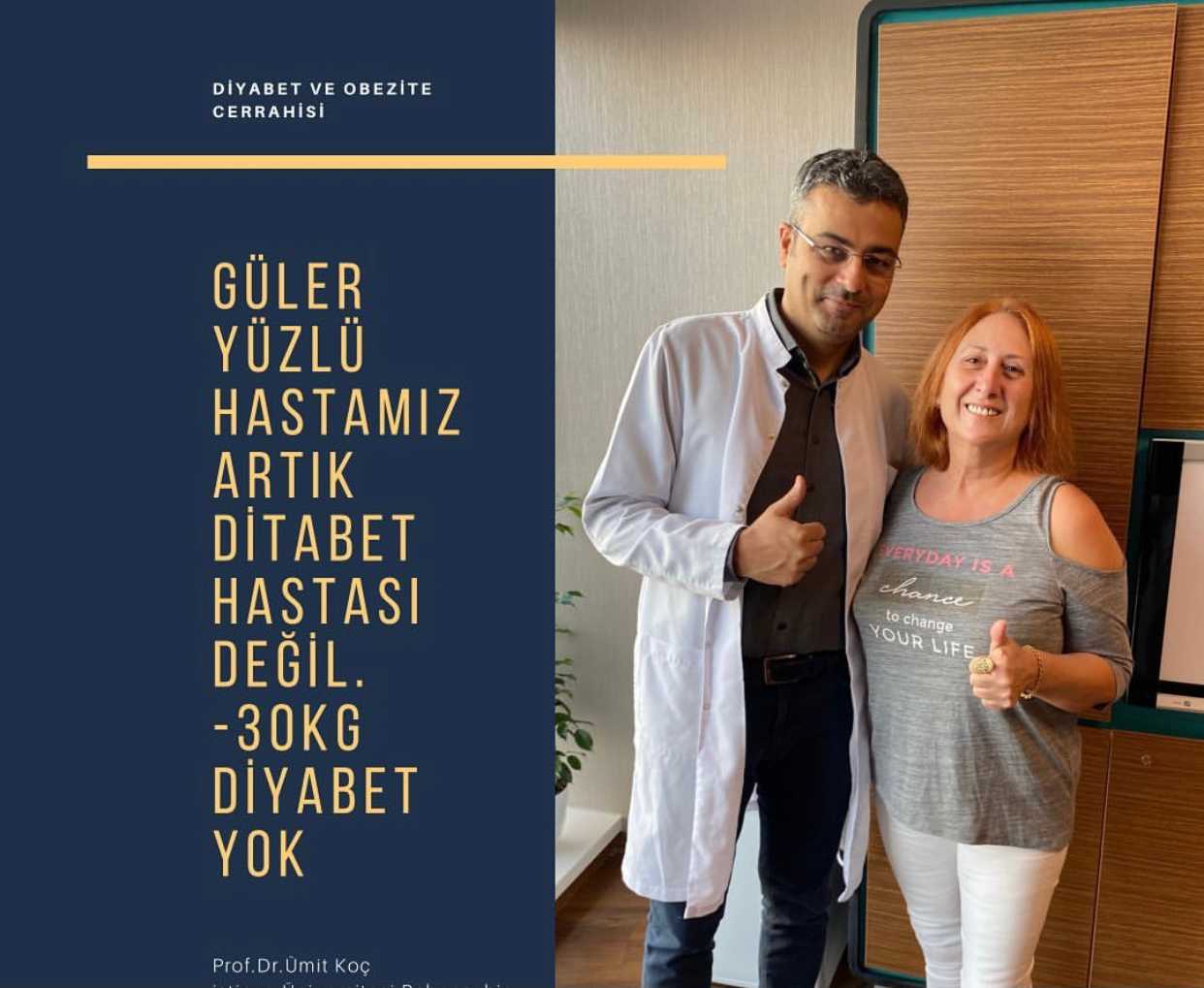
For individuals suffering from Type 2 Diabetes, the surgical outcomes are frequently miraculous. A large percentage of patients experience total diabetes remission, meaning their blood sugar levels stabilize completely without the need for daily insulin injections or oral diabetic medications. This metabolic correction often begins just days after the surgery, long before significant weight loss has even occurred.
- Sleep Apnea Resolution: As visceral neck fat melts away, the airway opens up, allowing the vast majority of patients to permanently ditch their cumbersome CPAP machines.
- Hypertension Improvement: Blood pressure normalizes as the heart no longer has to pump forcefully through excessive miles of vascularized fat tissue.
- Joint Pain Relief: Every pound of weight lost removes approximately four pounds of pressure from the knees, drastically reducing osteoarthritis pain and restoring youthful mobility.
Navigating the Cost: Affordable Gastric Sleeve Surgery Options
Despite its proven medical necessity, navigating the financial aspects of bariatric surgery in countries like the United States or the United Kingdom can be incredibly frustrating. Without comprehensive health insurance, out-of-pocket costs for a sleeve gastrectomy can easily skyrocket to between $15,000 and $25,000. These exorbitant price tags place life-saving medical care out of reach for millions of suffering patients.
Because of these massive financial barriers, medical tourism for bariatric surgery has seen exponential growth. World-class medical destinations, including highly accredited hospitals in Mexico, Turkey, and Costa Rica, offer premium bariatric packages at a fraction of North American prices. Patients can often receive all-inclusive gastric sleeve surgery packages—which include the operation, pre-op testing, hospital stay, hotel accommodations, and ground transportation—for $4,000 to $6,000.
When organized through reputable medical facilitation companies, patients are connected strictly with globally accredited hospitals and bariatric surgeons who hold international board certifications. This ensures that the pursuit of affordable healthcare never requires compromising on surgical safety, advanced medical technology, or compassionate post-operative care. Reclaiming your health, reversing chronic disease, and achieving the vibrant life you deserve is entirely within your reach.
Ready to Transform Your Life and Health?
PlacidWay connects you with globally accredited bariatric centers of excellence. Discover highly affordable, world-class gastric sleeve surgery packages tailored specifically to your medical needs. Take the first step toward lasting weight loss today.
REQUEST A FREE QUOTE
.png)
.png)









Share this listing